Understand how frequently your pool needs professional inspection. Learn about annual requirements, real estate inspections, commercial pool schedules, and factors that affect inspection frequency.
Understanding how often your pool needs professional inspection is essential for maintaining safety, compliance, and your investment. While pool maintenance keeps the water clean, inspections verify that safety features meet current standards and identify potential hazards before they become serious problems.
General Inspection Guidelines
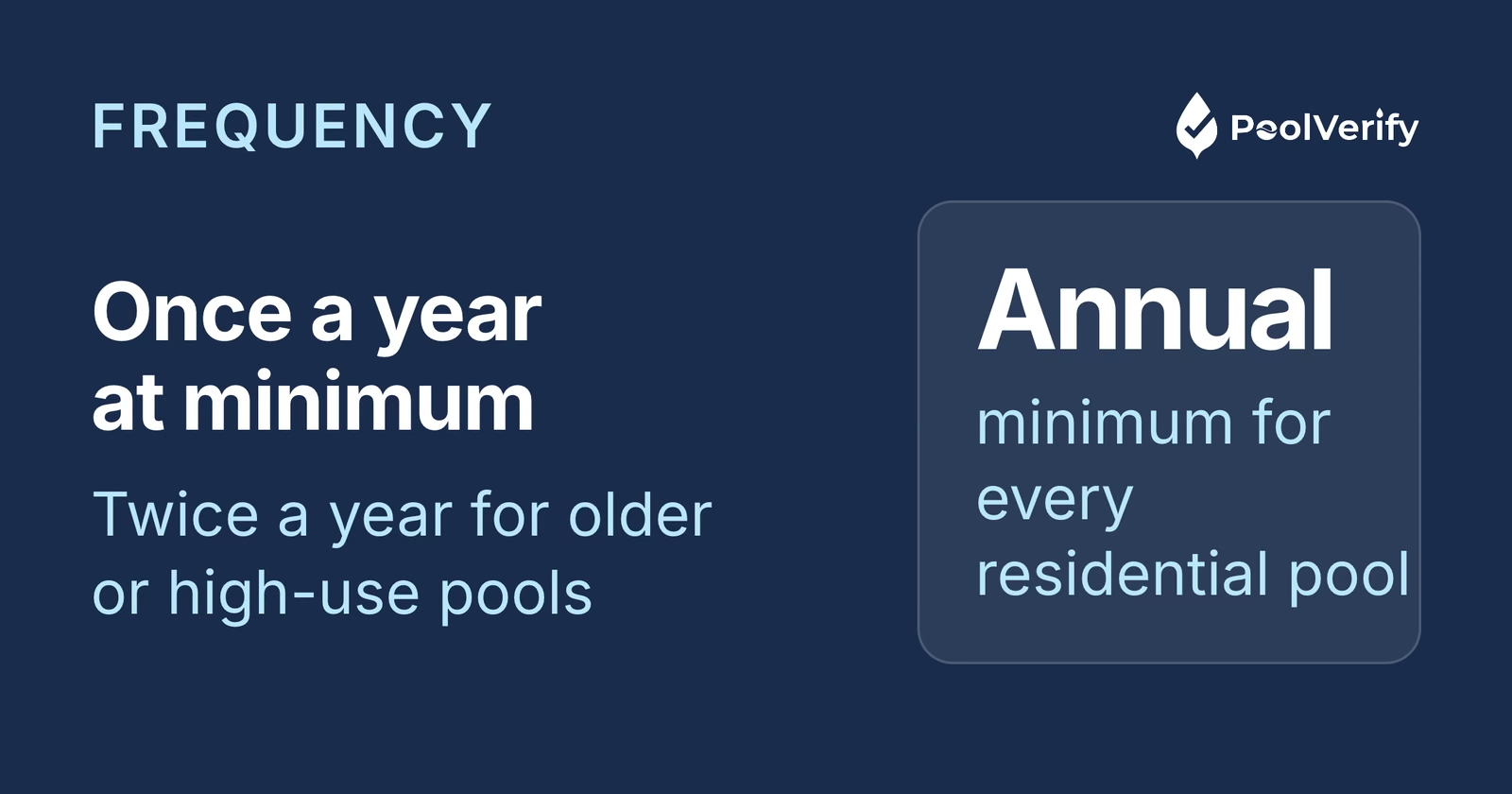
The short answer: At minimum, once per year.
However, the ideal frequency depends on several factors:
Pool type (residential vs. commercial)
Usage level
Local regulations
Recent changes or repairs
Age of the pool
Let's break down the specific recommendations for different situations.
Residential Pool Inspection Frequency
Annual Safety Inspections
Why Annual Inspections Matter:
Every residential pool should have a comprehensive safety inspection at least once per year. Annual inspections catch:
Safety Feature Degradation
Fence and gate hardware wear
Alarm battery failures
Drain cover deterioration
Safety equipment damage
Code Compliance Changes
Updated regulations may affect your pool
New safety standards may apply
Certification requirements may change
Hidden Issues
Slow leaks
Underground pipe problems
Electrical system deterioration
Structural concerns
Best Time for Annual Inspection:
Season
Pros
Cons
Early Spring
Before swim season; time to fix issues
Inspectors may be busy
Late Fall
After heavy use; before closing
May find weather-related damage
Off-Season
Lower demand; flexible scheduling
Pool may be winterized
Pro Tip: Schedule your annual inspection 4-6 weeks before you plan to open the pool for the season. This gives you time to address any issues before swimming begins.
Real Estate Transaction Inspections
When buying or selling a home with a pool:
For Sellers:
Get inspection before listing (proactive approach)
Make repairs to avoid price negotiations
Provide report to potential buyers
Required in California under SB 442
For Buyers:
Always get independent pool inspection
Don't rely solely on seller-provided reports
Include pool inspection contingency in offer
Schedule within 10-14 days of accepted offer
Inspection Validity for Transactions: Most real estate pool inspections are considered valid for 30-90 days. If your closing is delayed, you may need a re-inspection.
Commercial Pool Requirements
Commercial pools face stricter inspection requirements due to higher usage and public health concerns.
Typical Commercial Inspection Schedule:
Facility Type
Minimum Frequency
Common Requirements
Hotels/Resorts
Monthly
Health dept. quarterly
Apartment Complexes
Monthly
Annual certification
Fitness Centers
Bi-weekly to Monthly
Quarterly safety audit
Public Pools
Weekly to Monthly
Daily operator checks
Schools
Before each season
Annual district inspection
HOA Pools
Monthly
Seasonal opening/closing
Commercial Compliance Checklist:
Daily water quality testing (logged)
Weekly safety equipment checks
Monthly professional inspections
Quarterly health department reviews
Annual comprehensive safety audit
Factors That Affect Inspection Frequency
Several factors may require more frequent inspections:
Pool Age
Pool Age
Recommended Frequency
0-5 years
Annual
5-15 years
Annual + after storms
15-25 years
Every 6-12 months
25+ years
Every 6 months
Older pools are more likely to develop issues and may have outdated safety features that need updating.
Usage Level
High Usage (Daily Use, Parties, Many Users):
Inspect twice per year
More wear on safety features
Higher chemical demands
Faster equipment degradation
Moderate Usage (Regular Family Use):
Annual inspection sufficient
Monitor high-wear items monthly
Address concerns promptly
Low Usage (Occasional/Seasonal):
Annual inspection required
Inspect before reopening
Watch for stagnation issues
Geographic Factors
Hot Climates (AZ, FL, TX):
Year-round use increases wear
UV damage to equipment
Higher chemical demands
Cold Climates:
Inspect before and after winterization
Freeze damage concerns
Spring opening inspection
Hurricane/Storm Areas:
Inspect after major weather events
Debris damage assessment
Electrical system checks
Recent Changes
Inspect immediately after:
Major repairs or renovations
New equipment installation
Resurfacing or replastering
Deck or fence modifications
Ownership change
Insurance claim events
Signs You Need an Inspection Now
Don't wait for your scheduled inspection if you notice:
Structural Concerns:
Cracks in pool surface
Shifting or sinking deck
Loose tiles or coping
Water level dropping unusually fast
Safety Issues:
Fence damage or gaps
Gate not self-closing/latching
Drain covers loose or damaged
Alarms not functioning
Lights flickering or not working
Equipment Problems:
Pump making unusual noises
Filter pressure abnormal
Heater not working properly
Visible electrical issues
Water Quality:
Persistent cloudiness despite treatment
Algae that won't clear
Unusual odors
Skin or eye irritation after swimming
State-by-State Requirements
Pool inspection requirements vary significantly by state:
California:
BPC §7195: when a home inspection is performed at the sale of a 1 to 4 unit property with a pool or spa, the report must state which HSC §115922(a) safety features are present
No state certification requirement for the inspector; clients usually expect a home inspector or a B or C-53 licensed contractor
Annual inspection recommended
Florida:
Required for homes with pools built after 2000
Barrier inspection required
Commercial pools: monthly inspections
Annual safety inspection recommended
Texas:
No statewide residential requirement
Commercial pools: health dept. regulated
Local ordinances may apply
Annual inspection recommended
Arizona:
Barrier inspection required for new construction
Commercial pools: quarterly health inspection
Annual inspection recommended
Note: Even where not legally required, annual inspections are strongly recommended for liability protection and safety.
Creating Your Inspection Schedule
Annual Inspection Calendar:
Month
Action
January
Review last year's report; plan improvements
February
Schedule spring inspection (4-6 weeks out)
March-April
Spring inspection before opening
May
Address any issues found
June-August
Regular maintenance; monitor safety
September
Post-season assessment
October
Fall inspection before closing (cold climates)
November-December
Winterize and document
Inspection Frequency Summary:
Situation
Minimum Frequency
Standard Residential
Annual
High-Use Residential
Twice yearly
Older Pool (15+ years)
Twice yearly
Commercial Pool
Monthly
Real Estate Transaction
Before sale
Post-Storm/Damage
Immediately
After Repairs
Immediately
The Bottom Line
Minimum: Every residential pool should be professionally inspected at least once per year.
Ideal: Schedule based on your specific situation:
Annual for most residential pools
Twice yearly for older or high-use pools
Immediately after significant events
As required for real estate transactions
Monthly or more for commercial pools
Regular inspections are an investment in safety, compliance, and peace of mind. The cost of annual inspection ($200-$400) is minimal compared to the potential costs of liability issues or major repairs from undetected problems.
Are you a pool inspector? PoolVerify is the professional inspection software that helps you deliver comprehensive safety assessments and compliance documentation to your clients.
Stay on schedule, stay safe, and protect your pool investment with regular professional inspections.
Limitations
This guide is general information about pool safety law, not legal advice; the current text of HSC §115922 and BPC §7195 on leginfo.legislature.ca.gov controls, and local building departments add their own requirements. PoolVerify is inspection software for California residential pool safety inspections; it does not perform inspections, certify inspectors, or issue compliance certificates.
Run this checklist on your next inspection
PoolVerify puts the HSC §115922(a) safety features on an on-site checklist with a photo on each item, collects the signature on screen, and generates the branded PDF report before you leave. Start your 14-day free trial, no credit card to start, or see pricing.
Last updated: September 9, 2026
What the client receives
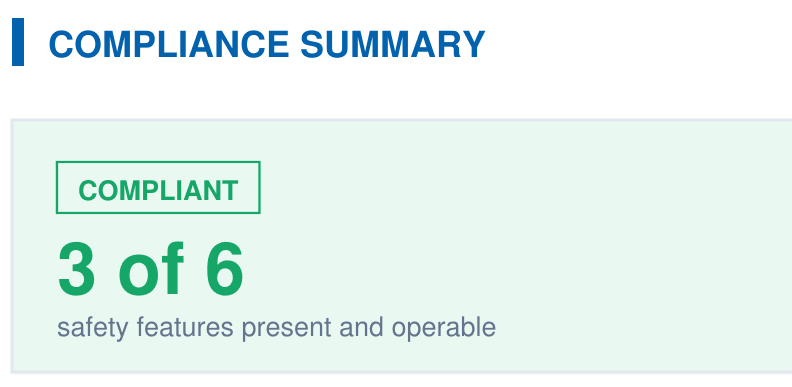
A branded PDF with the compliance summary, the feature table, each finding with its photos, and the signature, generated on‑site when the BPC §7195 and HSC §115922 checklist is complete.
Residential pools should be professionally inspected at least once per year for safety compliance. Additional inspections are required when selling a home (in many states), after major repairs or renovations, following severe weather events, or if you notice any safety concerns.
Is annual pool inspection required by law?
Annual pool inspection requirements vary by state and locality. California requires inspection before selling homes with pools (SB 442). Commercial pools often have monthly or quarterly inspection requirements. Check your local regulations for specific requirements.
How often do commercial pools need inspection?
Commercial pools typically require more frequent inspection than residential pools. Most jurisdictions require monthly or quarterly professional inspections, daily operator checks, and annual health department inspections. Hotels, apartment complexes, and fitness centers must maintain strict inspection schedules.
Should I get a pool inspection before buying a house?
Yes, always get a pool inspection before purchasing a home with a pool. This inspection should be separate from the general home inspection and conducted by a certified pool inspector. The cost ($200-$400) is minimal compared to potential repair costs of $5,000-$50,000 for undiscovered issues.
How long is a pool inspection valid?
Pool inspection validity varies by purpose. For real estate transactions, reports are typically valid for 30-90 days. Annual safety certifications are valid for one year. Commercial pool inspections may need renewal monthly or quarterly depending on jurisdiction.