Discover the most common pool inspection mistakes that cost inspectors time, money, and reputation. Learn how to avoid these pitfalls with expert tips.
Even experienced pool inspectors make mistakes. The difference between a good inspector and a great one isn't perfection, it's learning from errors and implementing systems to prevent them.
After analyzing thousands of inspection reports and interviewing dozens of pool industry professionals, we've identified the ten most common mistakes that plague pool inspectors. More importantly, we'll show you exactly how to avoid them.
Why Mistakes Matter
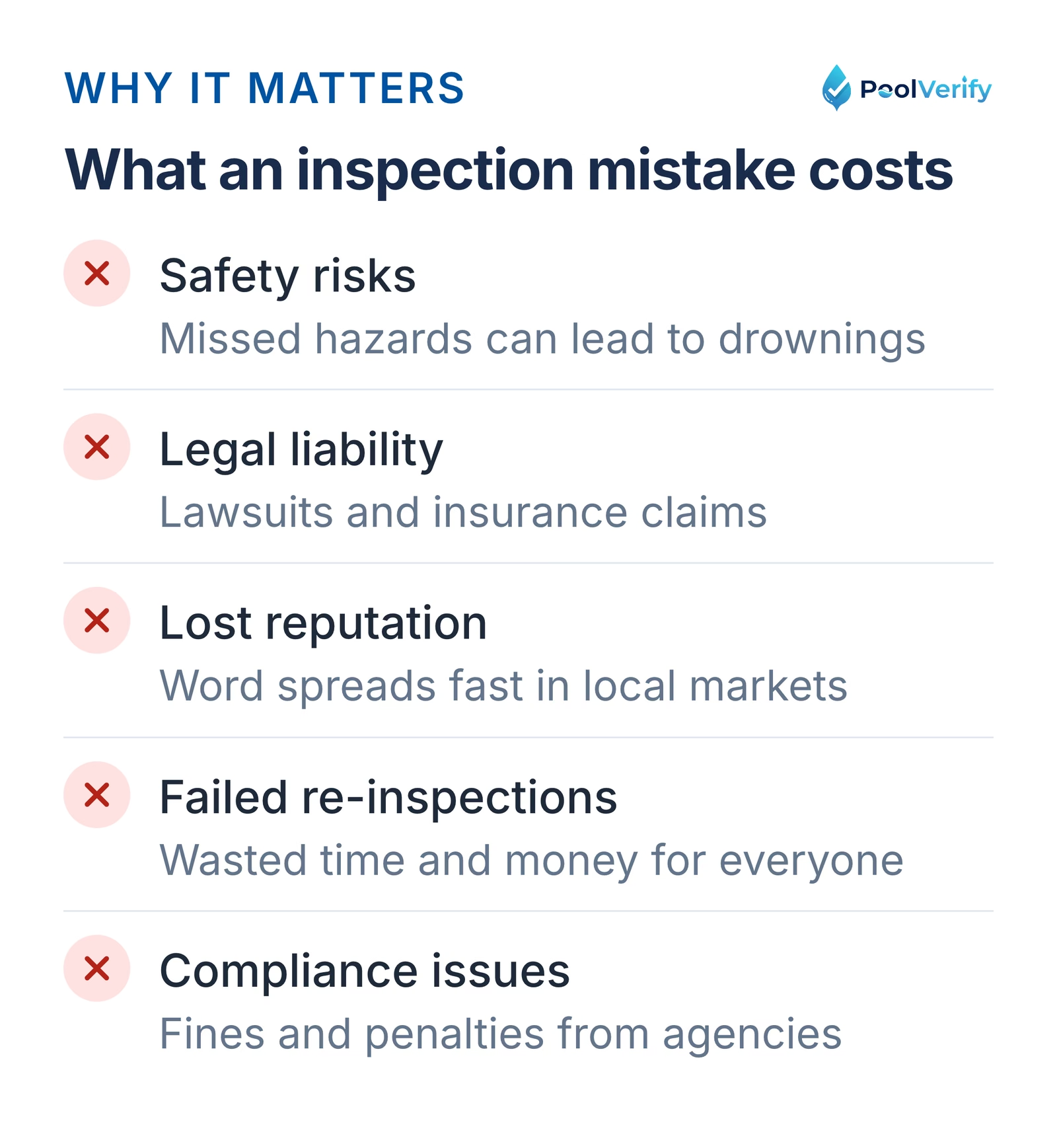
Five costs of a pool inspection mistake: safety risks, liability, lost reputation, failed re-inspections, compliance fines.
Pool inspection mistakes aren't just embarrassing, they can be dangerous and costly:
Safety risks: Missed hazards can lead to drownings or injuries
Legal liability: Errors can result in lawsuits and insurance claims
Lost reputation: Word spreads fast in local markets
Failed re-inspections: Wasted time and money for everyone
Compliance issues: Fines and penalties from regulatory agencies
Let's dive into the top 10 mistakes and how to prevent them.
Mistake 1: Skipping the Safety Barrier Inspection
The Problem: Many inspectors do a quick visual scan of the pool fence rather than a thorough assessment. They miss issues like:
Height variations along the fence line
Gate latches that don't self-close properly
Climbable objects near the barrier
Gaps that exceed allowable limits
The Impact: Pool barriers are the primary protection against unsupervised access, especially for young children. California requires a minimum 60-inch fence height with specific gap requirements.
The Solution:
Walk the entire perimeter, measuring height at multiple points
Test every gate for self-closing and self-latching function
Check for objects within 36 inches that could be used for climbing
Measure gaps at the widest points
Document with photos showing measurements
Real Example: An inspector in San Diego missed that a fence dipped to 54 inches at a sloped section. A toddler later accessed the pool through that area. The resulting lawsuit cost the inspector's insurance company over $200,000.
Mistake 2: Not Checking Drain Covers Properly
The Problem: Drain cover inspection is often superficial, a quick glance to confirm something is covering the drain. Inspectors fail to:
Verify ASTM F1346 compliance markings
Check for cracks, damage, or wear
Confirm secure attachment (no loose screws)
Verify the cover matches the drain size
The Impact: Drain entrapment is one of the most dangerous pool hazards. The Virginia Graeme Baker Pool and Spa Safety Act exists specifically because of fatal drain entrapment incidents.
The Solution: Create a specific drain checklist:
Locate ALL drains (main drains, skimmers, spa drains)
Look for ASTM F1346 stamp or label
Check manufacture date (some covers have expiration)
Test for secure attachment
Inspect for cracks or damage
Verify proper sizing
Document each drain with close-up photos
Mistake 3: Ignoring Secondary Water Features
The Problem: Inspectors focus on the main pool and forget about:
Attached spas and hot tubs
Water features (fountains, waterfalls)
Wading pools
Splash pads
Ornamental ponds near the pool
The Impact: Each water feature has its own safety requirements. A spa with a missing drain cover is just as dangerous as the main pool.
The Solution:
Document every water feature on the property
Apply the same inspection standards to each one
Note water features on your initial walkthrough
Create separate sections in your report for each feature
Mistake 4: Poor Photo Documentation
The Problem: Common photo documentation failures include:
Blurry or poorly lit images
No context (can't tell what you're looking at)
Missing key areas
No photos of compliant features
Inconsistent naming or organization
The Impact: Photos are your evidence. Poor documentation leaves you vulnerable in disputes and makes reports less valuable to clients.
The Solution: Follow the 4 Cs of inspection photography:
Clear: Sharp focus, good lighting
Contextual: Show location and surroundings
Complete: Cover all inspection areas
Captioned: Label or annotate each photo
Photo checklist minimum:
Overall pool views (4 angles)
All gates and latches
All drain covers (close-up and in-context)
Equipment pad overview and close-ups
All safety features
Any deficiencies with measurements
Mistake 5: Using Outdated Compliance Standards
The Problem: Pool safety codes update regularly. Inspectors using old standards may:
Apply incorrect height requirements
Miss new safety features that are now required
Use outdated drain cover specifications
Reference repealed regulations
The Impact: Incorrect compliance determinations can expose you to liability and result in failed reinspections.
The Solution:
Subscribe to code update notifications from your state
Review ASTM standards annually
Attend continuing education courses
Update your templates when codes change
Keep dated reference materials for when properties were built
Key standards to track:
ASTM F1346 (Safety covers and drain covers)
ASTM F1908 (Fencing)
Virginia Graeme Baker Act (Federal)
State-specific codes (CA SB 442, etc.)
Mistake 6: Rushing Through Equipment Checks
The Problem: Inspectors often give equipment a cursory look without:
Running all systems to verify operation
Recording manufacturer and model information
Checking for leaks under pressure
Listening for unusual sounds
Testing safety shutoffs
The Impact: Equipment issues can affect pool safety and lead to expensive surprises for buyers and homeowners.
The Solution: Allocate proper time for equipment inspection:
Start systems at the beginning of your visit
Listen and observe while inspecting other areas
Return for detailed assessment after systems have been running
Document all equipment with serial numbers visible
Test safety features like GFCI outlets and bonding
Mistake 7: Not Testing Water Quality
The Problem: Many inspectors skip water testing or use inaccurate test methods because:
They view it as outside their scope
They don't have proper equipment
They're trying to save time
They assume water quality isn't a safety issue
The Impact: Poor water chemistry is a health hazard and can indicate equipment problems. Clients expect water testing as part of a complete inspection.
The Solution: Include basic water testing in every inspection:
Test
Why It Matters
pH
Affects sanitizer effectiveness and swimmer comfort
Free Chlorine
Indicates sanitation level
Combined Chlorine
Reveals contamination issues
Total Alkalinity
Affects pH stability
Invest in quality test strips or a digital tester for consistent results.
Mistake 8: Missing Gate and Alarm Functions
The Problem: Inspectors check that gates and alarms exist but don't verify they function properly:
Gates that don't self-close from all positions
Latches that don't engage consistently
Alarms with dead batteries
Door alarms that have been disabled
Alarms that don't meet decibel requirements
The Impact: Non-functional safety devices provide false confidence and zero protection.
The Solution: Test every function multiple times:
Gates:
Open fully and release, must self-close
Open partially and release, must self-close
Verify latch engages automatically
Check from both sides
Alarms:
Test activation (trigger the sensor)
Verify audible alarm sounds
Check volume meets requirements (50+ decibels)
Confirm reset function works
Check battery status
Mistake 9: Incomplete Report Documentation
The Problem: Reports that are technically complete but practically useless:
Missing client information
Vague descriptions without specifics
No photos to support findings
Recommendations without priorities
Missing inspector certification
The Impact: Incomplete reports frustrate clients, invite questions, and provide poor legal protection.
The Solution: Use a comprehensive report template that forces completeness:
Required sections:
Property identification
Client information
Inspection scope and limitations
Pool specifications
Safety feature assessment (with photos)
Equipment evaluation (with photos)
Water quality results
Findings summary
Prioritized recommendations
Inspector certification and signature
Mistake 10: Failing to Explain Findings to Clients
The Problem: Inspectors hand off reports without explanation:
Technical jargon clients don't understand
No verbal walkthrough of key findings
Not answering questions
Missing opportunity to build relationships
The Impact: Confused clients call back repeatedly. Worse, they may ignore important safety issues they don't understand.
The Solution: Schedule 10-15 minutes at the end of each inspection to:
Walk through major findings in person
Explain what's compliant and what needs attention
Prioritize recommendations verbally
Answer questions
Provide your contact information for follow-up
This simple step dramatically improves client satisfaction and referrals.
How to Prevent These Mistakes
Implement these systems to catch errors before they become problems:
1. Use a Digital Inspection Platform
Software like PoolVerify guides you through each inspection step, ensuring nothing is missed. Checklists, photo prompts, and automated calculations eliminate common errors.
2. Develop a Systematic Approach
Follow the same inspection sequence every time:
Perimeter and barriers
Deck and surrounding area
Pool surface and structure
Safety features
Equipment
Water features
Water testing
Documentation review
3. Create Pre-Inspection and Post-Inspection Checklists
Pre-inspection: Equipment check, template loaded, camera charged
Post-inspection: All photos uploaded, all fields complete, signature obtained
4. Schedule Adequate Time
Don't book back-to-back inspections. Allow:
45-60 minutes for residential pools
90+ minutes for commercial or complex properties
15 minutes buffer between appointments
5. Continue Your Education
Stay sharp with:
Annual certification renewal courses
Industry conferences and workshops
Online training and webinars
Peer networking and knowledge sharing
Ready to eliminate inspection mistakes? PoolVerify's guided inspection platform walks you through every step, prompts for required photos, and ensures compliant reports every time.
This guide is general information about pool safety law, not legal advice; the current text of HSC §115922 and BPC §7195 on leginfo.legislature.ca.gov controls, and local building departments add their own requirements. PoolVerify is inspection software for California residential pool safety inspections; it does not perform inspections, certify inspectors, or issue compliance certificates.
Last updated: September 9, 2026
What the client receives
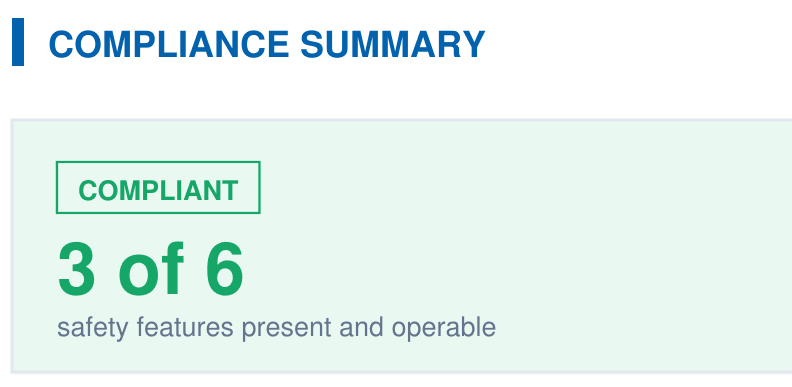
A branded PDF with the compliance summary, the feature table, each finding with its photos, and the signature, generated on‑site when the BPC §7195 and HSC §115922 checklist is complete.
The most common pool inspection mistake is inadequate drain cover inspection. Many inspectors only visually check drain covers without verifying they are ASTM F1346 compliant, properly secured, and not cracked or damaged. This oversight can lead to serious entrapment hazards.
Can a pool fail inspection for minor issues?
Yes, a pool can fail inspection for seemingly minor issues if they relate to safety compliance. For example, a gate latch that is 1 inch too low, a fence gap that is 4.5 inches instead of under 4 inches, or a missing depth marker can all result in non-compliance status.
How can I reduce inspection mistakes?
Use a systematic approach with comprehensive checklists, take abundant photos, use digital inspection software that guides you through each step, stay current with code updates, and take your time, rushing is the primary cause of missed items.
What happens if an inspector misses a safety hazard?
If an inspector misses a safety hazard and someone is injured, the inspector may face liability claims, loss of certification, professional reputation damage, and potential legal action. This is why thorough documentation and systematic inspection procedures are critical.
How does inspection software prevent these mistakes?
A checklist that lists the seven HSC §115922(a) features with a required result and a photo on each item makes it hard to skip one, and the PDF report is generated from the recorded answers instead of retyped notes.