Whether you're preparing for an inspection or simply curious about what professionals look for, understanding the pool inspection process helps you maintain a safe, compliant pool.
This guide walks through every element a pool inspector examines, why each matters, and how to prepare.
Pool Inspection Overview
Professional pool inspections cover multiple categories:
Category
Focus Areas
Safety Features
Barriers, gates, drains, alarms
Structure
Shell, coping, tile, decking
Equipment
Pump, filter, heater, automation
Water Quality
Chemistry, clarity, sanitation
Electrical
GFCI, bonding, lighting
Surroundings
Deck, fencing, access
Inspection duration: 45-90 minutes depending on complexity
What you receive: Written report with findings, photos, and compliance status
Safety Features Inspection
Safety features are the highest priority items in any pool inspection.
Barrier Assessment
Inspectors verify pool barriers meet requirements:
Fencing:
Height minimum (60 inches in California)
Gap compliance (under 4 inches)
Structural integrity
No climbable features nearby
Gates:
Self-closing function from any position
Self-latching mechanism engagement
Latch height (60 inches or more)
Proper swing direction (away from pool)
Drain Safety
Critical for preventing entrapment:
Check Point
What Inspectors Verify
Main drains
ASTM F1346 compliance
Drain covers
Secure attachment, no damage
Multiple drains
Dual drain systems
SVRS
Safety vacuum release (if applicable)
Skimmers
Proper covers and weirs
Alarm Systems
If alarms are present or required:
Alarm Type
Inspection Points
Pool surface
Activation, volume, reset
Door alarms
Function, deactivation height
Gate alarms
Trigger, audibility
Window alarms
Operation, coverage
Pool Structure Assessment
Structural inspection identifies current condition and potential problems:
Shell Inspection
Element
What Inspectors Look For
Surface
Cracks, stains, roughness
Plaster/finish
Deterioration, delamination
Tile line
Missing, loose, or cracked tiles
Coping
Damage, separation, movement
Expansion joints
Condition, proper sealing
Water Line
Calcium deposits
Staining patterns
Algae growth
Surface deterioration
In-Pool Features
Feature
Inspection Points
Steps/ladders
Secure mounting, condition
Handrails
Stability, corrosion
Lights
Sealed, functional, safe voltage
Diving boards
Mounting, surface, compliance
Water features
Operation, safety
Equipment & Systems Check
Pool equipment inspection verifies operational status:
Pump Assessment
Component
What's Checked
Motor
Sound, vibration, heat
Impeller
Flow rate, debris
Seals
Leaks, wear
Basket
Condition, cleanliness
Mounting
Secure, level
Filter System
Filter Type
Inspection Points
Sand
Pressure, laterals, bed condition
Cartridge
Element condition, pressure
DE
Grids, pressure, manifold
All types
Multiport valve, gauges, backwash
Heater (if present)
Component
What's Verified
Gas heater
Ignition, flame, venting, leaks
Heat pump
Compressor, refrigerant, airflow
Solar
Panels, valves, controller
All types
Safety controls, thermostat
Automation & Controls
Timer function
Controller operation
Valve actuators
Remote systems
Water Quality Testing
Basic water testing is standard in comprehensive inspections:
Chemical Parameters
Test
Ideal Range
Why It Matters
pH
7.2 to 7.8
Sanitizer effectiveness
Free chlorine
1 to 3 ppm
Disinfection level
Combined chlorine
< 0.5 ppm
Indicates contamination
Alkalinity
80 to 120 ppm
pH stability
Calcium hardness
200 to 400 ppm
Surface protection
Cyanuric acid
30 to 50 ppm
Chlorine protection
Visual Assessment
Water clarity (drain visibility)
Color (should be clear blue)
Surface debris
Algae presence
Deck & Surroundings
The pool area beyond the water is also evaluated:
Deck Condition
Element
Inspection Points
Surface
Cracks, heaving, trip hazards
Texture
Slip resistance
Drainage
Proper slope, no ponding
Coping interface
Separation, movement
Safety Elements
Item
What's Checked
Depth markers
Present, visible, accurate
No diving signs
Posted at shallow areas
Safety equipment
Ring buoy, reaching pole
CPR signage
Posted, current
Access & Surroundings
Pathways clear
Landscaping trimmed
Furniture secured
Lighting adequate
Electrical Safety
Electrical inspection is critical for safety:
GFCI Protection
Location
Requirement
Pool equipment
All outlets GFCI
Outdoor outlets
Within 20 feet of pool
Underwater lights
GFCI protected circuit
Testing method: Inspector presses test button, verifies trip and reset
Bonding Verification
All metal components must be bonded:
Equipment
Ladders and rails
Light fixtures
Reinforcing steel
Lighting Safety
Item
What's Verified
Pool lights
Proper voltage, sealed
Deck lights
Safe distance, GFCI
Equipment area
Adequate lighting
What Inspectors Document
Professional inspectors create detailed records:
Written Report Contents
Property identification
Address, date, client info
Inspection scope
What was and wasn't inspected
Limitations noted
Findings by category
Compliant items
Non-compliant items
Areas of concern
Photo documentation
Overview images
Detail shots of issues
Equipment labels/data
Recommendations
Required repairs
Suggested improvements
Priority levels
Compliance status
Overall determination
Specific code references
Documentation Standards
Clear, objective language
Specific measurements
Code references where applicable
Dated and signed
How to Prepare for Inspection
Help your inspection go smoothly:
Before the Inspector Arrives
Access:
Unlock gates
Clear paths to equipment
Provide keys if needed
Ensure power is on
Pool area:
Remove covers
Clear debris
Have water level normal
Empty skimmer baskets
Equipment:
Turn system on 30 minutes before
Make sure everything is running
Have manuals available
Note any known issues
Documentation:
Previous inspection reports
Permit records
Equipment warranties
Recent repairs
During the Inspection
Be available for questions
Point out known issues
Don't operate equipment for inspector
Take notes on findings
After the Inspection
Review report thoroughly
Ask questions about findings
Get repair estimates if needed
Schedule re-inspection if required
Understanding Your Inspection Results
Inspection reports typically categorize findings as:
Category
Meaning
Action Required
Compliant
Meets requirements
None
Non-compliant
Doesn't meet code
Repair required
Concern
Not code but noteworthy
Monitor/consider repair
Recommendation
Suggested improvement
Optional
Preparing for a pool inspection? PoolVerify's digital platform guides inspectors through every checkpoint, ensuring nothing is missed and you receive a comprehensive, professional report.
Knowing what inspectors look for helps you maintain a safe pool year-round, not just when inspection time comes.
Limitations
This guide is general information, not legal or professional advice, and prices and features of third-party products change; verify them on the vendor's site before deciding. PoolVerify is inspection software for California residential pool safety inspections; it does not perform inspections, certify inspectors, or issue compliance certificates.
Run this checklist on your next inspection
PoolVerify puts the HSC §115922(a) safety features on an on-site checklist with a photo on each item, collects the signature on screen, and generates the branded PDF report before you leave. Start your 14-day free trial, no credit card to start, or see pricing.
Last updated: September 9, 2026
What the client receives
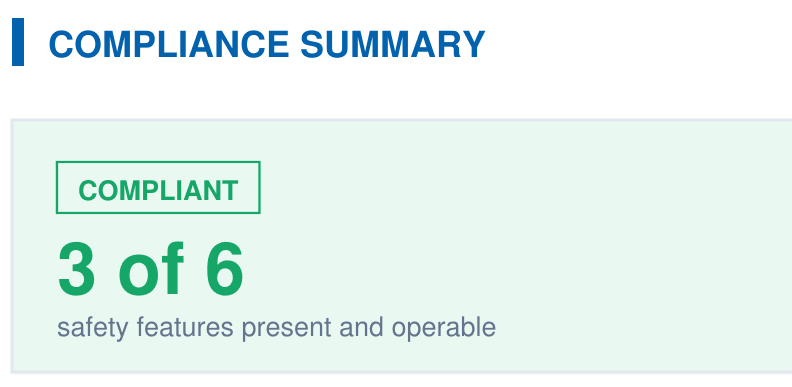
A branded PDF with the compliance summary, the feature table, each finding with its photos, and the signature, generated on‑site when the BPC §7195 and HSC §115922 checklist is complete.
Pool inspectors check safety barriers and fencing, gate functionality, drain covers, alarm systems, pump and filter equipment, water quality, structural condition, electrical safety (GFCI), deck condition, and required signage. The specific items depend on inspection type and local requirements.
How long does a pool inspection take?
A thorough residential pool inspection takes 45-90 minutes. Simple pools without spas or additional features take 45-60 minutes, while complex pools with multiple water features, spas, or commercial-grade equipment may take 90 minutes or longer.
Do pool inspectors go in the water?
Pool inspectors typically do not enter the water. They assess visible components from the deck, use long-handled tools to check drains, and may use underwater cameras for detailed structure inspection. Water quality is tested using samples taken from the pool surface.
Can a pool fail inspection?
Yes, pools can fail inspection if they don't meet safety requirements. Common failure reasons include non-compliant drain covers, fence height violations, non-functional gates or alarms, missing safety equipment, or structural issues. Most issues can be corrected and re-inspected.
Does the inspector test the gate?
Yes. The inspector opens the gate partway and releases it: it must close and latch on its own, and the latch must sit at least 60 inches above the ground, as HSC §115923(a) requires for an enclosure gate.