How Technology Is Changing Pool Inspections in California
See how mobile apps, cloud storage, digital signatures, and AI are transforming California pool inspections. From paper forms to instant PDF reports in 2026.
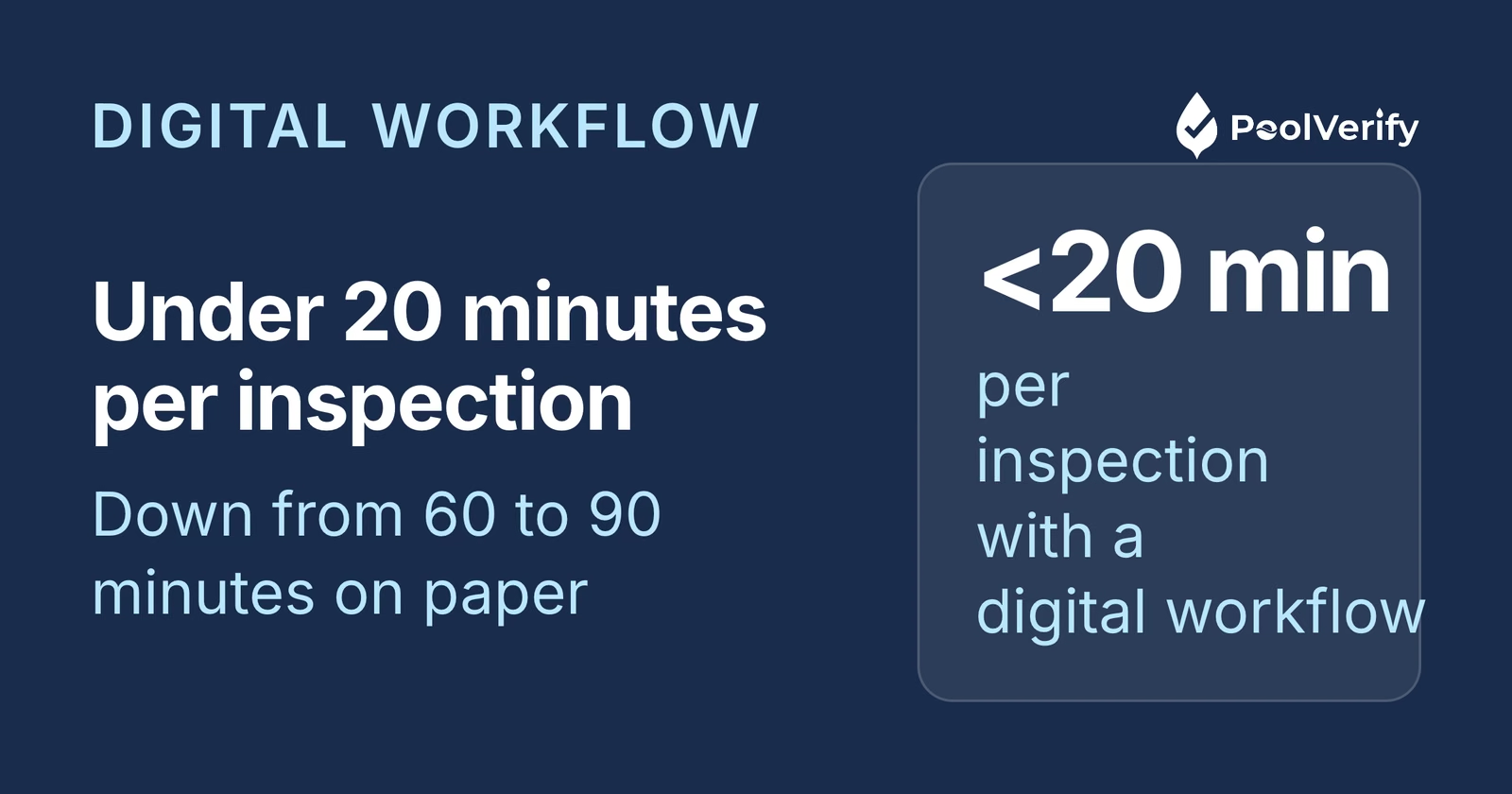
Technology is changing California pool safety inspections through four major shifts, mobile inspection apps, cloud-based record storage, ESIGN Act-compliant digital signatures, and instant PDF report generation: reducing per-inspection time from 60 to 90 minutes to under 20 minutes while improving documentation accuracy and compliance with BPC §7195 requirements. Platforms like PoolVerify combine all four technologies into a single inspection workflow built exclusively for California pool safety.
Pool safety inspections in California used to mean paper clipboards, handwritten notes, separate cameras, and hours of office work typing reports. That workflow hasn't fundamentally changed in decades, until now. The same mobile, cloud, and automation technologies transforming field service industries globally are finally reaching pool safety inspections.
According to field service industry research, 93% of service organizations have implemented AI in some form, and mobile apps are replacing paper checklists for daily inspections and safety logs across industries (Brocoders, 2026). For California's pool inspection market, serving approximately 1.34 million residential swimming pools (California Energy Commission), these technologies address the core challenges: compliance documentation complexity, high inspection volume, and the critical accuracy needed when an average of 357 children under age 15 fatally drown in pool- or spa-related incidents each year (Consumer Product Safety Commission, 2025).
This guide covers the five technologies transforming California pool inspections, what they mean for inspectors and property owners, and where the industry is heading next.
5 technologies transforming pool inspections
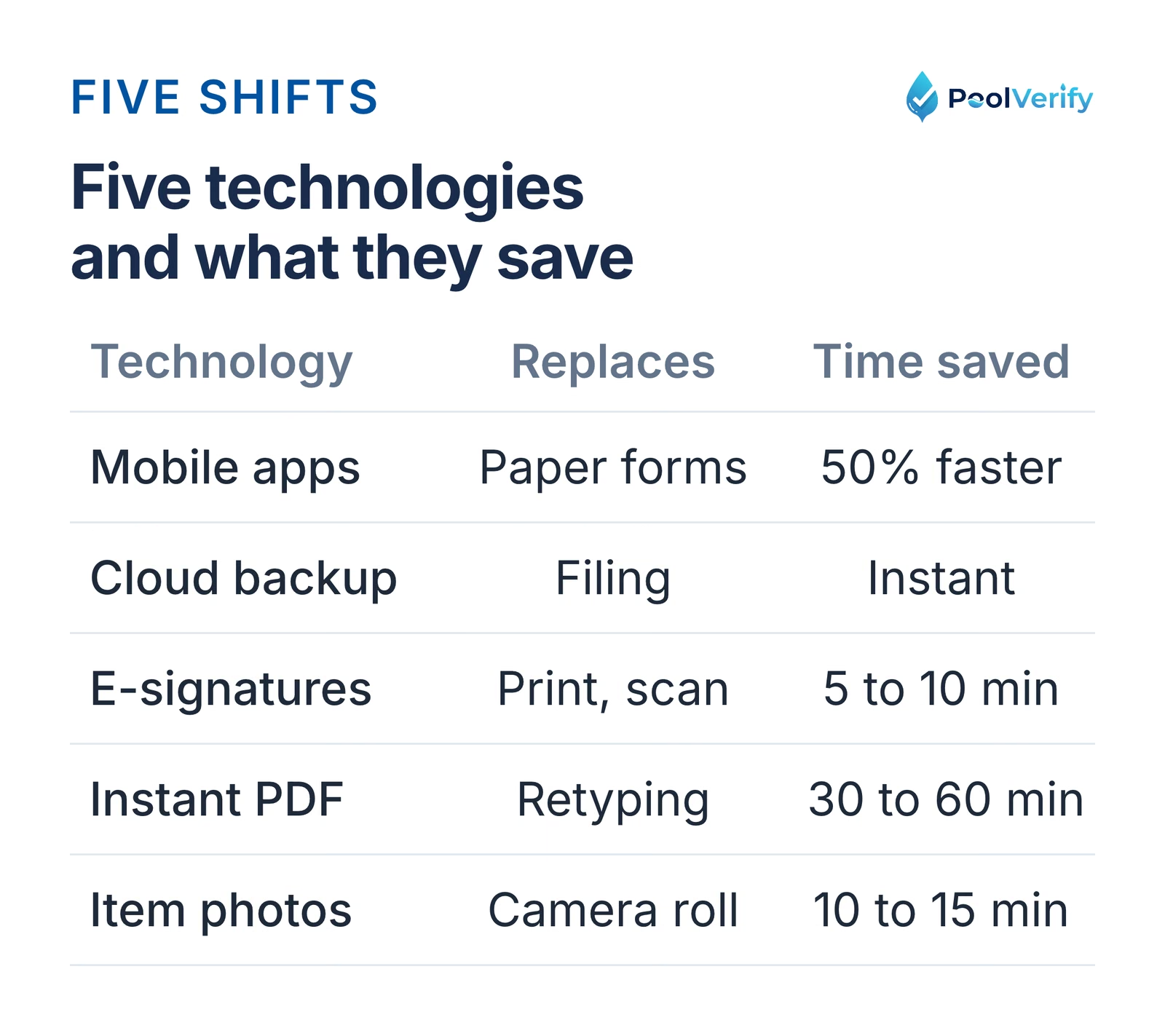
Five core technologies are driving the transformation of California pool safety inspections: each solving a specific pain point in the traditional paper-based workflow:
Technology
What It Replaces
Impact
Mobile inspection apps
Paper clipboards and handwritten forms
50% faster checklist completion
Cloud storage
Filing cabinets and local drives
Instant record retrieval, automatic backup
Digital signatures
Print-sign-scan cycle
5 to 10 minutes saved per inspection
Instant PDF generation
Manual report typing and formatting
30 to 60 minutes saved per inspection
Integrated photo capture
Separate camera + manual photo sorting
10 to 15 minutes saved per inspection
These aren't experimental technologies. They're proven tools already adopted across construction, healthcare, facility management, and safety inspection industries. Organizations that switch from paper to digital workflows report saving over 40 administrative hours per week (GoFormz, 2026). The pool inspection industry is catching up.
The five technologies changing pool inspections, what each replaces, and the time it saves per inspection.
1. Mobile inspection apps replace paper checklists
Mobile inspection apps let pool inspectors complete BPC §7195 compliance checklists on tablets or smartphones with tap-to-complete interfaces, pre-loaded templates, and required field validation that prevents missed safety items.
The shift from paper to mobile is the foundational change, every other technology improvement builds on it. When the inspection checklist is digital, photos can be linked automatically, reports can generate instantly, and records can sync to the cloud without manual entry.
What mobile apps change for California inspectors
Pre-loaded compliance templates: PoolVerify's BPC §7195 template includes all 20+ required safety items. No manual form creation or worrying about missing a California-specific requirement.
Required field enforcement: Mandatory compliance items can't be skipped. Paper forms allow blank fields; digital templates don't.
Tap-to-complete interface: Mark each safety item pass/fail/N/A with a single tap instead of handwriting descriptions.
Any-device access: PoolVerify works as a responsive web app on any device with a browser, tablets, phones, or desktops, with no app download required.
Saves as you go: PoolVerify needs a connection. Each answer and photo is saved to the cloud as it is entered, so a dropped connection loses only the change in flight.
According to inspection industry research, digital checklists provide standardized procedures that lead to more reliable and comparable results (Certainty Software, 2025). For California inspectors, standardization means every BPC §7195 inspection produces the same comprehensive documentation regardless of which inspector conducts it.
2. Cloud storage replaces filing cabinets
Cloud-based storage provides 256-bit encrypted, automatically backed-up, instantly searchable storage for every inspection record: solving the retrieval delays, physical damage risks, and storage costs of paper filing systems.
The traditional approach, filing completed inspection forms in physical cabinets, creates three problems that cloud storage eliminates:
Retrieval time: Finding a specific inspection from 18 months ago in a filing cabinet takes 15 to 30 minutes. Cloud search finds it in seconds by property address, date, inspector name, or compliance status.
Disaster vulnerability: Fire, water damage, or office break-ins can destroy paper records permanently. Cloud storage maintains automatic backups across redundant data centers.
Storage costs: Filing cabinets consume office space. As inspection volume grows, physical storage costs increase proportionally. Cloud storage is included in PoolVerify's subscription plans regardless of volume.
For property management companies managing pool compliance across multiple properties, cloud storage provides a centralized compliance dashboard, every property's inspection status visible at a glance, searchable by any team member with proper permissions.
Your inspection records, searchable and secure. PoolVerify stores every inspection with 256-bit encryption and instant search, find any record in seconds, not minutes. Start Your Free Trial
3. Digital signatures replace the print-sign-scan cycle
ESIGN Act-compliant digital signatures collected on a tablet or phone screen replace the time-consuming print-sign-scan process that paper-based inspections require for client and inspector verification.
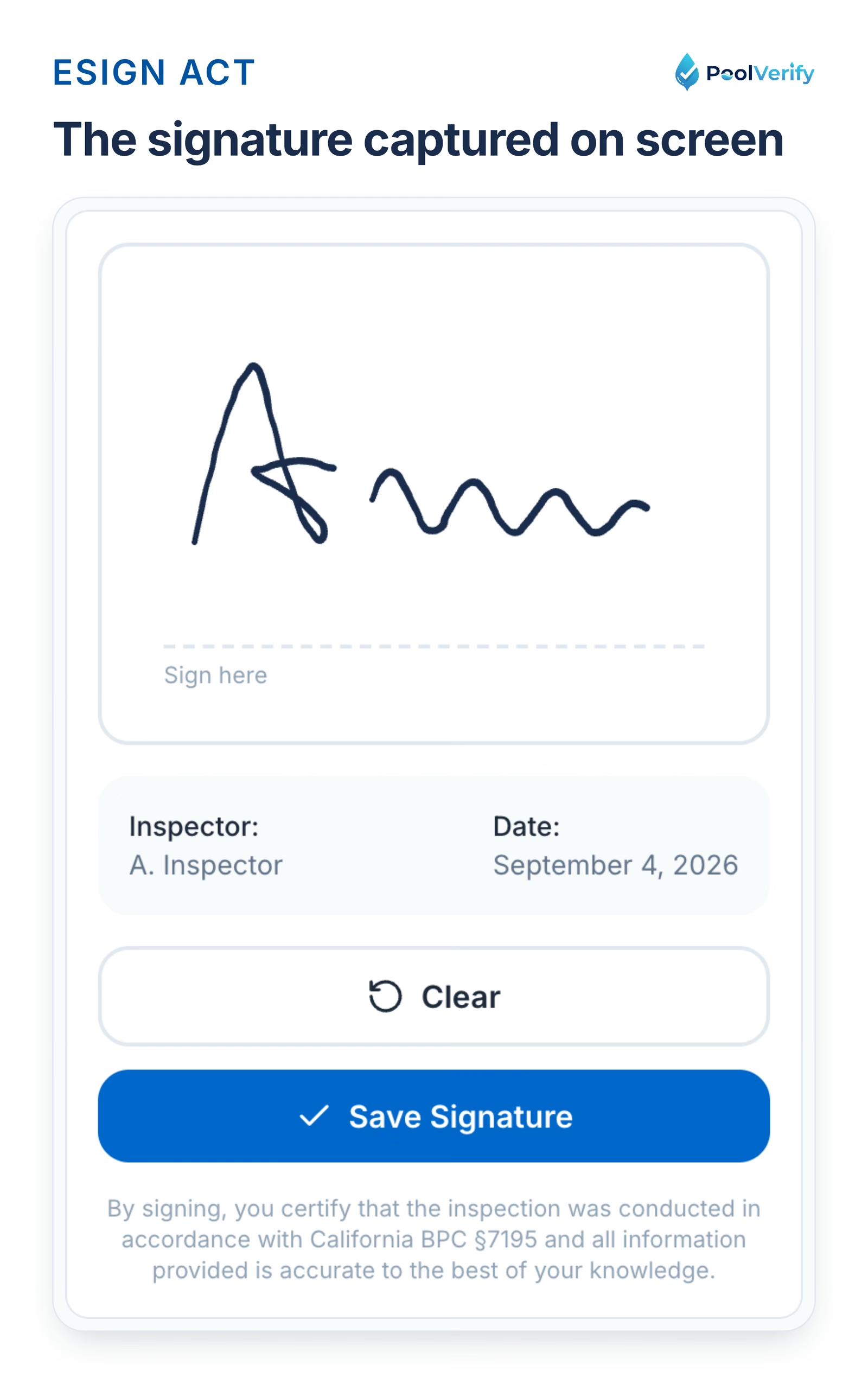
The PoolVerify signature pad with a client signature captured on the phone at the property.
The traditional signature workflow:
Complete the inspection on paper
Return to the office to type the report
Print the report
Meet the client or mail the document
Collect a wet signature
Scan the signed document
Email or file the scan
The digital signature workflow:
Hand the device to the client at the property
They sign directly on screen
Done, signature embedded in the report
California fully accepts digital signatures for pool compliance documentation. Under both the federal ESIGN Act and California's Uniform Electronic Transactions Act (UETA), digital signatures captured through platforms like PoolVerify are legally equivalent to wet signatures, with the added benefit of timestamps and tamper-resistant storage.
For real estate transactions requiring BPC §7195 compliance documentation, digital signatures eliminate the 2 to 3 day delay between inspection completion and signed report delivery. Agents receive the fully signed report before the inspector leaves the property.
4. Instant PDF reports replace manual report writing
Instant PDF generation compiles all checklist data, photos, notes, and signatures into a professional branded report in seconds: eliminating the 30 to 60 minutes of manual report writing that is the single biggest time sink in paper-based inspection workflows.
This technology has the largest time impact of any single change. Manual report writing involves:
Transcribing handwritten notes into a typed document
Transferring and sorting photos from the camera roll
Inserting photos into the correct report sections
Formatting the document for professional presentation
Adding headers, inspector credentials, and compliance statements
With PoolVerify's instant PDF reports, all of this happens automatically the moment the inspector taps "Generate Report." The output includes:
Inspector credentials and company branding
Complete BPC §7195 checklist with pass/fail/N/A for each item
All photos organized by section with timestamps and captions
Deficiency descriptions and recommended corrections
Digital signatures from inspector and client
Overall compliance summary and legal notices
According to field service industry data, the back office has been the quiet bottleneck of service businesses, reports and invoices are delayed because someone has to transcribe handwritten notes and manually create documents (FieldAx, 2026). Instant PDF generation removes this bottleneck entirely.
5. Integrated photo documentation replaces camera roll sorting
Integrated photo capture links each photo directly to its specific compliance checklist item: eliminating the 10 to 15 minutes of post-inspection photo sorting that separate camera workflows require.
Photo documentation is critical for California pool safety inspections. Inspectors need visual evidence of barrier measurements, gate mechanisms, alarm placements, drain covers, and any deficiencies. The traditional approach:
Take photos on the phone's regular camera app
Photos land in the camera roll, mixed with personal photos
After the inspection, scroll through the roll to identify inspection photos
Manually label and organize each photo
Attach photos to the correct sections of the report
With PoolVerify's integrated photo capture:
Tap the camera icon next to the checklist item
Snap the photo
Done, photo is automatically timestamped, linked to the item, and included in the report
PoolVerify supports up to 10 photos per checklist item, with automatic compression for optimal file sizes. Each photo is part of the inspection record from the moment it's captured, no sorting, labeling, or manual attachment required.
How technology improves BPC §7195 compliance accuracy
Digital inspection technology improves California BPC §7195 compliance accuracy by enforcing complete documentation of all seven approved drowning prevention safety features: something paper forms cannot guarantee.
BPC §7195 requires verification of specific safety features during property transfers:
Pool enclosure barriers: 60-inch minimum height, 4-inch maximum gap spacing
Removable mesh fencing: ASTM F2286 compliance
Approved safety pool cover: ASTM F1346 compliance
Exit alarms: On all doors/windows providing direct pool access
Self-closing, self-latching devices on home doors to the pool: Release at least 54 inches above the floor
Pool alarm: ASTM F2208 compliance
Other approved means: As determined by the enforcing authority
On a paper form, an inspector can accidentally skip any of these items. The form doesn't prevent submission with blank fields. Digital templates with required field validation make incomplete inspections impossible, PoolVerify's BPC §7195 template requires every mandatory item to be addressed before the report can be generated.
This technology-driven accuracy matters beyond convenience. Pool barrier compliance reduces drowning risk by up to 83% (CDC, 2024). When technology ensures every barrier, gate, alarm, and drain cover is documented every time, it directly supports the drowning prevention goals that BPC §7195 was designed to achieve.
What's next: emerging pool inspection technologies
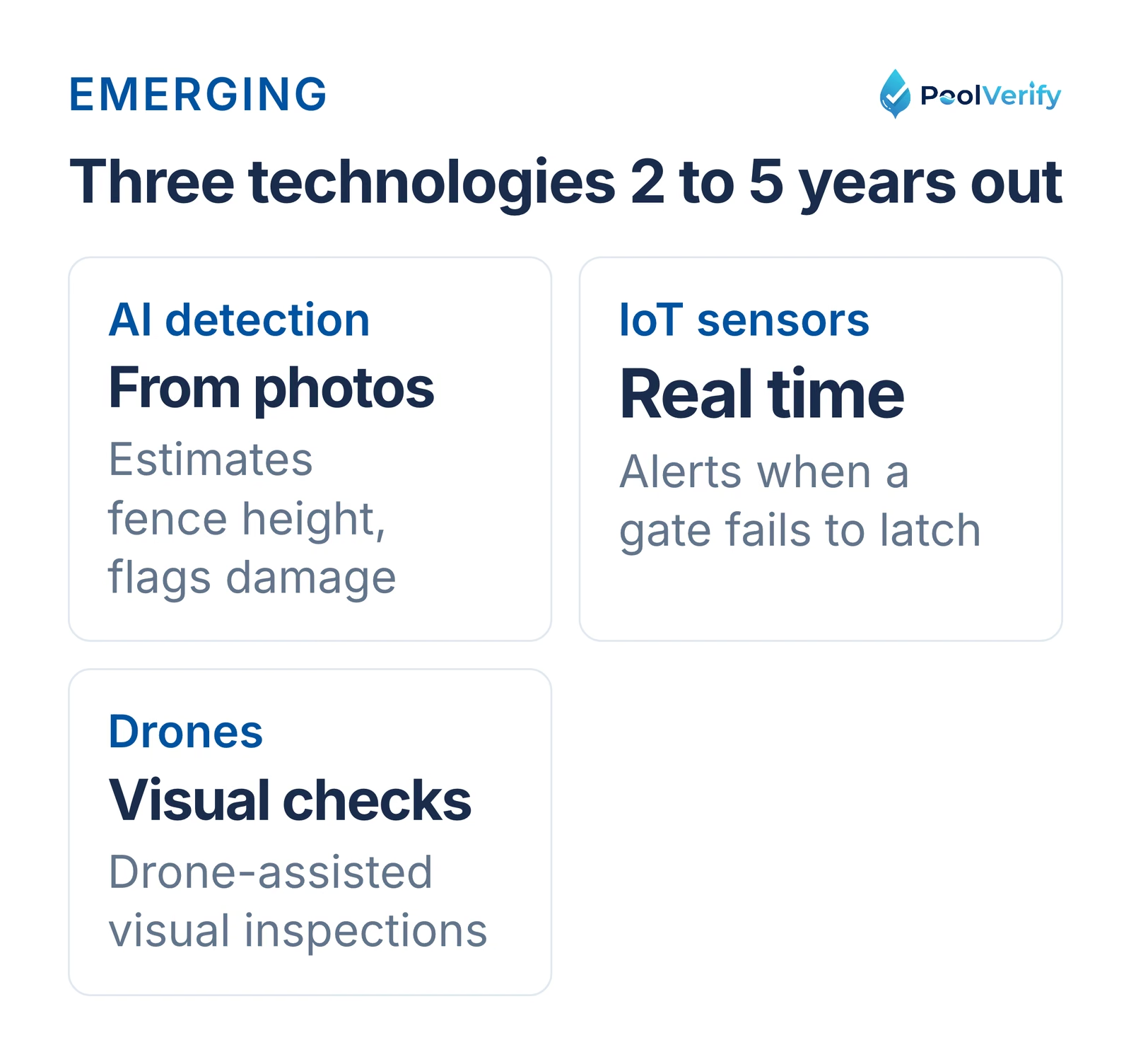
Three emerging technologies are likely to further transform pool inspections in the next 2 to 5 years: AI-assisted deficiency detection, IoT-connected pool safety monitoring, and drone-assisted visual inspections.
AI deficiency detection, IoT safety monitoring, and drone inspections, expected within 2 to 5 years.
AI-assisted deficiency detection
AI-powered computer vision is already being used in construction and infrastructure inspections to automatically detect deficiencies from photos. For pool inspections, this could mean:
Automatic barrier measurement from photos, AI estimates fence height and gap spacing from inspection images
Deficiency flagging: AI identifies potential non-compliance items (rust, damage, improper installations) before the inspector marks them
Consistency verification: AI compares current photos against prior inspection photos to detect changes
Smart cameras with computer vision algorithms can already detect abnormal movements and potential safety situations in real time (CamerEye, 2025). The same technology applied to inspection documentation could dramatically improve accuracy.
IoT-connected pool safety monitoring
IoT sensors are transforming pool water quality monitoring, connected sensors measure pH, chlorine, and temperature in real time and alert owners when levels deviate from safe ranges (Cloud Computing Awards, 2026). The same principle could apply to safety feature monitoring:
Gate sensor alerts: Notifications when a self-closing gate fails to latch properly
Alarm testing verification: Automated confirmation that pool alarms are functional
Barrier integrity monitoring: Sensors detecting fence damage or displacement
Continuous compliance monitoring
Currently, pool compliance is verified at discrete points, during property transfers, new installations, or annual inspections. Emerging technology could enable continuous compliance monitoring where IoT sensors and periodic AI-assisted photo reviews maintain real-time compliance status between formal inspections.
While these technologies are still developing for pool-specific applications, the foundation, mobile inspection platforms like PoolVerify, provides the digital infrastructure they'll plug into. Inspectors who adopt digital workflows now will be positioned to integrate these advances as they mature.
Limitations
This guide is general information about pool safety law, not legal advice; the current text of HSC §115922 and BPC §7195 on leginfo.legislature.ca.gov controls, and local building departments add their own requirements. PoolVerify is inspection software for California residential pool safety inspections; it does not perform inspections, certify inspectors, or issue compliance certificates.
Frequently asked questions
Do I need expensive technology to modernize pool inspections?
No, a tablet or smartphone and a software subscription are all you need. PoolVerify works as a responsive web app on any device with a browser, starting at $49/month. There's no special hardware, no app download, and no expensive equipment required. Most inspectors use a standard 10-inch tablet and their existing smartphone. The technology investment pays for itself within the first few inspections through time savings alone.
Will technology replace pool inspectors?
No, technology replaces the administrative work around inspections, not the inspections themselves. Pool safety inspections require on-site visual and physical assessment by a qualified professional. Technology eliminates the paperwork, photo sorting, report typing, and filing that consume hours of each inspector's day. The inspector's expertise in identifying safety issues, making judgment calls, and providing compliance recommendations remains irreplaceable.
Is digital pool inspection technology accepted by California authorities?
Yes, California fully accepts digital inspection documentation, PDF reports, and electronic signatures for BPC §7195 compliance. Digital records with ESIGN Act-compliant signatures are legally equivalent to paper records under both California's UETA and federal law. PoolVerify's reports include all required compliance fields, timestamped photo documentation, and legally binding digital signatures.
How quickly can I transition from paper to digital inspections?
There is nothing to install: after signing up in the browser, the California checklist is ready for the first inspection.PoolVerify's 14-day free trial gives you the full limits of the plan you choose with pre-loaded BPC §7195 templates. The interface is designed for field use with large tap targets and intuitive navigation. If you can use a smartphone camera and tap checkboxes, you can use PoolVerify. No training sessions or onboarding calls required.
What happens to my data if I switch inspection technology platforms?
Your inspection records belong to you. PoolVerify stores all inspection data with 256-bit encryption in secure cloud infrastructure. Reports are generated as standard PDF files that you can download and store independently at any time. Your data isn't locked into the platform, every report, photo, and inspection record can be exported and archived outside the system.
The inspection industry is going digital, don't get left behind
The shift from paper to digital pool inspections isn't a trend, it's a transition. The same technologies that transformed how every other field service industry operates are now available for pool safety inspections. Mobile apps, cloud storage, digital signatures, and instant reporting aren't competitive advantages anymore, they're becoming the baseline expectation from clients, real estate agents, and property managers.
For California pool inspectors, the question isn't whether to adopt digital inspection technology, it's how soon. Every inspection completed on paper is time lost to manual report writing, photo sorting, and filing that digital tools eliminate entirely. And every paper record is a compliance document that could be lost, damaged, or unfindable when you need it most.
PoolVerify is the only inspection technology platform built exclusively for California pool safety, pre-loaded BPC §7195 templates, integrated photo documentation, instant PDF reports, and ESIGN Act-compliant digital signatures.
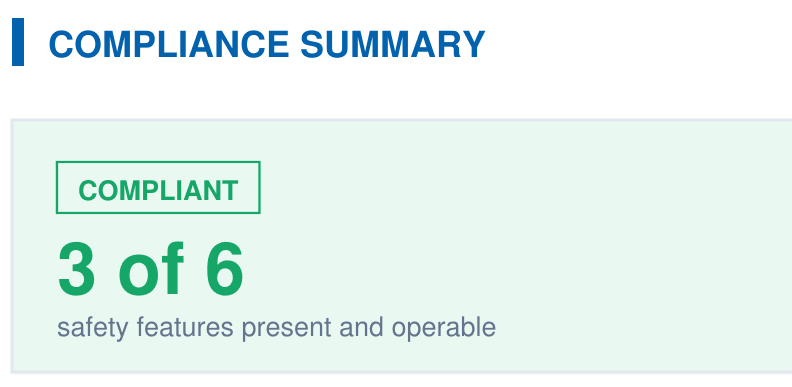
A branded PDF with the compliance summary, the feature table, each finding with its photos, and the signature, generated on‑site when the BPC §7195 and HSC §115922 checklist is complete.