VGB Compliant Drain Covers: Requirements and Certification
Complete guide to pool drain cover requirements under the VGB Act and California law. Learn about ANSI/APSP-16 standards, SVRS systems, and inspection compliance.
Pool drain cover requirements exist because of a tragic reality: suction entrapment can trap swimmers underwater within seconds. The Virginia Graeme Baker Pool and Spa Safety Act, named after a 7-year-old who died from drain entrapment in 2002, now mandates specific safety standards for all public pools and spas, with California adding additional requirements for residential pools.
This comprehensive guide covers everything pool inspectors, property owners, and pool professionals need to know about drain cover compliance in 2026.
What is the Virginia Graeme Baker Act?
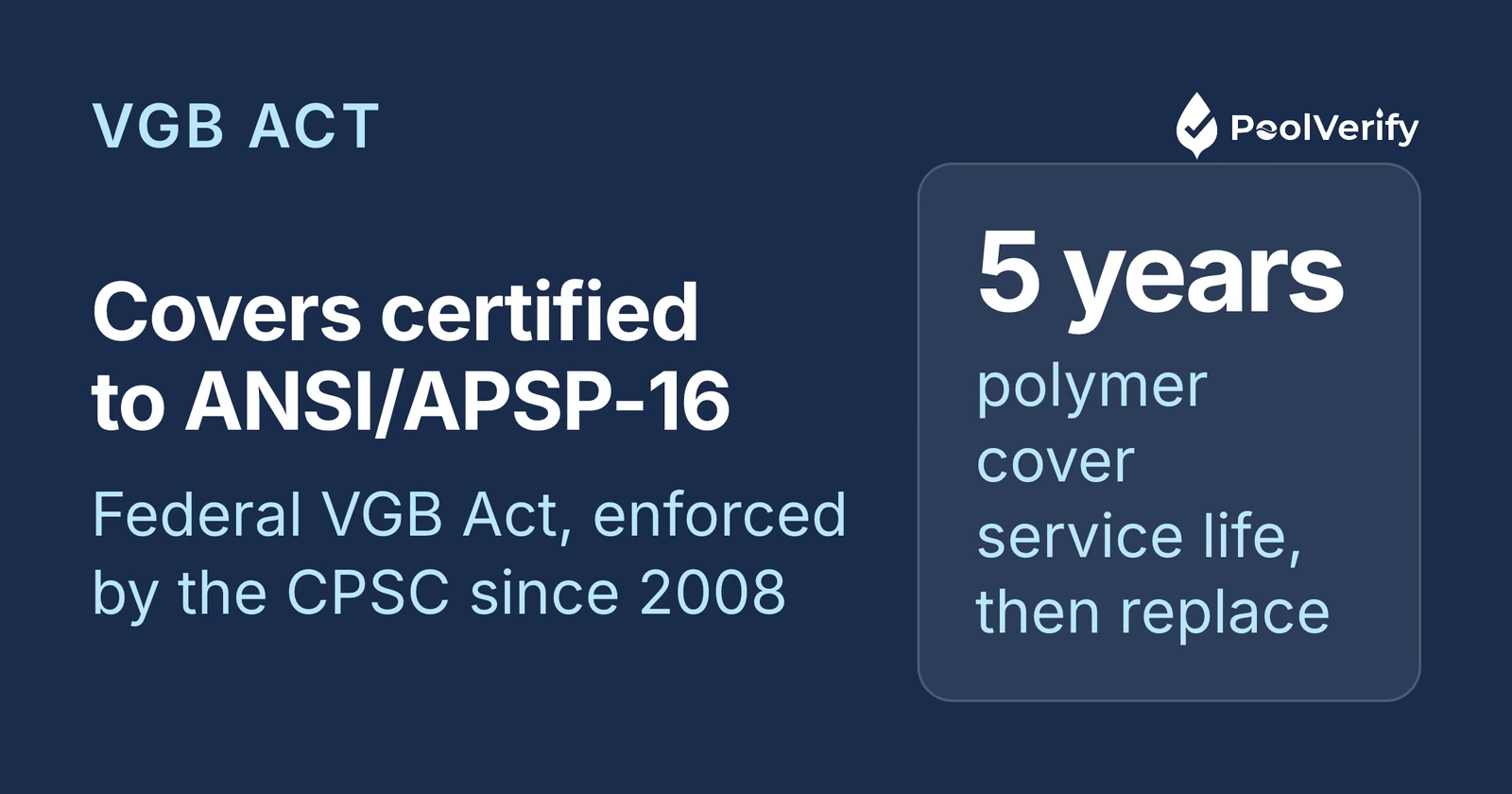
The Virginia Graeme Baker Pool and Spa Safety Act (VGB Act or P&SS Act) is a federal law that became effective on December 19, 2008. It's enforced by the U.S. Consumer Product Safety Commission (CPSC) and establishes mandatory safety standards for pool and spa drain covers.
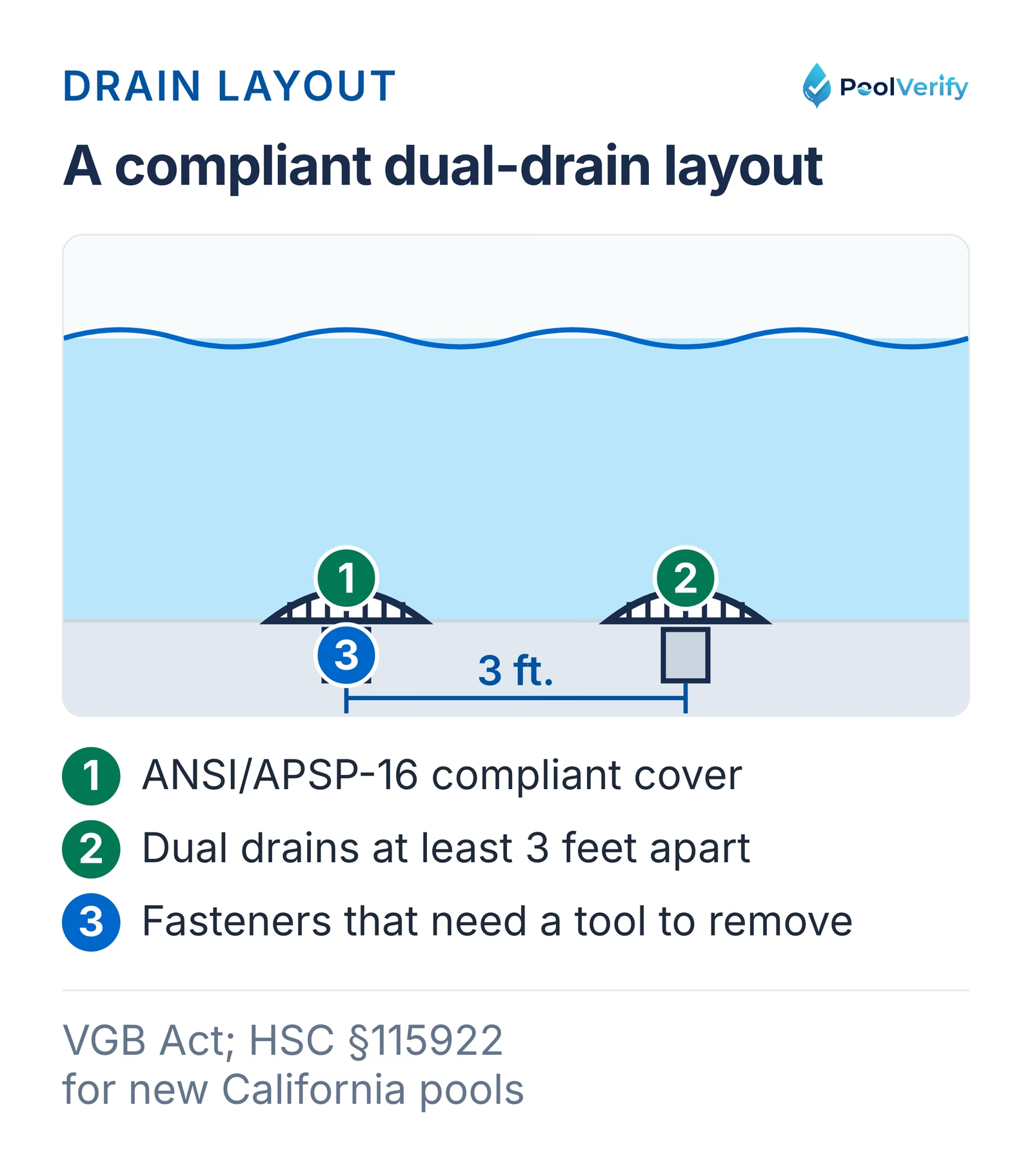
A compliant dual-drain layout: ANSI/APSP-16 covers at least 3 feet apart with tool-only fasteners
Key VGB Act requirements
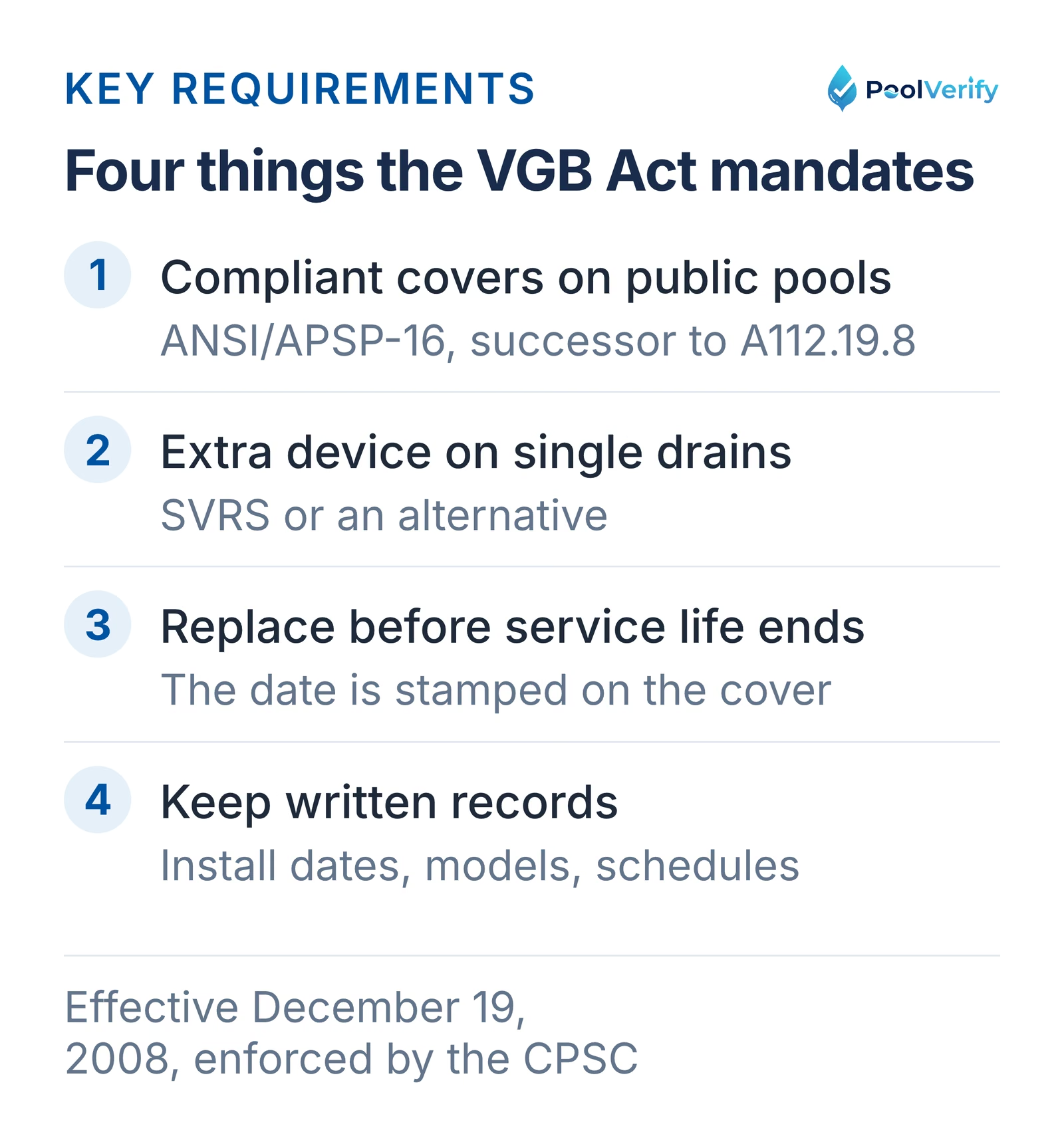
The four things the federal VGB Act mandates for pool and spa drains
The law mandates that:
All public pools and spas must use drain covers compliant with ANSI/APSP-16 (the successor standard to ASME/ANSI A112.19.8)
Single main drain pools must have additional anti-entrapment devices
Drain covers must be replaced before their marked service life expires
Written records of installation dates, models, and replacement schedules must be maintained
Who must comply?
The VGB Act applies to:
Public swimming pools
Hotel and resort pools
Apartment and condo community pools
Gym and fitness center pools
Water parks
Public spas and hot tubs
Any commercially operated aquatic facility
Important: While the federal VGB Act focuses on public facilities, California's HSC §115928 applies the two-outlet and ANSI/APSP-16 grate rules to every new residential pool and spa at permit.
Understanding suction entrapment hazards
Suction entrapment occurs when a swimmer's body, hair, limbs, or clothing becomes trapped against a pool drain due to the pump's suction force. This can happen in seconds and can be fatal.
Since the VGB Act took effect in 2008, there have been no reported child fatalities from suction entrapment on drain covers at public pools or spas
Between 2014-2018, only 9 serious injuries and 2 deaths from suction-related incidents were reported (all ages)
All 11 victims during that period were under age 15
The dramatic reduction in entrapment incidents demonstrates the effectiveness of compliant drain covers and secondary safety systems.
VGB compliant drain cover standards
ANSI/APSP-16 standard
The current federal standard for pool drain covers is ANSI/APSP-16 (American National Standard for Suction Fittings for Use in Swimming Pools, Wading Pools, Spas, and Hot Tubs). This standard replaced the earlier ASME/ANSI A112.19.8 standard.
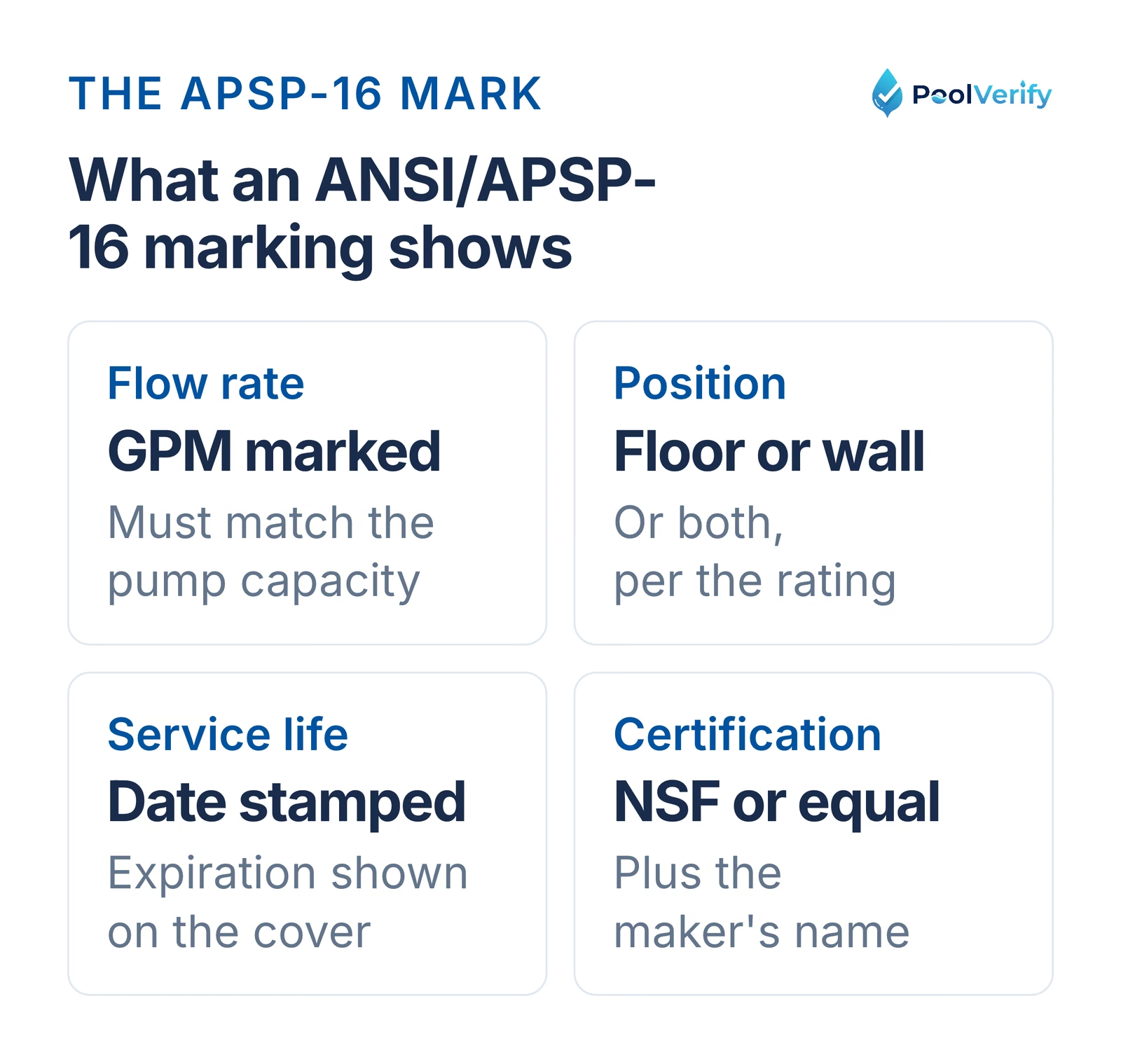
What an ANSI/APSP-16 drain cover marking shows: flow rate, position, service life, and certification
What the standard requires
Compliant drain covers must:
Prevent body entrapment through design that disperses suction across the entire cover surface
Be properly sized for the drain sump they cover
Display certification markings including:
Manufacturer name
Maximum flow rate (GPM)
Installation position (floor, wall, or both)
Service life/expiration date
Certification mark (NSF or equivalent)
Be secured with tamper-resistant fasteners that require tools to remove
Meet flow rate specifications matching the pool's pump capacity
Flow rate requirements
Drain Configuration
Maximum Flow Rate
Single floor drain
Rated flow on cover
Single wall drain
Rated flow on cover
Dual drains (3+ feet apart)
Combined flow ÷ 2 per drain
Unblockable drain (18"+ diagonal)
No flow restriction
Drain cover certification: what a VGB compliant marking shows
A VGB compliant drain cover is certified to ANSI/APSP-16 by an accredited laboratory and carries that certification on the cover, where an inspector can read it without tools. There is no separate "VGB certificate" for a pool; the cover's own marking is the evidence.
On the cover
What it tells you
Compliance check
Standard
ANSI/APSP-16 (or ASME/ANSI A112.19.8 on older covers)
Present and legible
Flow rating
Maximum gallons per minute the cover is rated for
At least the pump's flow; on a single-outlet pump, the whole flow
Position
Floor, wall, or both
Matches where the cover is installed
Service life
Years from installation, or an expiration date
Not expired; record the date in the report
Manufacturer and certifier
Maker's name and a mark such as NSF or IAPMO
Present; a recall check is possible by model
A cover with no marking, an unreadable marking, or a flow rating below the pump's output fails the check even if it looks intact. Photograph the marking at every inspection; it is the one photo that answers "is this drain cover VGB compliant?" for the buyer, the agent and the building official.
California drain cover requirements (HSC §115928)
California's Health and Safety Code Section 115928 writes the anti-entrapment rules into every building permit for a new residential pool or spa, and HSC §115928.5 requires a remodel permit to upgrade existing outlets. HSC §115922, the seven drowning prevention features, does not cover drains.
Requirements for new pools (California)
When a building permit is issued for new pool or spa construction in California, the following drain requirements apply:
Two suction outlets per pump, hydraulically balanced and symmetrically plumbed through T fittings, separated by at least 3 feet in any dimension, or a design that uses skimmers or perimeter overflow instead of suction outlets (HSC §115928(a))
Anti-entrapment grates on every suction outlet, to ANSI/APSP-16 or the successor standard the CPSC designates (HSC §115928(b))
Tool-only removal: grates cannot be removed without tools, and their openings must prevent entrapment and pose no suction hazard (HSC §115928(b))
Optional backup systems must meet CPSC Publication 363, "Guidelines for Entrapment Hazards" (HSC §115928(c))
Remodel permits: existing suction outlets must be upgraded to ANSI/APSP-16 grates (HSC §115928.5)
Requirements for existing public pools (federal)
Under the federal VGB Act, public pools and spas with a single main drain (other than an unblockable one) must have:
ANSI/APSP-16 compliant drain cover, PLUS
At least one additional anti-entrapment device (SVRS, gravity drain system, etc.)
Real estate transaction requirements
Under BPC §7195, as amended by SB 442, the home inspection report at a sale identifies which of the seven HSC §115922(a) drowning prevention features the pool has. Drain covers are not one of the seven, so the statute does not require a drain finding; a thorough inspector records the cover marking and condition anyway, because a missing or expired cover is a safety defect the buyer should know about.
Ready to streamline your California pool inspections? PoolVerify's California checklist records the drain cover marking, condition and outlet count with a photo on each item, alongside the HSC §115922 features. Start Your Free Trial
Types of compliant drain covers
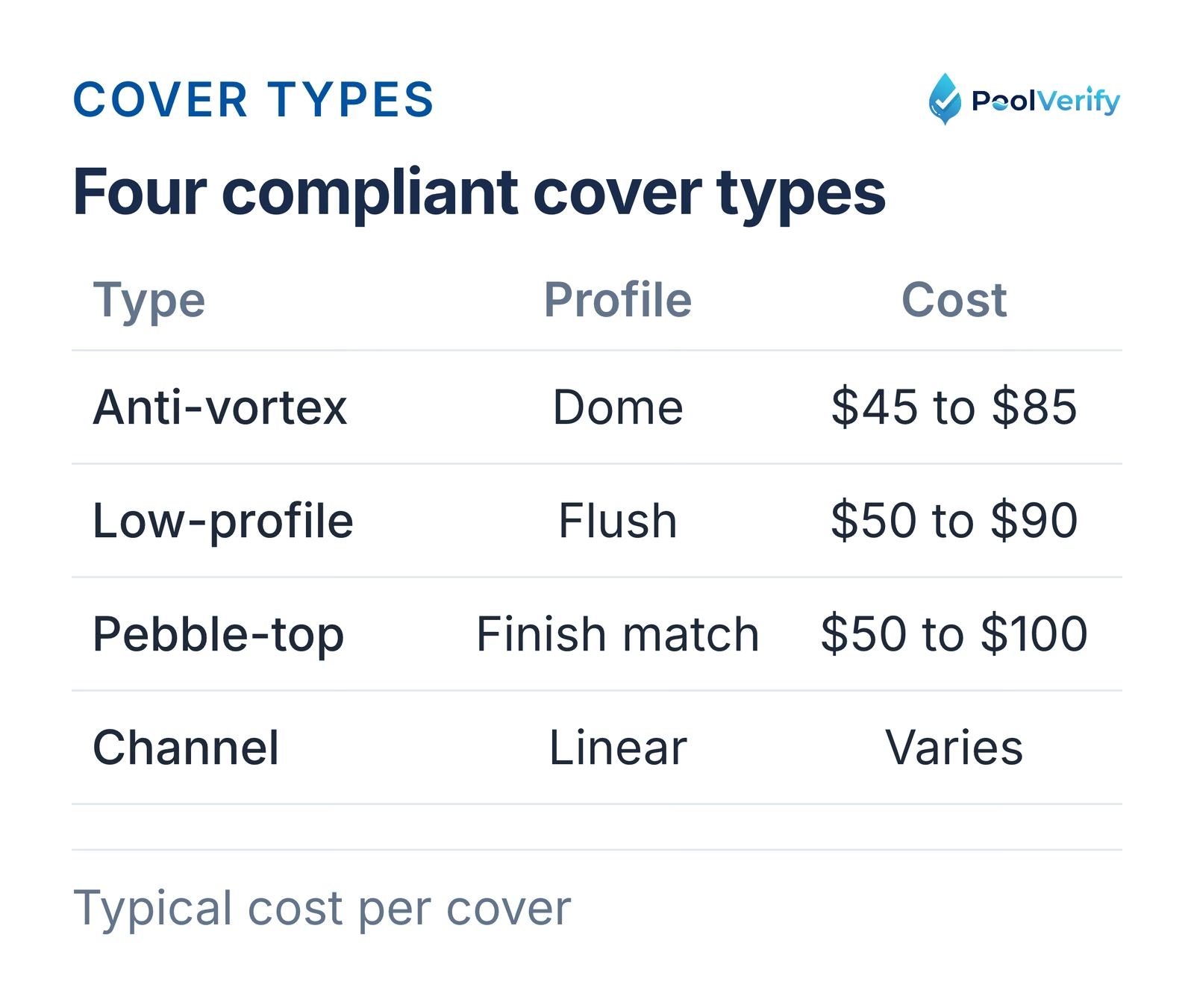
Standard anti-vortex covers
The most common type, anti-vortex covers feature a dome-shaped design that prevents a vortex from forming, which could otherwise increase suction intensity.
Characteristics:
Dome or raised profile
Multiple openings for water flow
Available in 8", 10", 12", and larger sizes
Typical cost: $45-$85
Flat/low-profile covers
Designed for areas where a raised cover would be a trip hazard or aesthetic concern.
Characteristics:
Nearly flush with pool surface
Wider surface area for flow distribution
Often used in shallow entry areas
Typical cost: $50-$90
Pebble-top covers
Premium covers that accept the same plaster, aggregate, or tile as the pool finish, making them nearly invisible.
Characteristics:
Customizable to match pool finish
Virtually disappears into pool floor/wall
Higher cost but better aesthetics
Typical cost: $50-$100
Channel drain covers
Long, linear covers used along pool perimeters or in gutter systems.
Characteristics:
Extended length design
Multiple attachment points
Used in commercial/competition pools
Varies by length and configuration
Four compliant drain cover types with profile and typical cost per cover
SVRS and secondary anti-entrapment devices
When a pool has a single main drain that isn't "unblockable" (less than 18 inches diagonal measurement), additional safety devices are required.
Safety Vacuum Release System (SVRS)
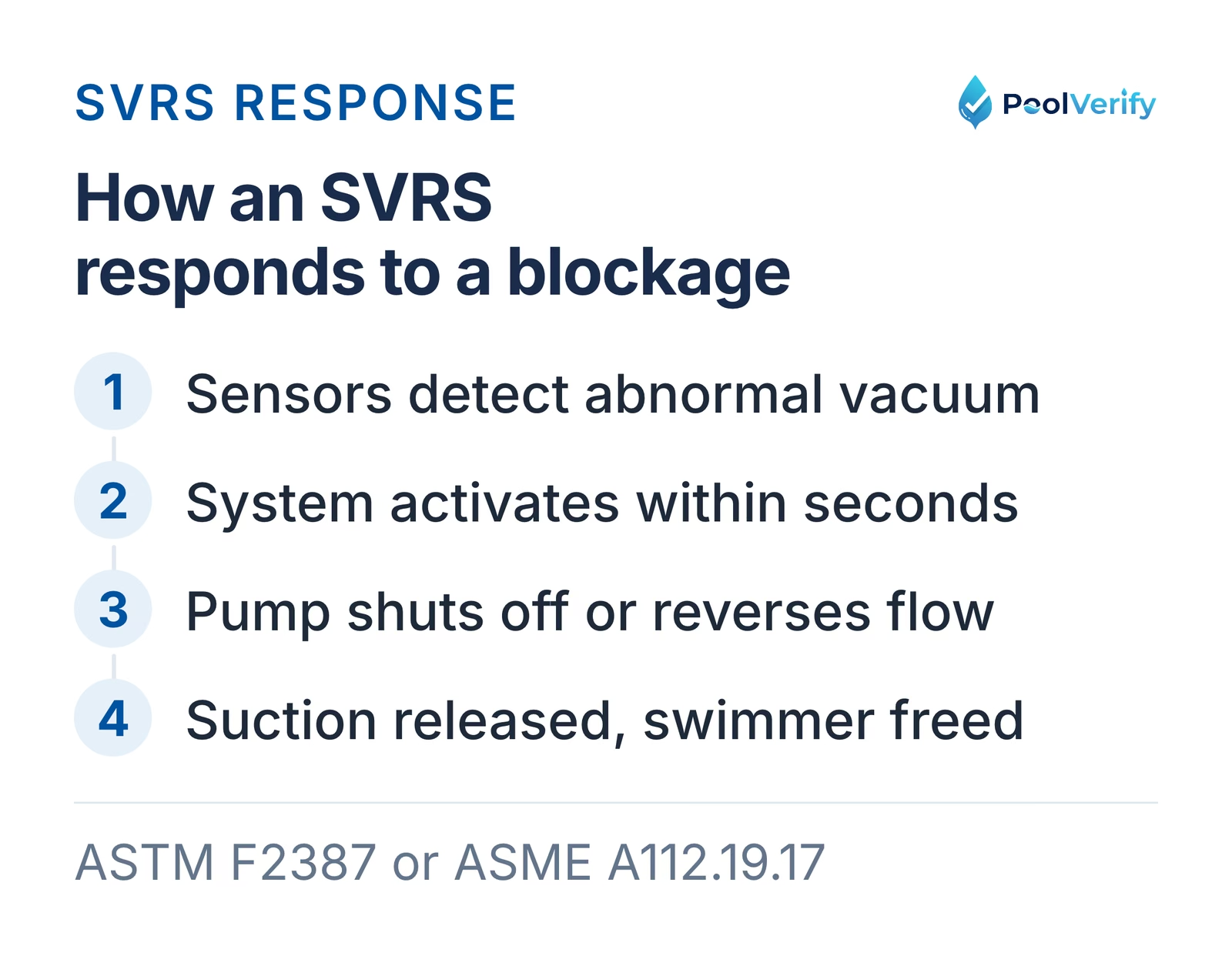
An SVRS monitors pump suction and automatically responds when a blockage is detected. Systems must conform to ASTM F2387 or ASME A112.19.17 standards.
How a safety vacuum release system responds to a drain blockage
How SVRS works:
Sensors detect abnormal vacuum pressure
System activates within seconds of blockage
Pump shuts off or reverses flow
Suction is released, freeing trapped swimmer
SVRS options:
Type
Action
Typical Cost
Automatic reset
Shuts off pump, auto-restarts when clear
$400-$500
Manual reset
Shuts off pump, requires manual restart
$350-$450
Vacuum release valve
Opens atmospheric vent to break suction
$200-$350
Popular SVRS models include the Vacless SVRS-10ADJ ($455) which works with 0.5-10 HP pumps.
Alternative anti-entrapment devices
Besides SVRS, the VGB Act allows these alternatives for single-drain pools:
Gravity drainage system: Uses a collector tank and gravity (no suction pump)
Automatic pump shut-off: Turns off pump when blockage detected
Suction-limiting vent system: Atmospheric vent that breaks vacuum
Drain disablement: Permanently blocking the drain (converting to skimmer-only)
Drain cover inspection checklist
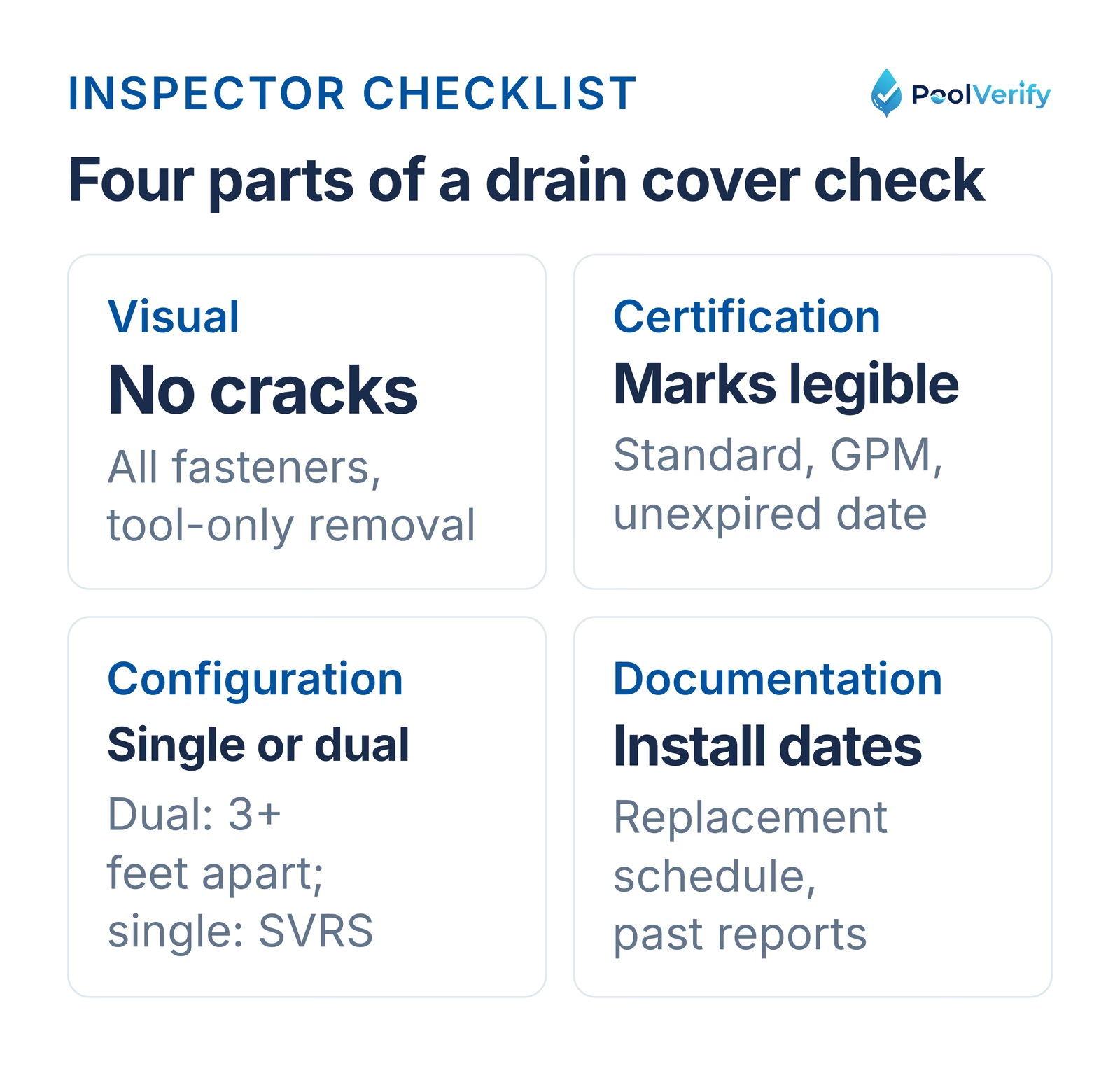
Pool inspectors should verify all of the following during drain cover assessment:
The four parts of a drain cover inspection: visual, certification, configuration, and documentation
Visual inspection
Cover is present and intact (no cracks, missing pieces)
Cover is properly secured with all fasteners
Fasteners require tools for removal
No visible damage, warping, or UV degradation
Cover sits flush in frame (no gaps)
Certification verification
ANSI/APSP-16 or ASME/ANSI A112.19.8 marking visible
Manufacturer name displayed
Maximum flow rate (GPM) marked
Service life date visible and not expired
NSF or equivalent certification mark
Configuration assessment
Drain configuration documented (single/dual)
If dual drains: verify 3+ feet separation
Flow rate matches pump capacity
Wall vs. floor installation matches cover rating
If single drain: verify SVRS or alternative device
Documentation review
Installation date records available
Replacement schedule documented
SVRS maintenance records (if applicable)
Previous inspection reports
Pro tip: Always photograph drain covers during inspections, capturing the certification markings and installation date stamp. Digital inspection tools like PoolVerify automatically organize and timestamp these photos for compliance documentation.
Replacement and maintenance requirements
Service life requirements
All pool drain covers have a finite service life, typically stamped directly on the cover:
Cover Material
Typical Service Life
Replacement Trigger
Polymer (plastic)
5 years
ANSI/APSP-16 mandates
Metal (stainless steel)
7-10 years
Per manufacturer
Composite
5-7 years
Per manufacturer
Critical: The service life begins on the installation date, not the manufacturing date. Pool operators must maintain written records.
When to replace immediately
Replace drain covers immediately if:
Service life has expired
Cover is cracked, broken, or missing pieces
Certification markings are unreadable
Cover doesn't match current pump flow rate
Cover is loose or improperly secured
Frame or sump shows structural damage
Maintenance best practices
Inspect monthly for visible damage or loosening
Document installation dates for all covers
Set calendar reminders for replacement before expiration
Keep spare covers on hand for immediate replacement
Verify screw engagement (minimum 3 threads)
Best VGB compliant drain covers
Top-rated drain covers for 2026
Product
Size
Features
Price Range
Hayward WGX1048E
8"
Anti-vortex, 125 GPM floor/72 GPM wall
$25-$40
Pentair Starguard
8"
Long ring design, universal fit
$30-$45
AquaStar VGB Series
8"-12"
Multiple colors, UV resistant
$35-$60
Color Match Pebble Top
8"-10"
Matches pool finish, premium
$50-$100
Paramount SDX2
10"
High-flow, dual suction
$75-$120
Where to purchase
VGB compliant drain covers are available from:
Leslie's Pool Supplies: Wide selection, nationwide stores
In The Swim: Online retailer with competitive pricing
Pool Supply Unlimited: Commercial and residential options
Local pool supply distributors: Often best for bulk orders
Installation notes
While drain cover replacement seems simple, improper installation can compromise safety:
Verify compatibility with existing frame/sump
Use all provided fasteners: never skip screws
Check screw engagement: minimum 3 full threads
Test for movement after installation
Document installation date immediately
Inspector's guide to drain cover compliance
Common violations found during inspections
Based on inspection data, these are the most frequent drain cover violations:
Expired service life (42% of violations)
Missing or illegible certification markings (23%)
Single drain without SVRS (18%)
Loose or improperly secured covers (12%)
Cracked or damaged covers (5%)
Reporting requirements
When documenting drain cover findings, include:
Cover location (main drain, spa drain, etc.)
Current condition (pass/fail with specific deficiency)
Certification status (standard, date, expiration)
Configuration (single/dual drain)
Secondary devices (SVRS present and operational)
Photographs of cover, markings, and any deficiencies
Remediation timeline
Violation Severity
Recommended Timeline
Expired cover
Replace within 48 hours
Missing SVRS (single drain)
Install within 7 days
Damaged/cracked cover
Replace immediately
Missing documentation
Obtain within 30 days
Limitations
This guide is general information about pool safety law, not legal advice; the current text of HSC §115928, HSC §115922 and BPC §7195 on leginfo.legislature.ca.gov controls, and local building departments add their own requirements. PoolVerify is inspection software for California residential pool safety inspections; it does not perform inspections, certify inspectors, or issue compliance certificates.
Frequently Asked Questions
How often do pool drain covers need to be replaced?
Pool drain covers typically need replacement every 5-7 years from the installation date. The exact service life is stamped on each cover. Polymer (plastic) covers specifically require replacement every 5 years per ANSI/APSP-16 standards. Always check and document installation dates.
What is a VGB compliant drain cover?
A VGB compliant drain cover meets the Virginia Graeme Baker Pool and Spa Safety Act standards, specifically ANSI/APSP-16 (formerly ASME/ANSI A112.19.8). These covers are designed to prevent suction entrapment by dispersing water flow evenly and preventing body parts, hair, or clothing from being trapped.
Do residential pools need VGB compliant drain covers?
While the VGB Act primarily applies to public pools and spas, California law (HSC §115928) requires every new residential pool and spa permitted in the state to have ANSI/APSP-16 anti-entrapment grates on all suction outlets and two outlets per pump or no main drain, and HSC §115928.5 requires the upgrade at a remodel permit. Covers sold anywhere in the United States must meet ANSI/APSP-16 under the federal act.
What is an SVRS and when is it required?
A Safety Vacuum Release System (SVRS) is a device that detects drain blockages and automatically shuts off the pump or releases vacuum pressure. SVRS systems are required on pools with single main drains that cannot be made unblockable. They must meet ASTM F2387 or ASME A112.19.17 standards.
How much do VGB compliant drain covers cost?
VGB compliant drain covers typically cost $45-$85 for standard 8-inch covers, depending on material and color options. Premium pebble-top covers that blend with pool finishes cost $50-$100. SVRS systems, if required, cost $400-$550 plus installation.
How do I know if a drain cover is VGB certified?
Look at the cover itself. A certified cover is permanently marked with the standard, ANSI/APSP-16 or the earlier ASME/ANSI A112.19.8, its flow rating in gallons per minute, the mounting position it is rated for, a service life or expiration, and the manufacturer, usually with a certifier's mark such as NSF or IAPMO. No marking means the cover cannot be verified and should be treated as non-compliant.
What happens if a pool fails drain cover inspection?
If a pool fails drain cover inspection, the owner must immediately replace non-compliant covers with ANSI/APSP-16 certified covers. For single-drain pools, an SVRS or alternative anti-entrapment device must be installed. The pool should not be used until compliance is achieved and re-inspection passes.
The bottom line
Pool drain cover compliance isn't just a legal requirement, it's a critical safety measure that has prevented countless tragedies since the VGB Act took effect in 2008. For pool inspectors, verifying drain cover compliance should be a top priority during every assessment.
Key takeaways:
All public pools must have ANSI/APSP-16 compliant drain covers
California requires compliant grates and two outlets per pump on new residential pools (HSC §115928)
Drain covers must be replaced before their stamped service life expires
Single-drain pools require SVRS or alternative anti-entrapment devices
Documentation of installation dates and maintenance is mandatory
Are you a pool inspector? PoolVerify's California checklist records drain cover markings and condition alongside the HSC §115922 features. Document findings, capture photos, and generate professional reports instantly.
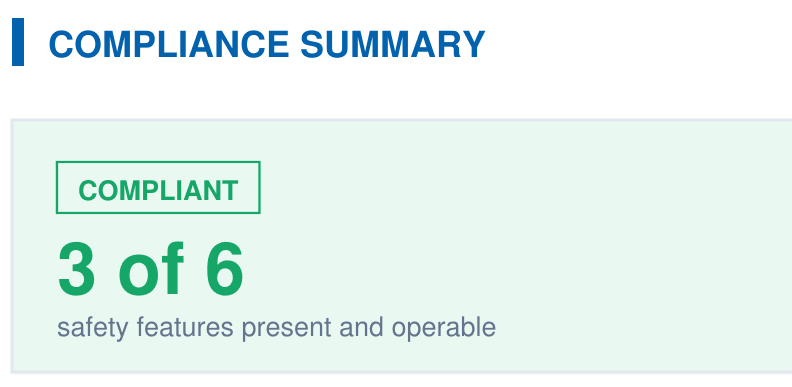
A branded PDF with the compliance summary, the feature table, each finding with its photos, and the signature, generated on‑site when the BPC §7195 and HSC §115922 checklist is complete.