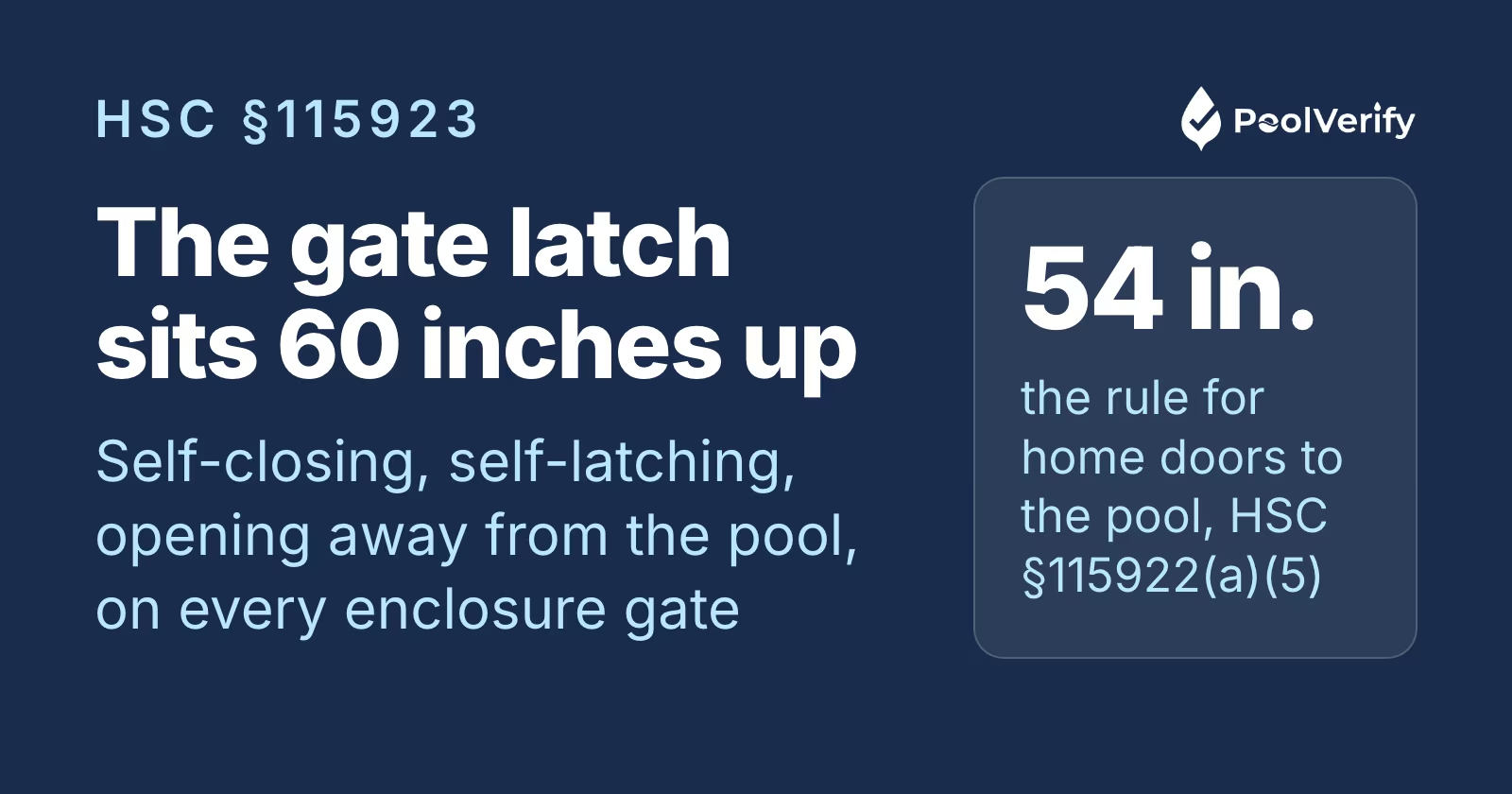
California pool gate latch requirements: the self-latching device on an enclosure gate sits at least 60 inches above the ground under HSC §115923, and a home door to the pool needs a release at least 54 inches above the floor under HSC §115922(a)(5).
A pool gate latch in California must engage on its own every time the gate closes, and on an enclosure gate the self-latching device must sit at least 60 inches above the ground. That number comes from Health and Safety Code §115923(a), the section that defines a compliant pool enclosure. A second number, 54 inches above the floor, applies to a different opening: a door from the house that leads directly to the pool, under HSC §115922(a)(5). Mixing up the two is the most common latch error we see in inspection reports and on product pages.
This guide sets out the two rules, what "self-latching" and "self-closing" mean in practice, how an inspector tests a latch, the latch types that meet the statute, and how to fix a latch that does not.
The two latch height rules in California
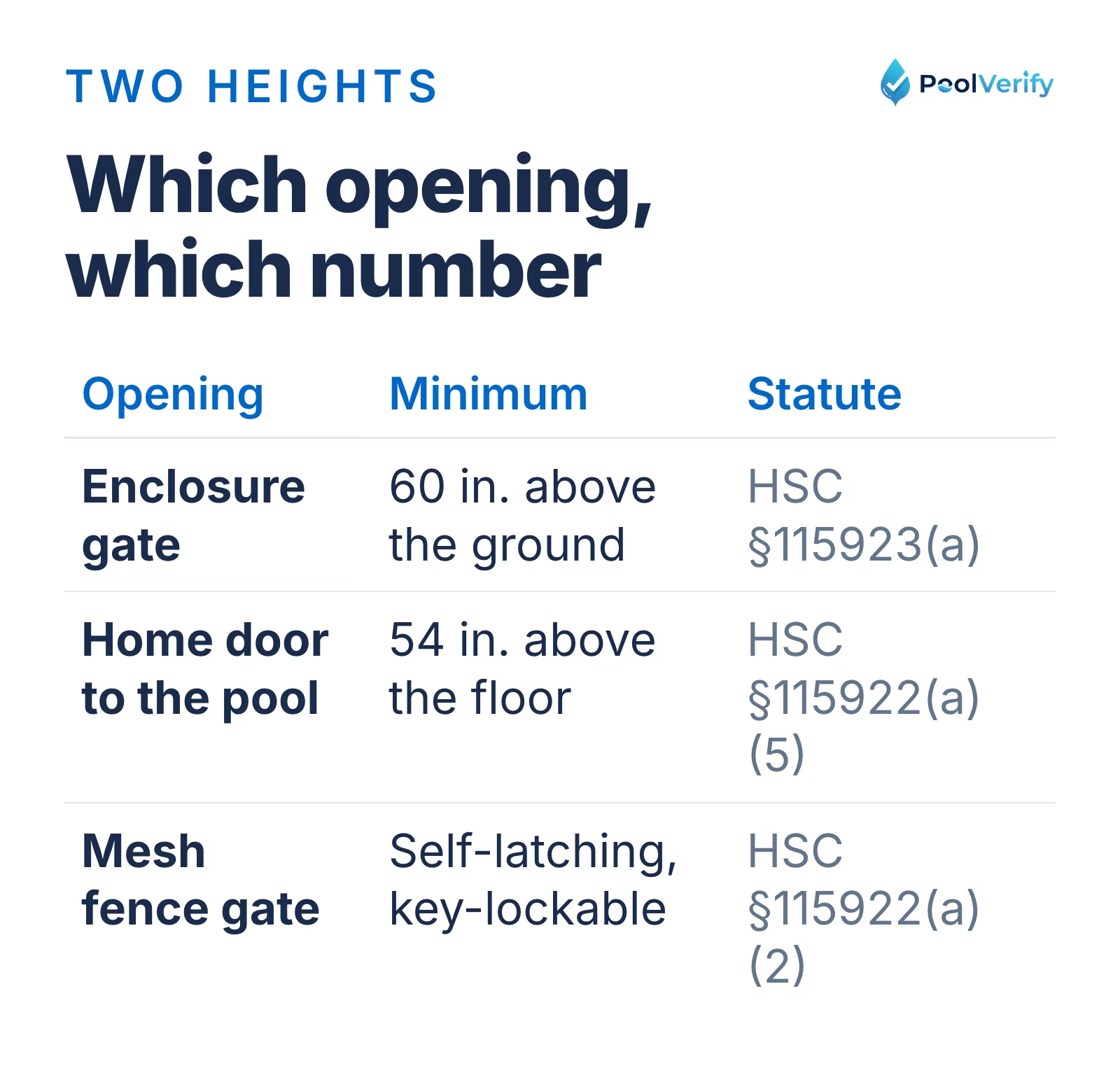
The two California latch heights: 60 inches above the ground on an enclosure gate, 54 inches above the floor on a home door to the pool
Opening
Requirement
Statute
Gate in the pool enclosure
Opens away from the pool; self-closing; self-latching device no lower than 60 inches above the ground
HSC §115923(a)
Home door to the pool or spa
Self-closing, self-latching device with a release no lower than 54 inches above the floor
HSC §115922(a)(5)
Gate in removable mesh fencing
Self-closing, self-latching, accommodates a key-lockable device; no height stated
HSC §115922(a)(2)
Why two numbers exist: the enclosure rule was written in 1996 as part of the original Swimming Pool Safety Act and describes the fence around the pool. The door rule was added to the list of drowning prevention features and describes hardware inside the house. Both are meant to put the release out of a small child's reach; the legislature simply set them differently.
Where the 54-inch gate figure comes from. Model building codes used by many building departments describe a gate release at 54 inches, with an alternative that places a lower release on the pool side of the gate. Those provisions apply where a jurisdiction adopts them. For a private single-family pool in California the statute is HSC §115923, and its number is 60 inches. An inspector working to the statute measures 60; a contractor pulling a permit should ask the building department which text it enforces, and build to the stricter one.
What self-closing and self-latching mean
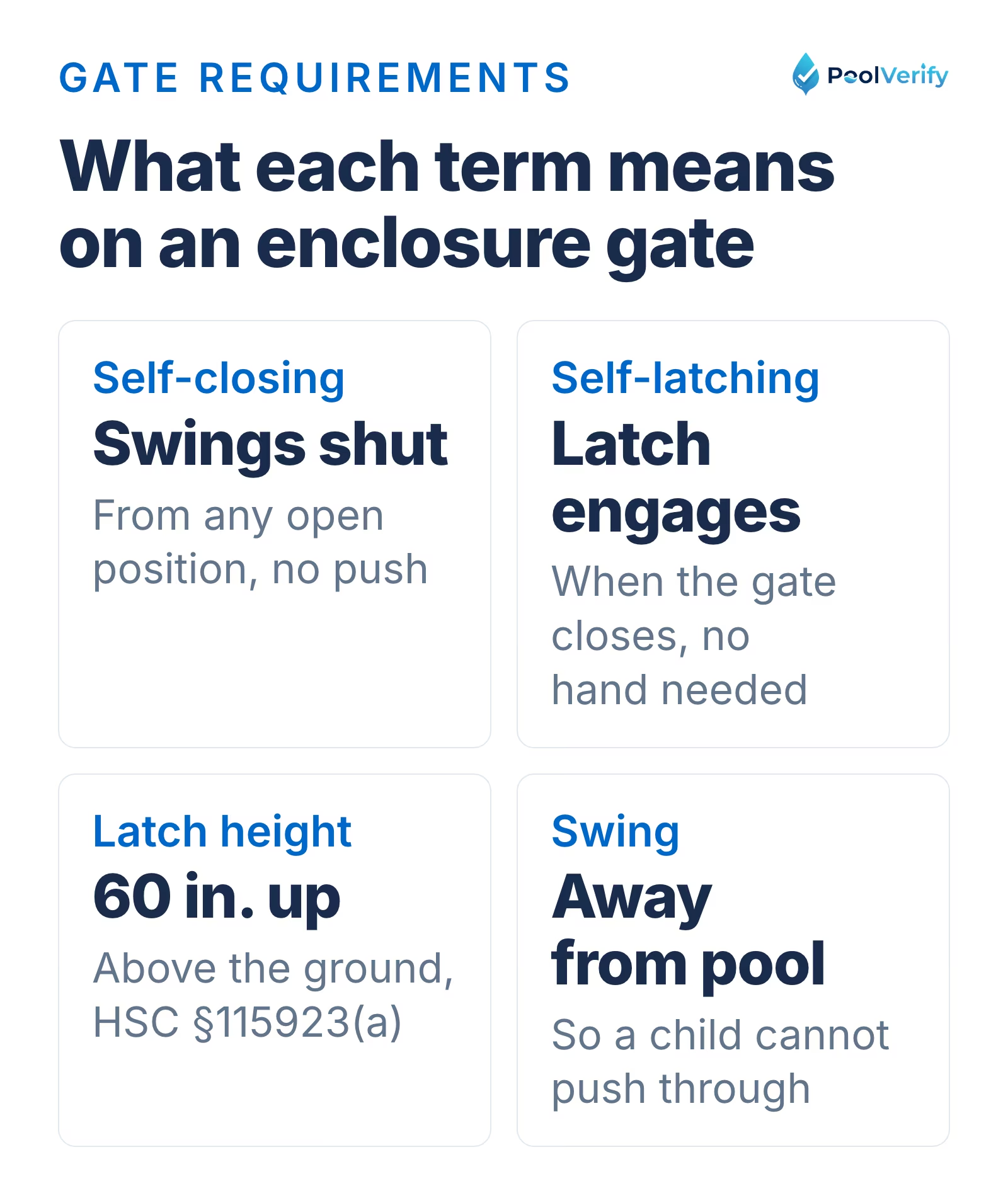
HSC §115923(a) requires three behaviours of every access gate through the enclosure, and a gate fails the section if any one is missing.
What each term means on an enclosure gate: swings shut on its own, latch engages on its own, release 60 inches up, opens away from the pool
Self-closing. Released from any open position, the gate swings shut without being pushed. Spring hinges, hydraulic closers, and tension hinges do this; a gravity-hung gate can, if it is hung to swing shut and the post is plumb.
Self-latching. When the gate reaches the closed position the latch engages without a hand on it. Magnetic latches pull the striker in; spring and gravity latches drop a bolt or arm into a keeper. A latch that needs to be lifted, turned or pushed to engage is not self-latching.
Opens away from the pool. The gate swings out of the pool area. A child leaning on it from outside pushes it shut, not open.
The latch height requirement sits on top of these: the self-latching device is placed no lower than 60 inches above the ground. The statute describes the device, and inspectors measure to the release, the part a hand operates, because that is what the rule is protecting against.
The checklist asks these questions in order. PoolVerify's HSC §115922 enclosure item prompts for the gate swing, the self-closing test, the latch test and the latch height, with a photo on each. See the checklist.
How an inspector tests a gate latch
A gate check takes about two minutes and produces two photos. Here is the sequence a California pool safety inspector follows.
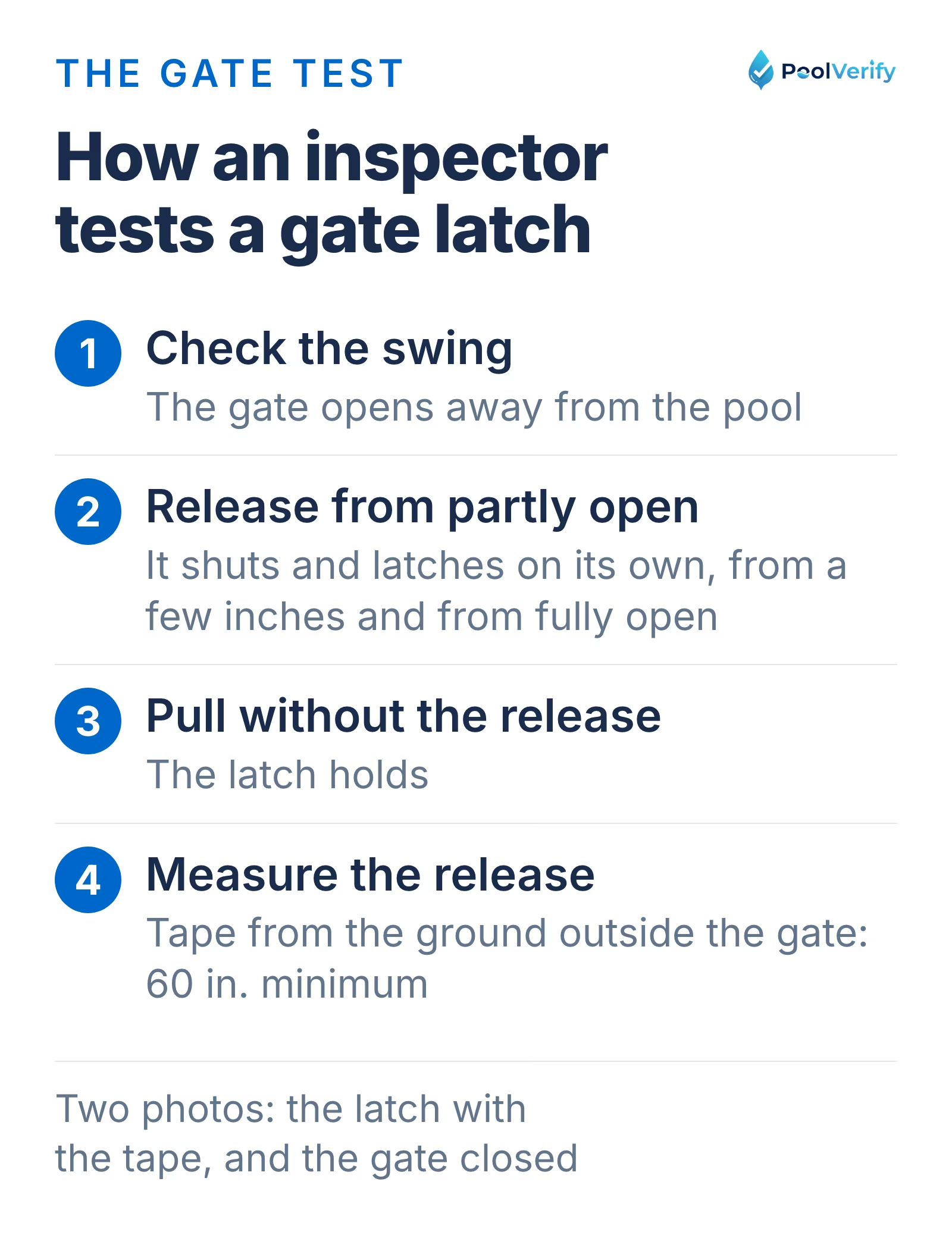
How an inspector tests a gate latch: swing direction, closure from partly open, latch engagement, and the 60-inch measurement
Check the swing. Open the gate. It should swing out, away from the pool.
Test closure from partly open. Open the gate a few inches and let go. It should swing shut and latch. Repeat from about halfway and from fully open. A gate that closes from fully open but stalls when released from a few inches has a hinge tension problem.
Test the latch. After each closure, pull the gate without operating the release. It should stay latched.
Measure the release. Hold a tape from the ground on the outside of the gate to the underside of the release. Record the number; 60 inches is the minimum.
Look for defeat. A latch tied open, a keeper bent so the bolt misses, a gate propped by a chair or a hose, or a striker so misaligned the magnet cannot reach it. Any of these is a finding even if the hardware is compliant on paper.
Photograph and write the finding. One photo of the latch with the tape in frame, one of the gate closed. "Enclosure gate self-closes and self-latches from 6 in., 45 degrees and 90 degrees; release at 63 in.; opens away from pool" is the whole entry.
At a home sale the finding matters because BPC §7195 requires the home inspection report to identify which of the seven HSC §115922(a) features the pool has and whether each is in good repair and operable as designed. An enclosure with a failing latch is not operable as designed, so it does not count.
Latch types that meet the statute
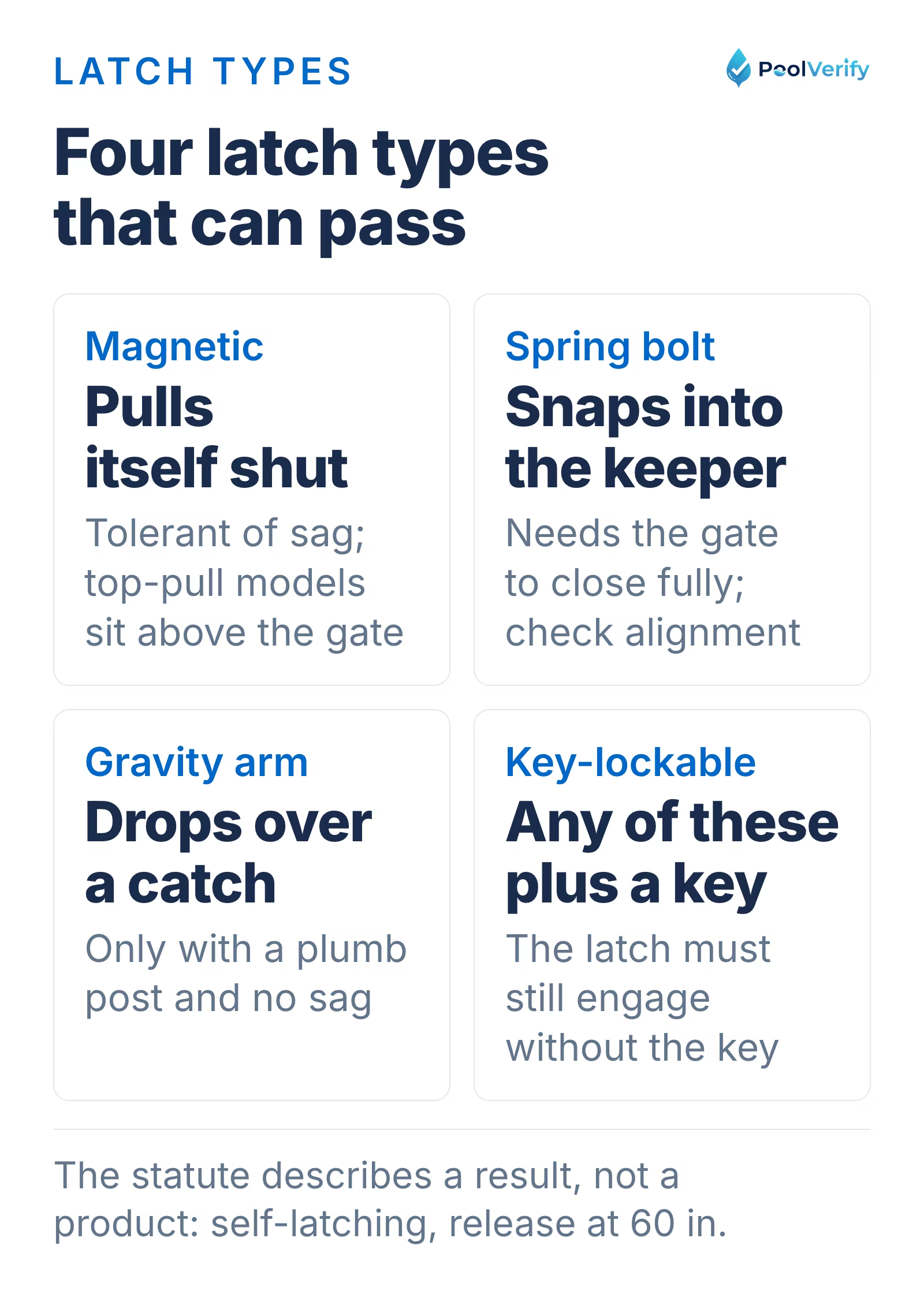
The statute does not name a product. Any latch that self-latches reliably and can be mounted with its release at 60 inches or higher meets HSC §115923(a).
Four latch types and how each meets the self-latching test: magnetic, spring bolt, gravity arm, key-lockable
Latch type
How it self-latches
Notes for compliance
Magnetic latch
A magnet pulls the striker into the housing as the gate closes
Tolerant of gate sag and misalignment; top-pull models put the release above the gate top, which makes 60 inches easy on a 60-inch fence
Spring bolt latch
A sprung bolt is pushed back by the keeper and snaps into it
Needs the gate to close fully against the keeper; check alignment after every season of sag
Gravity latch
A weighted arm drops over a catch as the gate closes
Works only when the post is plumb and the gate does not sag; the arm must not be liftable by a child from outside
Key-lockable latch
Any of the above with a key cylinder added
The lock is extra security, not a substitute; the latch must still engage without the key every time
A latch alone does not make a compliant gate. Self-closing comes from the hinges or a closer, and the gate must still swing away from the pool. Our self-closing pool gate guide covers hinge and closer types.
Fixing a latch that fails
Most latch findings are fixed in under an hour with the hardware already on the gate.
Finding
Usual cause
Fix
Release below 60 inches
Standard fence latch installed at hand height
Remount the latch higher on the post, or fit a top-pull magnetic latch
Gate closes but does not latch
Striker misaligned after sag, keeper bent, debris in the housing
Realign the striker, straighten or replace the keeper, clean the mechanism
Does not close from a few inches
Hinge tension too low, hinges worn, gate rubbing the ground
Adjust or replace the self-closing hinges, rehang the gate
Gate opens toward the pool
Hinged on the wrong side
Rehang the gate with hinges on the opposite post and move the latch
Latch tied or propped open
Household habit
Remove the tie; the finding stands until the gate latches on its own
When the fix is a remount, measure from the ground on the outside of the gate before drilling, and test closure from several positions afterwards. If the gate is part of an enclosure that counts toward the two HSC §115922 features on a new-pool permit, the local building official inspects the features before final approval under HSC §115922(c).
Limitations
This guide is general information about California law, not legal advice; the current text of HSC §115923 and HSC §115922 on leginfo.legislature.ca.gov controls, and the building department that issues the permit may apply additional local requirements. Public pools and apartment complexes are governed separately (HSC §115925). PoolVerify is inspection software for California residential pool safety inspections; it does not perform inspections, certify inspectors, or issue compliance certificates.
Frequently asked questions
How high must a pool gate latch be in California?
On an enclosure gate, the self-latching device must be placed no lower than 60 inches above the ground under HSC §115923(a). On a door from the home that opens directly to the pool, HSC §115922(a)(5) requires a self-closing, self-latching device with its release mechanism no lower than 54 inches above the floor. The two numbers apply to different openings.
Is the pool gate latch height 54 inches or 60 inches?
60 inches for a gate in the pool enclosure, measured from the ground. The 54-inch figure belongs to house doors that lead to the pool, and to model building codes some jurisdictions use. When a local code and HSC §115923 differ, the stricter requirement is the one a California inspector should expect the building department to enforce.
Does a pool gate have to be self-closing and self-latching?
Yes. HSC §115923(a) requires every access gate through the enclosure to open away from the pool and to be self-closing with a self-latching device. A gate that closes but needs a hand to latch, or latches but stays open unless pushed, does not meet the section, and the enclosure then does not count as a drowning prevention safety feature.
Which way should a pool gate open?
Away from the pool. HSC §115923(a) says access gates through the enclosure open away from the swimming pool. A gate that swings toward the water can be pushed open by a child leaning on it, and a self-closing hinge cannot hold it shut against that push.
What does an inspector check on a pool gate latch?
Four things: the latch release height from the ground, which must be at least 60 inches; that the gate closes on its own from a partly open position and from fully open; that the latch engages on its own each time; and that the gate swings away from the pool. The inspector photographs the latch with a tape in frame and records the result in the report.
Are magnetic pool gate latches compliant in California?
A magnetic latch is compliant when it self-latches every time the gate closes and its release is mounted at least 60 inches above the ground. The statute does not name a latch type; it describes a result. Magnetic latches such as D&D Technologies' MagnaLatch are common because they engage without precise alignment, but a spring latch mounted at the right height meets the same test.
What if my gate latch is lower than 60 inches?
Move it. Most latches can be remounted higher on the same post in under an hour, and top-pull magnetic latches are designed to sit above the gate top. Until it is moved, the gate does not meet HSC §115923 and the enclosure does not count toward the two features HSC §115922 requires at permit, which a BPC §7195 home inspection report will note at sale.
Do latch rules apply to hot tubs and spas?
The Swimming Pool Safety Act treats a hot tub or spa as a swimming pool, so an enclosure around one must meet HSC §115923 including the 60-inch latch. The exception is HSC §115925(b): a hot tub or spa with a locking safety cover that complies with ASTM F1346 is exempt from the article.
Conclusion
The California rule for a pool gate latch is short: the gate opens away from the pool, closes on its own, latches on its own, and the latching device is at least 60 inches above the ground. Doors from the house have their own rule at 54 inches above the floor. Measure the right opening against the right number, test closure from more than one position, and photograph the tape.
PoolVerify puts that sequence into the enclosure item of its California checklist, with a photo on every step and the PDF report generated on-site. Start your 14-day free trial, no credit card to start.
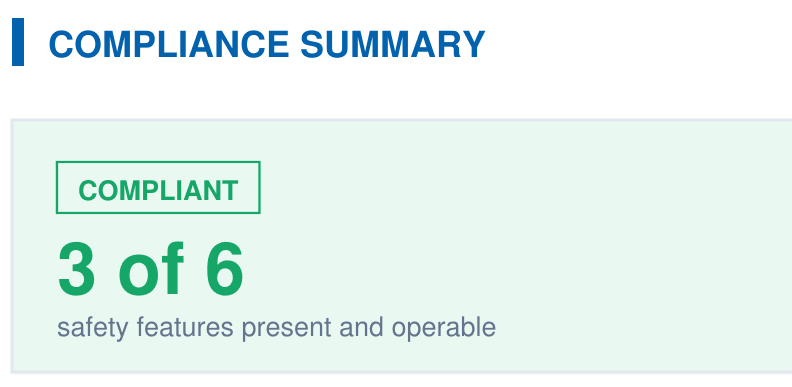
A branded PDF with the compliance summary, the feature table, each finding with its photos, and the signature, generated on‑site when the BPC §7195 and HSC §115922 checklist is complete.