Pool inspections are critical safety assessments that protect families from drowning hazards, identify costly equipment failures before they worsen, and ensure regulatory compliance. Whether you're buying a home with a pool, selling a property in California, or maintaining pool safety, understanding what pool inspections involve—and what inspectors actually check—is essential.
This complete guide covers everything homeowners and inspectors need to know about pool inspections in 2026: the inspection process, California requirements, what gets examined, costs, preparation tips, and how digital tools are transforming pool safety compliance.
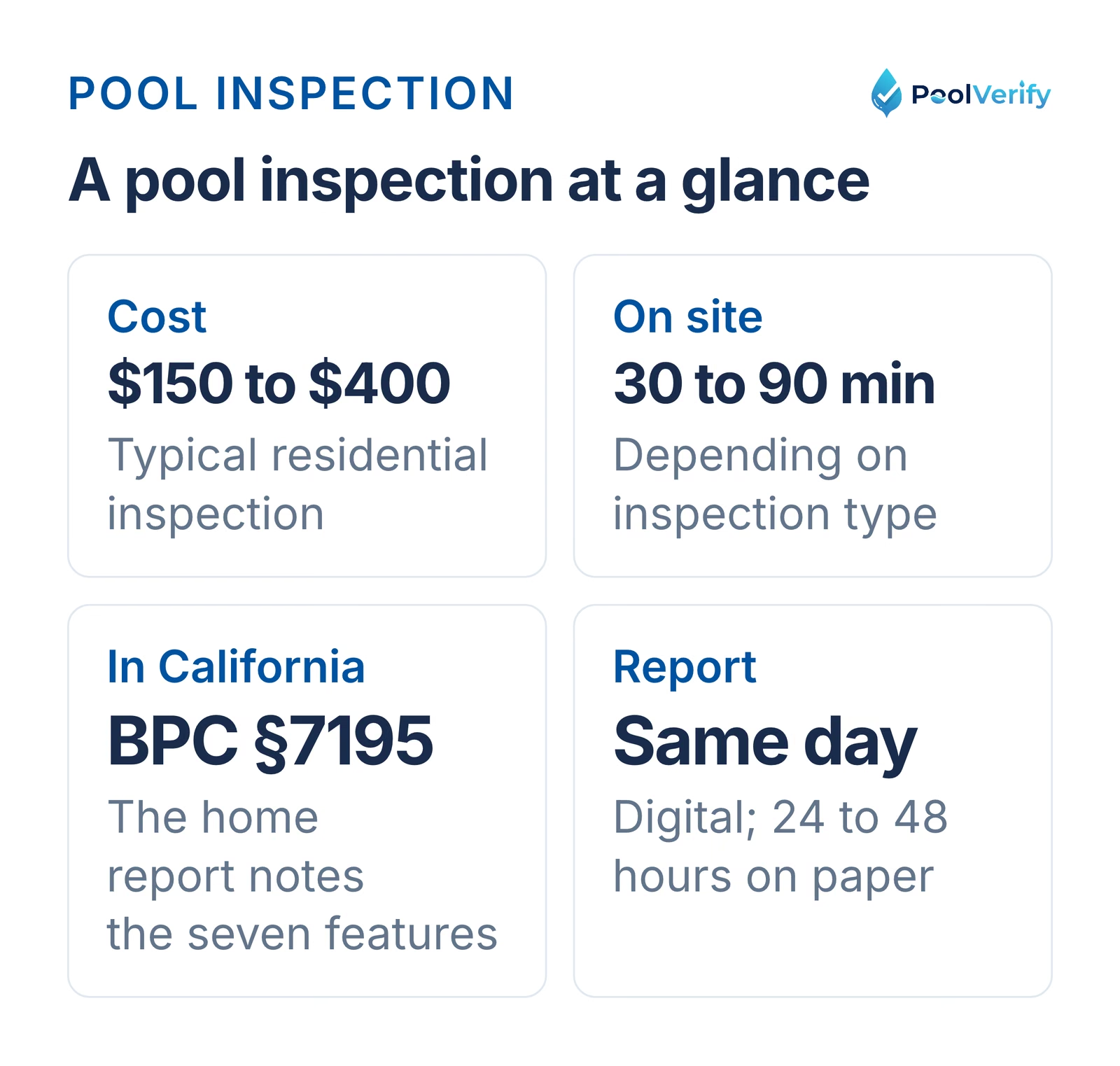
Quick takeaway: Pool inspections examine safety features, structural integrity, equipment condition, water quality, electrical systems, and surrounding areas. In California, inspections must verify compliance with BPC §7195 drowning prevention requirements. Typical inspections cost $150-$400 and take 30-90 minutes.

Professional pool inspector conducting safety assessment poolside with digital tablet and checklist
Table of Contents
What is a Pool Inspection?
A pool inspection is a comprehensive safety and operational assessment conducted by a qualified inspector to evaluate a swimming pool or spa's condition, functionality, and compliance with local regulations. Pool inspections examine everything from safety barriers and equipment to water chemistry and structural integrity.
Core Components of Pool Inspections
Safety Assessment:
- Fencing, gates, and physical barriers
- Self-closing and self-latching mechanisms
- Pool alarms and safety covers
- Anti-entrapment drain covers (Virginia Graeme Baker Act compliance)
- Exit alarms on doors with pool access
- Ladder and handrail security
Operational Evaluation:
- Pump and filtration system performance
- Heater operation and safety
- Water circulation and return lines
- Skimmers and main drains
- Automatic pool cleaners
- Chemical feeders and sanitation systems
Structural Examination:
- Pool shell integrity (cracks, leaks, deterioration)
- Tile and coping condition
- Deck surface and drainage
- Plumbing and pipe condition
- Bonding and grounding
Compliance Verification:
- Local building codes
- State safety regulations (California BPC §7195)
- Federal requirements (VGBA, ADA where applicable)
- Homeowner association standards
Who Conducts Pool Inspections?
Pool inspections are performed by:
- Certified pool inspectors specializing in aquatic safety
- Home inspectors with pool/spa certification (InterNACHI, ASHI)
- Pool service companies with inspection credentials
- Building inspectors (for new construction and renovations)
- Code enforcement officials (for compliance verification)
In California, inspectors conducting BPC §7195 safety inspections must be certified home inspectors or qualified pool safety professionals.

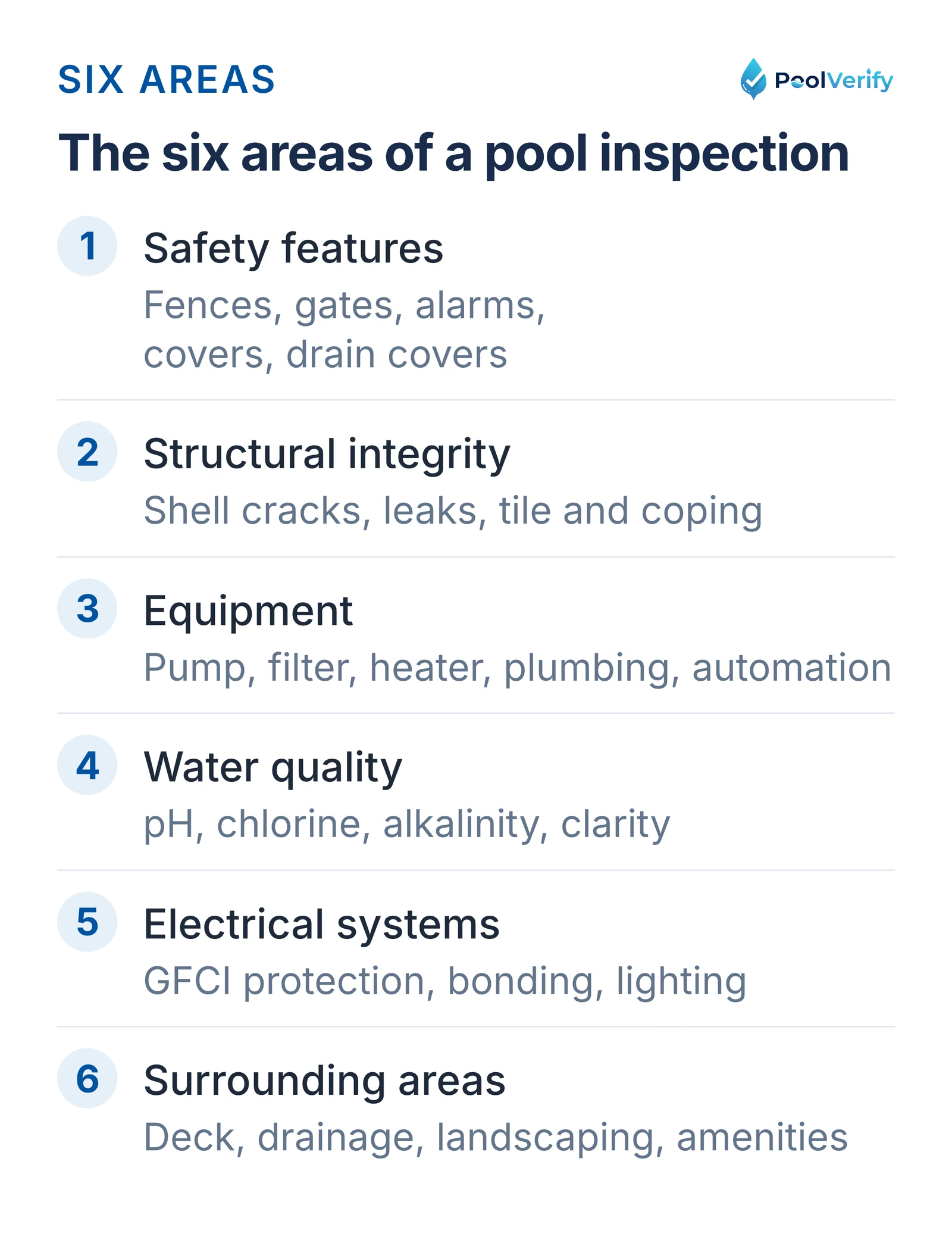
Diagram showing six main areas of pool inspection: safety features, structure, equipment, water, electrical, and deck
Why Pool Inspections Matter
Pool inspections serve three critical purposes: safety protection, financial protection, and legal compliance.
1. Safety Protection
Drowning Prevention:
According to the CDC, drowning is the leading cause of unintentional death for children ages 1-4. Pool inspections verify that required safety barriers—fences, gates, alarms—are properly installed and functioning, preventing unsupervised access.
Equipment Hazards:
Faulty electrical systems, broken pumps, and non-compliant drain covers create serious safety risks. Inspections identify these hazards before accidents occur.
Chemical Safety:
Improperly balanced water chemistry can cause skin irritation, respiratory problems, and equipment corrosion. Inspections assess water quality and chemical management systems.
2. Financial Protection
Pre-Purchase Due Diligence:
Before buying a home with a pool, an inspection reveals:
- Repair costs you can negotiate with sellers
- Major equipment failures requiring $5,000-$15,000 replacements
- Structural damage that could cost $10,000-$50,000 to fix
- Safety violations requiring immediate correction
Maintenance Planning:
Regular inspections help pool owners:
- Catch small problems before they become expensive ($200 repair vs. $5,000 replacement)
- Extend equipment lifespan through early detection
- Budget for upcoming repairs and replacements
- Maintain property value
Insurance Requirements:
Many insurance companies require documented pool safety inspections to:
- Underwrite homeowner policies with pools
- Reduce liability premiums
- Verify compliance after claims
3. Legal Compliance
California BPC §7195 Requirements:
California law mandates pool safety inspections during property transfers, requiring verification of at least two drowning prevention safety features. Non-compliance can:
- Delay property sales
- Create seller liability
- Result in code enforcement penalties
- Void insurance coverage
Municipal Requirements:
Many California cities require periodic pool inspections for:
- Rental properties (annual or biennial)
- Commercial pools and spas (quarterly or monthly)
- After major renovations or repairs
- Before issuing occupancy permits
HOA Compliance:
Homeowner associations often mandate:
- Annual safety inspections
- Compliance certifications
- Proof of proper maintenance
- Barrier and equipment standards exceeding local codes
Types of Pool Inspections
Different situations call for different inspection types. Understanding which inspection you need ensures comprehensive coverage and regulatory compliance.
1. Real Estate Transfer Inspections (California BPC §7195)
When Required:
- During home sales involving pools or spas
- Property title transfers
- Estate settlements with pool properties
What's Covered:
- All seven drowning prevention safety features:
1. Enclosure barriers (60" minimum fencing)
2. Self-closing, self-latching gates
3. Approved safety pool covers
4. Exit alarms on house doors with pool access
5. ASTM-compliant safety covers
6. Removable mesh fencing with self-closing gates
7. Pool surface alarms
- Verification of at least two features present
- Compliance documentation for disclosure
Report Requirements:
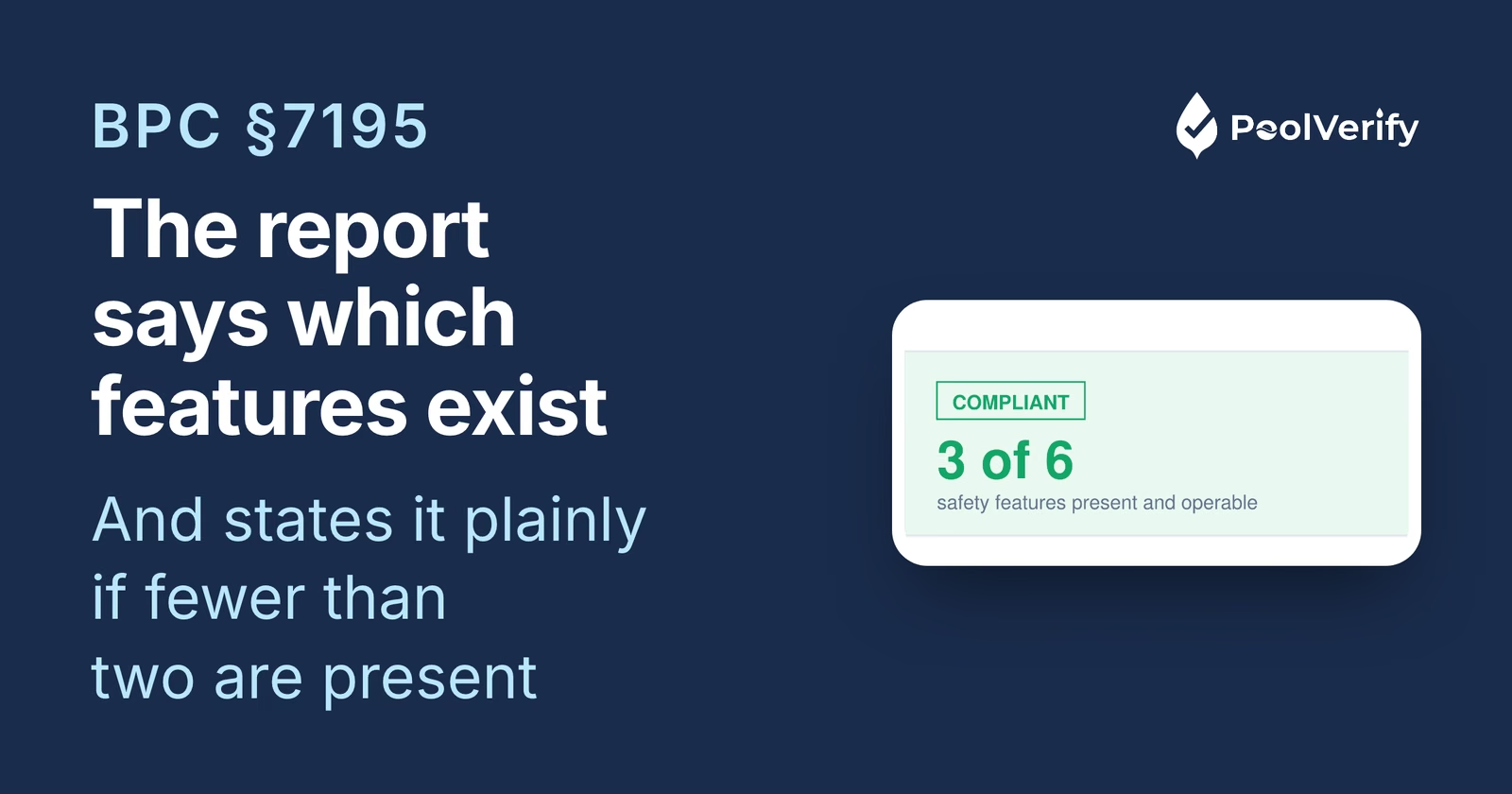
Must identify which features exist and explicitly state if fewer than two features are present.
Cost: $175-$350
2. Pre-Purchase Inspections
When Needed:
- Before buying a home with a pool
- During inspection contingency period
- For investment property due diligence
What's Covered:
- All BPC §7195 safety features
- Complete equipment assessment (pumps, filters, heaters)
- Structural integrity examination
- Plumbing and circulation systems
- Electrical components and GFCI protection
- Water chemistry testing
- Deck and surrounding area safety
- Estimated repair costs for issues found
Report Includes:
- Detailed findings with photos
- Safety violations requiring immediate attention
- Deferred maintenance items
- Estimated cost ranges for repairs
- Recommended improvements
Cost: $300-$500 (more comprehensive than transfer inspections)
3. New Construction Inspections
Inspection Stages:
- Pre-Gunite Inspection: Before concrete shell application
- Rebar placement and spacing
- Steel reinforcement
- Plumbing rough-in
- Electrical conduit placement
- Foundation and excavation
- Pre-Deck Inspection: Before deck installation
- Pool shell integrity
- Tile and coping installation
- Plumbing connections
- Equipment placement
- Grading and drainage
- Fence and Gate Inspection: Safety barrier compliance
- Fence height (minimum 60 inches)
- Spacing between vertical members (4 inches max)
- Self-closing gate mechanisms
- Self-latching hardware (54-60" above ground)
- Gate opening direction (away from pool)
- Final Inspection: Before pool use permitted
- All equipment operational
- Safety features functional
- Electrical systems GFCI protected
- Bonding and grounding complete
- Water chemistry balanced
- Compliance with approved plans
Cost: $100-$200 per inspection stage ($400-$800 total)
4. Maintenance and Safety Inspections
When Scheduled:
- Annually for proactive maintenance
- Before pool opening (seasonal climates)
- After major storms or earthquakes
- Following equipment repairs or replacements
What's Covered:
- Safety feature functionality testing
- Equipment performance assessment
- Water quality testing
- Minor issues identification
- Preventive maintenance recommendations
Cost: $150-$250
5. Commercial Pool Inspections
Inspection Frequency:
- Monthly or quarterly (depending on jurisdiction)
- Before seasonal opening
- After renovations or repairs
- Following health department citations
What's Covered:
- Health code compliance
- Chemical management systems
- Commercial-grade equipment
- ADA accessibility requirements
- Lifeguard equipment and safety
- Emergency response systems
- Record-keeping compliance
Cost: $250-$600 per inspection
California Pool Inspection Requirements
California has some of the nation's strictest pool safety laws, designed to prevent child drowning deaths. Understanding these requirements is essential for both homeowners and inspectors.
Business and Professions Code §7195
What the Law Requires:
Enacted January 1, 2018, BPC §7195 mandates that home inspections conducted in connection with property transfers must include a "noninvasive physical examination" of pools and spas to identify which of seven drowning prevention safety features are present.
The Seven Required Safety Features:
- Enclosure with barrier
- Minimum 60 inches high
- No openings greater than 4 inches
- Prevents direct pool access from residence
- Self-closing, self-latching gates
- Opens outward away from pool
- Latches automatically without manual action
- Latch release 54-60 inches above ground (pool side)
- Approved safety pool covers
- Meets ASTM F1346 standards
- Can support weight without submersion
- Manually or automatically operated
- Exit alarms
- On all doors providing direct pool access
- Minimum 85 decibels at 10 feet
- Deactivation requires adult action
- Safety pool covers (ASTM compliant)
- ASTM F1346 certified
- Prevents submersion when properly installed
- Designed for manual or automatic operation
- Removable mesh fencing
- Minimum 48 inches high
- Self-closing gate with self-latching mechanism
- Pole anchors embedded in deck
- Pool alarms
- Surface wave detection
- Minimum 85 decibels at 10 feet
- Automatically resets after disturbance
Compliance Standard:
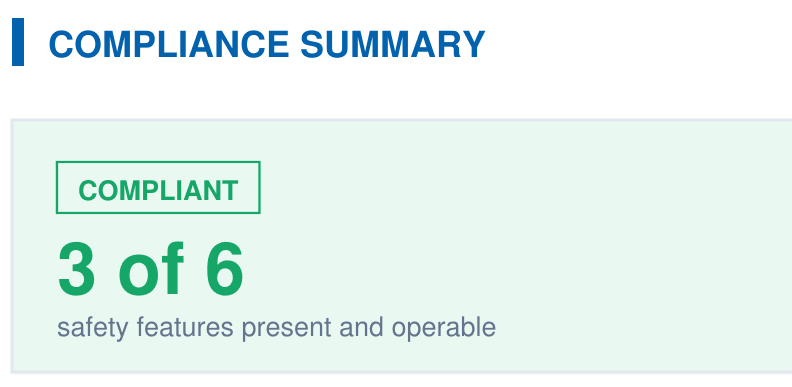
At least two of the seven features must be present and functional.
Inspector Reporting Requirement:
The home inspection report must:
- Identify which safety features exist
- Explicitly state if fewer than two features are present
- Include findings in the final report
Penalties for Non-Compliance:
- Property sale delays
- Seller liability for non-disclosure
- Potential fines for inspectors who fail to report
- Insurance claim denials
Health and Safety Code §115922
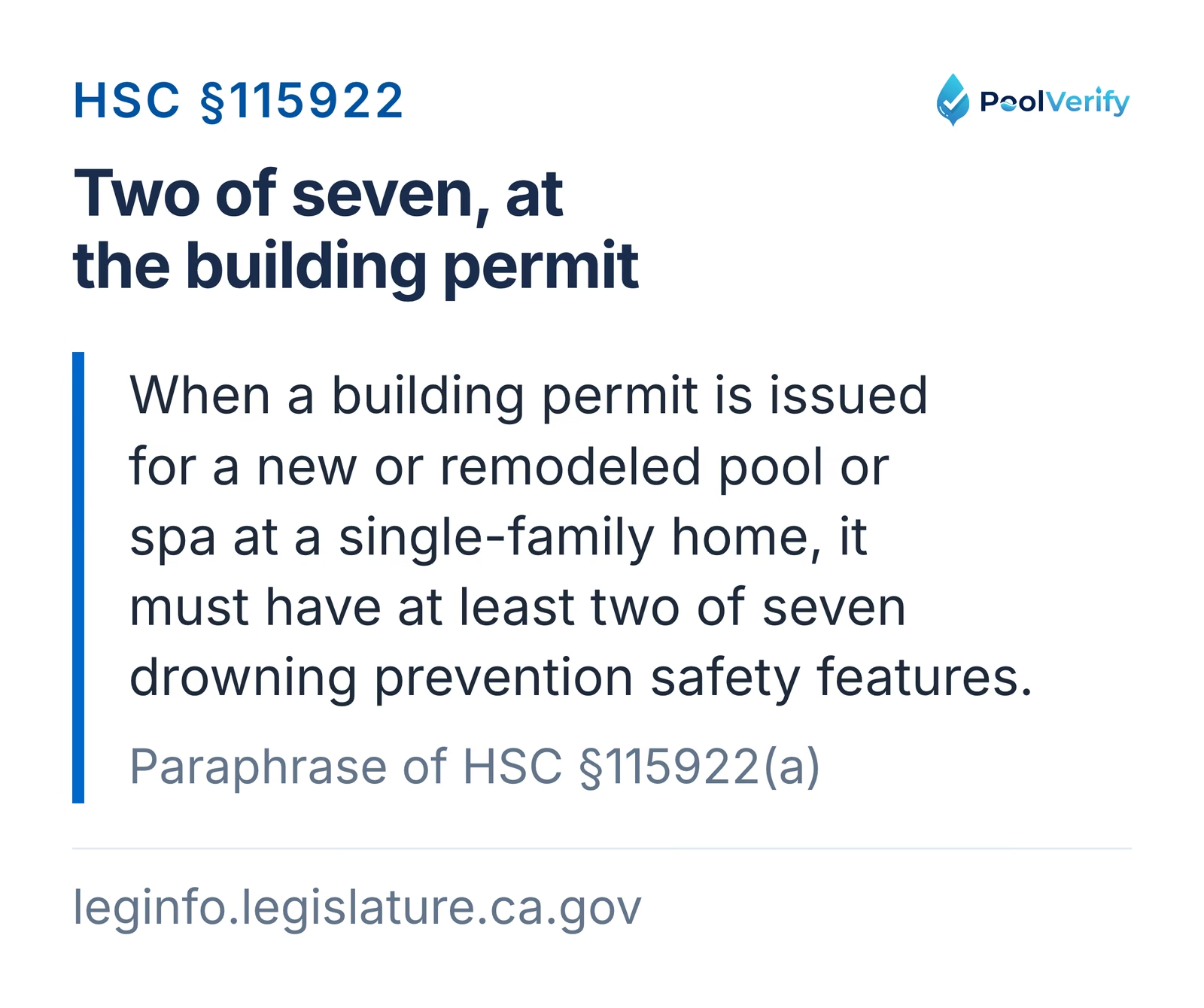
HSC §115922 addresses suction entrapment prevention, requiring:
Drain Cover Compliance:
- ASME/ANSI A112.19.8 or ASTM F2387 certified
- Proper installation and secure fastening
- Regular inspection for damage or deterioration
Anti-Entrapment Systems:
One or more of the following:
- Multiple main drains (minimum 3 feet apart)
- Automatic pump shut-off system (SVRS)
- Drain disablement system
- Other approved engineered solutions
Public Pool Requirements:
Commercial and public pools must comply with additional HSC requirements including:
- Monthly drain cover inspections
- Quarterly system testing
- Documented compliance records
- Immediate repairs of damaged components

Infographic showing California BPC 7195 seven drowning prevention safety features with icons and descriptions
What Pool Inspectors Check: 6 Critical Areas
Professional pool inspectors systematically examine six major areas, each containing multiple checkpoints to ensure comprehensive safety and functionality assessment.
Area 1: Safety Features and Barriers
Perimeter Fencing:
- ✅ Height measurement (minimum 60 inches from grade)
- ✅ Vertical member spacing (maximum 4 inches between)
- ✅ Horizontal member configuration (if climbing deterrent needed)
- ✅ Fence material condition (wood rot, rust, damage)
- ✅ Ground clearance (maximum 2 inches under fence)
- ✅ No climbable objects within 3 feet of fence
Gates and Latches:
- ✅ Self-closing mechanism functionality (gate closes from any angle)
- ✅ Self-latching hardware operation (engages automatically)
- ✅ Latch release height (54-60 inches above ground on pool side)
- ✅ Gate swing direction (opens away from pool)
- ✅ Hinges secure and properly aligned
- ✅ No gaps exceeding 4 inches when closed
Pool Alarms:
- ✅ Surface wave detection operational
- ✅ Minimum 85 decibel output at 10 feet
- ✅ Automatic reset after disturbance
- ✅ Battery condition or power source
- ✅ Placement according to manufacturer specifications
- ✅ Testing verification (actual alarm activation)
Safety Covers:
- ✅ ASTM F1346 certification label present
- ✅ No tears, holes, or deterioration in fabric
- ✅ Track and anchor integrity (automatic covers)
- ✅ Straps and springs functional (manual covers)
- ✅ Can support adult weight without submersion
- ✅ Complete pool coverage when deployed
Exit Alarms:
- ✅ Installed on all doors with direct pool access
- ✅ 85 decibel minimum output
- ✅ Adult-only deactivation mechanism
- ✅ Battery condition or hardwired power
- ✅ Proper door positioning for activation
- ✅ Testing verification
Drain Covers:
- ✅ ASME/ANSI A112.19.8 or ASTM F2387 certification
- ✅ Secure fastening (no loose screws or damaged covers)
- ✅ No cracks, breaks, or missing components
- ✅ Proper size and fit for drain opening
- ✅ Anti-entrapment features functional
- ✅ Multiple drains spaced minimum 3 feet apart (if required)
Area 2: Structural Integrity
Pool Shell Examination:
- ✅ Surface cracks (hairline vs. structural)
- ✅ Hollow spots indicating delamination (fiberglass pools)
- ✅ Discoloration suggesting chemical imbalance damage
- ✅ Pitting or rough texture (plaster degradation)
- ✅ Tile condition and grout integrity
- ✅ Vinyl liner tears, wrinkles, or detachment
- ✅ Beam and coping attachment security
Leak Detection Indicators:
- ✅ Excessive water loss beyond evaporation
- ✅ Wet spots around pool perimeter
- ✅ Constantly running auto-fill systems
- ✅ Soggy soil or foundation settlement
- ✅ Cracking in surrounding hardscape
- ✅ Rust stains from buried metal
Deck and Surrounding Areas:
- ✅ Tripping hazards (raised sections, cracks)
- ✅ Drainage patterns (water flow away from pool)
- ✅ Surface material condition (concrete, pavers, wood)
- ✅ Expansion joints integrity
- ✅ Slip resistance (especially near pool entry)
- ✅ Tree root intrusion or structural damage
Area 3: Equipment and Mechanical Systems
Pump Assessment:
- ✅ Operational status (runs smoothly, no grinding)
- ✅ Proper priming and suction
- ✅ Basket and lid seal integrity
- ✅ Visible leaks from seals or connections
- ✅ Motor temperature (overheating indicators)
- ✅ Noise levels (unusual sounds indicate wear)
- ✅ Age and expected remaining lifespan
Filter Evaluation:
- ✅ Pressure gauge reading (within normal range)
- ✅ Filter type and appropriate sizing for pool
- ✅ Backwash valve operation (sand/DE filters)
- ✅ Cartridge condition and cleaning history
- ✅ Tank integrity (no cracks or corrosion)
- ✅ Air release valve functionality
- ✅ Manifold and lateral condition (sand filters)
Heater Inspection:
- ✅ Operational test (heating capacity)
- ✅ Gas connections and leak detection (gas heaters)
- ✅ Electrical connections (electric heaters)
- ✅ Heat exchanger condition (corrosion, scale)
- ✅ Burner assembly and ignition system
- ✅ Ventilation and combustion air supply
- ✅ Safety controls (high limit, pressure switches)
Plumbing and Circulation:
- ✅ PVC pipe condition (cracks, breaks, sun damage)
- ✅ Valve operation (ball valves, check valves)
- ✅ Return jets functionality and direction
- ✅ Skimmer baskets and weir operation
- ✅ Main drain functionality
- ✅ Visible leaks at connections
- ✅ Pressure testing (if structural concerns)
Automation and Controls:
- ✅ Timer settings and operation
- ✅ Automation system functionality (if present)
- ✅ Remote controls and interfaces
- ✅ Chlorinator or salt system operation
- ✅ Chemical feeders and dosing systems
- ✅ Sensor accuracy (pH, ORP, temperature)
Area 4: Water Quality and Chemistry
Visual Assessment:
- ✅ Water clarity (can you see main drain clearly?)
- ✅ Color (should be blue/clear, not green, cloudy, or brown)
- ✅ Algae presence (walls, steps, corners)
- ✅ Debris and foreign matter
- ✅ Surface foam or scum lines
- ✅ Odor (strong chlorine smell indicates chloramines, not cleanliness)
Chemical Testing:
- ✅ pH level: 7.2-7.8 (ideal: 7.4-7.6)
- ✅ Free chlorine: 1-3 ppm (3-5 ppm for hot tubs)
- ✅ Total alkalinity: 80-120 ppm
- ✅ Calcium hardness: 200-400 ppm
- ✅ Cyanuric acid: 30-50 ppm (chlorine stabilizer)
- ✅ Total dissolved solids: Below 1,500 ppm (above indicates water change needed)
Water Balance Impact:
- ✅ Corrosion potential (low pH damages equipment)
- ✅ Scaling potential (high pH causes calcium deposits)
- ✅ Sanitization effectiveness (pH affects chlorine potency)
- ✅ Swimmer comfort (eyes, skin irritation)
- ✅ Equipment longevity
Area 5: Electrical Systems
Bonding and Grounding:
- ✅ All metal components bonded together (pool shell, ladder, handrails, equipment)
- ✅ Bonding wire size (minimum #8 AWG copper)
- ✅ Bonding clamps secure and corrosion-free
- ✅ Equipment grounding (proper ground connection)
- ✅ Pool pump bonding terminal connection
- ✅ Deck reinforcement bonding (if accessible)
GFCI Protection:
- ✅ All pool equipment on GFCI breakers
- ✅ Pool lights GFCI protected
- ✅ Outdoor receptacles GFCI protected
- ✅ GFCI test button functionality
- ✅ Proper GFCI rating for load
- ✅ No nuisance tripping (indicates electrical issues)
Pool Lighting:
- ✅ Underwater lights operational (all bulbs working)
- ✅ Niche and lens condition (cracks, water intrusion)
- ✅ Proper voltage (12V low-voltage systems preferred)
- ✅ Conduit integrity and connections
- ✅ Junction box accessibility (within 4-8 feet of pool)
- ✅ Grounding and bonding compliance
- ✅ Switch operation and GFCI protection
Electrical Panel and Wiring:
- ✅ Dedicated circuit for pool equipment
- ✅ Proper amperage rating for loads
- ✅ Wire gauge appropriate for distance/load
- ✅ Weatherproof enclosures for outdoor equipment
- ✅ No exposed or damaged wiring
- ✅ Proper disconnect accessibility
- ✅ Compliance with NEC Article 680
Area 6: Surrounding Areas and Additional Features
Deck Surface:
- ✅ Slip resistance adequate for wet conditions
- ✅ Drainage slopes away from pool (minimum 1/4" per foot)
- ✅ No standing water accumulation
- ✅ Cracks or heaving requiring repair
- ✅ Tripping hazards identified
- ✅ Material appropriate for pool environment
Landscaping and Drainage:
- ✅ Soil grade directs water away from pool
- ✅ No erosion near pool structure
- ✅ Tree roots not encroaching on pool or equipment
- ✅ Vegetation clearance from equipment (ventilation)
- ✅ Drainage systems functional (French drains, catch basins)
- ✅ Irrigation systems not directed at pool equipment
Additional Amenities:
- ✅ Diving boards secure and properly installed
- ✅ Slides structurally sound with safe landing zones
- ✅ Waterfalls and features operational
- ✅ Fire features safe distance from pool
- ✅ Handrails secure and rust-free
- ✅ Steps and benches stable and attached

Detailed inspection checklist showing inspector examining each of six critical areas with checkmarks
The Pool Inspection Process: Step-by-Step
Understanding what happens during a pool inspection helps homeowners prepare and ensures inspectors follow comprehensive protocols.
Before the Inspection (1-7 Days Prior)
1. Schedule Appointment
- Choose certified inspector with pool expertise
- Confirm inspection type needed (BPC §7195, pre-purchase, maintenance)
- Schedule during daylight hours for best visibility
- Allow 60-90 minutes for thorough examination
2. Prepare Documentation
- Gather pool equipment manuals and warranties
- Collect previous inspection reports (if available)
- Note any known issues or recent repairs
- Have pool service records ready (chemical logs, maintenance history)
3. Property Access
- Ensure pool area is accessible (unlock gates, clear pathways)
- Remove pool cover if installed
- Turn on all pool equipment 24 hours before inspection
- Clean debris from pool surface for visibility
4. Homeowner Preparation
- Clear deck furniture and obstacles for complete access
- Trim vegetation blocking equipment or safety features
- Ensure electrical panel is accessible
- Have flashlight available for equipment room/dark areas
During the Inspection (30-90 Minutes)
Step 1: Initial Walk-Around (5-10 minutes)
- Inspector introduces themselves and explains process
- Preliminary visual assessment of pool area
- Identification of obvious safety concerns
- Discussion of homeowner concerns or questions
Step 2: Safety Feature Assessment (15-25 minutes)
- Fence and barrier height measurements
- Gate self-closing and self-latching testing
- Alarm testing (pool surface, door exit alarms)
- Safety cover examination and weight testing
- Drain cover verification and security check
- Documentation of all seven BPC §7195 features
Step 3: Equipment Evaluation (15-25 minutes)
- Pump operation testing (start, run, listen for noises)
- Filter pressure check and condition assessment
- Heater operational test (if applicable)
- Plumbing inspection for leaks and damage
- Valve operation verification
- Automation system testing (if present)
Step 4: Structural Examination (10-15 minutes)
- Pool shell surface inspection (walk around perimeter)
- Tile and coping assessment
- Leak indicator identification
- Deck condition and safety evaluation
- Drainage pattern observation
Step 5: Electrical and Water Testing (5-10 minutes)
- GFCI testing at breaker panel
- Pool light operation verification
- Bonding and grounding visual check
- Water chemistry testing (pH, chlorine, alkalinity)
- Visual water quality assessment
Step 6: Photo Documentation (Throughout)
- Safety features (gates, latches, fences, alarms)
- Equipment condition and age labels
- Structural issues (cracks, damage, deterioration)
- Deficiencies requiring repair
- Compliance items for BPC §7195 report
Step 7: Preliminary Findings Discussion (5-10 minutes)
- Inspector reviews major findings with homeowner
- Explains safety violations requiring immediate attention
- Discusses repair recommendations and priorities
- Answers questions about inspection results
After the Inspection (Same Day to 48 Hours)
Digital Inspection Reports (Same Day):
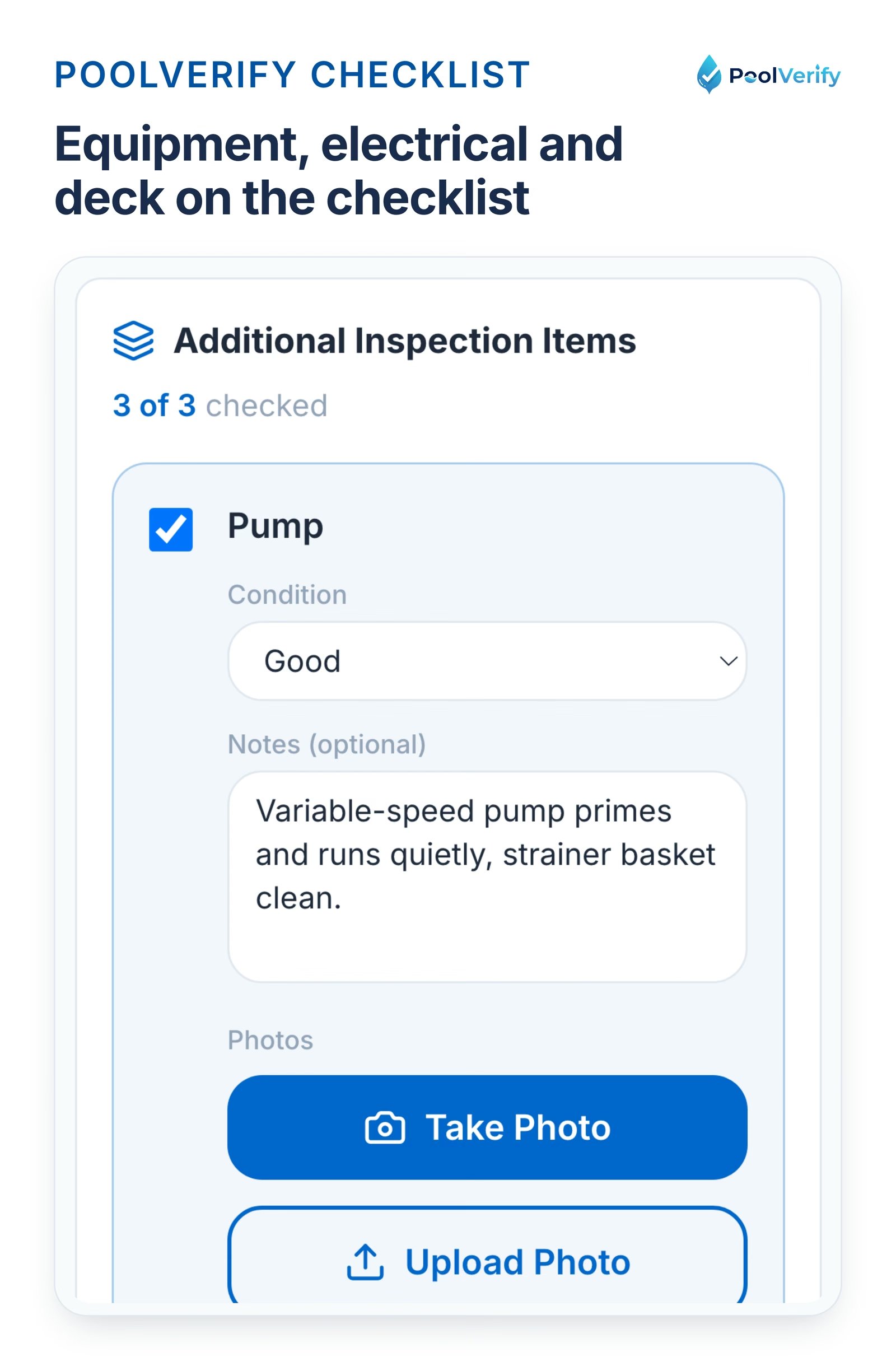
With modern digital inspection software like PoolVerify, inspectors can:
- Generate complete PDF reports on-site (5-10 minutes)
- Email reports before leaving property
- Include all photos with automatic organization
- Provide California-compliant BPC §7195 documentation
- Deliver digital signatures for immediate processing
Traditional Paper Reports (24-48 Hours):
Inspectors using manual methods typically:
- Return to office to type report
- Organize and attach photos manually
- Format compliance documentation
- Mail or email final report within 1-2 business days
Report Contents:
- Executive summary of findings
- Detailed checklist of all inspection areas
- Photo documentation of issues
- BPC §7195 compliance statement (which features present)
- Repair recommendations with priority levels
- Safety violations requiring immediate action
- Estimated cost ranges for repairs (optional)
Follow-Up Actions:
- Immediate safety repairs: Gate latches, fence gaps, GFCI issues
- Near-term repairs: Equipment failures, minor leaks, chemical imbalance
- Long-term planning: Aging equipment replacement, resurfacing needs
- Re-inspection: If required by buyer/seller agreement or lender
How to Prepare for a Pool Inspection
Proper preparation ensures inspectors can complete thorough examinations efficiently and helps identify all issues accurately.
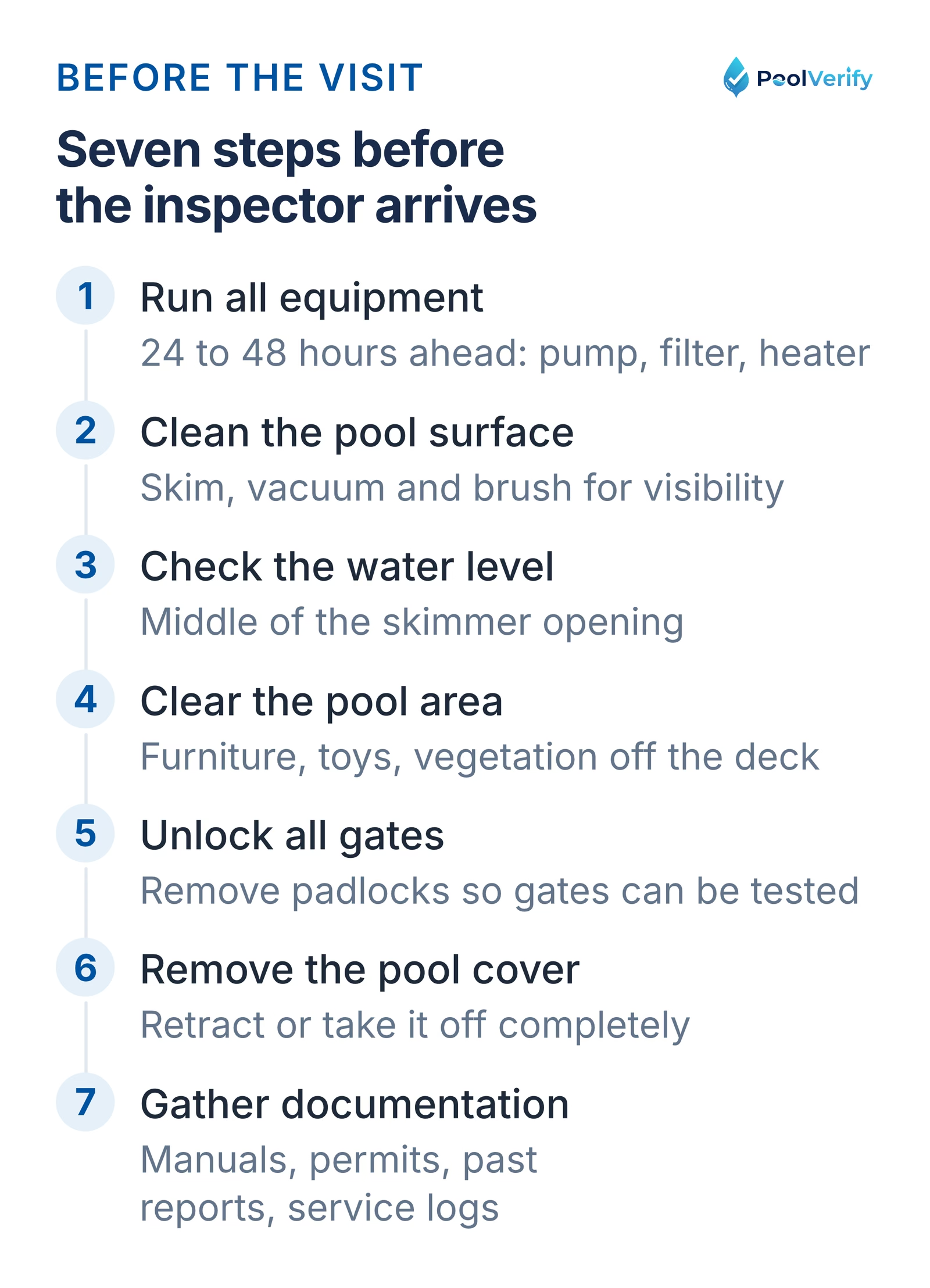
24-48 Hours Before Inspection
1. Run All Equipment
- Turn on pump, filter, heater, and automation systems
- Inspectors need to observe equipment in operation
- Identifies issues that only appear when running
- Allows time for equipment to reach normal operating temperature
2. Clean Pool Surface
- Skim leaves and debris from water surface
- Vacuum pool floor if excessively dirty
- Brush walls to remove light algae
- Ensures inspector can see pool bottom and drains clearly
3. Check Water Level
- Maintain proper water level (middle of skimmer opening)
- Add water if low (affects pump operation)
- Don't drain pool significantly (can damage structure)
4. Clear Pool Area
- Remove furniture, toys, and equipment from deck
- Clear pathways to all gates and access points
- Ensure equipment room/area is accessible
- Trim vegetation blocking safety features or equipment
Day of Inspection
5. Unlock All Gates
- Provide access to entire pool perimeter
- Remove padlocks or chains that prevent gate testing
- Ensure inspector can test self-closing mechanisms
6. Remove Pool Cover
- If using safety cover, retract or remove completely
- Allows inspection of water and pool interior
- Enables testing of circulation and equipment
7. Gather Documentation
- Equipment manuals and warranties
- Previous inspection reports
- Pool service records (chemical logs, maintenance history)
- Building permits for pool construction or renovations
- List of known issues or recent repairs
8. Turn On Pool Lights
- If inspection occurs near dusk, have lights operational
- Allows inspector to test all lighting systems
- Verify GFCI protection functionality
What NOT to Do
❌ Don't deep clean or cover up issues - Inspectors will find problems; hiding them creates credibility concerns
❌ Don't add excessive chemicals - Abnormally high chlorine levels indicate attempt to mask algae or water quality issues
❌ Don't repair major issues without disclosure - If you fixed something significant, tell the inspector (builds trust)
❌ Don't run equipment that doesn't normally work - If your heater is broken, don't attempt to force it on before inspection
❌ Don't drain the pool - Low water levels prevent proper equipment testing and can damage pool structure
For Sellers: Strategic Preparation
Consider Pre-Listing Inspection:
- Identify issues before buyers discover them
- Repair problems proactively to avoid negotiation leverage
- Price property accurately based on pool condition
- Expedite closing by having BPC §7195 compliance ready
Priority Repairs Before Showing:
- Fix obvious safety violations (broken gate latches, fence gaps)
- Replace missing or damaged drain covers
- Repair visible cracks or damage
- Service equipment for smooth operation
- Balance water chemistry
Disclosure Best Practices:
- Document all repairs made to pool and equipment
- Provide service records demonstrating maintenance
- Disclose known issues honestly (builds buyer trust)
- Have BPC §7195 inspection completed before listing

Homeowner preparation checklist infographic showing steps to prepare for pool inspection
Pool Inspection Costs and Pricing
Pool inspection costs vary based on inspection type, pool size, location, and inspector qualifications. Understanding pricing helps budget appropriately and identify fair market rates.
Average Pool Inspection Costs (2026)
| Inspection Type | Average Cost | Range | Duration |
|---|
| BPC §7195 Transfer Inspection | $250 | $175-$350 | 30-45 min |
| Pre-Purchase Comprehensive | $375 | $300-$500 | 60-90 min |
| Maintenance/Safety Check | $200 | $150-$250 | 30-60 min |
| New Construction (per stage) | $150 | $100-$200 | 20-40 min |
| Commercial Pool Inspection | $425 | $250-$600 | 60-120 min |
| Emergency/Same-Day Service | $350 | $300-$450 | 30-60 min |
Factors Affecting Inspection Cost
1. Geographic Location
- High-cost areas (San Francisco, Los Angeles, San Diego): $300-$500
- Mid-cost areas (Sacramento, San Jose, Orange County): $250-$400
- Lower-cost areas (Inland Empire, Central Valley): $175-$300
2. Pool Size and Complexity
- Small pools (<500 sq ft): Standard pricing
- Large pools (>1,000 sq ft): +$50-$100
- Multiple pools or spas: +$100-$150 per additional
- Commercial pools: +$100-$300 based on size
3. Inspection Scope
- Basic safety only (BPC §7195 minimum): Lower end of range
- Comprehensive assessment (all systems): Higher end of range
- Specialized testing (leak detection, structural analysis): Additional $150-$500
- Water chemistry analysis (detailed panel): Additional $50-$100
4. Inspector Qualifications
- Certified pool inspector specialists: Premium pricing
- General home inspectors with pool add-on: Standard pricing
- Pool service companies: May offer discounted inspection with service contract
5. Report Delivery
- Digital same-day reports: Standard pricing (increasingly common)
- Traditional 24-48 hour reports: Standard pricing
- Rush delivery (same-day traditional): +$50-$100
What's Included in Inspection Cost
Standard Inclusions:
- ✅ On-site inspection (30-90 minutes)
- ✅ Safety feature assessment
- ✅ Equipment evaluation
- ✅ Water quality testing (basic)
- ✅ Photo documentation
- ✅ Written report with findings
- ✅ BPC §7195 compliance statement (if applicable)
Typically NOT Included:
- ❌ Repairs or corrective work
- ❌ In-depth leak detection (pressure testing, dye testing)
- ❌ Structural engineering analysis
- ❌ Advanced water chemistry testing
- ❌ Equipment replacement cost estimates (some inspectors include)
- ❌ Re-inspection after repairs (usually separate fee: $100-$150)
Cost vs Value Consideration
Pre-Purchase Inspection ROI:
A $375 inspection that identifies:
- $8,000 equipment replacement need → Negotiate $8,000 price reduction
- $3,500 resurfacing requirement → Factor into offer price
- $1,200 safety compliance repairs → Request seller completion
- Total value: $12,700 in identified issues and negotiation leverage
Investment perspective: A $375 inspection preventing a $10,000+ surprise is exceptional value.
How to Find Fair Pricing
Request Multiple Quotes:
- Contact 3-5 inspectors in your area
- Compare what's included in each price
- Ask about inspector certifications and experience
- Verify BPC §7195 compliance reporting capabilities
Questions to Ask:
- "What inspection areas does your fee cover?"
- "Are you certified specifically for pool inspections?"
- "Do you include BPC §7195 compliance documentation?"
- "When will I receive the inspection report?"
- "What format is the report (digital PDF, paper, etc.)?"
- "Do you provide repair cost estimates?"
- "Is a re-inspection included if repairs are made?"
Red Flags:
- ⚠️ Prices significantly below market ($100 for comprehensive inspection)
- ⚠️ Inspector offers to do repairs (conflict of interest)
- ⚠️ No written report provided
- ⚠️ Not familiar with California BPC §7195 requirements
- ⚠️ Refuses to provide proof of liability insurance
- ⚠️ No references or online reviews available
For more detailed cost information, see our Pool Inspection Cost Guide.
Finding a Qualified Pool Inspector
Choosing a competent inspector ensures thorough assessment and accurate California compliance documentation.
Inspector Qualifications to Verify
Certifications and Training:
- ✅ InterNACHI Certified (International Association of Certified Home Inspectors)
- ✅ ASHI Member (American Society of Home Inspectors)
- ✅ Pool/Spa Inspection Certification (InterNACHI or NACHI)
- ✅ California Home Inspector License (if required in jurisdiction)
- ✅ CPO Certification (Certified Pool Operator - demonstrates water chemistry knowledge)
Experience Requirements:
- ✅ Minimum 2-3 years conducting pool inspections
- ✅ 100+ pool inspections completed
- ✅ Familiarity with California BPC §7195 and HSC §115922
- ✅ Experience with your pool type (gunite, fiberglass, vinyl)
Insurance and Bonding:
- ✅ General liability insurance ($1M minimum)
- ✅ Errors and omissions (E&O) insurance
- ✅ Proof of coverage available upon request
Where to Find Pool Inspectors
Professional Association Directories:
Online Search Strategies:
- Google: "pool inspector near me California"
- Google: "BPC 7195 pool inspection [city name]"
- Yelp, Thumbtack, HomeAdvisor (read reviews carefully)
Referrals:
- Real estate agents (often have preferred inspector lists)
- Pool service companies (may offer inspection services)
- Recent homebuyers in your area
- Homeowner associations or community groups
Pool Service Companies:
Many pool service companies offer inspection services. Pros: Convenient, familiar with pool types in your area. Cons: May have incentive to find issues they can repair (choose companies that separate inspection from service).
Questions to Ask Before Hiring
Experience and Expertise:
- "How many pool inspections do you conduct monthly?"
- "Are you certified specifically for pool and spa inspections?"
- "Do you have experience with [my pool type: gunite/fiberglass/vinyl]?"
- "Are you familiar with California BPC §7195 requirements?"
Inspection Process:
- "What areas of the pool and equipment do you inspect?"
- "How long does a typical inspection take?"
- "Do you test the water chemistry?"
- "Will you test all safety features (gates, alarms, etc.)?"
Reporting:
- "When will I receive the inspection report?"
- "What format is the report (PDF, paper, online portal)?"
- "Does the report include photos of issues found?"
- "Do you provide BPC §7195 compliance documentation?"
- "Will you explain the findings in person or via phone?"
Costs and Follow-Up:
- "What is your fee and what does it include?"
- "Are there additional charges for larger pools or spas?"
- "Do you offer re-inspection services if repairs are made?"
- "Can you provide references from recent clients?"
Red Flags to Avoid
❌ Can't provide proof of certification or insurance
❌ Offers to perform repairs (conflict of interest - inspectors should inspect only)
❌ Significantly cheaper than competitors ($100 for comprehensive inspection is suspiciously low)
❌ Not familiar with BPC §7195 California requirements
❌ Reluctant to answer questions or provide sample reports
❌ No online reviews or references available
❌ Pressures you to book immediately without allowing research time
What Makes an Excellent Inspector
Beyond Certifications:
- ✅ Takes time to explain findings clearly (doesn't rush)
- ✅ Willing to answer questions during and after inspection
- ✅ Provides detailed, photo-rich reports
- ✅ Offers recommendations without selling services
- ✅ Stays current on California regulation changes
- ✅ Uses professional inspection tools and equipment
- ✅ Demonstrates respect for your property
- ✅ Maintains professional communication
For more guidance, see our article on How to Become a Pool Inspector to understand what training and skills quality inspectors possess.
Pool Inspection Reports: What to Expect
Professional pool inspection reports document findings, provide compliance verification, and guide repair decisions. Understanding report contents helps you act on recommendations effectively.
Standard Report Components
1. Property and Pool Information
- Address and inspection date
- Pool type (gunite, fiberglass, vinyl liner)
- Pool size and dimensions
- Spa or hot tub (if present)
- Age of pool and equipment (if determinable)
2. Executive Summary
- Overall pool condition assessment
- Critical safety issues requiring immediate attention
- Major repair recommendations
- Estimated condition rating (Excellent/Good/Fair/Poor)
3. Safety Feature Assessment (BPC §7195)
- Checklist of all seven drowning prevention features
- Identification of which features are present
- Functionality testing results (pass/fail for each)
- Explicit statement if fewer than two features present
- Photos of each safety feature
4. Equipment Evaluation
- Pump condition and operation
- Filter type, condition, and pressure readings
- Heater functionality and safety (if applicable)
- Automation systems and controls
- Chemical feeders and sanitization equipment
- Age estimates for major components
5. Structural Findings
- Pool shell integrity (cracks, delamination, deterioration)
- Tile and coping condition
- Deck surface assessment
- Leak indicators
- Photos of structural issues
6. Water Quality Results
- pH level reading
- Free chlorine measurement
- Total alkalinity
- Visual water clarity assessment
- Recommendations for chemical adjustment
7. Electrical Systems
- GFCI protection verification
- Bonding and grounding assessment
- Pool lighting functionality
- Compliance with NEC Article 680 codes
8. Photo Documentation
- Safety features (gates, latches, alarms, covers)
- Equipment labels showing age and model
- Identified deficiencies
- Structural issues
- Before/after comparisons (if applicable)
9. Recommendations and Prioritization
- Immediate/Critical: Safety violations, equipment failures creating hazards
- Near-term (1-6 months): Deteriorating equipment, minor leaks, compliance issues
- Long-term (1-3 years): Preventive maintenance, equipment nearing end of life
- Optional improvements: Upgrades, efficiency enhancements
10. California Compliance Statement
Clear documentation of BPC §7195 compliance:
- "The pool is equipped with [number] of the seven required drowning prevention safety features"
- List of which specific features are present
- If fewer than two: explicit statement required by law
Digital vs Traditional Reports
Digital Reports (Modern Standard):
- ✅ PDF format delivered via email same day
- ✅ Interactive table of contents with clickable navigation
- ✅ High-resolution embedded photos
- ✅ Searchable text for easy reference
- ✅ Digital signatures included
- ✅ Easy to share with contractors, buyers, or lenders
Traditional Paper Reports:
- ⚠️ Mailed or delivered 24-48 hours after inspection
- ⚠️ Photos may be lower quality or separate attachments
- ⚠️ Harder to share and duplicate
- ⚠️ Physical storage required
- ⚠️ Manual signatures (delays delivery)
Modern Inspection Software Benefits:
Platforms like PoolVerify enable inspectors to:
- Generate reports on-site in 5-10 minutes
- Include unlimited photos automatically organized
- Ensure California BPC §7195 compliance formatting
- Collect digital signatures from homeowners
- Email reports before leaving the property
- Update templates automatically when regulations change
How to Read and Act on Your Report
Step 1: Review Executive Summary
- Understand overall assessment quickly
- Identify critical issues requiring immediate action
- Note major expense items for budgeting
Step 2: Address Critical Safety Items First
Safety violations endanger occupants and create liability:
- Broken or non-functional gate latches
- Fence gaps or damage allowing access
- Missing or damaged drain covers
- Non-functional GFCI protection
- Suction entrapment hazards
Timeline: Repair immediately (within 1 week maximum)
Step 3: Plan Near-Term Repairs
Equipment failures and minor issues:
- Pump or filter malfunctions
- Heater operational problems
- Minor leaks affecting water level
- Water chemistry imbalances
Timeline: Address within 1-6 months
Step 4: Budget Long-Term Replacements
Age-related equipment approaching end of lifespan:
- Pump over 8-10 years old
- Filter over 10-15 years old
- Heater over 10-12 years old
- Pool surface over 15-20 years old (plaster)
Timeline: Plan and budget for 1-3 years
Step 5: Get Repair Estimates
- Obtain quotes from 2-3 licensed contractors
- Prioritize repairs based on safety, then cost-effectiveness
- Consider bundling related repairs for efficiency
- Verify contractors are licensed and insured
Step 6: Re-Inspection (If Required)
If inspection was for real estate transaction:
- Seller completes agreed-upon repairs
- Re-inspection verifies proper completion
- Updated report confirms compliance
Re-inspection fee: Typically $100-$150 (less than initial inspection)
For more details on what inspectors examine, see our guide on What Does a Pool Inspector Look For.
Common Pool Inspection Failures
Understanding frequent failure points helps homeowners address issues proactively and prepare for inspections.
Top 10 Pool Inspection Failures
1. Non-Compliant Gates and Latches (40% of failures)
- Gate doesn't self-close from all positions
- Latch doesn't engage automatically
- Latch release positioned incorrectly (wrong height)
- Gate swings toward pool instead of away
- Gap between gate and post exceeds 4 inches
2. Fence Height or Spacing Violations (30%)
- Fence under 60 inches tall
- Vertical spacing exceeds 4 inches between members
- Ground clearance over 2 inches under fence
- Climbable objects within 3 feet of fence
3. Missing or Damaged Drain Covers (25%)
- No ASME/ANSI or ASTM certified covers
- Cracked or broken drain covers
- Missing screws or loose installation
- Single drain (should have two spaced 3+ feet apart)
4. Non-Functional Pool or Exit Alarms (20%)
- Dead batteries in door exit alarms
- Pool surface alarm not operational
- Alarm volume below 85 decibels
- Alarm easily disabled by children
5. GFCI Protection Issues (18%)
- Pool equipment not on GFCI breakers
- GFCI test button non-functional
- Outdoor receptacles missing GFCI
- Pool lights not GFCI protected
6. Equipment Failures (15%)
- Pump not operating or making grinding noises
- Filter pressure abnormally high or low
- Heater not igniting or heating
- Leaks at equipment connections
7. Structural Damage (12%)
- Cracks in pool shell (hairline vs structural)
- Delaminated fiberglass or loose tiles
- Deteriorating plaster or pitting
- Deck cracks or heaving creating tripping hazards
8. Water Quality Issues (10%)
- pH significantly out of range (below 7.0 or above 8.0)
- Green water indicating algae growth
- Cloudy water reducing visibility
- Strong chemical odor (chloramines)
9. Bonding and Grounding Deficiencies (8%)
- Pool components not bonded together
- Missing or corroded bonding clamps
- Improper wire size for bonding
- Equipment not properly grounded
10. Inadequate Safety Features (< 2 required) (5%)
- Property has zero or one safety feature
- Doesn't meet California BPC §7195 minimum
- Existing features non-functional
Prevention and Proactive Maintenance
Annual Self-Inspection Checklist:
- ✅ Test gate self-closing and self-latching monthly
- ✅ Verify fence height and integrity quarterly
- ✅ Check drain covers for damage before each season
- ✅ Test all alarms monthly (replace batteries annually)
- ✅ Test GFCI protection monthly using test button
- ✅ Service equipment annually (pump, filter, heater)
- ✅ Monitor pool structure for new cracks or damage
- ✅ Test water chemistry weekly during swim season
Professional Maintenance Schedule:
- Annual comprehensive inspection
- Equipment service every 1-2 years
- Electrical system check every 3-5 years
- Resurface pool every 10-20 years (plaster) or 15-30 years (pebble)
By addressing these common issues proactively, you'll avoid inspection failures and ensure continuous compliance with California pool safety laws.
Digital vs Paper Pool Inspections
The pool inspection industry is transitioning from traditional paper checklists to digital platforms. Understanding the difference helps you choose qualified inspectors and receive better service.
Traditional Paper Inspection Methods
Process:
- Inspector arrives with printed checklist
- Marks checkboxes and writes notes by hand
- Takes photos with separate camera or phone
- Returns to office to type report
- Manually inserts photos into document
- Prints, signs, scans, and emails report (24-48 hours later)
Advantages:
- ✅ No technology dependency on-site
- ✅ Works in areas without cell reception
- ✅ Familiar process for veteran inspectors
Disadvantages:
- ❌ Report delivery delayed 24-48 hours
- ❌ Higher risk of transcription errors
- ❌ Photos and notes can be mismatched
- ❌ Manual formatting time-consuming
- ❌ Difficult to update templates when regulations change
- ❌ Hard to maintain consistency across inspections
Process:
- Inspector opens inspection app on tablet or phone
- Completes digital checklist with pre-built California templates
- Takes photos directly in app (auto-attached to relevant items)
- Collects digital signatures on device
- Taps "Generate Report" - PDF created instantly
- Emails report to client before leaving property (5-10 minutes)
Advantages:
- ✅ Same-day report delivery (often on-site)
- ✅ No transcription errors (direct data entry)
- ✅ Photos automatically organized and embedded
- ✅ California BPC §7195 compliance guaranteed (pre-built templates)
- ✅ Automatic template updates when laws change
- ✅ Consistent formatting across all inspections
- ✅ Cloud backup prevents data loss
- ✅ Professional branded reports with logos
Disadvantages:
- ⚠️ Requires internet connection (though most have offline mode)
- ⚠️ Inspector must be comfortable with technology
- ⚠️ Subscription cost for inspection software
Impact on Inspection Quality
Faster Report Delivery:
Digital inspections deliver reports the same day (often within minutes), allowing:
- Buyers to make faster decisions
- Sellers to address issues immediately
- Real estate transactions to close on schedule
- Repairs to begin without delay
Improved Accuracy:
Pre-built California templates ensure:
- All required safety features are checked
- No compliance items are overlooked
- Consistent terminology and formatting
- Legally compliant BPC §7195 documentation
Better Organization:
Digital reports provide:
- Clickable table of contents
- High-resolution embedded photos
- Searchable text for easy reference
- Easy sharing with contractors and agents
What to Look for in Inspector Technology
Questions to Ask Prospective Inspectors:
- "Do you use digital inspection software?"
- "When will I receive my report?" (Same day = digital, 24-48 hours = paper)
- "Does your software include California BPC §7195 templates?"
- "Can you generate the report on-site?"
- "How are photos organized in the report?"
Software Platforms Inspectors Use:
General Home Inspection Software:
- Spectora (comprehensive but requires pool template setup)
- HomeGauge (desktop-based, add-on pool templates needed)
- HappyCo (property management focus)
- ISN (comprehensive platform)
Pool-Specific Software:
- PoolVerify - Built exclusively for California pool safety inspections with pre-configured BPC §7195 and HSC §115922 compliance templates, instant PDF generation, and responsive web app (no installation required)
The Future of Pool Inspections
Emerging Technologies:
- Drone photography for large commercial pools and resort properties
- AI-assisted defect detection analyzing photos for cracks and damage
- 3D modeling for structural assessment and visualization
- Automated water chemistry analysis with instant readings
- Blockchain compliance verification for tamper-proof inspection records
Industry Trend: Digital inspections are becoming the standard, with 70%+ of professional inspectors adopting digital platforms by 2026. Homeowners increasingly expect same-day reports and digital delivery.
For inspectors interested in digital solutions, see our comparison of Best Pool Inspection Software in California.
Frequently Asked Questions
What is a pool inspection?
A pool inspection is a comprehensive safety and operational assessment conducted by a qualified inspector to evaluate a swimming pool or spa's condition, functionality, and compliance with local regulations. In California, pool inspections must verify at least two of seven required drowning prevention safety features per BPC §7195.
How much does a pool inspection cost?
Pool inspections typically cost $150-$400 depending on location, pool size, and inspection type. Residential pool safety inspections average $200-$300, while comprehensive pre-purchase inspections may cost $300-$500. California BPC §7195 compliance inspections usually range from $175-$350.
What do pool inspectors check during an inspection?
Pool inspectors examine six main areas: (1) safety features (fences, gates, alarms), (2) structural integrity (shell cracks, leaks), (3) equipment (pumps, filters, heaters), (4) water quality (pH, chlorine levels), (5) electrical systems (GFCI protection, wiring), and (6) surrounding areas (deck safety, drainage).
Are pool inspections required in California?
Yes. California law requires pool safety inspections during property transfers (BPC §7195). New pool construction requires multiple inspections at pre-gunite, pre-deck, fence/gate, and final stages. Some cities also require periodic safety inspections for rental properties or after pool modifications.
How long does a pool inspection take?
A standard residential pool safety inspection takes 30-60 minutes for the on-site examination. Comprehensive pre-purchase inspections may take 60-90 minutes. The inspector then generates a detailed report, which can be delivered immediately with digital inspection software or within 24-48 hours with traditional methods.
Can I do my own pool inspection?
While homeowners can perform basic safety checks and maintenance assessments, official pool inspections for real estate transactions, compliance verification, or municipal requirements must be conducted by certified inspectors. California BPC §7195 inspections specifically require qualified home inspectors or pool safety professionals.
What happens if my pool fails inspection?
If your pool fails inspection due to safety violations or compliance issues, you'll receive a detailed report identifying deficiencies. You must complete required repairs and often schedule a re-inspection to verify proper correction. For real estate transactions, sellers typically address failures before closing or negotiate repair credits with buyers.
Do I need a pool inspection when buying a house?
While not legally required for purchase, pool inspections are highly recommended before buying a home with a pool. A $300-$500 inspection can identify $5,000-$50,000+ in hidden repair costs, allowing you to negotiate price adjustments or request seller repairs. California BPC §7195 inspections are mandatory for property transfers.
Conclusion: Ensuring Pool Safety Through Professional Inspections
Pool inspections are essential safety assessments that protect families, preserve property value, and ensure regulatory compliance. Whether you're buying a home with a pool, selling a property in California, maintaining pool safety, or working as a professional inspector, understanding the inspection process ensures comprehensive evaluation and proper documentation.
Key Takeaways:
- Pool inspections examine six critical areas: safety features, structural integrity, equipment, water quality, electrical systems, and surrounding areas
- California requires BPC §7195 compliance during property transfers, verifying at least two of seven drowning prevention safety features
- Professional inspections cost $150-$400 and provide invaluable protection against expensive surprises
- Digital inspection platforms deliver same-day reports with guaranteed California compliance
- Proper preparation ensures thorough inspections and accurate findings
For Homeowners
Schedule annual pool inspections to:
- Identify safety hazards before accidents occur
- Catch equipment failures early (saving thousands in repairs)
- Maintain compliance with California regulations
- Preserve property value and marketability
For Inspectors
Professional pool inspections require:
- Proper certification and training
- Knowledge of California BPC §7195 and HSC §115922 requirements
- Systematic examination of all six critical areas
- Clear, accurate reporting with compliance documentation
- Modern digital tools for efficiency and accuracy
Ready to conduct professional California pool inspections with confidence?
PoolVerify provides pool inspectors with pre-built BPC §7195 and HSC §115922 compliance templates, instant PDF report generation, and guaranteed California regulatory compliance—all in a responsive web app that works on any device.
Start Your Free 14-Day Trial →
✅ Pre-configured California compliance checklists
✅ Generate reports on-site in under 5 minutes
✅ Automatic updates when regulations change
✅ Professional branded reports with digital signatures
Full feature access. Cancel anytime.
Sources:
Related Posts