Complete guide to California Business & Professions Code §7195 pool inspection requirements for property transfers. Learn inspection procedures, reporting requirements, penalties, training, and compliance for 2026.
California Business and Professions Code Section 7195 (BPC §7195) establishes critical pool safety inspection requirements that every home inspector, property owner, and real estate professional must understand. Enacted as part of California's comprehensive drowning prevention strategy, this statute mandates specific reporting standards for pool and spa inspections during property transfers.
With updated training requirements effective January 1, 2024, and enhanced enforcement provisions through SB 552 in 2025, compliance with BPC §7195 is more important than ever. This complete guide explains exactly what BPC §7195 requires, who must comply, step-by-step inspection procedures, reporting standards, penalties for violations, and how to ensure full compliance in 2026.
What is California BPC §7195?
California Business and Professions Code Section 7195 is a state statute that defines home inspection requirements, with specific provisions for pool and spa safety inspections during residential property transfers. Located in Chapter 9.3 (Home Inspectors) of the Business and Professions Code, this section establishes professional standards for home inspectors conducting evaluations of residential dwellings with pools or spas.
Core requirements of BPC §7195
BPC §7195 mandates that when a home inspection is performed on a property with a swimming pool or spa, the inspection must include:
Noninvasive physical examination of the pool or spa to identify drowning prevention safety features
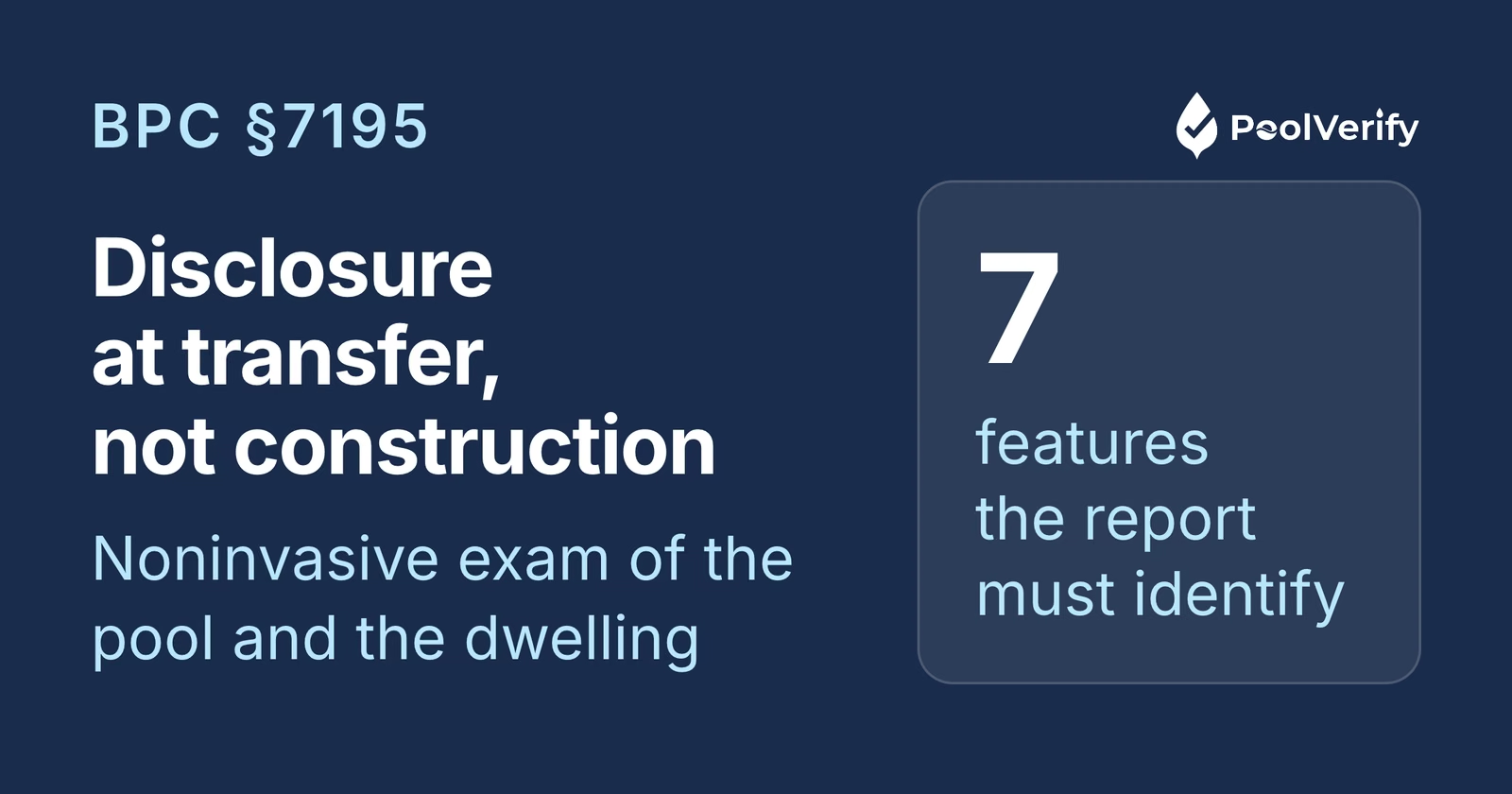
Documentation of which of the seven approved safety features are present
Explicit statement if fewer than two safety features exist
Assessment of whether features are in good repair, operable as designed, and appropriately labeled
Educational disclosure about pool isolation fencing effectiveness
The statute applies specifically to "residential dwellings of one to four units" being transferred, meaning single-family homes, condominiums, townhomes, and small multi-family properties up to fourplexes.
Definition of home inspection under BPC §7195
BPC §7195 defines a "home inspection" as:
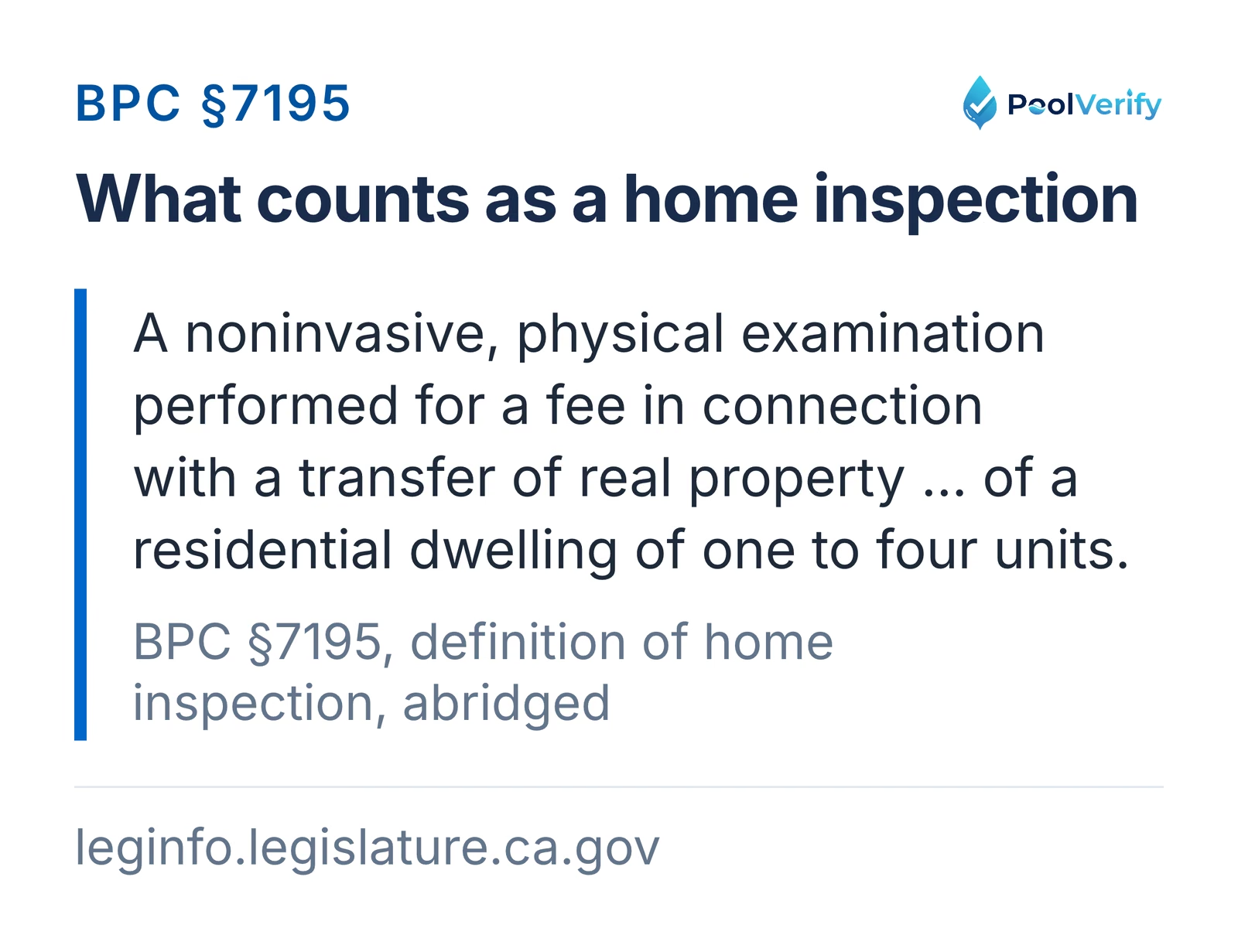
A noninvasive, physical examination performed for a fee in connection with a transfer of real property of the mechanical, electrical, or plumbing systems or the structural and essential components of a residential dwelling of one to four units that is designed to identify material defects in those systems and components.
This definition is critical because it establishes that pool safety evaluation is mandatory when formal home inspections are conducted, not optional or separate. Inspectors cannot perform comprehensive home inspections without addressing pool compliance.
BPC §7195 defines a home inspection as a noninvasive examination for a fee at the transfer of a one to four unit dwelling
Key distinction: BPC §7195 does not require inspections, it establishes what inspectors must do if an inspection is performed. However, real estate practices and buyer due diligence typically result in inspections for most property transfers.
Legislative history and purpose
Understanding the legislative history behind BPC §7195 provides context for why compliance is rigorously enforced and how requirements have evolved over time.
Origins: Senate Bill 442 (2017)
BPC §7195's pool inspection provisions originated from Senate Bill 442, introduced in 2017 by Senator Jerry Hill. SB 442 was crafted in response to persistent child drowning deaths in California residential pools, despite existing safety standards.
Legislative intent: The bill sought to strengthen enforcement of Health and Safety Code §115922 (the Swimming Pool Safety Act) by ensuring pool safety compliance is verified and disclosed during property transfers.
Effective date: January 1, 2018
Enhancement: Senate Bill 736 (2021-2022)
Senate Bill 736 amended BPC §7195 to add mandatory training requirements for home inspectors conducting pool inspections. Key provisions include:
Training mandate: Beginning January 1, 2024, home inspectors must complete continuing education training modules every three years to maintain certification for pool inspection
Standardization: Training must cover identification of all seven drowning prevention safety features
Accountability: Establishes professional standards for competent pool safety evaluation
Status: Enacted and training requirements effective as of January 1, 2024
Latest update: Senate Bill 552 (2024)
Senate Bill 552, signed by Governor Newsom on September 27, 2024, further refined BPC §7195 inspection requirements:
Enhanced specificity: Clarified that inspectors must explicitly identify each safety feature's operational status
Enforcement provisions: Strengthened building department authority to verify compliance
Technical standards: Updated references to current ASTM and ANSI specifications
Effective date: January 1, 2025
The drowning prevention imperative
California's legislative focus on pool safety stems from sobering statistics:
30-50 children drown in California pools annually (California Department of Public Health)
Pools are the #1 cause of accidental death for children ages 1-4 in California
87% reduction in drowning incidents when pools have two or more safety features
Property transfers represent critical intervention points to upgrade pool safety
BPC §7195 creates a mandatory checkpoint during real estate transactions to identify pools lacking adequate safety features, giving buyers information to demand corrections and prompting sellers to proactively upgrade pools before listing.
Who must comply with BPC §7195
BPC §7195 creates obligations for multiple parties involved in residential real estate transactions. Understanding who must comply, and what their specific responsibilities are, is essential for avoiding violations.
Home inspectors (primary obligation)
Licensed home inspectors conducting property inspections bear the primary compliance obligation under BPC §7195. This includes:
Professional inspectors certified through organizations like CREIA (California Real Estate Inspection Association), InterNACHI (International Association of Certified Home Inspectors), or ASHI (American Society of Home Inspectors)
Licensed contractors performing inspection services (C-53 pool contractors, B general contractors)
Any person conducting formal home inspections for compensation during property transfers
Inspector responsibilities:
Complete required training modules (every 3 years, as of January 1, 2024)
Conduct noninvasive physical examination of pool and drowning prevention features
Document findings in inspection report with required disclosure language
Identify operational status and compliance for each safety feature
Property sellers (disclosure obligation)
While BPC §7195 doesn't directly obligate sellers, complementary statutes (particularly SB 442 amendments to HSC §115922) require sellers to:
Provide pool safety feature certification to buyers
Obtain professional inspection documenting safety features
Disclose if pool has fewer than two required safety features
Include pool compliance information in property disclosures
Practical impact: Sellers effectively must ensure BPC §7195-compliant inspections occur to satisfy disclosure obligations.
Real estate agents (facilitation obligation)
Real estate professionals have a duty to facilitate compliance by:
Informing sellers about pool inspection requirements
Recommending qualified inspectors familiar with BPC §7195
Ensuring inspection reports contain required pool safety disclosures
Advising buyers about pool compliance status based on inspection findings
Failure to ensure proper pool inspections can expose agents to professional liability and complaints to the Department of Real Estate.
Property buyers (due diligence beneficiaries)
Buyers are beneficiaries of BPC §7195 protections:
Receive disclosure about pool safety feature status
Can negotiate repairs or credits for non-compliant pools
Gain information to make informed purchasing decisions
Have grounds to cancel purchase agreements if disclosures are inadequate
Who does NOT need to comply
BPC §7195 does not apply to:
Homeowners conducting their own informal pool assessments (unless offering inspection services for fee)
Pool service technicians performing routine maintenance (not formal inspections)
Commercial property inspections (only applies to residential 1-4 units)
BPC §7195 requirements are triggered in specific circumstances. Understanding when compliance is mandatory helps inspectors, sellers, and buyers plan accordingly.
Primary trigger: Property transfer with home inspection
The most common scenario activating BPC §7195 is:
A formal home inspection conducted in connection with a transfer of residential real property (1-4 units) that includes a swimming pool or spa.
This occurs during:
Traditional home sales (buyer's due diligence inspection)
Key requirement: The inspection must be "performed for a fee" and "in connection with a transfer of real property." Informal inspections or those not related to transfers don't trigger BPC §7195.
What constitutes a "swimming pool or spa"
BPC §7195 applies to pools and spas meeting this definition (from HSC §115922):
Depth: Any structure containing water over 18 inches deep
Purpose: Intended for swimming or recreational bathing
Exempt: Temporary portable pools not permanently plumbed or installed
Property types covered
BPC §7195 applies to residential dwellings of one to four units:
YesCovered property types:
Single-family detached homes
Condominiums and townhomes
Duplexes (two-unit properties)
Triplexes and fourplexes
Manufactured homes on permanent foundations
NoNot covered:
Apartment complexes (5+ units)
Commercial properties
Hotels and motels
Public or community pools
Pools at schools or parks
Scenarios where BPC §7195 does NOT apply
No formal home inspection: If buyers waive inspection contingencies or purchase "as-is" without inspection, BPC §7195 doesn't mandate an inspection occur. However, SB 442 still requires seller disclosure of pool safety features.
Non-transfer inspections: Pool inspections for insurance purposes, routine maintenance assessments, or homeowner curiosity are not "in connection with property transfer" and don't trigger BPC §7195 requirements, though following the standards is still best practice.
Commercial properties: Five-unit and larger residential properties, plus all commercial pools, fall under different regulatory frameworks (county health departments) and are not subject to BPC §7195.
The seven drowning prevention safety features
BPC §7195 requires inspectors to identify which of seven specific drowning prevention safety features are present. These features, originally established by HSC §115922 (the Swimming Pool Safety Act), represent proven drowning prevention methods validated by research and safety organizations.
Understanding each feature's requirements, how to identify compliant installations, and common deficiencies is essential for thorough inspections.
Feature 1: Enclosure barrier with compliant gates
A physical barrier (fence or wall) that completely isolates the pool from the residence and surrounding property, with self-closing, self-latching gates.
Compliance requirements:
Height: Minimum 60 inches measured from grade on barrier exterior
Spacing: Vertical opening maximum 4 inches between components
Ground clearance: Maximum 2 inches between barrier bottom and grade
Gates: Must self-close from any position and self-latch when released
Latch height: Self-latching device at least 60 inches above the ground (HSC §115923(a))
No climbing aids: Smooth surface on pool side without footholds
Inspection verification:
Measure barrier height at multiple points (look for low spots)
Test gate self-closing from various positions
Verify latch engages automatically without manual assistance
Check latch is positioned correctly (60 inches or more above the ground)
Inspect for gaps, damage, or deterioration
Common deficiencies:
Gates don't fully close or latch requires manual engagement
Barrier less than 60 inches at some points
Horizontal rails creating "ladder effect" on pool side
Gaps exceeding 4 inches between slats or under barrier
Feature 2: Building wall as barrier with protected openings
When the residence forms part of the pool barrier, all doors and windows providing pool access must be secured with alarms or other protective measures.
Compliance requirements:
Exit alarms on doors: Minimum 85 decibels at 10 feet, automatic reset, temporary disabling capability
Window protection: Windows within 60 inches of grade must have child-resistant mechanisms or sills above 60 inches
Pet door security: Pet doors made inoperable or equipped with alarms
Continuous protection: No unalarmed access points from dwelling to pool
Inspection verification:
Test exit alarm functionality and decibel level
Verify alarm sounds when door opens
Check manual override function (should disable alarm temporarily)
Inspect all potential access points (doors, windows, pet doors)
Common deficiencies:
Exit alarms with dead batteries or disconnected
Alarm volume below 85 decibels
Windows without protection within reach of pool
Pet doors providing unalarmed access
Feature 3: Removable mesh or safety fence (ASTM F2286)
A temporary barrier system meeting ASTM F2286 specifications, typically used for seasonal protection or properties where permanent fencing is impractical.
Compliance requirements:
Standard: Must meet ASTM F2286 specifications
Height: Minimum 48 inches (ASTM standard)
Mesh openings: Maximum 1¾ inches
Installation: Properly tensioned and secured to ground anchors
Removal capability: Can be completely removed when pool is supervised
Inspection verification:
Verify ASTM F2286 certification label
Check for proper tension and secure ground anchor installation
Inspect for tears, loose sections, or compromised integrity
Confirm height meets minimum requirements
Common deficiencies:
Mesh fencing not meeting ASTM F2286 (non-certified products)
Improper installation with gaps or loose sections
Damaged mesh with tears or excessive wear
Ground anchors missing or improperly installed
Feature 4: Safety pool cover (ASTM F1346)
An approved safety cover capable of supporting weight and preventing child submersion.
Compliance requirements:
Standard: Must meet ASTM F1346 performance specifications
Weight capacity: Minimum 485 pounds (two adults and one child)
Operation: Can be operated by one adult
Coverage: Complete coverage without gaps allowing child entry
Test operation (for automatic covers, verify motor and key-switch function)
Common deficiencies:
Non-certified covers (decorative covers, solar covers) lacking ASTM F1346 rating
Covers with tears, holes, or compromised integrity
Automatic covers with non-functional motors or controls
Missing or damaged anchors (manual covers)
Feature 5: Exit alarms on access doors
Approved audible alarms on all doors providing direct access to pool area from the dwelling.
Requirements (same as Feature 2):
Minimum 85 decibels at 10 feet distance
Automatic reset when door closes
Temporary disabling capability (maximum 15 seconds) for adult use
Audible throughout dwelling
Inspection verification:
Test all pool access doors for functioning alarms
Use decibel meter app or device to verify volume
Check battery condition and power source
Verify alarm sounds consistently each time door opens
Common deficiencies:
Alarms with dead batteries
Volume below 85 decibel requirement
Alarm disconnected or disabled permanently
Doors added without corresponding alarms
Feature 6: Pool surface disturbance alarm (ASTM F2208)
A pool-mounted or perimeter alarm that detects when someone enters the water.
Compliance requirements:
Detection: Detects entry of 18-pound child-sized object within 30 seconds
Volume: Minimum 85 decibels at 10 feet
Tamper resistance: Cannot be easily deactivated by child
Reset: Automatic reset after alarm event
Standard: Should meet ASTM F2208 specifications
Inspection verification:
Look for alarm device on pool edge or perimeter
Test functionality (if appropriate) by creating water disturbance
Check battery condition or power source
Verify alarm hasn't been disabled or disconnected
Common deficiencies:
Pool alarms disconnected or with dead batteries
Alarms that don't consistently detect water disturbance
Devices not meeting ASTM F2208 standards
Alarms positioned incorrectly for effective detection
Feature 7: Other approved means of protection
Local building officials may approve alternative safety features providing equivalent or superior protection.
Examples of approved alternatives:
Advanced smart pool monitoring systems with video and AI detection
Automatic pool cover systems exceeding ASTM standards
Integrated security systems with pool-specific monitoring
Custom engineered solutions for unique properties
Inspection considerations:
Verify building department approval documentation
Assess whether alternative provides equivalent protection
Check for proper installation and operation
Document specific features and approval documentation
Step-by-step BPC §7195 inspection procedure
Conducting a thorough, compliant BPC §7195 pool inspection requires systematic evaluation of pool safety features, proper documentation, and adherence to professional standards. This step-by-step procedure ensures comprehensive inspections meeting all legal requirements.
Pre-inspection preparation
Step 1: Review property information
Confirm property has pool or spa requiring inspection
Review property disclosures for any prior pool safety documentation
Determine pool type (in-ground, above-ground, spa/hot tub)
Note any special considerations (hillside property, complex access)
Step 2: Gather inspection tools
Digital camera or smartphone with high-quality camera
Measuring tape (for barrier height and spacing verification)
Decibel meter or smartphone app (for alarm testing)
Include all required elements (detailed in next section)
State total number of drowning prevention features present
Explicitly note if pool has fewer than two features
Include pool isolation fence effectiveness statement (required disclosure)
Attach labeled photos documenting findings
Provide recommendations for achieving or maintaining compliance
Professional pool inspectors using PoolVerify inspection software can complete Steps 1-15 in approximately 15-20 minutes with pre-built California-compliant checklists, automatic photo integration, and instant PDF report generation.
Required elements in inspection reports
BPC §7195 mandates specific content in home inspection reports addressing pool and spa safety. Omitting required elements constitutes non-compliance and can expose inspectors to professional liability. This section details exactly what must be included.
Mandatory report elements
1. Identification of drowning prevention safety features
The report must identify which, if any, of the seven drowning prevention safety features the pool or spa is equipped with. This requires:
Explicit listing: State which specific features are present (e.g., "Feature 1: Enclosure barrier with self-closing gates, Present")
Feature-by-feature assessment: Address each of the seven features individually
Presence determination: Clearly indicate whether each feature exists ("Present," "Not Present," "Present but Non-Functional")
Example compliant language:
Pool Safety Feature Assessment (BPC §7195):

Feature 1 - Enclosure barrier with self-closing, self-latching gates: PRESENT
Feature 2 - Building wall as barrier with exit alarms: PRESENT
Feature 3 - Removable mesh fence (ASTM F2286): NOT PRESENT
Feature 4 - Safety pool cover (ASTM F1346): NOT PRESENT
Feature 5 - Exit alarms on access doors: PRESENT
Feature 6 - Pool surface disturbance alarm: NOT PRESENT
Feature 7 - Other approved means of protection: NOT PRESENT

Total compliant drowning prevention features: 2 (Minimum required: 2)
2. Explicit statement if fewer than two features exist
If the pool has fewer than two of the seven required safety features, the report must specifically state this deficiency. This cannot be buried in technical language, it must be unmistakably clear.
Example compliant statement:
IMPORTANT DISCLOSURE: This pool has fewer than two of the seven required drowning prevention safety features mandated by California Health and Safety Code §115922. Pools with fewer than two safety features pose increased drowning risk, particularly for young children.
3. Operational status assessment
For each safety feature identified as present, the report must assess whether the feature is:
In place: Properly installed and positioned
In good repair: Not damaged, deteriorated, or compromised
Operable as designed: Functions correctly and consistently
Feature 1 Assessment:
- In place: Yes - 60-inch wrought iron fence surrounds pool perimeter
- In good repair: Yes - No damage or deterioration observed
- Operable as designed: Partial - East gate self-closes but latch requires manual engagement
- Appropriately labeled: N/A
4. Pool isolation fence effectiveness statement
BPC §7195(d) requires inclusion of this specific educational disclosure:
Required statement: "A pool isolation fence is the most studied and effective drowning prevention safety feature for preventing a child from accessing a pool or spa unsupervised, according to the American Academy of Pediatrics Policy Statement, 'Prevention of Drowning,' published in 2019."
This statement must appear verbatim or substantially similar in the inspection report. The purpose is to educate property buyers about the superiority of isolation barriers compared to other safety features.
5. Scope clarification
The report should clarify what the inspection does and does not cover:
Recommended clarification language:
This inspection identifies which drowning prevention safety features are present and assesses their basic operational status. This inspection does not include: , Determination of whether features meet specific ASTM International or ASME specifications , Engineering analysis of barrier structural adequacy , Electrical system evaluation beyond alarm functionality testing , Comprehensive pool equipment mechanical assessment
This clarification is important because BPC §7195 explicitly states the inspection "does not require a determination as to whether a pool safety feature meets the ASTM International and American Society of Mechanical Engineers specifications." Inspectors identify features and assess basic function, not perform engineering compliance verification.
Additional recommended report elements
While not legally mandated, these elements enhance report quality and protect inspectors:
Photographic documentation: Include labeled photos of each safety feature and any deficiencies
Recommendations: Provide specific recommendations for correcting deficiencies or achieving compliance
Limitation of liability: Standard inspection limitations and disclaimers
Inspector credentials: License number, training certifications, contact information
Inspector training and certification requirements
As of January 1, 2024, California requires home inspectors to complete specialized training to maintain certification for conducting pool inspections. Understanding these training requirements is essential for inspector compliance and professional development.
Training mandate: Effective January 1, 2024
Senate Bill 736 amended BPC §7195 to require:
Commencing January 1, 2024, a home inspector shall complete a continuing education training module at least once every three years in order to maintain the certification required to conduct a home inspection for real property with a swimming pool or spa.
This training requirement applies to:
All home inspectors conducting property inspections that include pools or spas
Licensed contractors performing inspection services on properties with pools
Any professional offering fee-based home inspection services
Required training content
While specific curriculum is not prescribed in statute, the training module must cover:
Core topics:
Seven drowning prevention safety features: Detailed understanding of each feature's requirements, compliance standards, and identification procedures
BPC §7195 reporting requirements: How to document findings and include mandatory disclosure language
HSC §115922 overview: Understanding the Swimming Pool Safety Act requirements that inspections verify
Inspection procedures: Standardized methods for assessing feature operational status
Common deficiencies: Recognition of typical non-compliant installations and safety hazards
ASTM and ANSI standards: Familiarity with referenced safety standards (though not required to verify compliance)
Training providers and certification
Approved training sources:
California Real Estate Inspection Association (CREIA), Offers BPC §7195 compliance training modules
InterNACHI, Certified Pool and Spa Inspector course includes California-specific content
Professional pool safety organizations, Various organizations offer California pool inspection training
Private education providers, Several companies offer online BPC §7195 training modules
Certification process:
Complete approved training module (typically 2-4 hours online or in-person)
Pass competency assessment or exam
Obtain certificate of completion
Maintain certificate for documentation during inspections
Renew training every three years
Three-year renewal cycle
Training must be renewed at least once every three years. Inspectors should track completion dates and schedule renewal training in advance of expiration.
Best practice: Complete renewal training in year three to avoid gaps in certification status.
Verification and enforcement
While BPC §7195 doesn't establish a centralized certification database, inspectors should:
Maintain documentation: Keep training certificates and completion records
Provide upon request: Be prepared to show certification to clients, real estate professionals, or regulatory authorities
Include in reports: Note training certification status in inspection reports to demonstrate competence
Enforcement: Non-compliance with training requirements can result in:
Professional liability if inadequate training contributes to inspection errors
Complaints to professional associations (CREIA, InterNACHI, etc.)
License discipline for contractor-inspectors
Civil liability for damages resulting from incompetent inspections
Training for property owners and real estate professionals
While training is mandatory only for inspectors, property owners and real estate professionals benefit from understanding BPC §7195 requirements. Many training organizations offer abbreviated courses for non-inspectors covering:
Overview of California pool safety laws
Recognizing the seven drowning prevention features
Understanding inspection reports
Compliance strategies for property transfers
Common inspection deficiencies and violations
Understanding frequently encountered deficiencies helps inspectors conduct thorough evaluations and property owners prepare pools for compliant inspections. This section details common non-compliant conditions observed during BPC §7195 inspections.
Barrier-related deficiencies
Insufficient height: Barriers measuring less than 60 inches from grade, particularly at low points in sloped terrain or where grade has been built up over time.
Excessive spacing: Vertical slats or components spaced more than 4 inches apart, allowing child passage. Common with older wrought iron fencing or decorative designs not built to code.
Inadequate ground clearance: Gaps exceeding 2 inches between barrier bottom and grade, often caused by erosion, settling, or grade changes. Children can crawl under these gaps.
Climbable surfaces: Horizontal rails, decorative elements, or crossbars on pool side creating "ladder effect" enabling children to climb over barriers.
Gate mechanism failures
Non-functioning self-closing: Gates that don't close automatically from open positions, often due to failed hydraulic closers, worn springs, or misaligned hinges.
Latch engagement issues: Gates that close but don't self-latch, requiring manual latch engagement. Often caused by latch misalignment, worn components, or adjustment drift.
Insufficient latch height: Latches positioned below the 60-inch requirement in HSC §115923(a), allowing young children to reach and operate them.
Missing or broken hardware: Gates with damaged hinges, broken closers, or missing latch components.
Alarm deficiencies
Dead batteries: Battery-operated exit alarms and pool alarms with depleted batteries, rendering alarms non-functional.
Disconnected alarms: Alarms that have been deliberately disabled or disconnected by occupants finding them annoying.
Insufficient volume: Alarms producing less than required 85 decibels at 10 feet, often older models or poorly positioned devices.
Non-functional sensors: Pool surface alarms with failed sensors, damaged detection mechanisms, or improper calibration.
Safety cover issues
Non-certified covers: Decorative covers, solar covers, or winter covers lacking ASTM F1346 certification, which don't meet safety standards and cannot support weight.
Damaged covers: Tears, holes, anchor point failures, or UV deterioration compromising cover integrity.
Inoperable automatic systems: Automatic covers with failed motors, broken key switches, or jammed mechanisms preventing deployment.
Improper installation: Manual covers with missing anchors, incorrect tension, or gaps allowing child entry.
Missing features (fewer than two compliant features)
Single feature reliance: Properties depending solely on one safety measure (e.g., only a barrier fence) without required second feature.
Removed features: Evidence of previously installed features (e.g., alarm mounting hardware, fence anchor points) that have been removed and not replaced.
Non-compliant alternatives: Property owners assuming non-certified devices (decorative fencing below 60 inches, non-ASTM covers) count as safety features when they don't meet standards.
Deterioration and maintenance failures
Rotted wood fencing: Wooden barriers with rot, termite damage, or structural deterioration compromising integrity.
Corroded metal components: Rust, corrosion, or deterioration of metal fencing, gates, latches, or hardware affecting function.
UV-damaged removable fencing: Mesh fencing with sun damage, brittleness, or weakened fabric from prolonged UV exposure.
Overgrown vegetation: Plants, vines, or shrubs creating climbable access over barriers or obscuring gaps and deficiencies.
Penalties and enforcement
Non-compliance with BPC §7195 carries professional, legal, and financial consequences. Understanding penalty structures and enforcement mechanisms emphasizes the importance of thorough, compliant inspections.
Inspector-focused penalties
Professional liability: Inspectors who fail to properly document pool safety features face potential lawsuits from property buyers who:
Relied on incomplete or inaccurate inspection reports
Incurred expenses to bring non-compliant pools up to standards
Suffered injuries or losses due to undisclosed pool safety deficiencies
Typical damages: $5,000-$25,000 for cost of safety feature installation plus legal fees and potential punitive damages if gross negligence is proven.
Professional association discipline: Complaints filed with CREIA, InterNACHI, or ASHI can result in:
Membership suspension or revocation
Professional censure
Mandatory additional training
Damage to professional reputation
Contractor license discipline: For contractor-inspectors holding C-53 (Pool) or B (General) licenses, the California Contractors State License Board can:
Issue citations and fines
Suspend or revoke contractor licenses
Require license requalification
Publish disciplinary actions publicly
Errors and omissions insurance claims: E&O insurers may:
Increase premiums after claims related to pool inspection deficiencies
Exclude pool inspection coverage in future policies
Deny coverage if inspector lacked required training certification
Transaction delays while safety features are installed
Buyer demands for price reductions ($3,000-$10,000 typical)
Loss of qualified buyers unwilling to assume non-compliant properties
Extended time on market (average 22% longer for non-compliant pools)
Legal liability: If drowning or near-drowning incidents occur in non-compliant pools:
Civil negligence lawsuits with damages potentially exceeding $1 million
Potential criminal charges (involuntary manslaughter, child endangerment) if gross negligence established
Homeowner's insurance coverage denial if willful non-compliance proven
Real estate professional exposure
Agents who fail to ensure proper pool inspections face:
Complaints to California Department of Real Estate
Professional discipline including license suspension
Civil liability for breach of fiduciary duty
Errors and omissions insurance claims
Enforcement mechanisms
Building department enforcement: Local building departments enforce pool safety through:
Permit review for new construction and remodels
Complaint-based investigations
Code compliance inspections
Stop-work orders and permit revocations
Real estate transaction enforcement: Most common enforcement occurs during property transfers through:
Inspection report review by buyers and lenders
Title company scrutiny of property condition disclosures
Buyer contingency exercise or purchase agreement cancellation
Post-incident investigations: Following drowning or injury incidents:
Law enforcement investigation of circumstances
Building department code compliance review
Insurance company investigation of liability
Civil litigation discovery of maintenance and compliance history
Avoiding penalties through compliance
Inspectors: Maintain current training certification, use comprehensive inspection checklists, document all findings thoroughly, and include required disclosure statements in every report.
Property owners: Schedule professional inspections, install required safety features proactively, maintain features in good working order, and disclose compliance status honestly.
Real estate professionals: Recommend qualified inspectors, review inspection reports for BPC §7195 compliance, advise clients about pool safety requirements, and facilitate correction of deficiencies during transactions.
BPC §7195 vs HSC §115922 vs SB 442
California's pool safety regulatory framework involves three interconnected statutes that are often confused. Understanding how BPC §7195, HSC §115922, and SB 442 relate to each other clarifies compliance obligations.
Amended BPC §7195 and HSC §115922, effective January 1, 2018
Home inspections at transfer; permits for new or remodeled pools
Report identifies which of the seven features are present; two of seven required at permit
How the statutes work together
HSC §115922 creates the substantive safety requirements, pools must have at least two of seven specific safety features.
BPC §7195 creates the inspection reporting mechanism, inspectors must identify which features exist and report whether pools meet HSC §115922 requirements.
SB 442 creates the disclosure obligation, sellers must certify to buyers which safety features are present, typically documented through BPC §7195-compliant inspections.
Practical example
Scenario: Homeowner built pool in 2020, now selling property in 2026.
HSC §115922 application: When pool was built in 2020, building permit required installation of at least 2 of 7 safety features (e.g., barrier fence + exit alarms).
BPC §7195 application: Buyer orders home inspection during escrow. Inspector conducts BPC §7195-compliant pool inspection, documenting which features are present and assessing operational status.
SB 442 application: Seller provides buyer with inspection report certifying which safety features pool has, satisfying SB 442 disclosure requirement.
Result: All three statutes work together to ensure pools built to safety standards are verified and disclosed during transfers.
Key differences in scope
New construction vs existing pools:
HSC §115922: Only applies when building permits issued (new construction, remodels)
BPC §7195 & SB 442: Apply to all existing pools during property transfers, regardless of when built
Who must comply:
HSC §115922: Pool owners/contractors at time of construction
BPC §7195: Home inspectors conducting inspections
SB 442: Property sellers transferring ownership
Enforcement:
HSC §115922: Building departments through permit process
BPC §7195: Professional associations and civil liability
SB 442: Real estate transaction mechanisms and buyer remedies
Recent legislative updates: SB 552 and SB 736
California pool safety legislation continues evolving. Recent bills have strengthened BPC §7195 requirements and enhanced enforcement mechanisms. Staying current with legislative changes ensures ongoing compliance.
Senate Bill 736 (2021-2022): Training requirements
SB 736 added mandatory training requirements for home inspectors conducting pool inspections.
Key provisions:
Requires completion of continuing education training module every three years (effective January 1, 2024)
Training must cover identification of seven drowning prevention safety features
Establishes professional competency standards for pool inspection
Impact: Inspectors must now document training certification and maintain current credentials to conduct compliant pool inspections.
Senate Bill 552 (2024): Enhanced specificity and enforcement
SB 552, signed September 27, 2024, further refined BPC §7195 requirements.
Key amendments (effective January 1, 2025):
Clarified inspector obligations: Explicitly mandates inspectors document each safety feature's operational status, not just presence
Enhanced reporting specificity: Requires more detailed assessment of "in good repair" and "operable as designed" determinations
Strengthened enforcement: Provides building departments clearer authority to verify compliance and enforce standards
Updated technical references: Aligns BPC §7195 with current ASTM and ANSI specifications
Impact on inspections: Reports must be more detailed, providing specific findings about each feature's condition and functionality rather than general statements.
Upcoming legislative proposals (2025-2026)
AB 1234: Enhanced pool alarm standards (proposed, in committee)
Would require pool alarms connected to home security systems
Mandate smartphone notifications when pool entry detected
If passed, would affect inspection standards for pool alarms
SB 789: Mandatory pool safety education (proposed, introduced January 2026)
Would require property buyers receive pool safety education materials
May create new inspector obligation to provide educational resources
Pool inspectors should monitor California Legislative Information website for updates on pending legislation.
Best practices for compliance
Following best practices ensures thorough, compliant BPC §7195 inspections while protecting inspectors from liability and providing maximum value to clients.
For home inspectors
Maintain current training: Complete required continuing education every three years well before expiration to avoid gaps in certification.
Use comprehensive checklists: Employ detailed inspection checklists covering all seven drowning prevention features to ensure nothing is missed.
Document extensively: Photograph every safety feature (or absence thereof) from multiple angles with clear labeling.
Test functionality: Don't just observe features, actively test gate self-closing, alarm operation, latch engagement, and other functional elements.
Include required language: Use templates with mandatory disclosure statements to ensure consistent compliance.
Clarify scope: Clearly state what inspection covers and doesn't cover to manage client expectations.
Recommend specialists: When complex issues are identified, recommend pool contractors or engineers for detailed evaluation.
Use professional software: PoolVerify inspection software streamlines BPC §7195 compliance with built-in California-specific templates, automatic report generation, and required disclosure language.
For property sellers
Schedule pre-listing inspections: Identify pool compliance issues before listing to allow time for cost-effective corrections without transaction pressure.
Address deficiencies proactively: Installing missing safety features before listing improves marketability and reduces buyer objections.
Maintain safety features: Regularly test gates, replace alarm batteries, inspect barriers, and maintain equipment in good working order.
Keep documentation: Retain installation receipts, prior inspection reports, and maintenance records to demonstrate compliance history.
Disclose honestly: Provide complete, accurate information about pool safety features even if not fully compliant, transparency reduces legal risk.
For real estate professionals
Educate clients: Explain BPC §7195 requirements to sellers and buyers at transaction outset.
Recommend qualified inspectors: Refer clients to inspectors with current pool inspection training certification.
Review reports carefully: Ensure inspection reports include all required BPC §7195 elements before accepting them.
Facilitate corrections: Help sellers obtain quotes for safety feature installation and coordinate repairs during escrow.
Verify disclosure completion: Confirm sellers have provided required SB 442 certification to buyers.
For property buyers
Order comprehensive inspections: Don't waive inspection contingencies on properties with pools.
Review pool sections carefully: Read pool safety feature documentation thoroughly and ask questions about deficiencies.
Negotiate strategically: Request seller credits for safety feature installation or require corrections before closing.
Plan for compliance: Budget for any needed safety features and schedule installation immediately after purchase.
Case studies and real-world examples
Real-world examples illustrate how BPC §7195 requirements apply in practice and the consequences of non-compliance.
Case Study 1: Gate latch deficiency discovered during escrow
Scenario: Buyer ordered home inspection on property with pool featuring 60-inch wrought iron fence surrounding pool perimeter. Inspector's BPC §7195 assessment identified fence as Feature 1, noting gate self-closed properly but latch required manual engagement to secure.
Issue: Non-functional self-latching mechanism meant Feature 1 didn't meet compliance standards, leaving pool with only one compliant feature (exit alarms on doors).
Resolution: Inspector's report explicitly stated pool had fewer than two required safety features. Buyer negotiated $1,200 seller credit for professional gate hardware replacement. Seller hired pool contractor who installed new self-latching gate mechanism, verified by re-inspection.
Lesson: Seemingly minor mechanical issues (latch not engaging automatically) can disqualify entire safety features, dropping pools below two-feature minimum.
Case Study 2: Inspector liability for incomplete report
Scenario: Home inspector conducted property inspection including pool but failed to include BPC §7195 seven-feature assessment in report. Report mentioned "pool fence present" but didn't identify specific safety features or state whether pool had fewer than two features.
Issue: Buyers discovered after purchase that pool had only barrier fence (one feature). Property also had doors providing pool access without exit alarms. Buyers demanded seller install second safety feature, but sale had already closed.
Resolution: Buyers filed claim against inspector's errors and omissions insurance for cost of installing exit alarms ($450) plus pool alarm ($300) totaling $750. E&O insurer settled claim and increased inspector's premiums. Inspector also received professional association complaint.
Lesson: Failing to include required BPC §7195 elements in reports creates professional liability even for relatively small monetary amounts, plus reputation damage.
Case Study 3: Pre-listing inspection avoided transaction delays
Scenario: Seller planning to list property hired inspector for pre-listing evaluation. Inspector's BPC §7195 assessment revealed pool had deteriorated removable mesh fence (Feature 3) with tears and missing anchors, plus non-functional pool alarm (Feature 6). Only compliant feature was barrier fence (Feature 1), leaving pool with one of two required features.
Action: Before listing, seller invested $1,800 replacing mesh fence with new ASTM F2286-compliant system and installed exit alarms on two pool access doors ($200).
Result: Property listed with three compliant safety features. Buyer's inspection confirmed compliance. Transaction proceeded smoothly without price reduction negotiations or buyer concerns about pool safety.
Lesson: Proactive pre-listing inspections allow sellers to address deficiencies cost-effectively without transaction pressure, improving saleability and avoiding price reductions.
Case Study 4: Training certification requirement
Scenario: Inspector without current pool inspection training (SB 736 requirement) conducted property inspection in February 2024 including pool assessment. Buyer's attorney questioned inspector's qualifications during escrow review.
Issue: Inspector had not completed required three-year training module effective January 1, 2024. While inspector had general home inspection credentials, lacked specific pool inspection certification.
Resolution: Seller hired different inspector with current training certification to conduct new pool inspection. Transaction delayed five days for second inspection. Original inspector refunded portion of fee.
Lesson: Training certification requirements are enforceable and can affect transaction timelines. Inspectors must maintain current credentials.
Limitations
This guide is general information about pool safety law, not legal advice; the current text of HSC §115922 and BPC §7195 on leginfo.legislature.ca.gov controls, and local building departments add their own requirements. PoolVerify is inspection software for California residential pool safety inspections; it does not perform inspections, certify inspectors, or issue compliance certificates.
Frequently asked questions
Does BPC §7195 require pool inspections, or just specify what inspectors must do if an inspection occurs?
BPC §7195 does not mandate that pool inspections occur. Rather, it establishes what home inspectors must includeif they conduct a property inspection that includes a pool or spa. In practice, most real estate transactions involve home inspections, so BPC §7195 effectively requires pool safety assessment during typical property transfers, but the statute itself doesn't force inspections.
Can homeowners conduct their own BPC §7195 inspections?
Homeowners can assess their own pools for personal knowledge, but cannot provide BPC §7195-compliant reports for property transfers. Both BPC §7195 and SB 442 require inspections and certifications be performed by licensed professionals (home inspectors, contractors, or other qualified licensed individuals). Self-inspection doesn't satisfy disclosure requirements for property sales.
What if my pool was built before HSC §115922 became effective in 1998?
Pools built before January 1, 1998 (when HSC §115922 became effective) are grandfathered and weren't required to have two safety features at construction. However, BPC §7195 still applies during property transfers, inspectors must document which features exist regardless of when pool was built. Many buyers require installation of missing features even for grandfathered pools, and SB 442 requires disclosure regardless of pool age.
Do above-ground pools require BPC §7195 inspections?
Yes, if they meet the definition of "swimming pool" under HSC §115922: structures containing water over 18 inches deep intended for swimming or recreational bathing. Permanently installed above-ground pools (plumbed, electrical connections) require BPC §7195 inspections. Temporary portable pools (seasonal Intex-style pools without permanent connections) typically don't require inspections, but check local ordinances as some jurisdictions have stricter requirements.
Can pool service technicians conduct BPC §7195 inspections?
Pool service technicians may conduct BPC §7195 inspections if they hold appropriate licenses (C-53 pool contractor license or other qualifying license) and have completed required training. However, routine pool maintenance personnel without licenses cannot provide compliant inspection reports for property transfers. Many pool service companies employ licensed contractors who can perform inspection services.
What's the penalty for inspectors who don't include required BPC §7195 elements in reports?
Penalties include:
Professional liability lawsuits from buyers for costs of safety features plus damages
E&O insurance claims increasing premiums or excluding pool coverage
Professional association discipline (CREIA, InterNACHI, ASHI) including membership suspension
License discipline for contractor-inspectors through California Contractors State License Board
Reputation damage from complaints and negative reviews
While BPC §7195 doesn't establish specific statutory fines for inspectors, civil liability and professional consequences create strong compliance incentives.
How often should pool safety features be re-inspected?
Mandatory re-inspection: Only required during property transfers or when local ordinances mandate periodic inspections (some jurisdictions require annual rental property inspections).
Recommended frequency:
Homeowner visual checks: Monthly testing of gates, alarms, and barriers
Professional inspections: Every 3-5 years for compliance verification, or after any pool remodeling, severe weather, or known damage
Battery replacement: Annually for alarm systems
Drain cover replacement: Every 5 years (federal VGB Act requirement)
Do hot tubs and spas require the same safety features as pools?
Generally yes, if they're permanently installed and over 18 inches deep. However, HSC §115922 provides an exception: hot tubs and spas with lockable safety covers meeting ASTM F1346 may use the cover alone without requiring a second safety feature, as the cover counts as sufficient protection. BPC §7195 inspectors should document if spa has compliant lockable cover or verify presence of two other safety features.
Conclusion
California BPC §7195 creates essential safeguards protecting children from pool drowning hazards by ensuring pool safety compliance is verified and disclosed during property transfers. Home inspectors, property owners, and real estate professionals each play critical roles in this life-saving regulatory framework.
Understanding BPC §7195's requirements, the seven drowning prevention safety features, step-by-step inspection procedures, mandatory reporting elements, and training obligations, enables thorough compliance that protects both children and professionals from liability.
As California continues strengthening pool safety enforcement through legislation like SB 736 and SB 552, staying current with requirements and following best practices is more important than ever. Whether you're an inspector conducting evaluations, a seller preparing for property transfer, or a buyer assessing pool compliance, professional tools and comprehensive knowledge ensure smooth transactions and safe pools.
For professional pool inspectors: Streamline BPC §7195 compliance with PoolVerify inspection software, featuring California-specific templates, required disclosure language, automatic photo documentation, and instant PDF report generation. Record compliant inspections on a checklist with photos and deliver same-day certifications to clients.
For property owners and buyers: Find qualified, trained inspectors using PoolVerify's inspector directory, or schedule professional pool compliance inspections to verify safety feature status and ensure California law compliance.
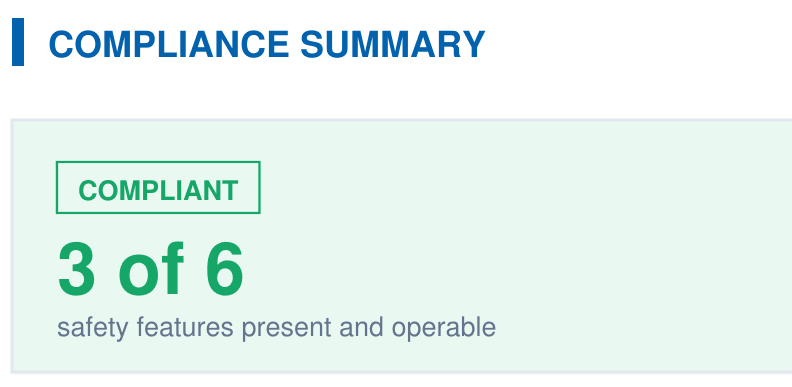
A branded PDF with the compliance summary, the feature table, each finding with its photos, and the signature, generated on‑site when the BPC §7195 and HSC §115922 checklist is complete.