Pool Maintenance Software: Best Tools for Pool Companies
Compare top pool maintenance software platforms for 2026. Features, pricing, route optimization, chemical tracking, and integrations for pool maintenance companies.
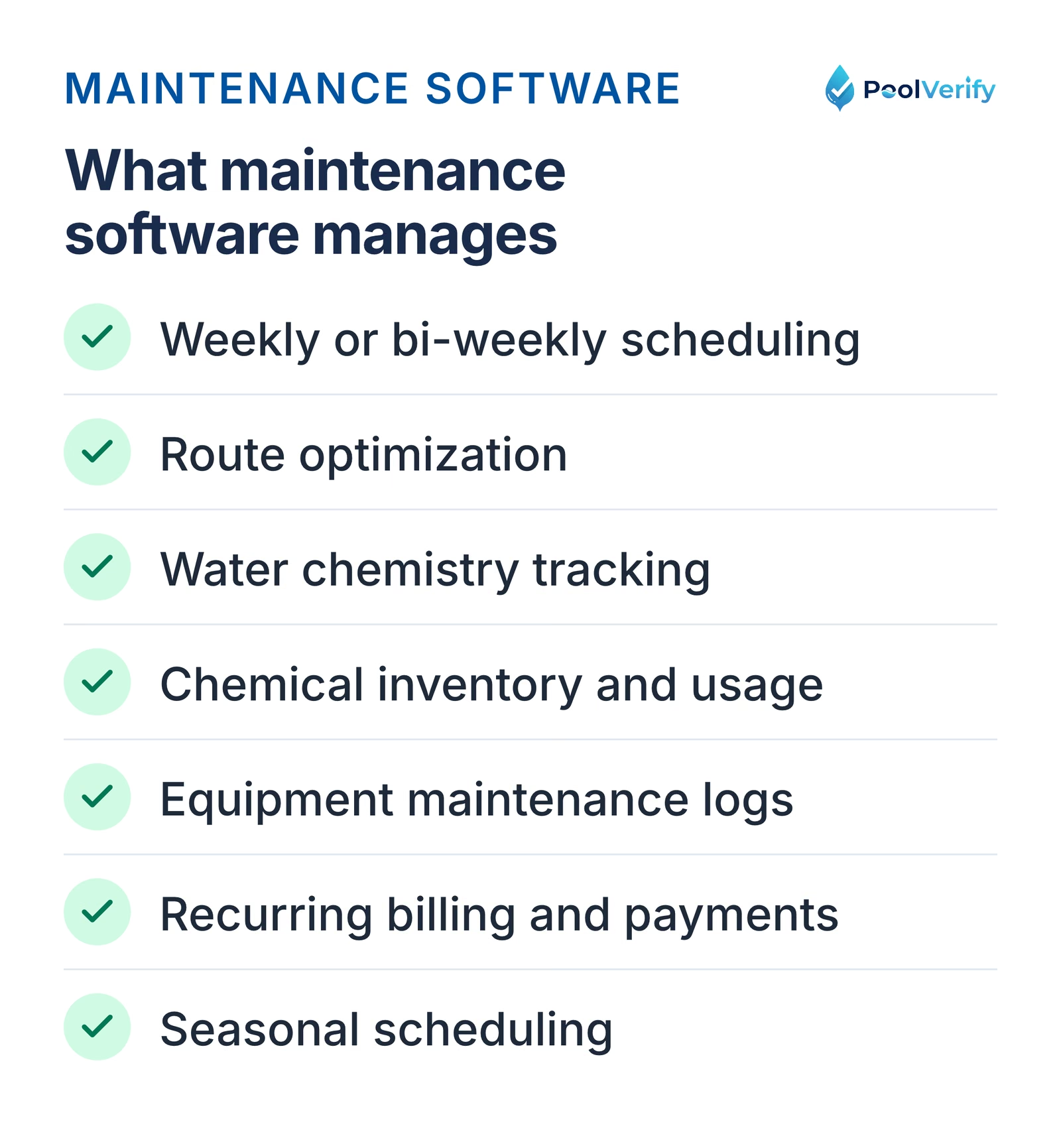
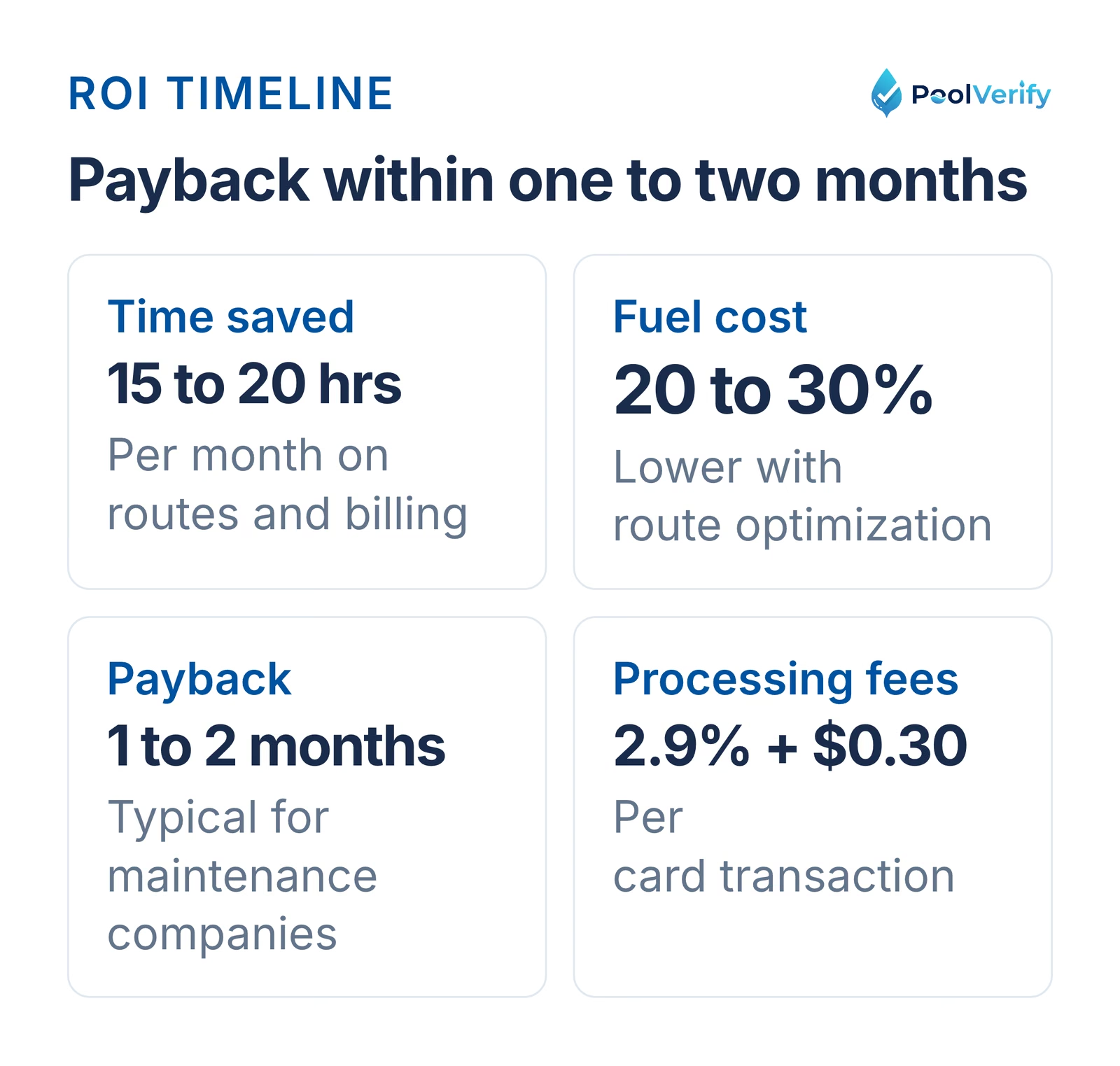
Pool maintenance companies juggle complex schedules, servicing dozens to hundreds of pools weekly, tracking water chemistry for each customer, managing chemical inventory, optimizing routes, and processing recurring payments. The right pool maintenance software can save your company 20+ hours monthly, reduce fuel costs by 30%, and help you service 22% more pools daily without hiring additional technicians.
This comprehensive guide compares the top pool maintenance software platforms for 2026, covering essential features like route optimization, chemical tracking, customer management, and integration options to help pool maintenance companies choose the best solution.
Pool maintenance software vs pool inspection software
Understanding the difference between pool maintenance software and pool inspection software is critical for choosing the right tools for your business.
Pool maintenance software
Purpose: Manage ongoing, recurring pool service and maintenance operations
Many pool service companies benefit from using both types of software:
Pool maintenance software for regular weekly/monthly service customers
Pool inspection software for one-time safety inspections during real estate transactions
This combination allows you to:
Serve 100% of your customers' needs
Generate additional revenue from inspections ($150-$300 each)
Keep customers from working with competitors for inspections
Cross-sell inspection services to maintenance customers selling their homes
California pool service companies: Add pool safety inspections to your offerings with PoolVerify. Record BPC §7195 inspections with photos alongside your regular maintenance routes. Learn More
Essential features for pool maintenance software
Before comparing specific platforms, here are the must-have features for pool maintenance software:
1. Route optimization and smart scheduling
Route optimization is the highest-value feature in pool maintenance software. According to OptimoRoute's pool maintenance data, companies using route optimization achieve:
22% more pools serviced per day
31% reduction in drive time
20-30% decrease in fuel costs
2-3 hours saved daily on route planning
What to look for:
Automatic daily route generation
GPS-based optimization with real-time traffic data
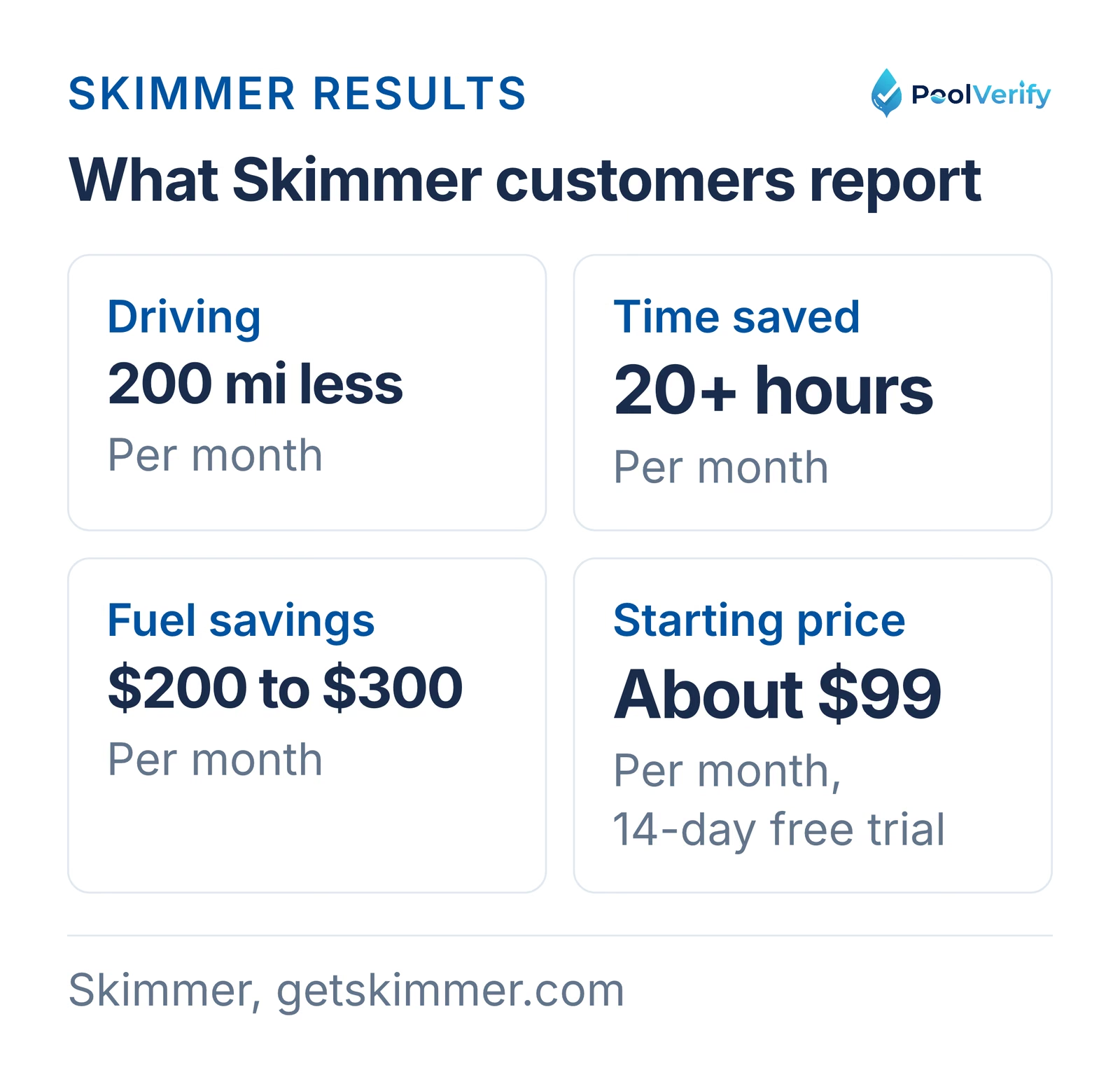
20+ hours saved monthly on route planning and administration
$200-$300/month fuel savings
Capacity for 5-8 additional customers without hiring
For a 100-customer pool maintenance company, this translates to:
10-15% more customers served with same staff
$2,400-$3,600/year in fuel cost savings
240+ hours/year recovered for business growth activities
How route optimization works for pool maintenance
Customer location mapping: Software maps all customer addresses
Service frequency assignment: Weekly, bi-weekly, monthly schedules
Optimal sequencing calculation: Determines most efficient visit order
Day assignment: Balances workload across service days
Real-time adjustments: Adapts routes when customers are added/removed
Traffic integration: Uses real-time traffic data to avoid congestion
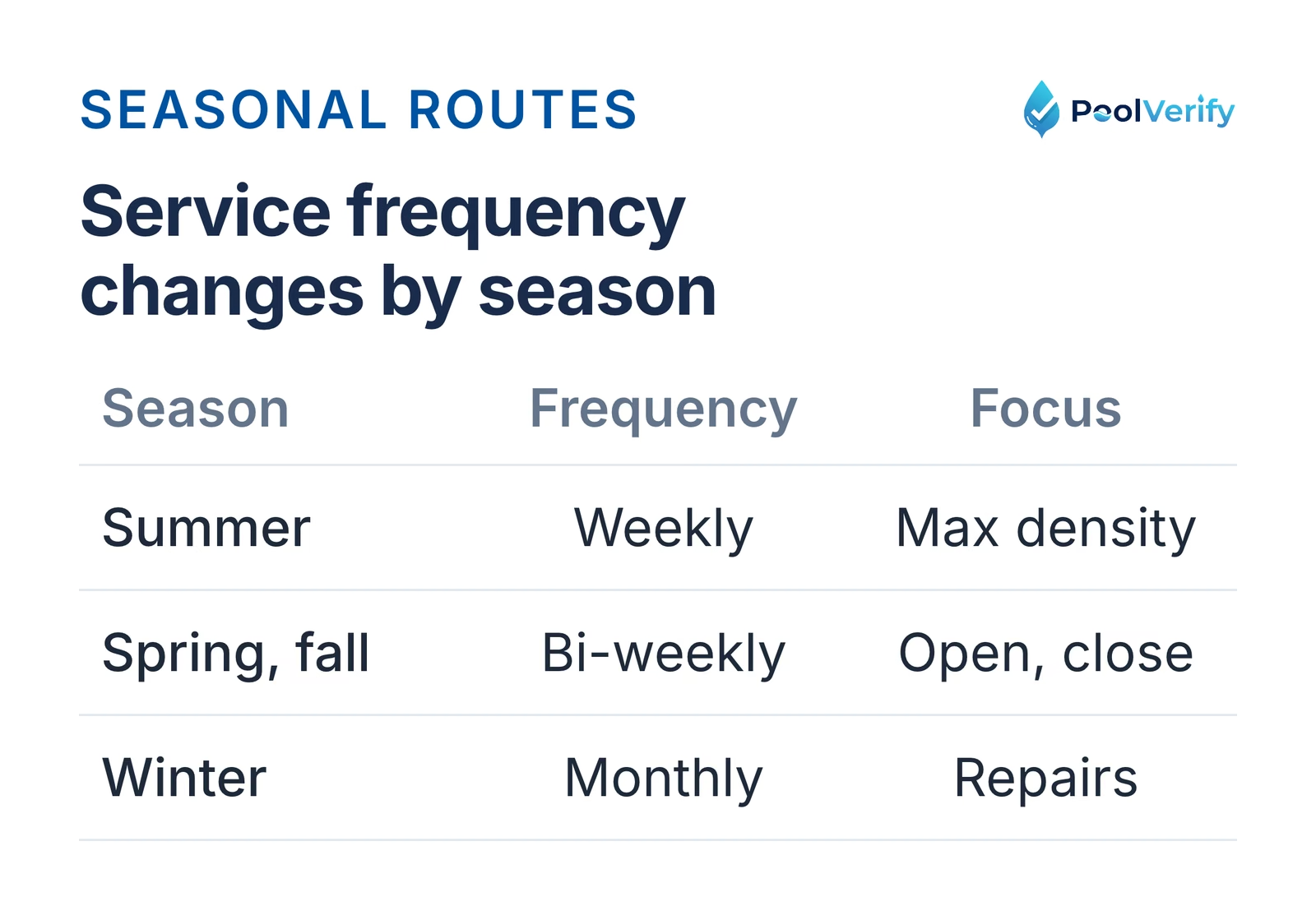
Seasonal route adjustments
Pool maintenance differs from other field services due to seasonal variation:
Summer (peak season):
Weekly service for most customers
Maximum route density
Longer service hours (more daylight)
Spring/Fall (shoulder seasons):
Bi-weekly service frequency
Route consolidation
Pool openings and closings added to routes
Winter (off-season):
Monthly service or winterization-only
Minimal routes
Focus on repairs and equipment replacement
The best pool maintenance software (Pool Office Manager, Skimmer) handles these seasonal transitions smoothly with scheduling templates.
Pool service frequency by season: weekly in summer, bi-weekly in spring and fall, monthly in winter
Chemical tracking and water chemistry management
Water chemistry is the core service deliverable for pool maintenance companies. Proper chemistry tracking prevents algae growth, equipment damage, and customer complaints.
Essential chemistry parameters
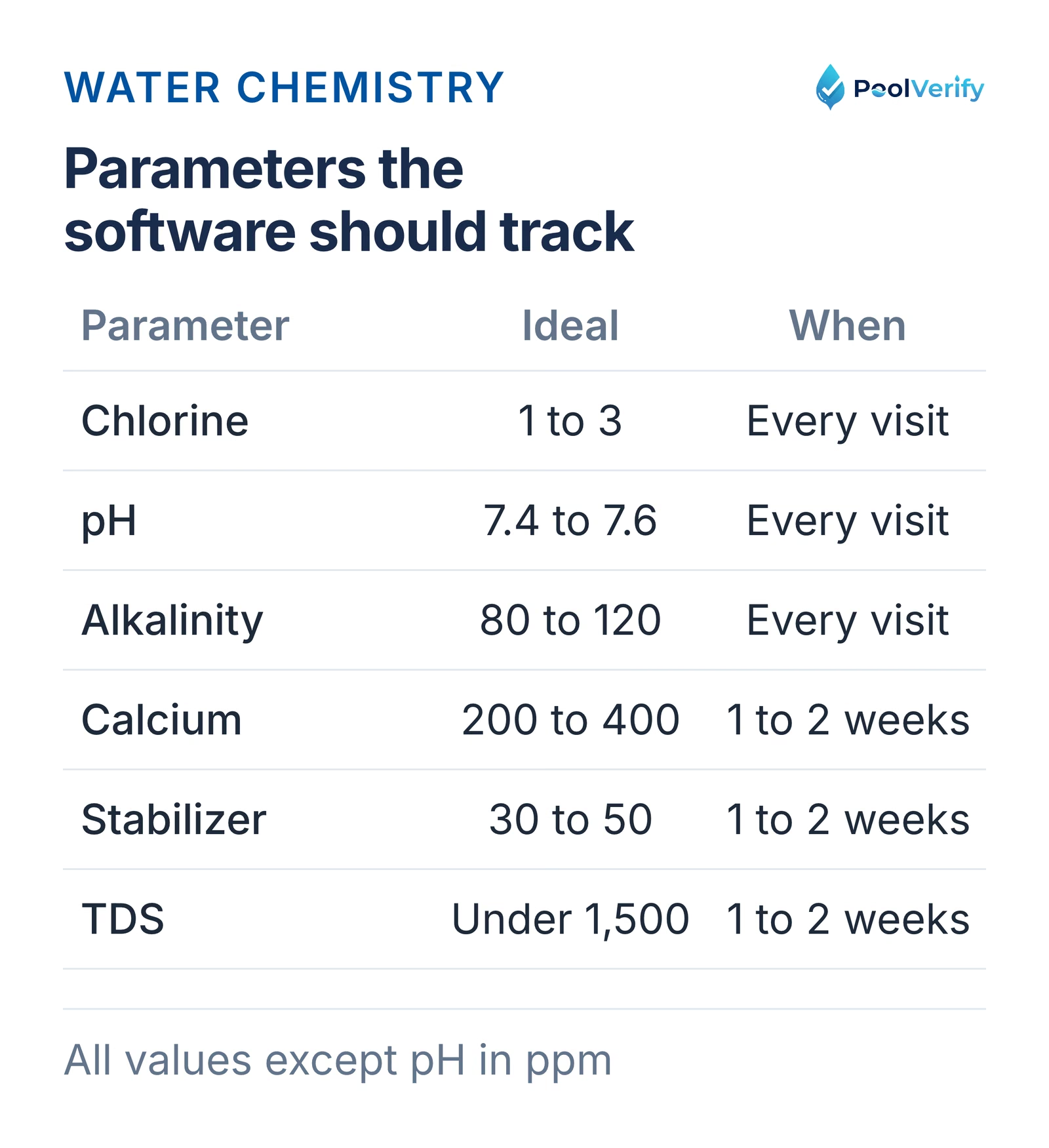
Pool maintenance software should track all critical parameters:
Primary parameters (every service visit):
Free chlorine (1-3 ppm ideal)
pH (7.4-7.6 ideal)
Total alkalinity (80-120 ppm ideal)
Secondary parameters (weekly or bi-weekly):
Calcium hardness (200-400 ppm ideal)
Cyanuric acid/stabilizer (30-50 ppm ideal)
Total dissolved solids (under 1,500 ppm)
Additional tracking:
Salt level (for saltwater pools)
Phosphates (algae food)
Copper/metals
Chemistry tracking features comparison
Platform
Quick Entry
Historical Trends
Photo Documentation
Dosage Recommendations
Customer Reports
Skimmer
Yes Yes
Yes Yes
Yes Yes
Partial Basic
Yes Yes
Pooltrackr
Yes Yes
Yes Excellent
Yes Yes
Yes Yes
Yes Excellent
Pool Office Manager
Yes Yes
Yes Yes
Yes Yes
Partial Basic
Yes Yes
GorillaDesk
Partial Custom fields
No Limited
Yes Yes
No No
Partial Basic
Jobber
Partial Custom fields
No Limited
Yes Yes
No No
Partial Basic
Best for chemistry tracking: Pooltrackr and Skimmer offer the most comprehensive water chemistry features designed specifically for pool professionals.
Customer communication about chemistry
Modern pool maintenance software should automatically generate customer-facing chemistry reports:
What customers want to see:
Current readings with normal ranges highlighted
Chemistry trends over past 30-90 days
Issues identified and corrected
Chemicals added during service
Recommendations for pool use (safe to swim, wait X hours, etc.)
Delivery methods:
Email after each service (automated)
Customer portal access to history
SMS notification when service complete
Mobile app for tech-savvy customers
Equipment maintenance and inventory management
Beyond water chemistry, pool maintenance companies manage equipment repairs and chemical inventory.
Equipment tracking features
What to track per customer:
Pump (brand, model, age, service history)
Filter (type, size, last cleaning, cartridge replacement dates)
Heater (type, BTU, service history)
Automation system (brand, model)
Salt cell (for saltwater systems, age, cleaning schedule)
Cleaner (type, model, parts replaced)
Maintenance alerts:
Filter cleaning due (every 6 months typical)
Salt cell acid wash due (quarterly)
Equipment warranty expiration reminders
Seasonal equipment startup/shutdown
Chemical inventory management
Track what you use and what you need to buy:
Inventory tracking:
Current stock levels by chemical type
Usage per service visit (automatically logged)
Cost per service calculation
Reorder point alerts
Supplier information and pricing
Seasonal demand forecasting
Benefits:
Prevent running out of chemicals mid-route
Optimize purchasing for best pricing
Calculate true service costs
Track chemical costs per customer for profitability analysis
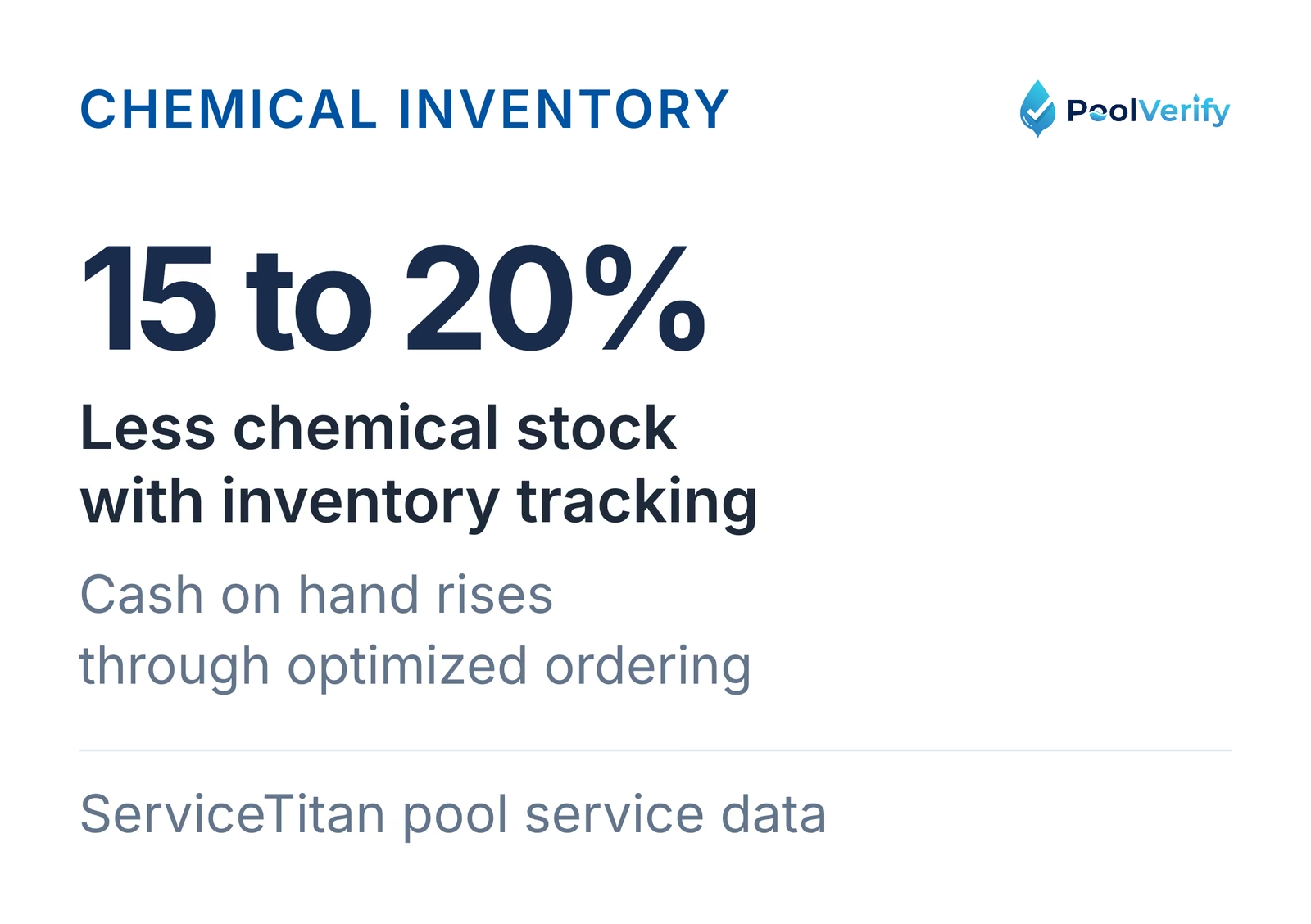
According to ServiceTitan's pool service data, companies using inventory management decrease chemical stock by 15-20% while increasing cash on hand through optimized ordering.
Companies using inventory management carry 15 to 20 percent less chemical stock, per ServiceTitan
Customer communication and portal features
Modern customers expect transparency and easy communication with their pool maintenance company.
Customer portal capabilities
The best pool maintenance software includes a customer portal allowing clients to:
Start offering pool inspections today:PoolVerify helps pool maintenance companies record California pool safety inspections on a checklist with photos and generate the PDF report on-site. Try it free for 14 days. Start Free Trial
Limitations
This guide is general information about pool safety law, not legal advice; the current text of HSC §115922 and BPC §7195 on leginfo.legislature.ca.gov controls, and local building departments add their own requirements. PoolVerify is inspection software for California residential pool safety inspections (BPC §7195 and HSC §115922). It is not pool service, route, maintenance, contractor, or commercial pool software, and it does not perform inspections or certify inspectors.
Frequently asked questions
What is the best pool maintenance software?
Skimmer is the best overall pool maintenance software for most pool service companies, offering industry-leading route optimization (200 miles less driving per month), comprehensive water chemistry tracking, and features that save 20+ hours monthly. For companies prioritizing chemistry tracking, Pooltrackr ($45-$104/month) offers excellent water chemistry trending. For seasonal pool companies, Pool Office Manager handles variable service schedules best. For budget-conscious solo operators, GorillaDesk ($79/month) provides good value.
How much does pool maintenance software cost?
Pool maintenance software costs $45 to $400+ per month depending on company size and features. Solo operators pay $45-$80/month (Pooltrackr Lab at $45, Housecall Pro Basic at $49), small companies (50-150 pools) pay $80-$150/month (Skimmer ~$99, GorillaDesk $79), and medium to large companies pay $150-$400+/month (Jobber Grow $399, Skimmer volume pricing). Most platforms offer 14-day free trials to test before purchasing.
Does pool maintenance software integrate with QuickBooks?
Yes, most pool maintenance software platforms integrate with QuickBooks Online, including Skimmer, Pool Office Manager, Jobber, GorillaDesk, and Housecall Pro. These integrations automatically sync invoices, payments, and customer data from your pool maintenance software to QuickBooks, eliminating double-entry and simplifying bookkeeping. QuickBooks Desktop support is limited, most platforms focus on the Online version for better cloud integration.
What's the difference between pool maintenance software and pool inspection software?
Pool maintenance software manages recurring service operations including weekly scheduling, route optimization, water chemistry tracking, and customer billing for regular pool cleaning and maintenance. Pool inspection software like PoolVerify handles one-time compliance assessments for California pool safety inspections, generating detailed PDF reports with safety feature documentation and digital signatures required for real estate transactions. Pool maintenance companies often use both to offer comprehensive services.
How does route optimization save money for pool maintenance companies?
Route optimization saves pool maintenance companies 20-30% on fuel costs and enables servicing 22% more pools per day by calculating the most efficient sequence of customer visits. According to Skimmer's data, companies using route optimization drive 200 miles less per month, saving $200-$300 in fuel and recovering 2-3 hours daily in drive time. This increased efficiency allows companies to serve more customers without hiring additional technicians, directly improving profitability.
Choose the right pool maintenance software for your company
Pool maintenance software transforms how you run your business, optimizing routes to serve more customers, automating billing to improve cash flow, and tracking chemistry to deliver consistent service quality. Whether you're a solo operator managing 25 weekly pools or running a team servicing 500+ accounts, there's a platform designed for your needs.
Key recommendations:
Best overall: Skimmer for comprehensive features and route optimization
Best chemistry tracking: Pooltrackr for detailed water chemistry management
Best for seasonal companies: Pool Office Manager for variable scheduling
Best value: GorillaDesk for reliable features at affordable pricing
Best for diversified services: Jobber for pool maintenance plus other services
For California pool maintenance companies: Consider adding pool safety inspections to your service offerings with PoolVerify. Record BPC §7195 inspections on a checklist with photos and deliver professional PDF reports to real estate clients, a natural complement to your maintenance business.
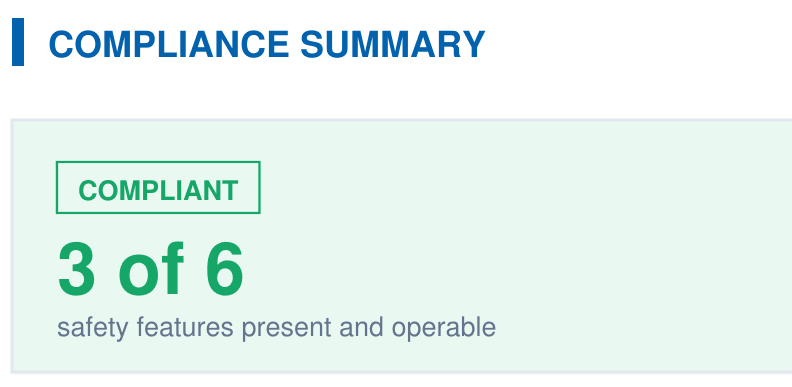
A branded PDF with the compliance summary, the feature table, each finding with its photos, and the signature, generated on‑site when the BPC §7195 and HSC §115922 checklist is complete.