A pool safety inspection is a professional evaluation of your swimming pool's structure, equipment, electrical systems, safety barriers, and compliance with California Health and Safety Code §115922 and SB 442 requirements. Whether you're preparing for a property sale, ensuring family safety, or verifying compliance after pool construction, understanding the inspection process is essential.
This comprehensive guide covers what inspectors check, California-specific requirements, inspection costs, preparation steps, and how to ensure compliance with all state and local regulations.
What is a Pool Safety Inspection?
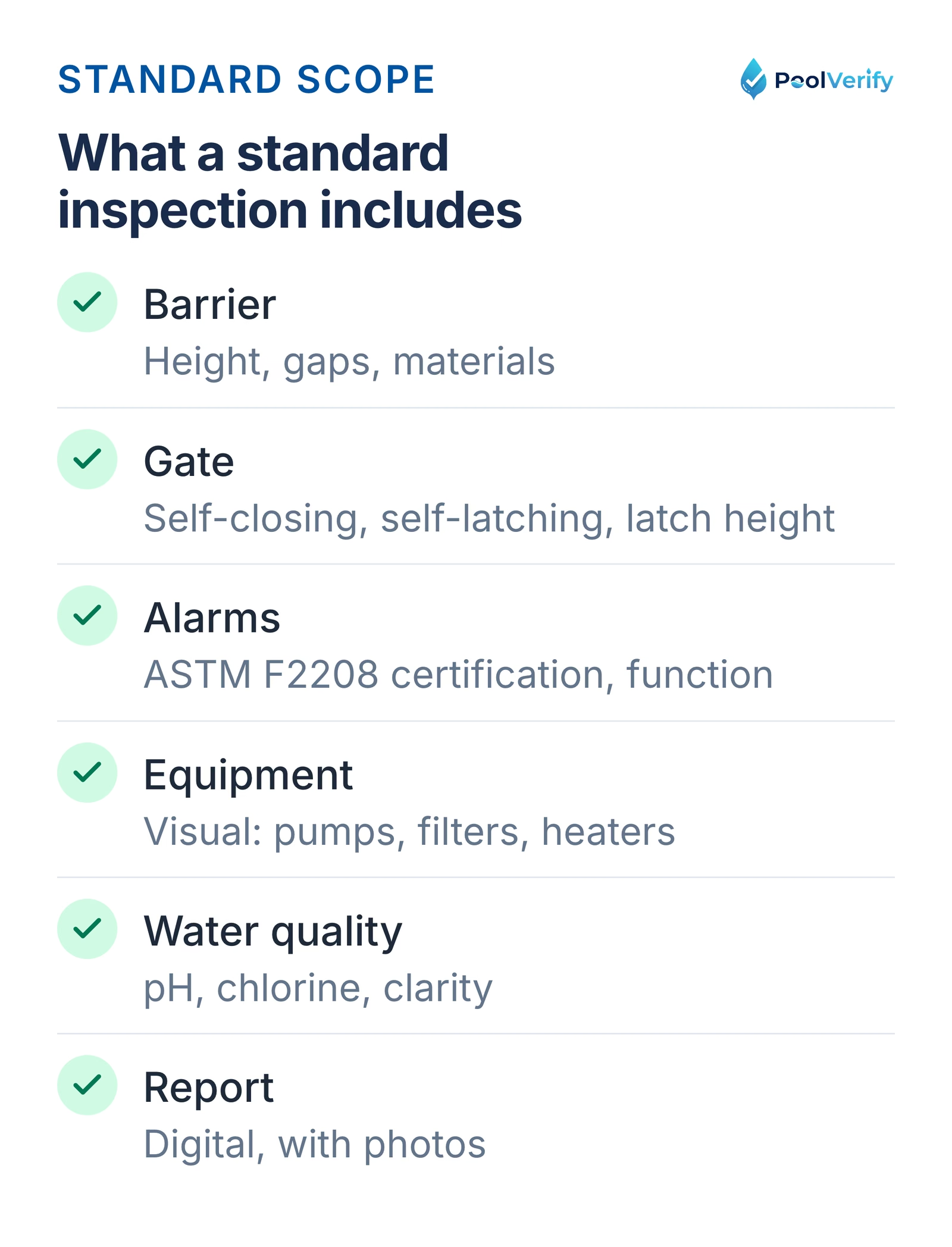
A pool safety inspection verifies that your swimming pool meets safety standards designed to prevent drowning, entrapment, and accidents. Inspectors examine barriers, gates, alarms, equipment, water quality, and structural integrity to ensure compliance with:
California Health and Safety Code §115922 (Swimming Pool Safety Act)
SB 442 (Seven Drowning Prevention Features)
International Building Code (IBC) Section 3109
ASTM Standards (F1908, F1346, F2208)
VGB Act (Virginia Graeme Baker Pool and Spa Safety Act)
When Pool Safety Inspections Are Required
Mandatory inspections in California:
YesProperty Transfers (BPC §7195): Required before sale or lease of property with pool YesNew Construction: Before final approval of permitted pool construction YesPool Remodeling: After significant modifications or additions YesRental Properties: Recommended annually for tenant safety and liability protection YesMunicipal Citations: After receiving violation notice from building department
Voluntary inspections for:
Peace of mind for families with young children
Pre-listing preparation to identify issues early
Post-repair verification after gate or barrier upgrades
Pool structure analysis (cracks, leaks, structural integrity)
Advanced water chemistry testing (alkalinity, calcium hardness, stabilizer)
Repair cost estimates for deficiencies
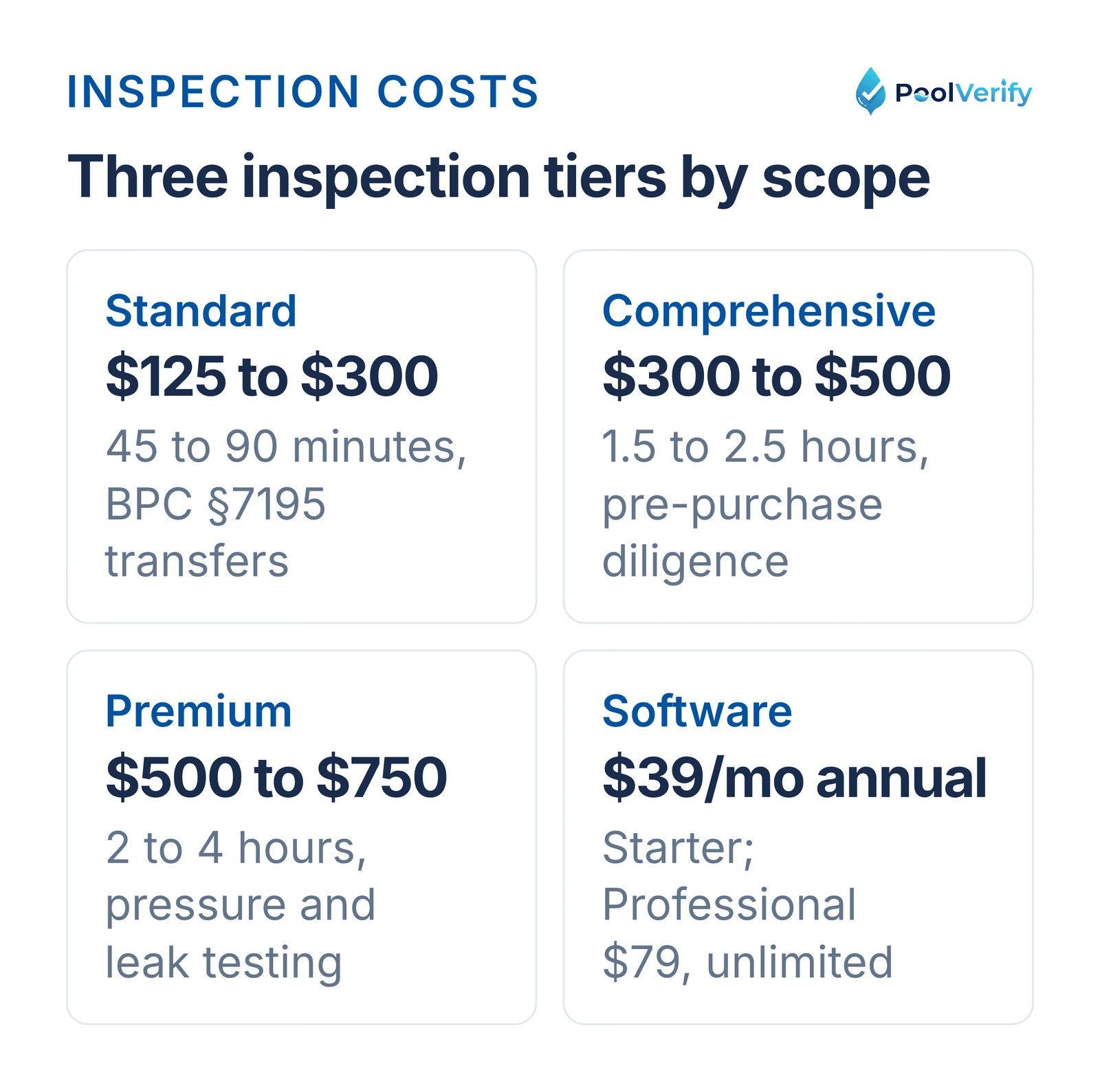
Duration: 1.5-2.5 hours
Best for: Pre-purchase due diligence, comprehensive safety assessment
Premium Inspection with Pressure Testing: $500-750
What's included (everything in comprehensive, plus):
Pressure testing of underground plumbing
Equipment sizing and adequacy verification
Leak detection services
Energy efficiency assessment
Detailed repair prioritization and budgeting
Duration: 2-4 hours
Best for: High-value properties, pools with known issues, pre-renovation planning
Inspection Software Cost for Inspectors
Inspectors who run this checklist in PoolVerify pay $39/month (Starter, 25 inspections a month) or $79/month (Professional, unlimited inspections) on annual billing. The checklist, photos on each item, the signature, and the branded PDF report are included on every plan.
Cost Variables
Factors affecting inspection costs:
Pool Size:
Small pools (<400 sq ft): Lower end of price range
Large pools (>800 sq ft): Upper end of price range
Multiple pools/spas: Additional $50-150 per feature
Pool Type:
In-ground pools: Standard pricing
Above-ground pools: 10-20% less
Indoor pools: 20-30% more (limited inspector availability)
Commercial pools: 50-100% more (complex requirements)
Geographic Location:
Urban areas (Los Angeles, San Francisco): Higher rates
Suburban/rural areas: 10-20% less
Coastal areas: Potential travel surcharges
Inspector Qualifications:
Home inspectors (California has no home inspector license; CREIA or InterNACHI credentials are the norm): Standard rates
Pool contractors (C-53 license): 10-20% premium (specialized knowledge)
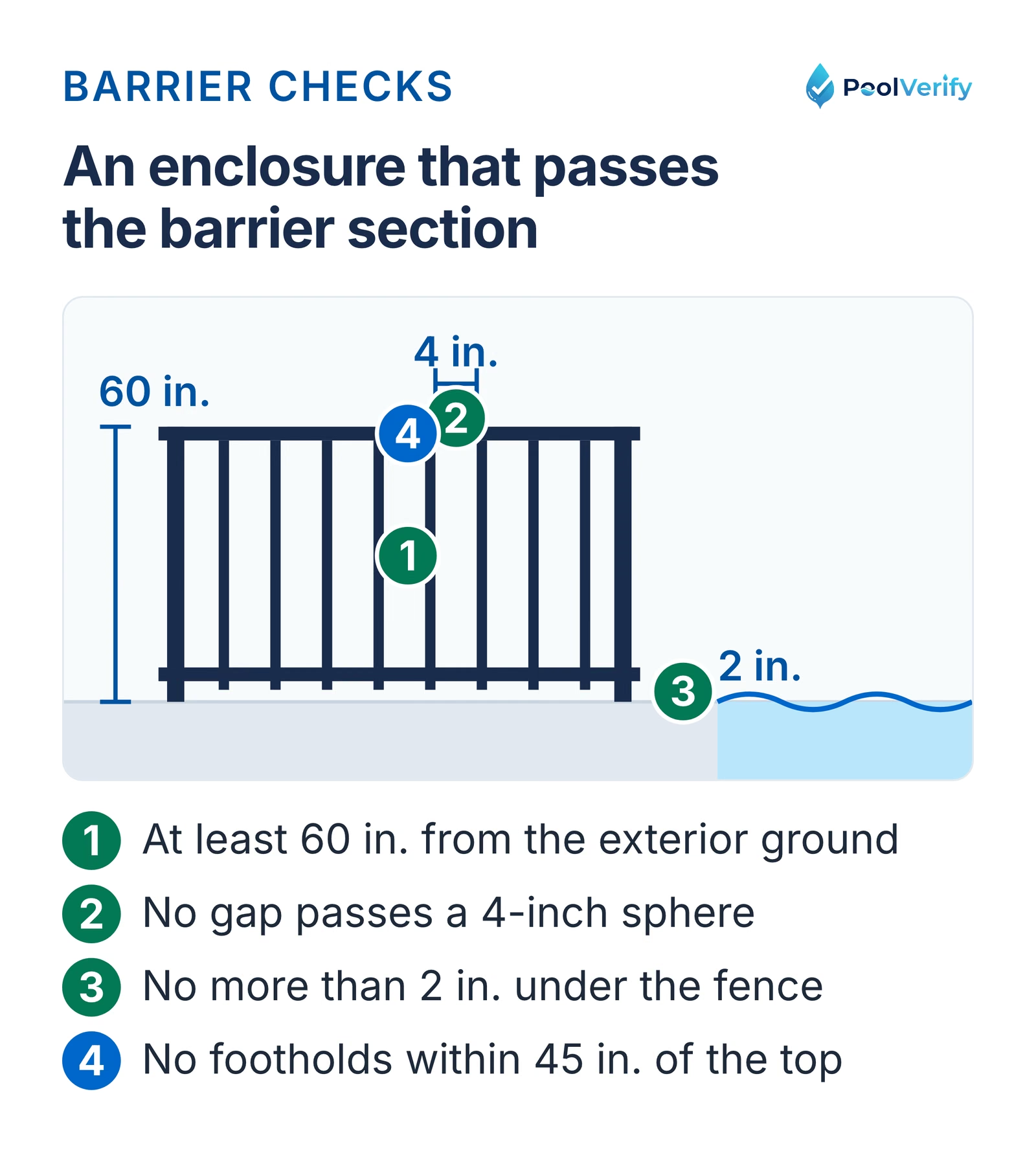
A pool enclosure that passes: 60 inches tall, gaps under 4 inches, 2 inches or less of ground clearance, no footholds.
This comprehensive checklist covers all components inspectors verify during California pool safety inspections:
1. Barrier Requirements (HSC §115922)
Height Verification: Yes Barrier measures 60 inches minimum from exterior side (California standard) Yes Measurement taken from ground or grade level on exterior side Yes No footholds or handholds within 45 inches of barrier top Yes Horizontal members on interior side only (if present)
Ground Clearance: Yes Maximum 2 inches clearance between bottom of fence and ground Yes No gaps that allow 4-inch sphere to pass through Yes Solid surfaces (walls, stucco) have no more than 1/2-inch gap
Material & Construction: Yes Fence constructed of durable, weather-resistant materials Yes No climbable features (lattice, decorative elements that create footholds) Yes Vertical pickets or slats spaced to prevent 4-inch sphere passage Yes Chain-link mesh has maximum 2-1/4 inch diamond size
Special Configurations: Yes If house wall is part of barrier, all doors/windows have exit alarms Yes If above-ground pool, ladder removed or secured when not in use Yes Spa covers meet ASTM F1346 (if used in lieu of barrier)
Self-Closing Mechanism: Yes Gate automatically closes from 12 inches or less from gate post Yes Closure occurs from any open position (30°, 45°, 90° tested) Yes No manual pushing or pulling required Yes Closing speed: 2-6 seconds (not dangerously fast, not too slow)
Self-Latching Mechanism: Yes Latch automatically engages when gate closes Yes No manual locking or latching action required Yes Latch secure enough to resist opening by young children
Latch Height: Yes Self-latching device at 60 inches minimum above the ground (HSC §115923(a)) Yes Measured on the side of the gate facing away from the pool Yes Home doors to the pool: release at least 54 inches above the floor (HSC §115922(a)(5))
Opening Direction: Yes Gate opens away from pool (outward-opening) Yes Gate does not swing toward pool area
Structural Integrity: Yes Hinges function smoothly without binding Yes Gate is square and level (not sagging) Yes No rust, corrosion, or damage to hinges or latch Yes Gate frame secure to posts
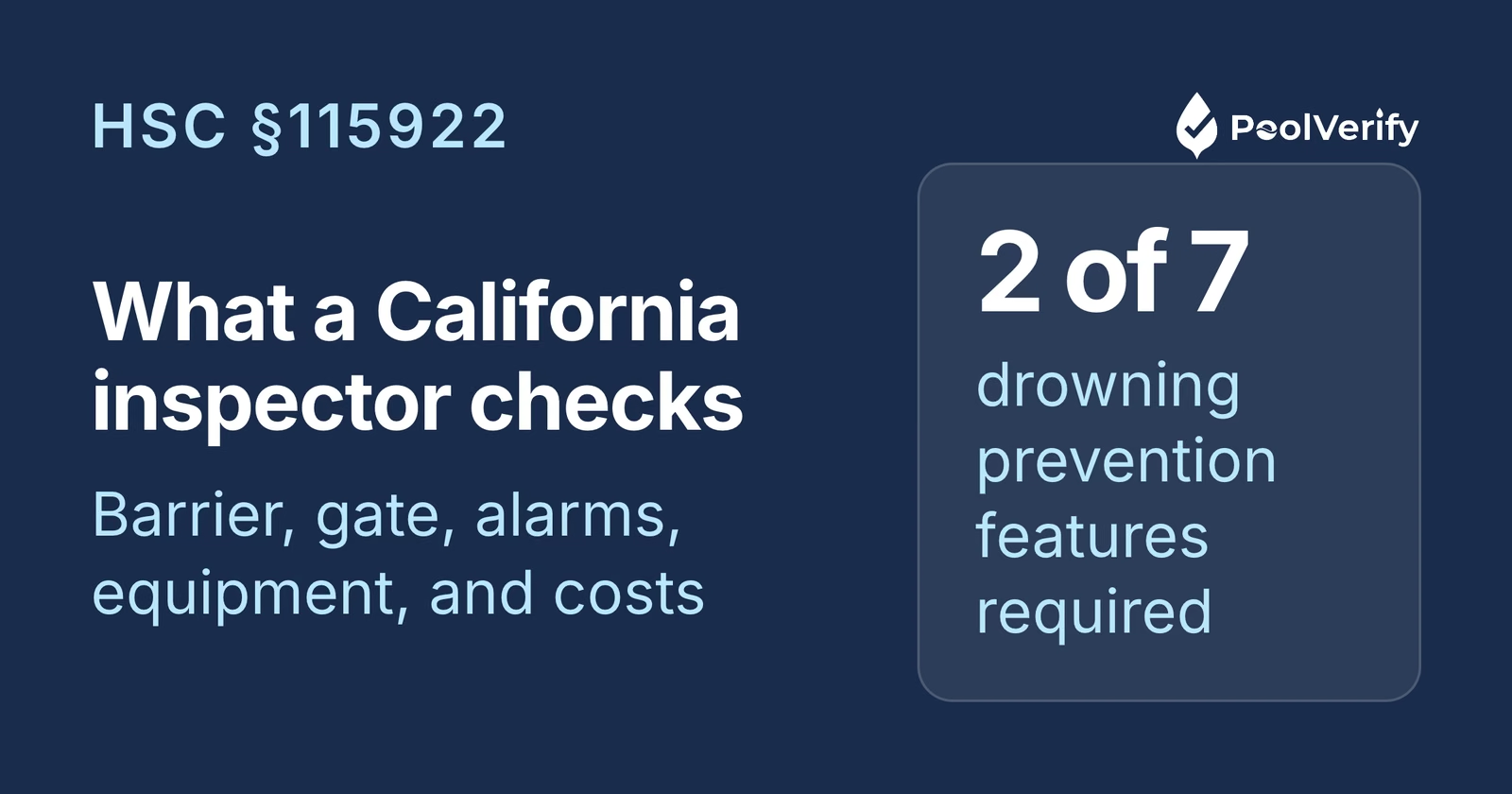
California requires at least TWO of seven drowning prevention features. If alarms are used to meet this requirement:
Pool Alarms (ASTM F2208): Yes Alarm certified to ASTM F2208 standard Yes Surface motion, pressure, sonar, laser, or infrared type Yes Alarm sounds within 7 seconds of pool entry Yes Audible from 50 feet away (minimum 85 decibels) Yes Battery-powered alarms have functional batteries Yes Reset mechanism functions properly
Exit Alarms: Yes Installed on all doors/windows providing direct pool access Yes Continuous audible alarm when door/window opened or left ajar Yes Battery-operated or hardwired to building electrical Yes Alarm can be temporarily deactivated only by authorized key/code Yes Alarm auto-resets when door/window closes
Door Alarms on House Wall Barriers: Yes If house wall forms part of pool barrier, all doors/windows have alarms Yes Sliding glass doors have functional exit alarms Yes Pet doors or small openings (>4-inch sphere) have barriers or alarms
4. Pool Cover Requirements (If Used for Compliance)
If an approved safety cover is used as one of the two SB 442 features:
Yes Cover meets ASTM F1346 standard (safety cover specification) Yes Cover securely attached when in place Yes Can support weight without allowing submersion Yes Cover removed completely when pool in use Yes Mesh covers allow water drainage (no standing water accumulation)
Note: Regular pool covers (solar, winter) do NOT meet safety requirements unless ASTM F1346 certified.
5. Equipment Inspection
Pumps & Circulation: Yes Pump operates without unusual noise, vibration, or leaks Yes Proper water circulation observed Yes Pump motor and housing in good condition (no cracks, rust) Yes Pump strainer basket clean and functioning
Filtration System: Yes Filter type identified (sand, cartridge, DE) Yes Filter operates at proper pressure (gauge functional) Yes No leaks from filter housing or plumbing connections Yes Filter media in serviceable condition (if visible)
Heater (if present): Yes Heater operates and maintains set temperature Yes No gas leaks (for gas heaters) Yes Proper ventilation and clearances maintained Yes Pilot light or ignition system functions (gas heaters)
Chemical Feeders/Chlorinators: Yes Feeders function properly without leaks Yes Chemical levels appropriate (chlorine, bromine) Yes Salt cell clean and functional (saltwater pools)
Automation & Controls: Yes Timer switches operate correctly Yes Automated controls (if present) function as programmed Yes Control panel accessible and properly labeled
6. Electrical Safety
GFCI Protection: Yes All pool equipment protected by Ground Fault Circuit Interrupters (GFCI) Yes GFCI outlets test functional (test/reset buttons work) Yes No bypassed or improperly wired electrical connections
Electrical Clearances: Yes Electrical wiring at least 10 feet from pool edge Yes Overhead power lines meet clearance requirements Yes Light fixtures UL-listed for pool use
Bonding & Grounding: Yes Pool equipment properly bonded (pumps, ladders, handrails) Yes Grounding connections secure and corrosion-free Yes Bonding wire (typically #8 copper) visible and intact
Lighting: Yes Pool lights operate correctly Yes Light fixtures watertight (no moisture inside) Yes Light niches properly installed and sealed
7. Drain & Suction Safety (VGB Act)
Drain Covers: Yes Drain covers securely attached (no loose or missing covers) Yes Covers meet VGB Act anti-entrapment standards Yes Covers undamaged (no cracks, breaks, or sharp edges) Yes Covers rated for pool flow rate
Anti-Entrapment Systems: Yes Multiple drains present (dual main drains separated by at least 3 feet) Yes Or gravity drainage system (no suction at drain) Yes Or suction-limiting vent system Yes Or automatic pump shut-off system
Suction Outlets: Yes Spa suction outlets compliant (VGB Act critical for spas) Yes No single main drain configuration (high-risk)
8. Structural Integrity
Pool Surface: Yes Plaster/gunite surface intact (minor cracking acceptable, major cracks noted) Yes Tiles secure and undamaged Yes No sharp edges or protrusions that could cause injury Yes Pool finish in serviceable condition
Coping & Deck: Yes Coping (pool edge trim) secure and level Yes Deck surface even without trip hazards Yes Deck drainage adequate (no standing water accumulation) Yes Expansion joints functional (no deck cracking from movement)
Pool Walls: Yes No visible cracks, bulges, or structural concerns Yes Vinyl liner (if applicable) intact without tears or excessive fading
Skimmers & Returns: Yes Skimmers function properly (draw water, flap operates) Yes Return jets deliver water with adequate flow Yes No cracks or damage to skimmer or return fittings
California SB 442 requires at least TWO of these seven features:
Pool enclosure meeting HSC §115923, with a self-closing, self-latching gate
Approved safety cover per ASTM F1346
Exit alarms on doors/windows providing pool access
Self-closing, self-latching devices on home doors to the pool, release at least 54 inches above the floor
Pool alarm meeting ASTM F2208
Removable mesh pool fence
Other approved safety features per local building codes
Most common combinations:
Self-closing gate + pool alarm
Barrier enclosure + exit alarms (if house wall is part of barrier)
Safety cover + self-closing gate
Property Transfer Inspection (BPC §7195)
California Business and Professions Code §7195 requires pool safety compliance inspections before property sale or lease.
Timeline: Inspection must occur before close of escrow
Inspector qualifications: B license (general contractor), C-53 license (pool contractor), home inspector credentials (no state license), or qualified professional
Report: Inspector provides a written report stating which HSC §115922(a) features are present and listing any deficiencies
Consequences of non-compliance: Property transfer cannot proceed until pool complies
Hire licensed contractors (B or C-53 license) for major work
DIY minor issues (gate adjustment, alarm batteries)
Document all repairs with photos and receipts
Step 3: Schedule Re-Inspection
Contact original inspector to verify repairs
Some inspectors offer discounted re-inspection fees ($50-150)
Step 4: Obtain the Updated Report
Once all deficiencies corrected, inspector issues certification
For property transfers, provide certification to escrow/title company
Typical Repair Costs
Deficiency
Repair Cost
Timeline
Gate doesn't self-close
$50-300 (adjust or replace hinges)
1-3 hours
Latch too low
$100-400 (relocate latch)
2-4 hours
Barrier height too short
$1,500-5,000+ (raise fence)
1-3 days
Missing exit alarms
$30-150 per alarm
30 minutes each
Pool alarm non-compliant
$100-300 (new ASTM F2208 alarm)
1 hour
Missing/damaged drain covers
$50-200 per cover
1-2 hours
GFCI issues
$150-400 (electrician install GFCI)
1-3 hours
Total for Multiple Issues: $500-2,500 (typical property transfer repairs)
Who Can Perform Pool Safety Inspections in California?
California SB 442 specifies qualified professionals who can conduct pool safety inspections:
Licensed General Contractors (B License)
Scope: Can inspect all pool safety features Qualification: California Contractors State License Board B license Cost: $150-400 per inspection
Pool Contractors (C-53 License)
Scope: Specialized in pool construction and safety Qualification: California Contractors State License Board C-53 license Cost: $200-500 per inspection (premium for specialized knowledge)
Home Inspectors (no California license)
Scope: General property inspections including pools Qualification: California Real Estate Inspection Association certification Cost: $125-350 per inspection
Building Officials & Code Enforcement
Scope: Municipal inspections for new construction or remodeling Qualification: Local building department authority Cost: Included in permit fees ($50-200)
What PoolVerify Is and Is Not
PoolVerify is inspection software, not an inspection service. It does not employ, certify, or dispatch inspectors. Inspectors who hold their own B, C-53, or home inspector credentials use it to run the HSC §115922 checklist on-site, attach photos to each item, collect the signature, and generate the branded PDF report.
Inspection Timeline & Report Delivery
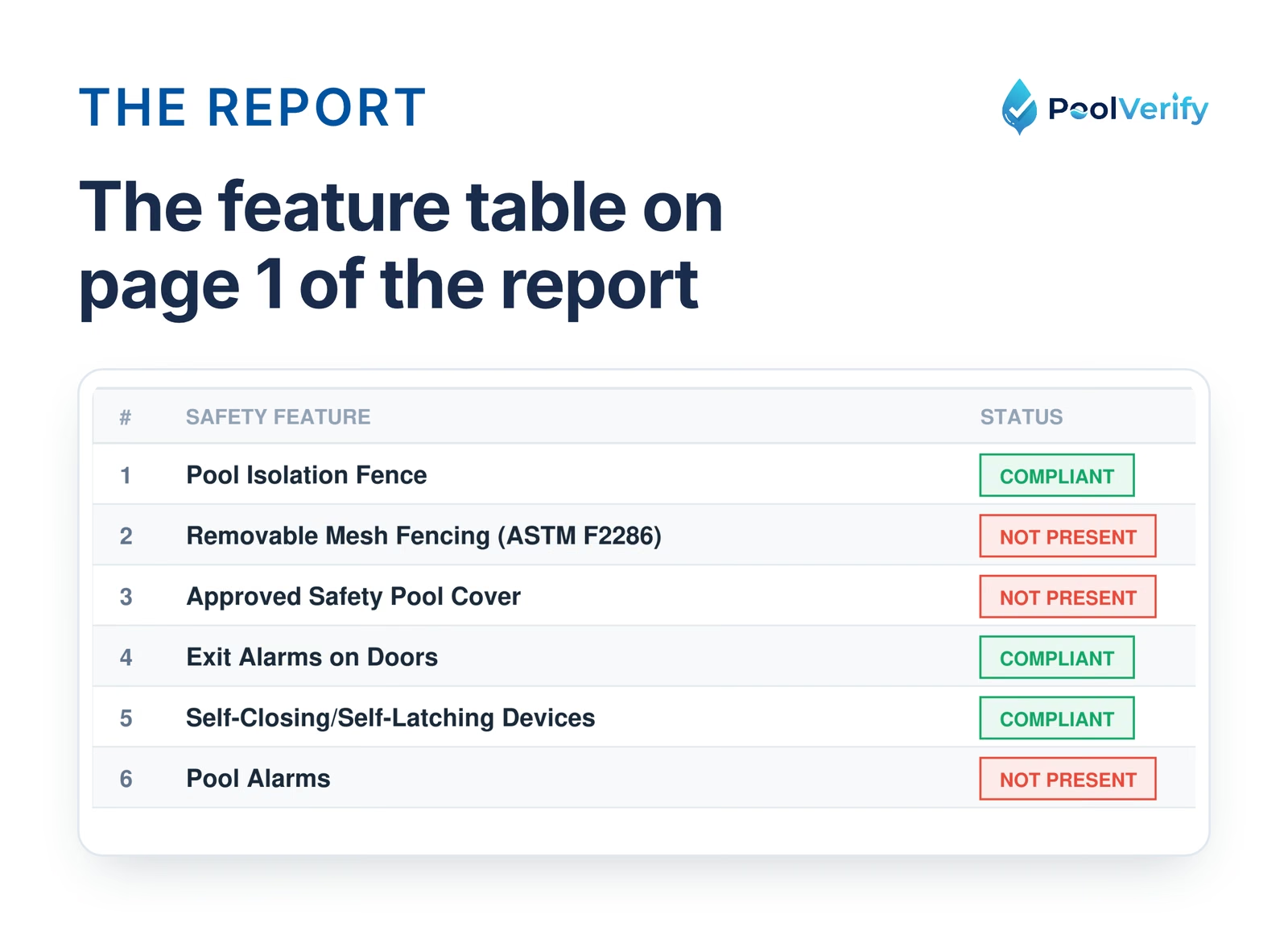
The safety feature table on page 1 of a PoolVerify report, with present and operable columns for each item.
Standard Inspection Process
Scheduling: 3-7 days advance booking (seasonal demand) Inspection Duration: 45-90 minutes (standard), 2-4 hours (comprehensive) Report Delivery: 24-72 hours after inspection Re-Inspection (if needed): 3-7 days after repairs completed
Report Timing with Inspection Software
Report Delivery: Inspectors who complete the checklist in PoolVerify generate the PDF on-site when the last item is answered, instead of assembling it from notes and photos afterwards.
Inspection Report Contents
A comprehensive pool safety inspection report includes:
YesExecutive Summary: Pass/fail status, critical deficiencies YesBarrier Verification: Height measurements, gap spacing, material assessment YesGate Testing Results: Self-closing test from 12 inches, latch engagement, height verification YesAlarm Checks: ASTM F2208 certification, functionality tests YesEquipment Evaluation: Pumps, filters, heaters, electrical systems YesWater Quality: pH, chlorine, clarity, chemical balance YesStructural Assessment: Cracks, damage, safety hazards YesPhotographic Evidence: Photos of all deficiencies and compliant features YesCode References: HSC §115922, SB 442, IBC citations for each deficiency YesRepair Recommendations: Specific corrective actions with estimated costs YesFeature Statement: Which of the seven HSC §115922(a) features are present, for the property transfer disclosure
Limitations
This guide is general information about pool safety law, not legal advice; the current text of HSC §115922 and BPC §7195 on leginfo.legislature.ca.gov controls, and local building departments add their own requirements. PoolVerify is inspection software for California residential pool safety inspections; it does not perform inspections, certify inspectors, or issue compliance certificates.
Frequently Asked Questions
How often should I get a pool safety inspection?
California requires inspections during property transfers (BPC §7195). Recommended frequency: Annual inspections for rental properties, every 2-3 years for owner-occupied homes, after any gate/barrier repairs or modifications, and whenever you have young children or grandchildren who will access the pool.
Can I perform my own pool safety inspection?
You can conduct self-inspections for personal knowledge using this checklist, but California law requires qualified professionals (B license, C-53 license, home inspector credentials) for official compliance certifications during property transfers (BPC §7195). Self-inspections are valuable for preparation but don't satisfy legal requirements.
What if my pool was built before current safety laws?
All pools must comply with current California standards regardless of construction date. Older pools built to 48-inch national standards must be upgraded to 60-inch California requirements during property transfers. "Grandfathered" pools are not exempt from HSC §115922 compliance when property is sold or leased.
Do above-ground pools require safety inspections?
Yes, if the above-ground pool has water depth exceeding 18 inches, California HSC §115922 applies. Above-ground pools must have barriers (fence or removable ladder), and the pool structure itself may serve as the barrier if the ladder is removed when not in use. Property transfer inspections verify ladder removal and storage.
How long does it take to fix common pool safety deficiencies?
Minor issues (gate adjustment, alarm batteries): 1-4 hours. Moderate issues (latch relocation, new self-closing hinges): 2-6 hours. Major issues (raising fence from 48" to 60"): 1-3 days. Total timeline from failed inspection to compliance certification: 1-3 weeks depending on contractor availability and repair complexity.
Does homeowners insurance cover pool safety upgrades?
Most homeowners insurance does not cover safety upgrades for code compliance, as these are considered maintenance and property owner responsibility. However, some insurers offer discounts (5-15%) for pools with enhanced safety features (alarms, covers, barriers). Check with your insurer about potential premium reductions after upgrades.
What happens if I sell my home without a pool safety inspection?
In California, BPC §7195 requires pool compliance inspection before property transfer. If you attempt to close escrow without inspection, title companies typically refuse to complete the sale. Buyers can request inspection as a contingency; failure to comply may allow buyers to withdraw offers or negotiate price reductions for estimated repair costs.
Can I schedule a pool safety inspection in winter?
Yes, pool safety inspections can be conducted year-round. Barriers, gates, and alarms are inspected regardless of season. However, some equipment testing (heaters, chlorinators) may be limited if the pool is winterized. For property transfers occurring in winter, inspectors note seasonal limitations and may recommend re-verification when the pool is operational.
Ensure Your Pool Meets California Safety Standards
Pool safety inspections are mandatory in California for property transfers (BPC §7195) and essential for protecting children from drowning accidents. Understanding the inspection checklist, California-specific requirements (60-inch barriers, the seven HSC §115922(a) features, self-closing gates), and preparation steps ensures smooth inspections and a complete report.
Key Takeaways:
Barrier height: 60 inches minimum (California standard, not 48-inch national)
Gate requirements: Self-closing from 12 inches, self-latching, latch at least 60 inches above the ground
SB 442: At least TWO of seven drowning prevention features required
Inspection costs: $125-750 depending on scope and pool complexity
Repair costs: $500-2,500 typical for property transfer deficiencies
If you are an inspector, start a PoolVerify trial and run this checklist on-site with photos on each item and the signed PDF generated before you leave. 14-day free trial, no credit card to start.
The checklist above as a printable PDF, sent to your email. Use it on the next inspection, or run the same checklist in PoolVerify with photos, signature, and the report generated on‑site.
Download the checklist
Enter your email and the PDF link arrives in a minute.