How a Pool Service Company Adds Safety Inspections in California
A California pool service company can sell pool safety inspections without a license: a noninvasive check of the seven HSC §115922(a) features and the HSC §115923 enclosure numbers, written up in a report. The two statutes that shape the offer, the checklist, the pricing rules and the tools.
A California pool service company can add pool safety inspections as a paid service without any license: the inspection is a noninvasive check of the seven drowning prevention features in Health and Safety Code §115922(a) and the enclosure numbers in §115923, written up in a report with photos. Two statutes shape the offer: BPC §7197 bars repairs for a fee on a property you inspected at a transfer within 12 months, and HSC §115925 keeps apartment, HOA and hotel pools out of the Act.
This guide covers who orders inspections and why, what the service is and is not, the conflict rule to design around, the checklist you run, the pricing rules, the report the client receives, and how to run it beside your service software.
Who orders pool safety inspections, and why
The demand comes from three places, and each has a statute behind it.
Who
Why
Statute
Buyers, sellers and their agents at a sale
A paid home inspection at the transfer of a one to four unit home with a pool must identify which of the seven features are present, and the report must state specifically if there are fewer than two
The pool must have two of the seven features and the local building official inspects them before final approval; owners want to know before the official arrives
HSC §115922(a) and (c)
Owners, landlords and property managers with no permit or sale in view
No statutory duty, but the seven features are the measure of a safe residential pool and the report is the record
HSC §115922(a), §115923
You already stand at these pools every week. The agent who calls your office for "someone who knows pools" is the lead; the inspection is the service that answers it.
What the service is, and is not
A safety inspection is a different product from a service visit, and the client should see the difference on the invoice.
Service visit
Safety inspection
Purpose
Keep the water balanced and the equipment running
Record which drowning prevention features the pool has and their condition
Method
Test, dose, clean, adjust
Measure, test, photograph, write
Output
A service log
A report: the seven features, condition, labels, a fewer-than-two statement, photos, a signature
Frequency
Recurring
At a sale, a permit, or on request
Statute
None
BPC §7195 at a transfer; HSC §115922 and §115923 for the content
Our inspection versus maintenance guide sets the two side by side in more detail. The point for pricing is that the inspection is not a longer service visit; it is a report with a statute behind it.
The conflict rule to design around
BPC §7195(a)(1) defines a home inspection as a noninvasive physical examination performed for a fee in connection with a transfer, and adds that the term includes any consultation regarding the property that is represented to be a home inspection or any confusingly similar term. The safe reading for a service company is that a pool safety inspection sold for a fee at a transfer is a home inspection, and BPC §7197 then applies to the company:
No repairs for a fee on that property for 12 months after the report, §7197(a)(1). The gate latch you found is a referral to a licensed contractor, not a work order.
No inspecting a property you have a financial interest in, §7197(a)(2).
No paying the owner, broker or agent for referrals, §7197(a)(3).
No fee that depends on the findings or on the close of escrow, §7197(a)(4).
Two ways to run a company around the rule: sell inspections at transfers and repairs to everyone else, with a written line on every inspection engagement saying no repairs will be offered on that property for 12 months; or keep transfer inspections out of the offer and inspect only for owners, landlords and permit applicants, where §7195 does not define the work. Either way, BPC §7196 sets the duty of care for an inspector who is not a licensed contractor, §7198 voids any waiver of it or cap at the fee, and §7199 gives four years to bring a claim on a report. A C-53 or B license covers construction work; it is not a prerequisite for inspecting.
The checklist you run
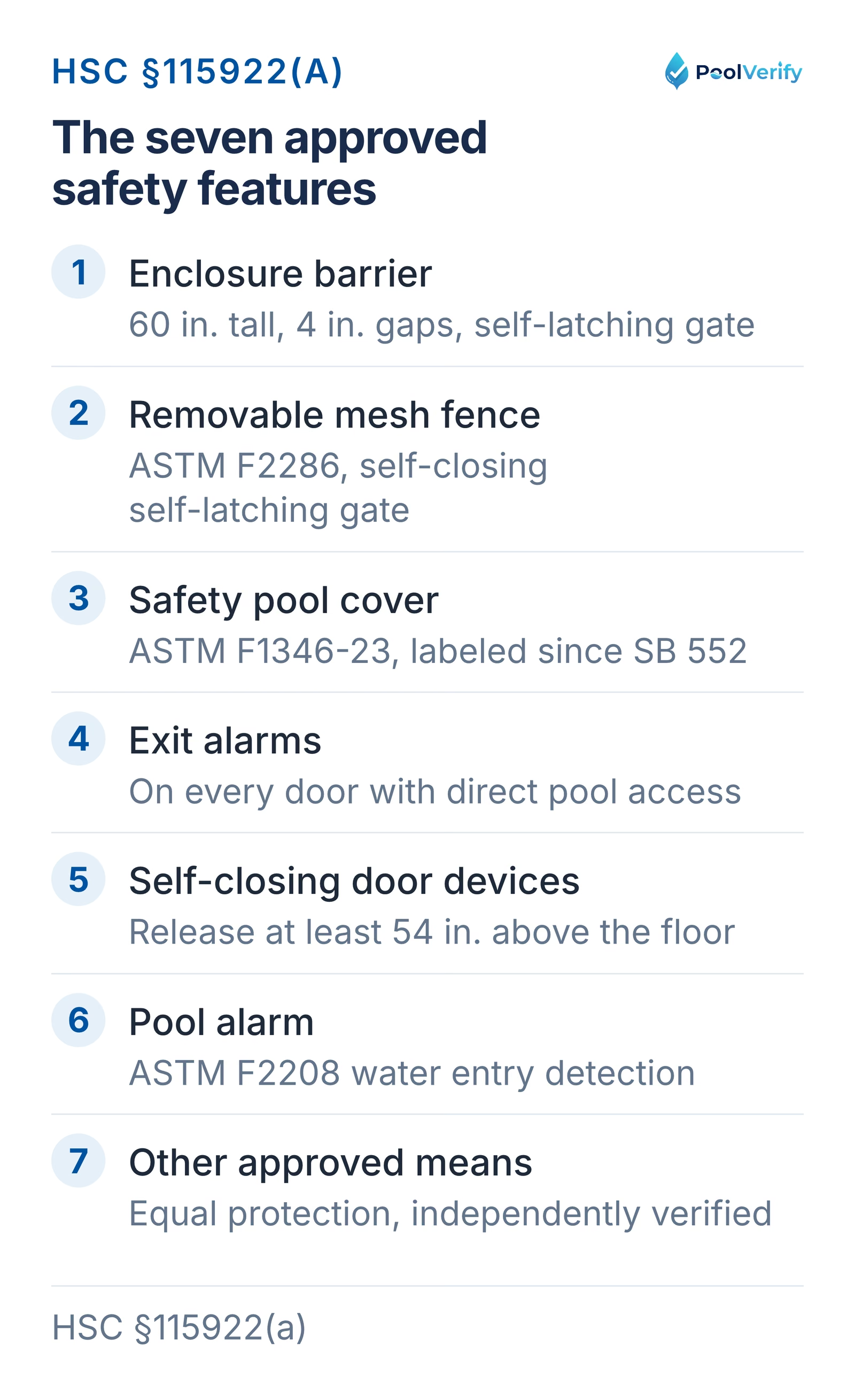
The seven HSC §115922(a) safety features, from a 60-inch enclosure barrier to an independently verified alternative.
The seven features in HSC §115922(a), in the order a technician meets them walking in from the street:
Enclosure (feature 1), measured to HSC §115923. At least 60 inches high from the outside at the lowest point; no more than 2 inches from the ground to the bottom; no opening that passes a 4 inch sphere; no handholds or footholds on the outside; every gate opens away from the pool, self-closes from a few inches, halfway and fully open, and self-latches with the latch release no lower than 60 inches above the ground. Photograph the latch with the tape in frame.
Removable mesh fencing (feature 2). The ASTM F2286 label, and a gate that self-closes, self-latches and can take a key lock.
Safety cover (feature 3). The label verifying ASTM F1346-23, and the cover operating and anchoring. A solar blanket carries no label.
Exit alarms (feature 4). On every door and window from the house with direct pool access: an audible continuous alarm or a repeating verbal warning while the opening is open or ajar.
Door devices (feature 5). On such doors, a self-closing, self-latching device with the release no lower than 54 inches above the floor. This is the only place 54 inches appears; the gate rule is 60.
In-water alarm (feature 6). Certified to ASTM F2208, in good repair and operable as designed. A wearable alarm on a child does not qualify.
Other means (feature 7). Independent laboratory verification and a label, or record it as not present.
Then two more steps: photograph the suction outlet grates, which are governed by HSC §115928 and §115928.5 rather than the seven features, and count, checking the three pairs HSC §115922(b) rejects (an exit alarm and a door device on the same door, an exit alarm and a door latch on separate doors, a cover with an in-water alarm). A spa or hot tub with a locking ASTM F1346 cover is exempt from the Act under HSC §115925(b); record the cover and its lock.
The checklist is the statute. PoolVerify's California template lists the six physical HSC §115922(a) features as items with the measurement or label each one asks for, records the seventh in notes, attaches up to 10 photos per item and captures the client's signature on the device. Technicians run it in the browser on the phone they already carry. See the checklist.
Pricing the inspection
The statute names no fee. Set it from your own numbers, as the pricing guide walks through: the time on site for the walk and tests, the time to write the report, travel, and the income the service should return. Keep it a flat fee that does not move with the findings or the escrow, keep it separate from the service contract, and pay nothing to the agent who sent the job, all under BPC §7197(a)(3) and (4).
The report the client receives
At a transfer, BPC §7195(c) says what the report contains, and the same content serves an owner or a permit applicant:
All seven features named, each present or not present.
Whether each present feature is in place, in good repair, operable as designed and, if applicable, labeled.
A specific statement if the pool or spa has fewer than two.
The written statement that a pool isolation fence is the most studied and effective drowning prevention safety feature, according to the American Academy of Pediatrics 2019 policy statement.
Photos of each finding, and a note that the inspector does not determine whether a feature meets its ASTM or ASME specification, which §7195 does not require.
PoolVerify is inspection software, not service software: it does no routing, chemical tracking or billing, so it sits beside the tool that runs your routes.
Need
What PoolVerify does
One checklist every technician follows
The California template with the six physical HSC §115922(a) features, measurements and labels; custom items on Professional and Business
Photo evidence per finding
Up to 10 photos per item, compressed on upload, with captions
The signature
ESIGN-compliant e-signature on the device
The report
A branded PDF generated in seconds, emailed to the client, agent or owner
Several technicians
Business at $159 a month on annual billing or $199 monthly: unlimited team members with admin, inspector and viewer roles, and team-wide analytics
One inspector to start
Starter at $39 a month on annual billing or $49 monthly, 25 inspections a month; Professional at $79 or $99 with unlimited inspections and scheduling
The trial is 14 days with no credit card to start; the plan and card are chosen when the first PDF report is generated. PoolVerify is a responsive web app with no offline mode, and it does not perform inspections, certify inspectors or issue compliance certificates.
Limitations
This guide is general information about California law, not legal advice. The current text of BPC §7195 to §7199 and HSC §115922 to §115928.5 on leginfo.legislature.ca.gov controls. Whether a pool-only inspection sold at a transfer is a home inspection under §7195 is a reading of the definition, not a court ruling; the guide takes the cautious one. The statute names no fee and this guide quotes no market fee range. PoolVerify is inspection software for California residential pool safety inspections; it does not perform inspections, certify inspectors, or issue compliance certificates.
Frequently asked questions
Does a pool service company need a license to perform safety inspections in California?
No. California has no pool inspector license and no home inspector license, and BPC §7195(d) defines a home inspector as any individual who performs a home inspection. A CSLB contractor license covers construction work, not inspecting. What applies instead is the duty of care in BPC §7196 and the four-year window for claims in §7199 when the inspection is performed for a fee at a property transfer.
Can we inspect a pool and then repair what we found?
Not for a fee within 12 months when the inspection was a home inspection at a transfer. BPC §7197(a)(1) makes it an unfair business practice for a home inspector, or the company that employs the inspector, to perform or offer repairs for an additional fee on a structure the inspector reported on in the past 12 months. The safe design is to sell inspections at transfers and repairs to everyone else, and to say which is which in writing.
What does a pool safety inspection check that a service visit does not?
The seven HSC §115922(a) drowning prevention features and the HSC §115923 enclosure numbers: 60 inches of height, a gate latch at least 60 inches above the ground, no more than 2 inches under the enclosure, no opening that passes a 4 inch sphere, gates that open away, self-close and self-latch, plus door and window alarms, door devices, cover and alarm labels and the suction outlet grates. A service visit balances water and runs equipment; it does not measure or report those.
Who orders pool safety inspections?
Buyers and sellers at a transfer, because BPC §7195(c) requires the home inspection report to identify the seven features and state if there are fewer than two; owners after a remodel, because the building official inspects the features before final approval under HSC §115922(c); and owners, landlords and property managers with no permit or sale in view who want to know where the pool stands.
Can we inspect apartment, HOA or hotel pools the same way?
No. HSC §115925 exempts public swimming pools, apartment complexes and every residential setting other than a single-family home from the Swimming Pool Safety Act; those pools are governed as public pools and inspected by the county health officer. The seven-feature inspection is a single-family service, including single-family homes that are rented out.
Does PoolVerify replace our service software?
No. PoolVerify is inspection software for California residential pool safety inspections: the checklist, photos, signature and PDF report. It does no routing, chemical tracking or billing, so a service company keeps its service software and adds PoolVerify for the inspections. Business at $159 a month on annual billing gives unlimited technicians with admin, inspector and viewer roles; Starter at $39 covers one inspector.
Conclusion
The service is a walk you already know how to do, measured against numbers the statute already gives, written into a report the buyer's side already has to receive. Design it around BPC §7197, keep it to single-family pools, price it flat, and put it on a checklist so every technician produces the same report.
PoolVerify is that checklist, with a photo on every item and the PDF generated at the pool. Start your 14-day free trial, no credit card to start.
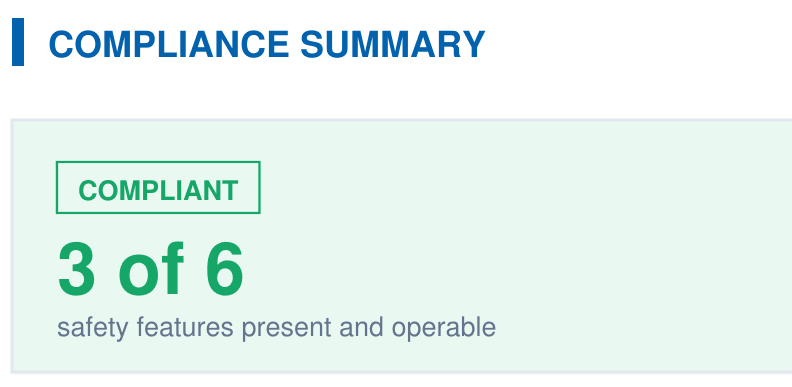
A branded PDF with the compliance summary, the feature table, each finding with its photos, and the signature, generated on‑site when the BPC §7195 and HSC §115922 checklist is complete.