California pool gate requirements 2026: a self-latching device at least 60 inches above the ground, self-closing from any position, opening away from the pool, and no more than 2 inches under the enclosure. HSC §115923 explained.
California pool gate requirements are among the strictest in the nation, mandating self-closing and self-latching mechanisms, a latching device at least 60 inches above the ground, and an outward-opening direction. Under Health and Safety Code §115923, the section HSC §115922 points to for enclosures, pool gates are a critical drowning prevention component of California's Swimming Pool Safety Act, protecting children from unsupervised pool access.
This complete compliance guide explains all California pool gate requirements for 2026, including specific measurements, hardware specifications, installation standards, common violations, and how to ensure your pool gates meet HSC §115922 and local code requirements.
Core California Pool Gate Requirements
1. Self-Closing Mechanism (Automatic Closure)
Requirement: All California pool gates must be self-closing from any open position.
What "self-closing" means:
Gate closes automatically without human assistance
Closes from ANY open position (25%, 50%, 75%, or fully open)
Does not require pushing, pulling, or manual operation
Closing occurs within 10-20 seconds (moderate speed)
Acceptable self-closing mechanisms:
Spring-loaded hinges: Coil or leaf springs providing closing force
Hydraulic gate closers: Fluid-dampened systems with adjustable speed
Requirement: All California pool gates must be self-latching automatically when closed.
What "self-latching" means:
Latch engages automatically when gate closes
No manual latching, slide bolts, or padlocks required
Latch holds gate securely closed
Cannot be easily defeated by children
Acceptable self-latching hardware:
Gravity latches: Drop-in or lift latches engaging automatically
Spring-loaded latches: Spring pressure engages latch
Magnetic latches: Magna-Latch or similar systems
Cam latches: Rotating cam mechanisms
Double-action latches: Require simultaneous actions to release
Latch engagement test:
Close gate completely
Verify latch engages without touching it
Push/pull gate to confirm secure latching
Attempt to open without releasing latch (should remain closed)
Non-compliant latching: No Manual slide bolts (must manually engage) No Standard padlocks (require manual locking) No Chain and hook closures No Bungee cords or rope ties No Latches requiring lift-and-latch action
Important: Adding manual locks (slide bolts, padlocks) that prevent self-closing/latching function makes the entire gate non-compliant, even if self-closing hardware is present.
3. Latch Height Requirements
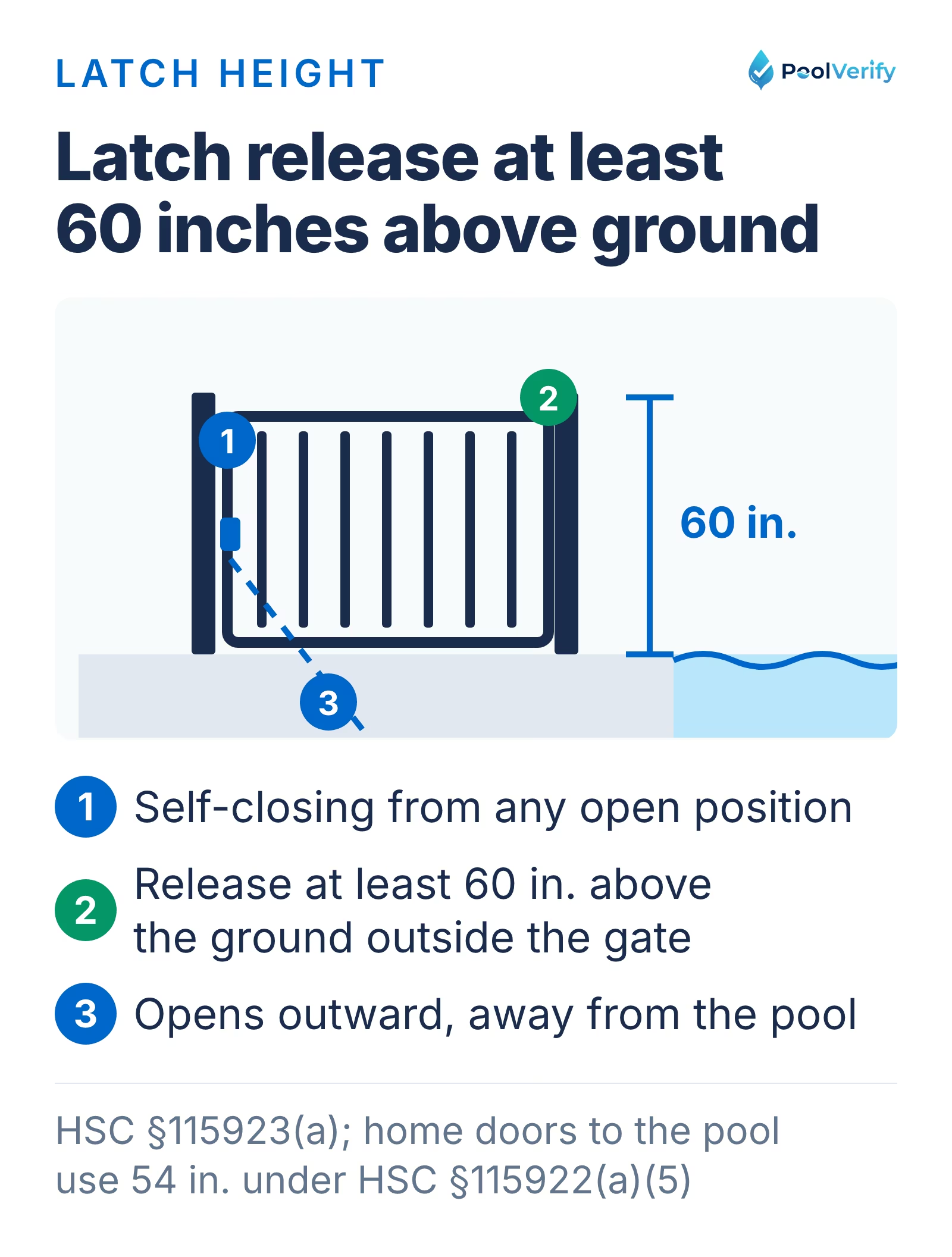
A compliant pool gate: self-closing, latch release at least 60 inches above the ground, opening away from the pool
Primary requirement: The self-latching device must be placed no lower than 60 inches above the ground (HSC §115923(a)).
Measurement method:
Measure from the ground on the outside of the gate (the side facing away from the pool)
Measure to the lowest point of the latch release (handle, lever, button)
Use a vertical measurement, not along a slope
The other number: HSC §115922(a)(5) sets 54 inches above the floor for the release on a self-closing, self-latching device fitted to a door from the home that opens directly to the pool. It does not apply to enclosure gates. Model building codes used by some building departments also describe a 54-inch gate release with a pool-side alternative; where a local code and HSC §115923 differ, expect the stricter one to be enforced.
Why 60 inches?:
The release is above the reach of a child under five, the age group HSC §115923 names
A latch a small child cannot reach cannot be opened from outside the enclosure
Common latch height violations:
Latch at 48 inches, the height of an ordinary garden gate latch
Latch measured from the pool side or from the bottom of the gate instead of the ground outside
Latch at 54 inches on an enclosure gate, the door figure applied to the wrong opening
4. Gate Opening Direction
Requirement: Pool gates must open outward, away from the pool area.
Correct direction: Gate swings away from pool when opened
Why outward opening is required:
Prevents children from pushing gate open from pool side
Allows easier adult exit during emergencies
Reduces risk of gate swinging open from pool activity (wind, splashing)
Self-closing function works better with outward swing
Installation consideration:
Hinges positioned on exterior side (away from pool)
Latch on pool-side of gate
Clear swing path on exterior (no obstacles)
Non-compliant: Gates swinging inward toward pool
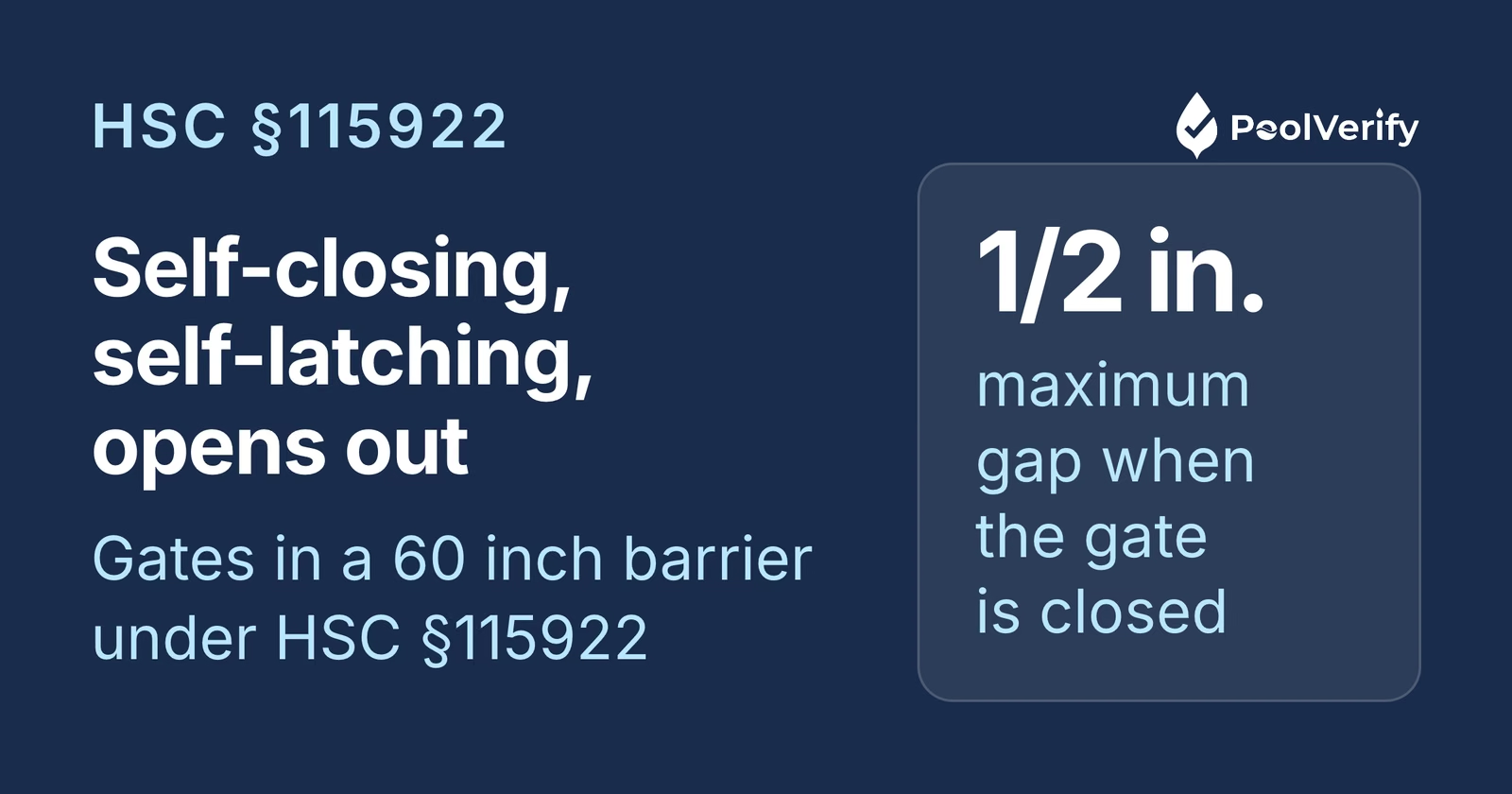
5. Maximum Gap When Closed
Requirement: When gate is closed and latched, maximum 1/2-inch gap between gate and latch post.
What this prevents:
Children squeezing through gaps
Reaching through to access latch
Gate being forced open without releasing latch
Gap measurement points:
Between gate edge and latch post
Between gate edge and hinge post
Between gate bottom and ground (2-inch maximum per fence regulations)
Common gap failures:
Gate settled or warped (gap increased over time)
Hinges loose or worn
Latch post not plumb
Gate dimensions incorrect for opening
Correction: Adjust hinges, add weather stripping, or install gap seals
6. Barrier Height Integration
Requirement: Gate must be integrated into 60-inch minimum height fence (California requirement).
This guide is general information about pool safety law, not legal advice; the current text of HSC §115922 and BPC §7195 on leginfo.legislature.ca.gov controls, and local building departments add their own requirements. PoolVerify is inspection software for California residential pool safety inspections; it does not perform inspections, certify inspectors, or issue compliance certificates.
Frequently Asked Questions
What are the pool gate requirements in California?
California pool gates must: (1) Be self-closing from all positions, (2) Be self-latching automatically, (3) Have the self-latching device at least 60 inches above the ground (HSC §115923(a)), (4) Open outward away from pool, (5) Have no more than 2 inches of clearance under the enclosure when closed, and (6) Be part of a 60-inch minimum height barrier. These requirements are mandated by HSC §115922.
How high must pool gate latches be in California?
California requires the self-latching device on a pool enclosure gate to be placed no lower than 60 inches (5 feet) above the ground, under HSC §115923(a). The 54-inch figure applies to doors from the home that open to the pool under HSC §115922(a)(5). Local building departments may apply model-code gate rules in addition; the stricter requirement governs. This prevents children from reaching through to unlatch the gate.
Do pool gates need to be self-closing in California?
Yes, all California pool gates must be self-closing, meaning they automatically close from any open position without manual assistance. This is required under HSC §115922 and applies to all gates providing access to pool areas. Self-closing mechanisms include spring-loaded hinges, hydraulic closers, or tension-based systems that ensure the gate closes after each use.
Do pool gates need to be self-latching in California?
Yes, California law requires all pool gates to be self-latching, meaning the latch automatically engages when the gate closes without requiring manual latching. The self-latching mechanism must secure the gate every time it closes. Gates that require manual slide bolts, padlocks, or other manual securing are non-compliant.
Which direction should pool gates open in California?
California pool gates must open outward, away from the pool area. This prevents children from pushing gates open from inside the pool area and makes emergency exit easier. Gates that swing inward toward the pool are non-compliant with HSC §115922 requirements.
Can I use a regular gate for my pool fence in California?
No, regular gates do not meet California pool safety requirements. Pool gates must have specific features: self-closing hinges or mechanisms, self-latching hardware placed at least 60 inches above the ground, outward-opening direction, and no more than 2 inches of clearance under the enclosure. Standard gates lack these safety features and require upgrading to pool-compliant hardware costing $150-500.
How much does a compliant pool gate cost in California?
A code-compliant pool gate in California costs $200-800 installed, depending on gate size, material, and hardware quality. Gate materials range from $100-400 (aluminum, vinyl, wood), self-closing/latching hardware costs $80-300, and professional installation adds $100-200. Retrofitting existing gates with compliant hardware costs $150-400.
What happens if my pool gate doesn't meet California requirements?
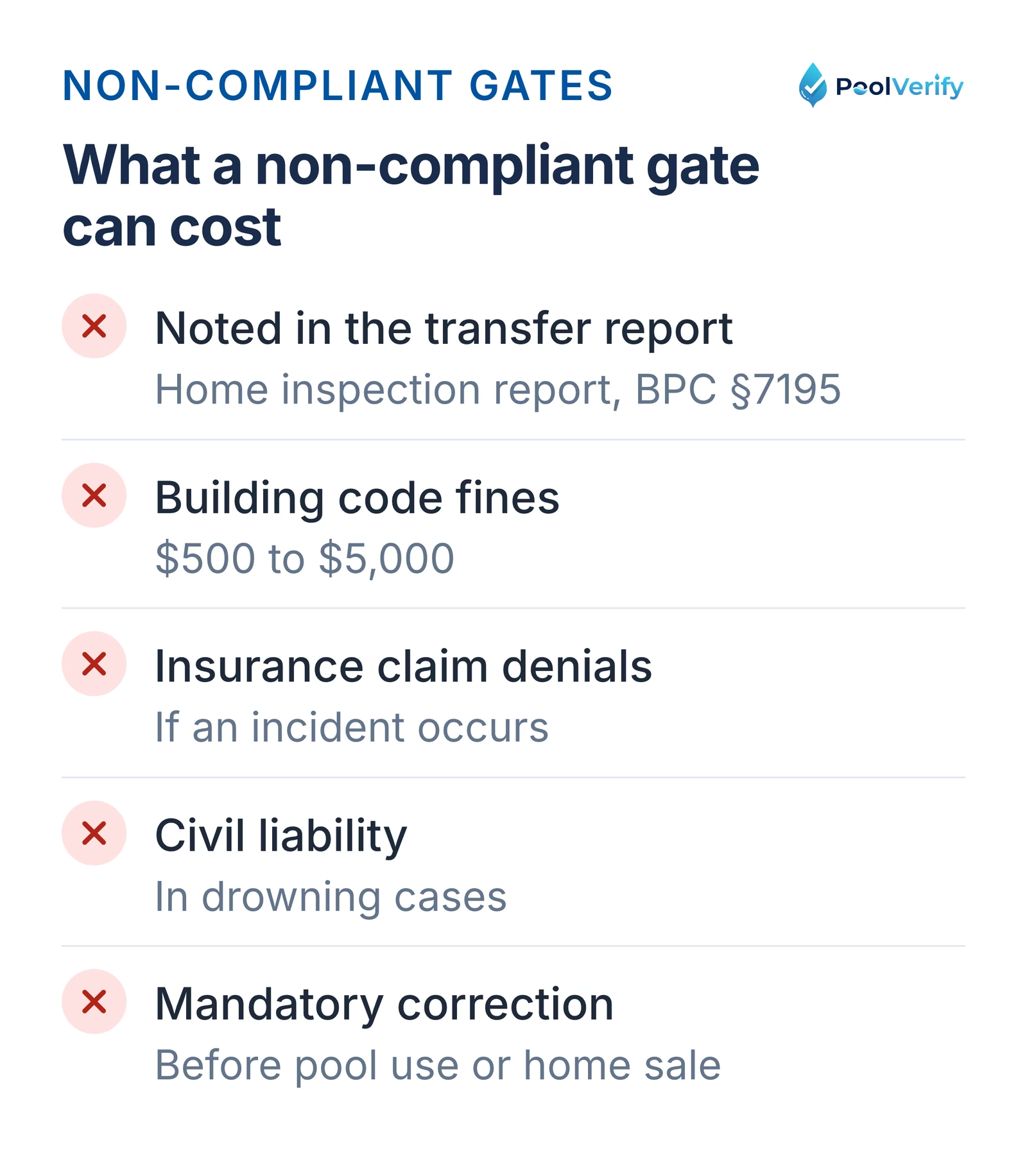
What a non-compliant pool gate can lead to in California, from the transfer report to civil liability
Non-compliant pool gates can result in: (1) Failed property transfer inspection (required under BPC §7195), (2) Building code violations and fines ($500-5,000), (3) Insurance claim denials if incident occurs, (4) Civil liability in drowning cases, and (5) Mandatory correction before pool use or home sale. California strictly enforces pool gate compliance during property transfers and inspections.
California pool gate requirements under HSC §115923 mandate self-closing and self-latching mechanisms, a latching device at least 60 inches above the ground, and an outward-opening direction. These strict standards protect children from unsupervised pool access and prevent drowning incidents.
Compliance requires proper hardware selection ($150-500 per gate), professional installation or careful DIY following code specifications, and monthly testing to verify continued function. Common violations, non-closing gates, non-latching mechanisms, latches too low, account for 75% of pool safety inspection failures during property transfers.
For pool inspectors documenting gate compliance, PoolVerify's digital inspection platform includes California-compliant checklists with built-in gate verification, photo documentation tools, and instant compliance reporting formatted for BPC §7195 municipal submission.
Ready to streamline California pool gate compliance documentation?Start your 14-day free trial of PoolVerify and experience how digital tools make gate inspections faster and more thorough.
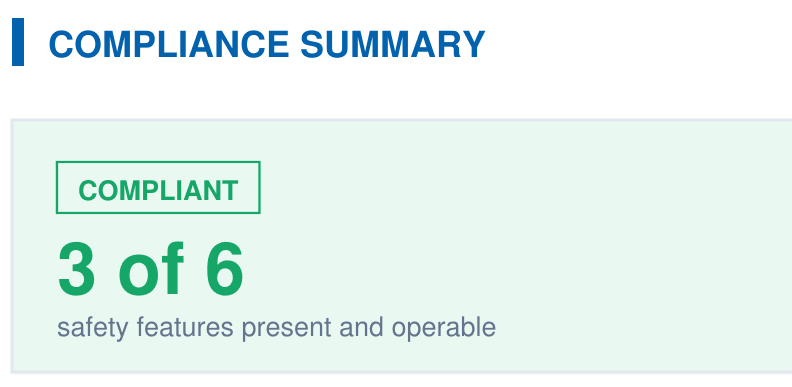
A branded PDF with the compliance summary, the feature table, each finding with its photos, and the signature, generated on‑site when the BPC §7195 and HSC §115922 checklist is complete.