Running an inspection business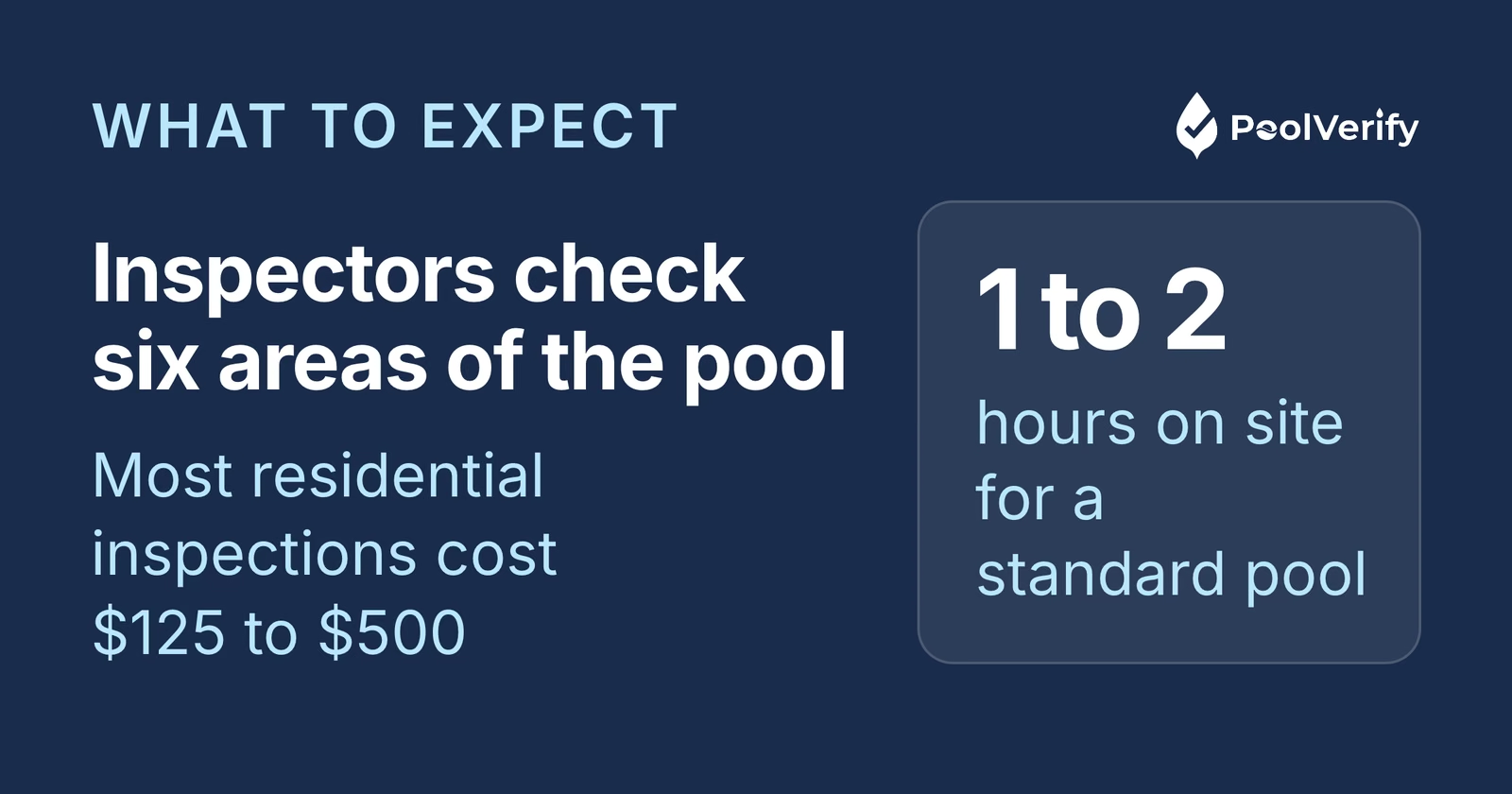
Swimming Pool Inspection: What to Expect
Complete guide to swimming pool inspections: what inspectors examine, how long inspections take (1-2 hours), typical costs ($125-500), how to prepare, and what happens after. Residential and commercial pool inspection explained.
- By Adi Leviim
- Published
- Updated
- 14 min read
In this article
- Why Get a Pool Inspection?
- What Pool Inspectors Examine
- How Long Does a Pool Inspection Take?
- Pool Inspection Costs
- How to Prepare for a Pool Inspection
- What Happens After the Inspection
- California Pool Compliance Inspections (BPC §7195)
- Digital Pool Inspection Tools
- Limitations
- Frequently Asked Questions
- Related Resources
- Conclusion
- Sources
A swimming pool inspection is a comprehensive professional evaluation of your pool's safety features, equipment, structure, and overall condition. Whether you're buying a home with a pool, selling a property, ensuring ongoing safety compliance, or simply maintaining your investment, understanding what to expect during a pool inspection helps you prepare effectively and interpret results accurately.
This complete guide explains the entire pool inspection process: what inspectors examine, how long inspections take, typical costs, how to prepare, what happens during the appointment, and what to do with inspection findings. By understanding the process, you'll get maximum value from your inspection and ensure your pool is safe, functional, and code-compliant.
Why Get a Pool Inspection?
Pool inspections serve multiple important purposes beyond just "checking if it works."
Before Purchasing a Home with a Pool
Critical for buyers:
- Identify hidden problems before committing to purchase
- Estimate repair costs (pools can have $5,000-30,000+ in deferred maintenance)
- Verify safety compliance with local codes
- Negotiate purchase price based on findings
- Avoid buying a pool requiring immediate expensive repairs
Buyer protection example: Inspector discovers pool heater not functioning ($2,500 replacement), deck has settlement cracks ($3,000-8,000 repair), and fence doesn't meet current code ($1,500-4,000 upgrade). Without inspection, buyer would face $7,000-14,500 in unexpected costs after closing.
During Property Sale (California Compliance)
Required in California: BPC §7195 mandates pool safety compliance verification during property transfers
Seller benefits:
- Identify and correct issues before listing
- Avoid deal delays from inspection surprises
- Provide buyers with confidence (pre-inspected pool)
- Comply with legal requirements
- Smooth transaction process
Complete California compliance requirements
Annual Maintenance and Safety Verification
Ongoing pool ownership:
- Catch problems early before they become expensive
- Verify safety features function properly (critical with young children)
- Maintain insurance coverage (some policies require inspections)
- Document proper maintenance (liability protection)
- Ensure code compliance if regulations change
Best timing: Spring inspection before swim season allows repairs before heavy use
Insurance Requirements
Many homeowners insurance policies:
- Require initial pool inspection for coverage
- May require annual re-inspections
- Use findings to determine premiums
- Can deny claims if non-compliant pool causes incident
Commercial Pool Regulatory Compliance
Public/commercial pools (apartments, hotels, community centers):
- Health department inspections 2-4 times annually (required)
- Must meet stricter safety and sanitation standards
- Operational permits depend on passing inspections
- Heavy fines for violations
What Pool Inspectors Examine
Professional pool inspections evaluate six critical areas systematically.
1. Safety Features and Compliance
Priority focus area: safety features prevent drowning incidents
Barriers and fencing:
- Fence height (48-60 inches depending on state)
- Maximum ground clearance (2 inches)
- Gap spacing (maximum 4-inch diameter openings)
- Fence material and structural integrity
- No climbable features (horizontal rails creating ladder effect)
Gates:
- Self-closing function (closes from any position automatically)
- Self-latching mechanism (engages without manual operation)
- Latch height (40-60 inches depending on jurisdiction)
- Gate opens outward (away from pool)
- Gate gap when closed (maximum ½ inch)
- Hardware condition (hinges, latches not rusted or broken)
Alarms and additional safety devices:
- Pool alarms (if present, tested for function)
- Door alarms on house-to-pool access
- Safety pool covers (ASTM compliance, condition)
- Removable mesh fencing (proper installation, no tears)
Drain covers (VGB Act compliance):
- Main drain covers present and secure
- Covers meet current ASTM standard (F2467)
- Suction outlet configuration (dual drains or approved alternative)
- Cover condition (no cracks, warping, deterioration)
- Installation date/expiration (covers expire after 5-10 years)
Detailed pool fence requirements by state
California-specific: Verify 2 of 7 required drowning prevention safety features
2. Pool Equipment Assessment
Circulation system:
- Pump: Operating condition, unusual noises, leaks, motor temperature, age/model
- Filter: Type (sand, cartridge, DE), pressure readings, backwash valve function, cleanliness
- Returns and jets: Water flow, positioning, condition
- Skimmer: Basket condition, weir door function, suction strength
Heating system:
- Gas heaters: Ignition, flame pattern, heat exchanger condition, venting, gas connections
- Heat pumps: Compressor function, refrigerant levels, electrical connections, age
- Solar heating: Panel condition, circulation through panels, valve operation
- Efficiency: Ability to heat water to desired temperature, heating time
Automation and controls:
- Timers: Programming, clock accuracy, switch function
- Automation systems: Controller operation, sensor accuracy, remote access
- Valves: Actuators, manual valves, diverter valves, check valves
- Salt chlorine generators: Cell condition, output levels, flow switch
Cleaning systems:
- Automatic pool cleaners: Suction, pressure, or robotic type, movement patterns, cleaning effectiveness
- Pressure-side systems: Booster pump function (if present)
- In-floor cleaning: Pop-up heads, rotation, water distribution
Water features:
- Waterfalls: Pump operation, leak check, structural integrity
- Fountains and jets: Function, leaks, decorative lighting
- Spillover spas: Shared equipment, water flow, heating
Equipment age and lifespan:
- Document ages of major components
- Identify equipment nearing end of useful life
- Estimate replacement timelines and costs
3. Electrical Systems and Safety
Bonding and grounding:
- Equipotential bonding: All metal components connected (ladder, lights, rails, equipment)
- Bonding wire: #8 AWG copper wire visible and properly connected
- Bonding grid: Perimeter bonding around pool deck
- Ground fault: Proper grounding of electrical systems
GFCI protection:
- Ground Fault Circuit Interrupters required on all pool electrical circuits
- Test GFCI function (trip and reset)
- Verify protection for pumps, lights, heaters, outlets
- Pool area outlets within 20 feet require GFCI
Electrical installation compliance:
- Wiring condition: No exposed wiring, proper conduit, weatherproof connections
- Underwater lighting: Sealed properly, no water intrusion, bulb function, GFCI protected
- Equipment electrical: Proper disconnect switches, appropriate wire gauge, overcurrent protection
- Deck outlets: Proper spacing (not within 10 feet of pool edge), GFCI protected, weatherproof covers
National Electric Code (NEC) compliance:
- Inspectors verify installation meets NEC Article 680 (Swimming Pools)
- Critical safety requirement, electrical issues are among most dangerous pool hazards
4. Structural Integrity
Pool shell:
- Surface cracks: Size, location, pattern (structural vs. cosmetic)
- Plaster/marcite: Delamination, erosion, staining, rough patches, pitting
- Fiberglass: Gelcoat condition, spider cracks, blisters, color fading
- Vinyl liner: Tears, wrinkles, fading, brittleness, seam separation
- Tile: Missing tiles, loose tiles, grout condition
Pool deck:
- Cracks: Settlement cracks, expansion joint condition
- Trip hazards: Uneven sections, raised edges, deterioration
- Drainage: Standing water, slope away from pool
- Surface condition: Spalling concrete, slippery surfaces
Coping:
- Attachment: Loose or separated coping
- Condition: Cracks, chips, deterioration
- Movement: Settlement or shifting
Pool structure:
- Leaks: Water level drop test, dye testing suspicious areas
- Settlement: Shifting, tilting, uneven sections
- Expansion/contraction: Proper expansion joints present and functional
Surrounding areas:
- Retaining walls: Stability, drainage, cracks
- Landscaping impact: Tree roots affecting structure, drainage issues
- Hardscape: Stairs, handrails, ladders
5. Plumbing Systems
Circulation plumbing:
- Suction lines: Main drain, skimmer lines, dedicated cleaner line
- Return lines: Proper distribution, eyeball fittings intact
- Pressure testing: Identify hidden leaks in buried lines
- Line condition: Age, material (PVC, copper, flexible)
Valves and fittings:
- Isolation valves: Function properly, no leaks, easy operation
- Check valves: Prevent backflow where required
- Multiport valves: All positions function (backwash, rinse, filter, waste, recirculate, closed)
- Union fittings: Condition, ease of service access
Leak detection:
- Visual inspection: Wet areas around equipment, underground sinkholes
- Water level monitoring: Excessive water loss (more than evaporation)
- Dye testing: Suspected leak points (returns, lights, fittings)
- Pressure testing: Verify line integrity
Auto-fill systems:
- Function: Maintains proper water level automatically
- Valve condition: No continuous flow, shuts off properly
- Float operation: Responds to water level changes
6. Water Quality
Chemical balance testing:
- pH level: 7.2-7.8 optimal range (affects sanitizer effectiveness and comfort)
- Free chlorine: 1-3 ppm residential, 2-4 ppm commercial
- Total alkalinity: 80-120 ppm (pH buffer)
- Calcium hardness: 200-400 ppm (prevents corrosion and scaling)
- Cyanuric acid: 30-50 ppm (chlorine stabilizer, if using stabilized chlorine)
Water clarity:
- Transparency: Can see main drain clearly
- Color: Should be clear blue, not green, cloudy, or discolored
- Debris: Surface and bottom cleanliness
Filtration performance:
- Circulation: Complete pool turnover in 8-12 hours
- Filter effectiveness: Captures particles, water clarity improvement
- Pressure differential: Filter operating within normal range
Sanitation system:
- Chlorine delivery: Tablets, liquid, salt system, etc.
- Chemical feeder: Function if automated system present
- Sanitizer residual: Consistent levels throughout pool
Water balance impact:
- Corrosion signs: Etched plaster, metal deterioration from acidic water
- Scaling: Calcium deposits from high hardness or pH
- Staining: Metal stains (iron, copper, manganese)
Note: Inspectors test current chemistry but cannot assess long-term water quality management. Chemical balance is a snapshot, not a full evaluation.
How Long Does a Pool Inspection Take?
Inspection duration varies based on pool complexity and condition.
Typical Time Ranges
Small above-ground pool or basic spa: 45-60 minutes
- Simple equipment (single pump, small filter)
- Minimal safety features
- Limited structural components
Standard residential in-ground pool: 1-2 hours
- Typical equipment (pump, filter, heater)
- Standard safety barriers
- Normal structural assessment
- Basic water testing
Large in-ground pool with features: 2-3 hours
- Multiple pumps and filtration systems
- Attached spa, waterfalls, or water features
- Extensive automation
- Multiple safety devices
- Thorough structural evaluation
Commercial pool: 2-4 hours
- Larger size and more complex systems
- Additional regulatory requirements
- More extensive documentation
- Chemical testing and record review
- Public health compliance verification
Factors Affecting Inspection Duration
Pool size: Larger pools have more surface area to examine, more plumbing, more deck
Pool age: Older pools require more thorough examination for deterioration
Pool condition: Well-maintained pools inspect faster than neglected pools
Features and complexity: Waterfalls, lighting, automation, multiple bodies of water add time
Inspector thoroughness: Comprehensive inspectors take longer but provide better value
Documentation requirements: Compliance inspections require more detailed reporting
Access issues: Locked gates, cluttered equipment areas, covered pools slow inspection
Concurrent testing: If equipment must run for extended periods to assess performance
What Happens During the Inspection
Introduction (5-10 minutes):
- Inspector introduces themselves and credentials
- Reviews inspection scope and process
- Asks about known issues or concerns
- Requests access to all areas
Equipment assessment (20-45 minutes):
- Turn on all equipment if not running
- Observe operation, listen for unusual sounds
- Check pressures, temperatures, flow rates
- Test controls and automation
Safety feature verification (15-30 minutes):
- Measure fence heights and gaps
- Test gate closing and latching
- Inspect drain covers
- Verify alarms and safety devices
Structural inspection (20-40 minutes):
- Walk entire pool perimeter
- Examine shell, coping, deck
- Look for cracks, settlement, deterioration
- Check tile and plaster condition
Electrical inspection (10-20 minutes):
- Test GFCI function
- Verify bonding connections
- Check lighting and outlets
- Assess wiring condition
Water testing (5-10 minutes):
- Collect water sample
- Test pH, chlorine, alkalinity, hardness
- Assess clarity and cleanliness
Documentation and photos (throughout, 20-30 minutes total):
- Photograph all findings
- Take measurements
- Document equipment ages and models
- Note any deficiencies
Wrap-up discussion (10-15 minutes):
- Review major findings with property owner
- Explain any serious issues discovered
- Answer questions
- Discuss report delivery timeline
Pro tip: Stay nearby during inspection to ask questions and learn about your pool's operation and maintenance needs.
Pool Inspection Costs
Inspection pricing varies based on multiple factors.
National Average Costs (2026)
Residential pools:
- National average: $200-300
- Range: $125-500
- Above-ground pools: $100-200 (lower complexity)
- Standard in-ground: $175-350
- Large or complex pools: $300-500+
Commercial pools:
- Small facilities: $300-500
- Large facilities: $500-800+
- Multiple pools/spas: Add $100-200 per additional body of water
California compliance inspections (BPC §7195):
- Typical range: $150-300
- Includes compliance report and municipal submission
Factors Affecting Cost
Geographic location:
- High cost-of-living areas: San Francisco, New York, Los Angeles ($250-500)
- Mid-range markets: Phoenix, Atlanta, Denver ($175-300)
- Lower-cost areas: Rural regions, smaller cities ($125-200)
Pool size:
- Small pools (<15,000 gallons): Lower end of range
- Medium pools (15,000-25,000 gallons): Mid-range pricing
- Large pools (25,000+ gallons): Higher end or premium
Pool type:
- Above-ground: $100-200
- In-ground (standard): $175-300
- In-ground (luxury): $300-500+
Features and complexity:
- Basic pool: Pump, filter only
- Standard pool: + heater, basic automation
- Complex pool: + spa, waterfalls, extensive automation, lighting
Inspection purpose:
- Pre-purchase assessment: Standard rates
- Compliance inspection: May cost more (specialized knowledge, report formatting)
- Insurance inspection: Sometimes higher (specific carrier requirements)
- Annual maintenance check: Sometimes discounted (relationship pricing)
Inspector qualifications:
- Certified pool inspector (CPI): Higher rates, more thorough
- General home inspector adding pools: Lower rates, less specialized
- Pool service company offering inspections: Variable pricing
Additional services:
- Leak detection: Add $150-400
- Equipment efficiency testing: Add $75-150
- Water chemistry comprehensive panel: Add $50-100
- Re-inspection after repairs: $75-150
Getting Value from Your Inspection Investment
Choose qualified inspectors:
- Certified Pool Inspector (CPI) or equivalent
- Years of experience specifically with pools
- Knowledge of local codes and regulations
- Professional liability insurance
What's typically included:
- On-site inspection (1-3 hours)
- Comprehensive written report
- Photos of all findings and issues
- Safety compliance assessment
- Repair recommendations and priority
- Equipment age and condition documentation
- Report delivery (same day or within 2-3 days)
What may cost extra:
- Leak detection testing (specialized equipment)
- Extensive water testing (beyond basic chemistry)
- Engineering assessment (structural concerns)
- Code compliance research (unusual jurisdictions)
- Expedited report delivery
ROI consideration: $200-300 inspection identifying $5,000-15,000 in hidden problems = 1,700-7,500% return on investment
How to Prepare for a Pool Inspection
Proper preparation ensures thorough inspection and accurate findings.
24-48 Hours Before Inspection
Run all equipment:
- Turn on pumps, filters, heaters, automation
- Run for 24 hours before inspection
- Allows issues to become apparent (leaks, failures, unusual sounds)
- Ensures equipment is at operating temperature
Clean pool surface:
- Skim leaves and debris
- Brush walls if very dirty
- Vacuum floor if visibility is poor
- Clear skimmer baskets
- Rationale: Allows inspector to see structure clearly, assess water clarity
Check water level:
- Bring to normal operating level (mid-skimmer)
- Don't add excessive water just before inspection (masks leak detection)
- If water level is low, note when it was last filled
Gather documentation:
- Original pool construction plans/permits (if available)
- Equipment purchase receipts and manuals
- Previous inspection reports
- Repair records and invoices
- Warranty information
- Pool service records (if maintained by company)
Make access list:
- Write down any unusual access requirements
- Note locked areas and gather keys
- Identify electrical panel locations
- Point out pool equipment room/shed
Day of Inspection
Unlock everything:
- Pool gates and safety barriers
- Equipment room or pool house
- Electrical panels
- Storage areas with pool equipment
Remove pool covers (if present):
- Safety covers, solar covers, thermal blankets
- Allows inspection of water and structure
- If cover is automatic, demonstrate operation
Clear equipment areas:
- Move stored chemicals, toys, furniture away from equipment
- Provide clear path to all equipment
- Remove items on top of equipment
Turn off automation (temporarily):
- Allows inspector to manually test equipment
- Can be turned back on after inspection
Prepare questions:
- Write down concerns or known issues
- Prepare questions about maintenance
- Ask about equipment replacement timing
Arrange to be present:
- Highly recommended to attend inspection
- Allows real-time questions and explanations
- Learn about pool operation and maintenance
- Understand priorities for any repairs needed
Have utilities on:
- Electricity must be on
- Gas on (if gas heater)
- Water supply available
What NOT to Do
No Don't make hasty repairs right before inspection trying to hide issues
- Inspectors will likely discover them anyway
- May make problems worse with improper repairs
- Reduces inspection value (you want to know real condition)
No Don't shock or heavily chlorinate pool immediately before
- Can mask water quality issues
- Makes accurate chemistry testing difficult
No Don't pressure wash pool deck right before
- Water can hide cracks and settlement
- Makes leak detection harder
- Can drive water into cracks worsening damage
No Don't restrict access to any pool areas
- Locked equipment rooms prevent thorough inspection
- Incomplete inspection provides false sense of security
What Happens After the Inspection
Inspection Report Delivery
Timeline:
- Same day: Some inspectors using digital inspection software generate reports on-site
- 24 hours: Many professional inspectors deliver within one business day
- 2-3 days: Traditional inspectors using manual report writing
Report format:
- PDF document: 10-30 pages typical
- Photos: All issues documented with photos
- Summary section: Overview of condition and major concerns
- Detailed findings: Organized by category (equipment, safety, structure, etc.)
- Recommendations: Repairs prioritized by urgency and safety importance
- Compliance assessment: Pass/fail for safety requirements
Understanding Your Report
Severity classifications:
Safety hazard (red/critical):
- Immediate attention required
- Poses drowning or injury risk
- Examples: Missing drain covers, non-functioning gates, electrical hazards
- Action: Address immediately before pool use
Major deficiency (orange/high priority):
- Significant issue requiring repair soon
- May cause damage if not addressed
- Examples: Equipment failures, large structural cracks, significant leaks
- Action: Schedule repairs within 2-4 weeks
Moderate concern (yellow/medium priority):
- Issues to monitor and address
- Not immediate but shouldn't be ignored
- Examples: Minor equipment wear, cosmetic damage with potential to worsen, outdated components
- Action: Address within 3-6 months or next maintenance cycle
Minor issue (green/low priority):
- Cosmetic or minor maintenance items
- No safety or functional impact
- Examples: Faded deck surface, minor staining, outdated aesthetics
- Action: Address as budget allows or during renovations
Informational (blue/FYI):
- Not a problem, just information for owner
- Equipment ages, expected lifespans, maintenance recommendations
- Action: Use for planning future budgets and upgrades
Using Inspection Findings
If buying a property:
Option 1: Request seller repairs:
- Provide inspection report to seller
- Request repairs of safety hazards and major issues
- Get written agreement on what will be repaired
- Request re-inspection after repairs
Option 2: Negotiate price reduction:
- Get repair estimates for identified issues
- Request purchase price reduction equal to repair costs
- Homebuyer handles repairs after closing
Option 3: Walk away:
- If issues are too severe or expensive
- Inspection contingency allows backing out without penalty
- Forfeit earnest money only if past contingency period
Option 4: Accept as-is:
- Lower purchase price already reflects pool condition
- Buyer knowingly accepts needed repairs
- Budget for repairs after closing
If selling property:
Address issues before listing:
- Fix safety hazards to avoid deal-killing inspection findings
- Repair moderate issues to improve showing condition
- Provides clean inspection report to prospective buyers
Disclose known issues:
- Provide inspection report to buyers upfront
- Price property accounting for needed repairs
- Reduces negotiation surprises
If maintaining existing pool:
Prioritize safety repairs:
- Fix drain covers, gates, electrical immediately
- Address items that pose injury or drowning risk
- Ensure compliance with local codes
Plan equipment replacements:
- Budget for equipment nearing end of lifespan
- Replace before failure prevents pool use
- Consider efficiency upgrades
Schedule regular maintenance:
- Address moderate issues before they become major
- Implement recommended maintenance routines
- Extend pool lifespan through proper care
Re-Inspection
When needed:
- After seller makes agreed-upon repairs
- After failed compliance inspection repairs completed
- To verify safety hazards corrected
- Before pool can be used (if red-tagged by inspector)
Cost: Typically $75-150 (less than initial inspection)
Process: Inspector verifies only previously identified issues resolved
Documentation: Updated report showing pass/fail for repaired items
California Pool Compliance Inspections (BPC §7195)
California's unique requirements during property transfers.
When Required
Property transfer trigger: Any time residential property with pool changes ownership
Timing: Before close of escrow, typically during inspection period
Who conducts: Qualified pool inspector (CPO/CPI certification recommended)
Report submission: Compliance report filed with local building department
What's Inspected
Seven drowning prevention safety features (minimum 2 required):
- Isolation barrier (pool enclosure separate from house)
- Removable mesh fencing (ASTM F2286)
- Approved safety pool cover (ASTM F1346-91)
- Exit alarms on pool access doors
- Self-closing/latching door devices (54+ inch release)
- Pool water entry alarms (ASTM F2208)
- Other approved safety devices
Barrier requirements:
- 60-inch (5-foot) minimum fence height
- Self-closing, self-latching gates
- Latch at least 60 inches above the ground
- Maximum 2-inch ground clearance
- Maximum 4-inch gap openings
Drain covers: VGB Act compliance, current ASTM standard
Complete California pool compliance guide
Compliance Report Format
Required information:
- Property address and assessor parcel number
- Inspector name and qualifications
- Inspection date
- Pass/fail for each of seven safety features
- Description of barriers present
- Photos of safety features
- Statement of compliance or deficiencies
- Homeowner signature acknowledging inspection
Municipal submission:
- Filed with local building department
- Some municipalities require form filed before closing
- Others accept within 30 days post-transfer
- Varies by city/county
Failed Compliance Inspection
Common failure reasons:
- Fence height insufficient (less than 60 inches)
- Gates don't self-close or self-latch
- Latch too low (below 60 inches)
- Only one safety feature present (need minimum 2)
- Drain covers missing or expired
Resolution:
- Make required corrections
- Schedule re-inspection
- Submit passing report to municipality
- May delay escrow closing until compliant
Cost impact: Budget $1,000-5,000 for bringing non-compliant pool to current California standards
Digital Pool Inspection Tools
Modern pool inspectors use technology to streamline inspections and improve documentation quality.
Benefits of Digital Inspection Software
Real-time documentation:
- Photos linked directly to checklist items
- No manual transcription of handwritten notes
- Faster inspections (30-45 minutes saved per inspection)
Instant report generation:
- Professional PDF reports generated on-site
- Delivered to client before inspector leaves
- No 2-3 day wait for typed reports
Compliance automation:
- Pre-built checklists for California BPC §7195, state codes
- Automatic pass/fail determination
- Ensures no required items skipped
GPS and timestamps:
- Proof inspector was on-site
- Timestamped documentation
- Legal defensibility
Cloud storage:
- Inspection records preserved indefinitely
- Access historical data from anywhere
- Compare current to previous inspections
PoolVerify for Professional Pool Inspectors
PoolVerify's pool inspection platform is built specifically for pool safety inspections:
California BPC §7195 compliant checklists:
- HSC §115922(a) safety features pre-loaded
- 60-inch fence requirements built-in
- Automatic compliance scoring
- Report formatted for municipal submission
Mobile-first design:
- Conduct inspections entirely on smartphone
- Capture photos in-app
- Saves to the cloud as you go (internet connection required)
- No laptop or clipboard needed
Instant professional reports:
- Generate PDF in 5-10 seconds
- Custom branded with inspector logo
- Email to client on-site
- Impress clients with instant delivery
California focus:
- BPC §7195 and HSC §115922 templates built in
- Custom checklists on Professional and Business for local requirements
- California residential pools and spas only today
Affordable pricing:
- $39/month (Starter, 25 inspections) or $79/month (Professional, unlimited inspections) on annual billing
- No per-inspection fees
- 14-day free trial
Try PoolVerify free for 14 days
Limitations
This guide is general information about pool safety law, not legal advice; the current text of HSC §115922 and BPC §7195 on leginfo.legislature.ca.gov controls, and local building departments add their own requirements. PoolVerify is inspection software for California residential pool safety inspections; it does not perform inspections, certify inspectors, or issue compliance certificates.
Frequently Asked Questions
What does a pool inspector look for?
Pool inspectors examine six critical areas: (1) Safety features, barriers, gates, alarms, drain covers; (2) Equipment, pumps, filters, heaters, automation; (3) Electrical systems, bonding, GFCI protection, wiring; (4) Structural integrity, pool shell, deck, coping, plaster/liner; (5) Plumbing, circulation, returns, drains, leak detection; and (6) Water quality, chemistry balance, clarity, filtration performance. Inspectors also verify compliance with local safety codes and regulations.
How long does a pool inspection take?
Most residential pool inspections take 1-2 hours on average. Simple above-ground pools or small spas may take 45-60 minutes, while large in-ground pools with extensive features (waterfalls, automation, multiple equipment systems) can take 2-3 hours. Commercial pool inspections typically require 2-4 hours due to additional regulatory requirements and more complex systems. Duration depends on pool size, complexity, condition, and inspector thoroughness.
How much does a pool inspection cost?
Pool inspection costs range from $125-500 for residential pools, with most inspections averaging $200-300. Factors affecting cost include: pool size (larger pools cost more), pool type (in-ground more than above-ground), geographic location (higher in expensive areas), features complexity (waterfalls, spas add cost), and inspection purpose (compliance inspections may cost more than basic assessments). Commercial pool inspections typically cost $300-800 due to more stringent requirements.
Do I need to be present during the pool inspection?
You don't need to be present during the inspection, but it's highly recommended. Being present allows you to ask questions, understand findings in real-time, get immediate explanations of issues discovered, learn about your pool's operation and maintenance needs, and discuss repair priorities and costs. If you can't attend, ensure the inspector has access to all areas (pool equipment room, electrical panels, storage) and provide contact information for questions.
How should I prepare for a pool inspection?
Prepare for pool inspection by: (1) Running all equipment 24 hours before inspection so issues are apparent, (2) Cleaning pool surface of debris, (3) Ensuring water level is normal (mid-skimmer), (4) Unlocking all gates and pool equipment areas, (5) Removing pool covers if present, (6) Gathering documentation (permits, previous inspections, equipment manuals, repair receipts), (7) Making list of known issues or concerns, and (8) Ensuring clear access to equipment and all pool areas.
What happens after the pool inspection?
After the inspection, the inspector generates a detailed report (same-day or within 2-3 days) documenting all findings, photos of issues, safety compliance scoring, and repair recommendations prioritized by urgency. If inspecting before purchase, use findings to negotiate price or request seller repairs. For compliance inspections, failed items must be corrected before pool can be used or property sold. Serious safety hazards may require immediate attention. Inspector may offer re-inspection after repairs.
Can a pool fail an inspection?
Yes, pools can fail inspections for safety code violations. Common failure reasons include: non-compliant barriers or fences (wrong height, broken gates), missing or expired drain covers (VGB Act violations), electrical hazards (improper bonding, missing GFCI), structural damage (major cracks, leaks), missing required safety features (alarms, barriers), and water quality issues (severe chemical imbalance). Failed inspections require corrections before pool can be legally used, property transferred, or insurance coverage approved.
How often should I get my pool inspected?
Residential pools should be inspected annually, ideally in spring before swim season begins. More frequent inspections are recommended if: your pool is 15+ years old, you've experienced equipment failures, preparing to sell your home, required by insurance company, required by local health department (commercial pools), or after major storms or natural disasters. California property transfers require compliance inspections. Commercial pools typically need quarterly inspections by health departments.
Related Resources
- Pool Inspection: Complete Guide, Comprehensive pool inspection overview
- Pool Inspection Checklist, Detailed professional checklist
- California Pool Safety Requirements, BPC §7195 compliance
- Swimming Pool Fence Requirements, Barrier compliance
- Pool Inspector Career Guide, Becoming a pool inspector
- Field Inspection Software Guide, Digital inspection tools
- Pool Fence Requirements by State, State comparison
- Digital Pool Inspection Features, PoolVerify platform
- How Often Should You Get a Pool Inspection? Complete Frequency Guide
Conclusion
Swimming pool inspections are comprehensive professional evaluations examining safety features, equipment, electrical systems, structure, plumbing, and water quality. Most residential inspections take 1-2 hours and cost $125-500, providing critical information for property buyers, sellers ensuring compliance, and homeowners maintaining safety.
Understanding what to expect helps you prepare effectively: run equipment 24 hours beforehand, clean the pool surface, unlock all areas, gather documentation, and attend the inspection to ask questions. Professional inspectors deliver detailed reports (same-day to 3 days) with photos, safety compliance scoring, and prioritized repair recommendations.
California property transfers require BPC §7195 compliance inspections verifying two of seven drowning prevention safety features and 60-inch barrier requirements. Failed inspections must be corrected before property transfer or pool use.
Modern digital tools streamline the process, PoolVerify's pool inspection platform enables inspectors to conduct California-compliant inspections on smartphones, generate instant professional reports, and deliver same-day results that impress clients.
Ready to streamline your pool inspection documentation? Start your 14-day free trial of PoolVerify and experience how digital tools make pool inspections faster, more thorough, and more professional.
Sources
- Pool Inspection Checklist: What to Expect During an Inspection
- How Much Does a Pool Inspection Cost? (2025)
- Pool Inspection: What Home Inspectors Check For and Cost
- How Long Does a Pool Inspection Take?, Patriot Inspection
- How Much Does a Pool Inspection Cost? [2025 Data]
- Pool Safety Inspections in 2026
- InterNACHI Pool and Spa Inspection Standards of Practice
Last updated: September 9, 2026
What the client receives
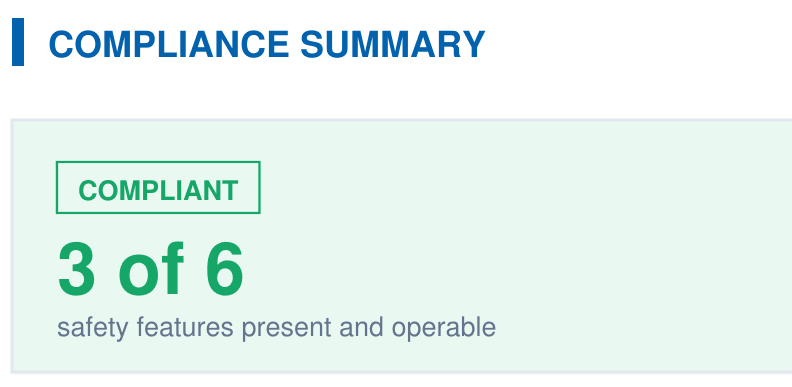
A branded PDF with the compliance summary, the feature table, each finding with its photos, and the signature, generated on‑site when the BPC §7195 and HSC §115922 checklist is complete.
14‑day free trial, no credit card to start.