Complete guide to pool heater inspection covering gas, electric heat pump, and solar systems. Learn safety checks, California Title 24 requirements, and repair vs replacement decisions.
When a pool heater fails during peak swimming season, it can mean lost revenue for pool service companies and disappointed customers. More critically, an improperly maintained pool heater poses serious safety risks, from gas leaks to carbon monoxide exposure. Professional pool heater inspections ensure your equipment operates safely, efficiently, and in compliance with California's strict Title 24 energy standards that took effect January 1, 2026.
This comprehensive guide covers everything pool inspectors and service professionals need to know about inspecting gas, electric heat pump, and solar pool heaters, including the latest 2026 regulations, common failure points, and critical safety checks.
Why Pool Heater Inspections Matter
Pool heaters are complex mechanical systems that combine combustion (for gas units), refrigeration (for heat pumps), or solar thermal technology with sophisticated controls. Regular inspections prevent three critical problems:
Safety hazards: Gas pool heaters that aren't properly maintained can develop dangerous gas leaks, incomplete combustion that produces carbon monoxide, or faulty pressure relief valves that could lead to explosions. Pool heater safety checks identify these life-threatening issues before they cause harm.
Energy waste: A poorly maintained heater can lose 20-30% of its efficiency, dramatically increasing operating costs. With California's strict Title 24 energy efficiency standards now in effect, efficiency matters more than ever.
Premature failure: Pool heaters typically last 10-15 years with proper maintenance, but neglect can cut that lifespan in half. Annual inspections catch small problems before they become expensive replacements.
Professional pool inspection software like PoolVerify helps you document heater conditions with photos, track maintenance history, and generate compliant inspection reports that protect both you and your clients.
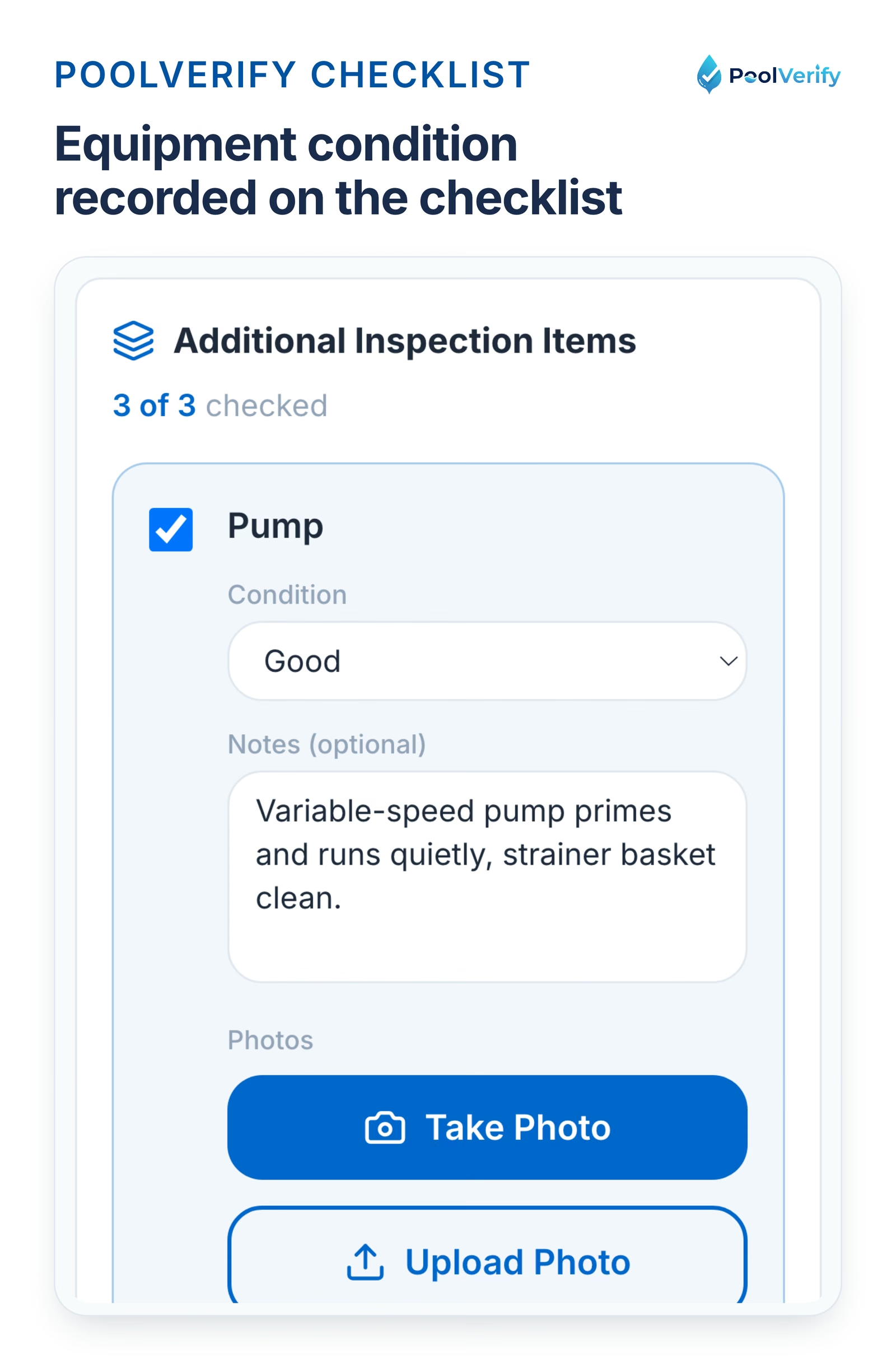
The additional items section of a PoolVerify inspection, with equipment, electrical, and deck conditions.
California Title 24 Pool Heater Requirements (2026)
California revolutionized pool heating standards with Title 24 regulations that took effect January 1, 2026. These requirements fundamentally changed which heaters can be installed as primary heating sources.
Primary Heating Source Restrictions
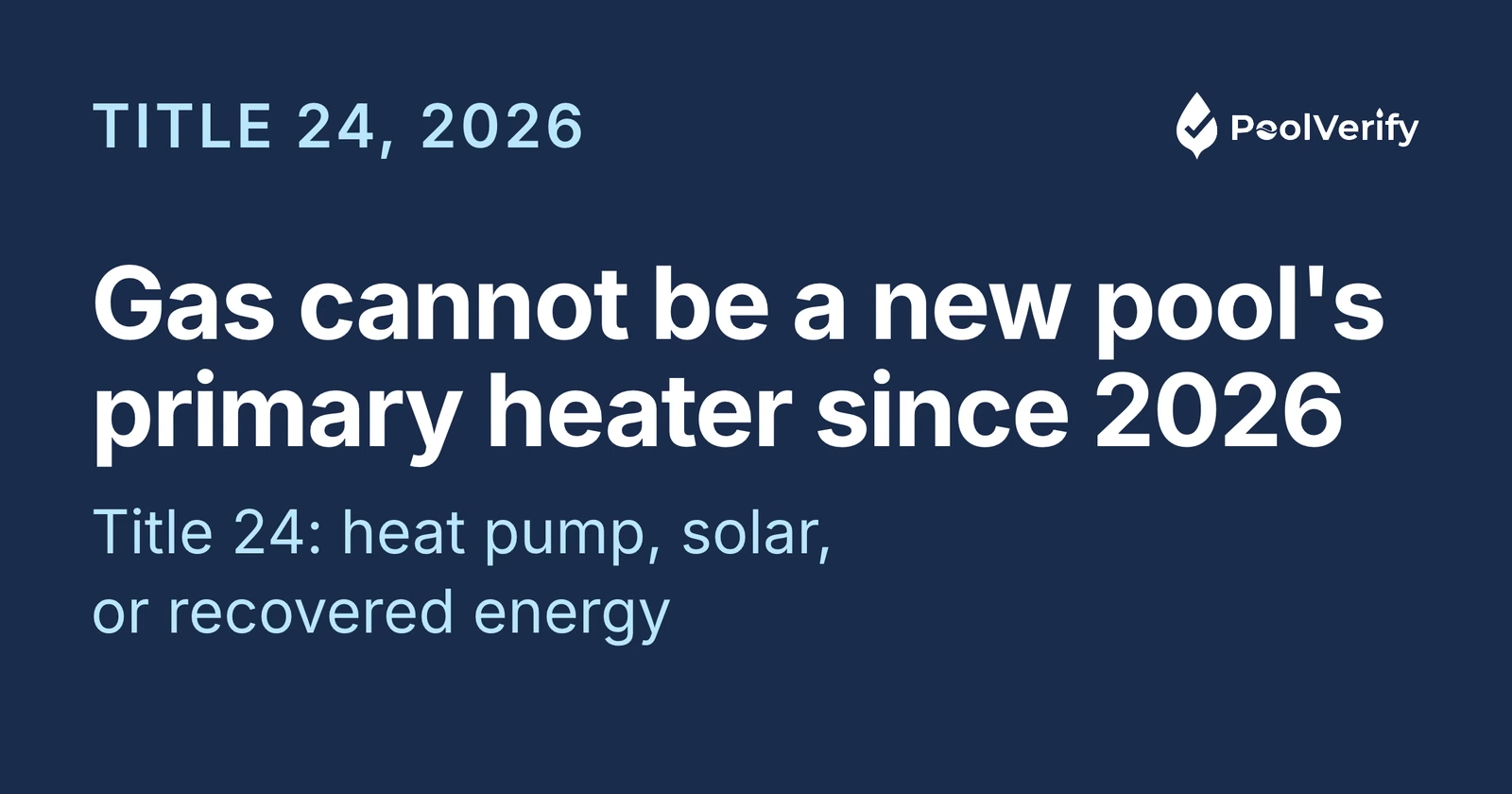
Starting in 2026, California Title 24 regulations prohibit gas heaters and electric resistance heating as primary heat sources for new pools. Primary heating must now be:
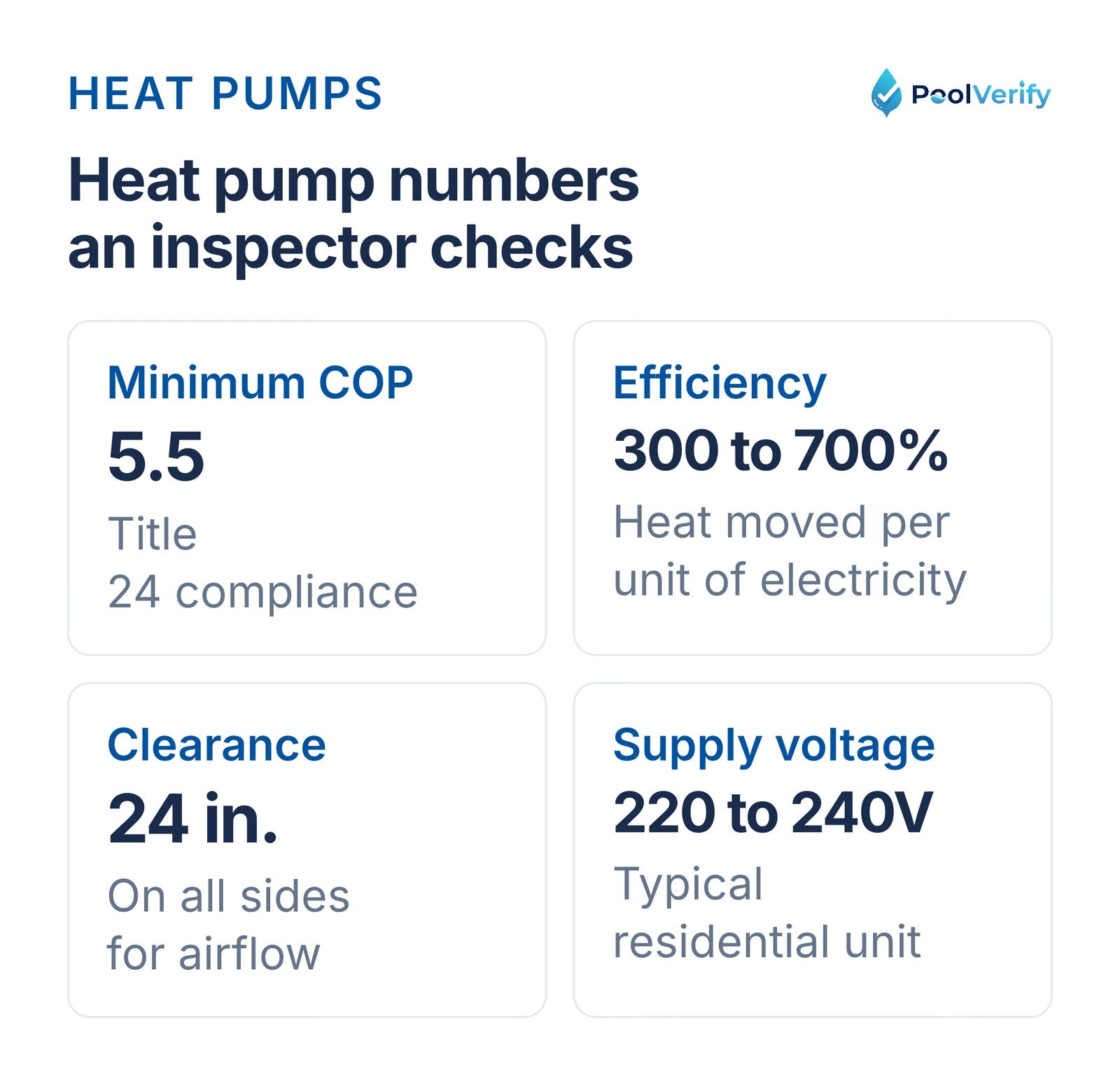
Heat pump pool heaters with COP of 5.5 or higher
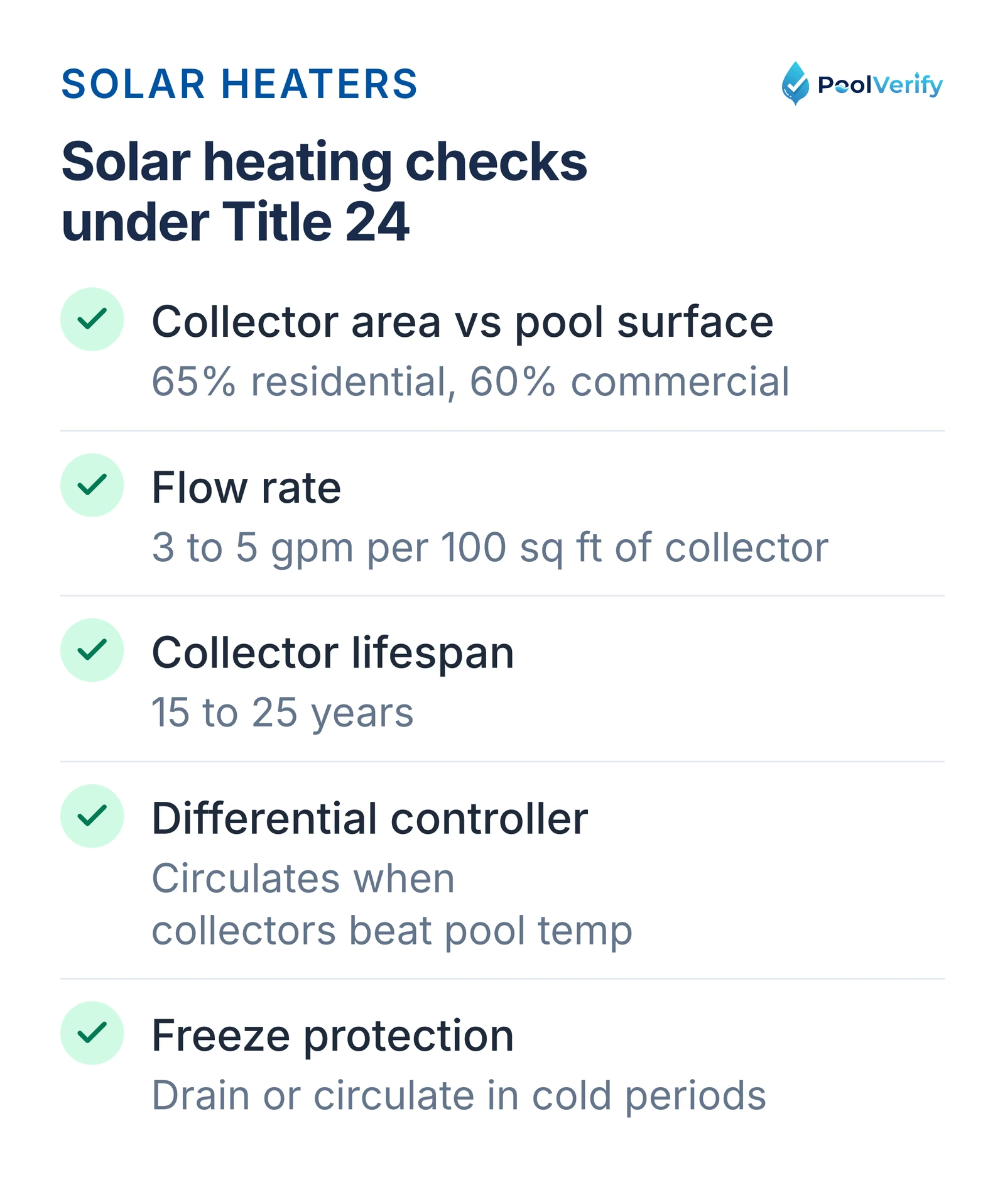
Solar thermal collectors sized to at least 65% of pool surface area (residential) or 60% (commercial)
Recovered energy systems (such as waste heat from other equipment)
Gas heaters are still permitted as backup or supplemental heating, but not as the sole heating system.
Residential pools: Solar collector area must equal at least 65% of pool surface area
Commercial/multifamily pools: Solar collector area must equal at least 60% of pool surface area
Inspectors must verify installed collector area matches design specifications.
Equipment Efficiency Requirements
All new pool heating equipment installed after January 1, 2026 must meet enhanced efficiency standards:
Gas heaters (when permitted) cannot have continuously burning pilot lights
Heat pump systems must be tested under certified federal procedure (10 C.F.R. 430.23(i))
All outdoor pools with heaters must use pool covers
Pool control systems must be demand response capable
Replacement vs New Installation
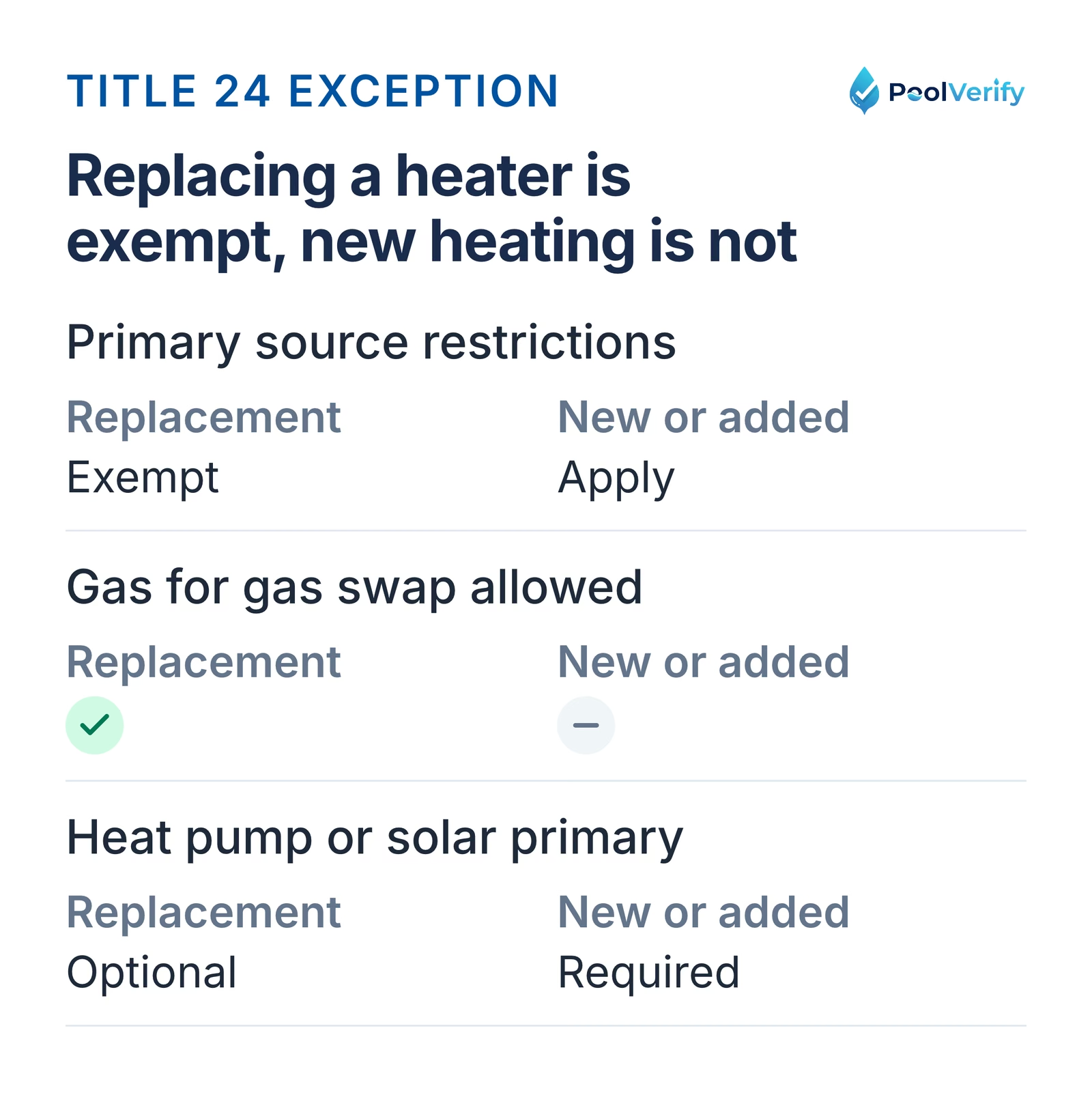
An important exception: when replacing an existing heater (considered a repair), you're exempt from the primary heating source requirements. You can replace an old gas heater with a new gas heater without adding solar or a heat pump.
However, for new pool construction or adding heating to an existing unheated pool, full Title 24 compliance is required.
Replacing an existing heater is treated as a repair and exempt from Title 24 primary source rules; new heating is not.
Gas Pool Heater Inspection
Gas pool heaters remain the most powerful heating option for rapid temperature increases and are still common in existing pools. However, they require thorough safety inspections due to combustion and gas delivery systems.
Combustion Chamber and Burner Assembly
The combustion chamber is where gas burns to create heat. During inspection:
Inspect burner condition: Remove the front panel and examine burners for rust, corrosion, or debris buildup. Burners should produce strong, blue flames, not lazy yellow or orange flames that indicate incomplete combustion.
Check for soot buildup: Black soot on the combustion chamber walls or heat exchanger indicates poor combustion, often from inadequate air supply or clogged burners. This creates carbon monoxide risk.
Verify air intake: Ensure air intake vents are clear of debris, leaves, or insect nests. Restricted airflow causes incomplete combustion.
Test ignition system: Modern heaters use electronic ignition rather than standing pilot lights (now prohibited under Title 24 for new installations). Test that ignition occurs reliably when the thermostat calls for heat.
Heat Exchanger Inspection
The heat exchanger transfers combustion heat to pool water and is the most expensive component to replace. Heat exchanger problems are a leading cause of heater replacement.
Visual inspection for leaks: Look for water dripping from the heat exchanger, rust stains, or mineral deposits that indicate leaks. Even small leaks worsen rapidly.
Check for scaling: Calcium deposits build up inside heat exchanger tubes when water chemistry is unbalanced. Severe scaling reduces efficiency by 20-30% and causes the heater to work harder, shortening its lifespan.
Look for corrosion: Acidic water (low pH) erodes heat exchanger material. Chemical damage from poor water chemistry is the most common cause of heat exchanger failure.
Listen for noises: Banging or popping sounds during operation indicate scale buildup inside the tubes. This requires professional descaling or replacement.
Test for carbon monoxide: Use a CO detector near the exhaust during operation. Any CO detection indicates incomplete combustion requiring immediate repair.
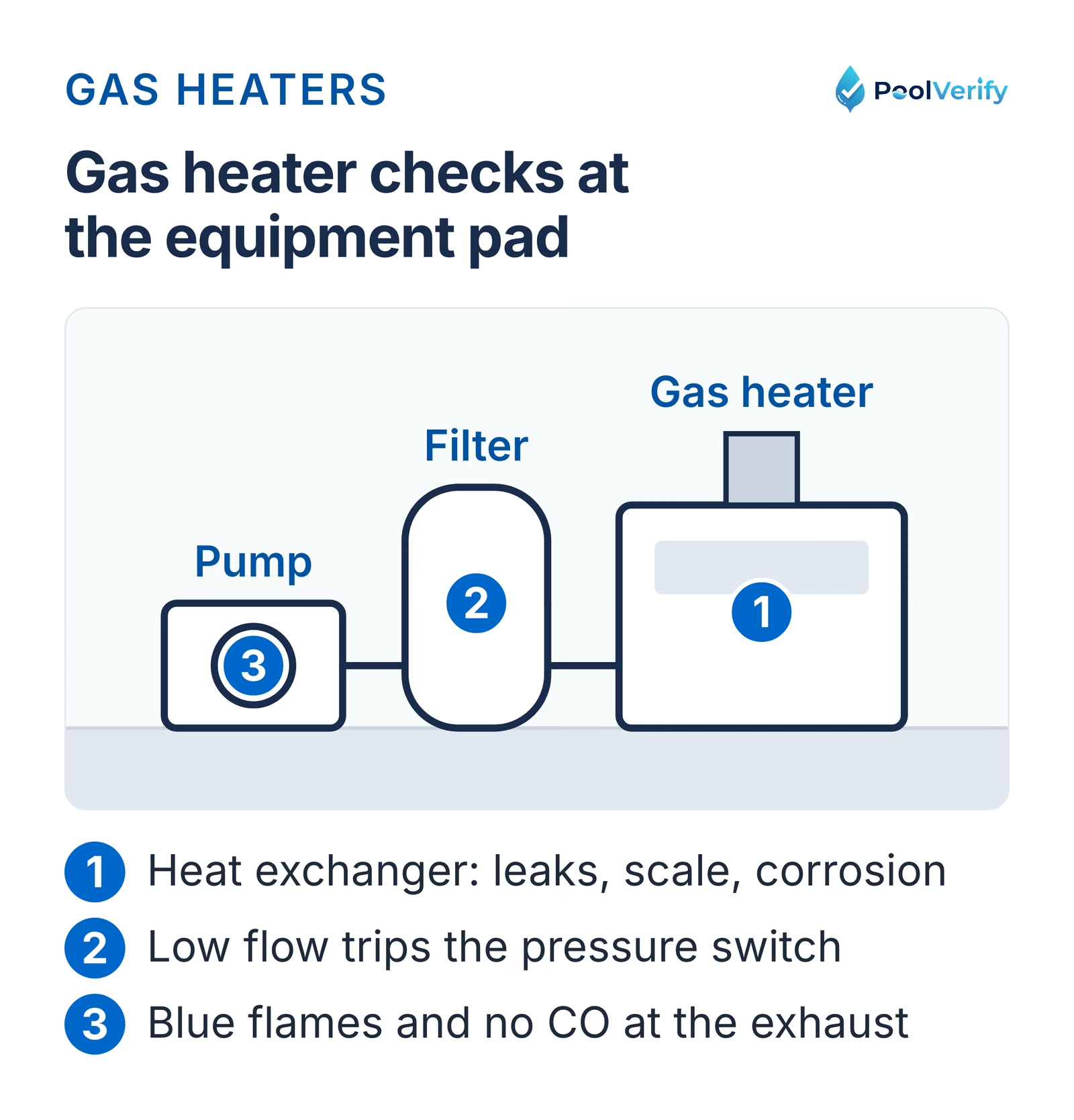
Gas heater checks at the equipment pad: heat exchanger leaks and scale, flow at the pressure switch, blue flames, no CO.
Gas Line and Connection Inspection
Gas leaks are the most serious safety hazard with gas pool heaters.
Inspect gas lines: Check all visible gas piping for corrosion, damage, or loose connections. Pay special attention to joints and fittings.
Perform leak test: Apply soapy water to all gas connections and fittings. Turn on the gas supply and look for bubbles indicating leaks. Never use a flame to check for gas leaks.
Verify gas pressure: Inadequate gas supply pressure causes the heater to underperform. Use a manometer to verify gas pressure meets manufacturer specifications (typically 5-7 inches water column for natural gas, 11-13 inches for propane).
Check gas valve operation: The gas valve should open fully when the thermostat calls for heat and close completely when heating stops. Faulty gas valves can leak or fail to provide adequate gas flow.
Venting System Inspection
Proper venting removes dangerous combustion gases from the heater area.
Inspect vent pipe condition: Check the entire length of vent pipe for rust, holes, or disconnected sections. Combustion gases must be safely directed outside.
Verify proper pitch: Vent pipes should pitch upward from the heater to prevent condensation from draining back into the unit.
Check clearances: Vents must maintain proper clearance from combustible materials per manufacturer specifications (typically 12-18 inches).
Examine vent termination: The vent should terminate in an open area, away from windows, doors, air intakes, or areas where people congregate. Improper vent termination can introduce combustion gases into buildings.
Temperature and Pressure Controls
These safety devices prevent dangerous operating conditions.
Test pressure relief valve: This critical safety device releases pressure if the heat exchanger becomes over-pressurized. Manually lift the valve lever to verify it operates freely. Water should discharge from the relief pipe.
Check high-limit switch: This safety control shuts down the heater if water temperature exceeds safe limits (typically 120-135°F). Test by gradually increasing temperature setpoint while monitoring operation.
Verify thermostat accuracy: Compare the thermostat reading to actual water temperature measured with an accurate thermometer. More than 3°F difference indicates calibration problems.
Inspect pressure switch: This switch prevents heater operation if water flow is insufficient, protecting the heat exchanger from overheating.
Electric Heat Pump Pool Heater Inspection
Electric heat pumps have become California's preferred pool heating technology under Title 24 2026 regulations. Rather than generating heat through combustion, heat pumps extract heat from ambient air and transfer it to pool water, achieving efficiencies of 300-700%.
Compressor and Refrigerant System
The compressor and refrigerant circuit are the heart of a heat pump.
Listen for unusual noises: The compressor should run smoothly without grinding, squealing, or rattling sounds. Unusual compressor noises often indicate bearing wear or internal damage requiring replacement.
Check refrigerant levels: Low refrigerant reduces heating capacity and efficiency. Signs include reduced heat output, longer heating times, and frost on refrigerant lines. Only EPA-certified technicians can test and add refrigerant.
Inspect refrigerant lines: Check copper refrigerant lines for damage, corrosion, or oil stains that indicate leaks.
Verify compressor startup: The compressor should start smoothly when the thermostat calls for heat, without repeated starting and stopping (short cycling).
Heat pump inspection numbers: COP of 5.5 or higher, 300 to 700% efficiency, 24 in. clearance, 220 to 240V supply.
Controls and Sensors
Heat pumps use multiple sensors and controls for efficient operation.
Test temperature sensors: Heat pumps typically have water temperature sensors and ambient air temperature sensors. Verify sensors provide accurate readings.
Check defrost cycle: In cooler weather, heat pumps periodically run defrost cycles to remove ice from the evaporator coil. Verify this function operates correctly.
Verify flow switch: This safety switch prevents operation without adequate water flow. Test by temporarily restricting water flow and confirming the unit shuts down.
Inspect control board: Look for signs of moisture damage, burned components, or loose connections on the control board.
Electrical Connections
Heat pumps draw significant electrical current and require proper electrical connections.
Check power supply: Verify voltage matches unit requirements (typically 220-240V for residential units). Low voltage causes poor performance and compressor damage.
Inspect wiring: Look for loose connections, damaged insulation, or signs of overheating at electrical terminals.
Test GFCI protection: If the unit has GFCI protection, test it monthly to ensure it trips properly.
Verify proper grounding: Confirm the unit is properly grounded to prevent electrical shock hazards.
Solar Pool Heater Inspection
Solar pool heaters offer the lowest operating costs and longest lifespan of any heating system. Under California Title 24 2026 regulations, solar collectors must cover 65% of pool surface area for residential pools (60% for commercial) when used as the primary heating source.
Solar Collector Inspection
Solar collectors absorb sunlight and transfer heat to circulating pool water.
Measure collector area: Verify installed collector area meets Title 24 minimum requirements. Multiply collector length by width for each panel and sum all panels.
Check for physical damage: Inspect collectors for cracks, holes, or UV degradation. Quality collectors last 15-25 years, but exposure to severe weather or poor installation can cause premature failure.
Clean collector surface: Dirt, leaves, pollen, and bird droppings reduce solar absorption. Clean collectors with warm soapy water and a soft brush.
Verify proper mounting: Collectors should be securely mounted with proper standoffs that allow air circulation underneath. Check for loose mounting brackets or damaged roof penetrations.
Inspect glazing: Glazed collectors (with glass or plastic covers) should have intact, clean glazing. Broken glazing dramatically reduces efficiency.
Check for leaks: With the system operating, look for water leaking from collector connections or damaged tubes. Even small leaks waste water and reduce heating capacity.
Circulation System
Solar heating requires adequate water flow through collectors.
Verify pump operation: Dedicated solar circulation pumps should operate when solar energy is available. Some systems use the main pool pump with automatic valves.
Check flow rate: Proper flow rate is critical for solar heating. Too little flow and collectors overheat; too much flow and water doesn't gain enough temperature. Typical flow rates are 3-5 gallons per minute per 100 square feet of collector.
Inspect valves: Automatic diverter valves should fully open to direct water through collectors when heating is needed and fully close when collectors are hotter than desired pool temperature.
Test controller: Solar controllers use temperature sensors to determine when to circulate water through collectors. Verify the controller switches between heating and non-heating modes correctly.
Solar heating checks: collector area at 65% of pool surface, 3 to 5 gpm per 100 sq ft, controller, freeze protection.
Piping and Connections
Solar systems require extensive piping to move water between the pool and rooftop collectors.
Inspect exposed piping: Check all visible piping for cracks, leaks, or damage from UV exposure, freezing, or physical impact.
Verify pipe insulation: In colder climates, exposed piping should be insulated to prevent heat loss and freeze damage.
Check roof penetrations: Piping that penetrates the roof must be properly flashed and sealed to prevent water intrusion.
Test backflow prevention: Verify backflow prevention devices operate correctly to prevent contamination of potable water supplies if the solar system connects to automatic fill valves.
Temperature Sensors and Controls
Solar systems use multiple sensors for automatic operation.
Collector temperature sensor: This sensor measures temperature at the collectors. It should be securely mounted and protected from direct sun exposure (which gives false readings).
Pool temperature sensor: Typically installed in the pool return line, this sensor measures water temperature. Verify it reads accurately compared to a separate thermometer.
Differential controller: This controller compares collector and pool temperatures, activating circulation when collectors are warmer than the pool. Test by manually adjusting setpoints and verifying valve operation.
Freeze protection: In areas with freezing temperatures, verify freeze protection features work correctly. This may include automatic drainage or circulation during cold periods.
Common Pool Heater Problems
Understanding common failure modes helps inspectors identify issues before they cause complete breakdowns.
Gas Heater Common Problems
Ignition failure: Pilot lights that won't stay lit or electronic ignition that fails typically indicate problems with the thermocouple, thermopile, or ignition control board. This is one of the most common gas heater issues.
Heat exchanger scaling: Calcium deposits restrict water flow through the heat exchanger, causing overheating and reducing efficiency. Prevention requires proper water chemistry maintenance (calcium hardness 200-400 ppm, pH 7.4-7.6).
Corroded heat exchanger: Low pH (acidic) water erodes heat exchanger material. Once severe corrosion develops, heat exchanger replacement is necessary, often costing $800-$1,500 for parts and labor.
Gas valve failure: Faulty gas valves either fail to open (no heat) or fail to close completely (gas leaks). Replacement costs $200-$400.
Pressure switch problems: If water flow is restricted by a clogged filter or closed valve, the pressure switch prevents heater operation. This safety feature protects the heat exchanger.
Heat Pump Common Problems
Low refrigerant: Refrigerant leaks cause progressive loss of heating capacity. Signs include frost on refrigerant lines, reduced heat output, and extended heating cycles. Only EPA-certified technicians can repair refrigerant systems.
Dirty evaporator coil: Restricted airflow from a dirty coil causes the unit to work harder, use more electricity, and produce less heat. Regular cleaning prevents this problem.
Fan motor failure: The fan circulates air across the evaporator coil. Fan motor replacement costs $300-$600.
Control board issues: Electronic control boards can fail from power surges, moisture intrusion, or component aging. Replacement costs $200-$500.
Solar Heater Common Problems
Glazing damage: Broken glass or plastic glazing on glazed collectors allows heat to escape, reducing efficiency by 30-50%.
Collector leaks: Damaged tubes or connections in collectors cause water leaks. Small leaks can often be patched, but extensive damage requires collector replacement.
Controller failure: Solar controllers use electronic sensors and switches that can fail over time. Replacement costs $100-$300.
Valve problems: Automatic diverter valves that stick open or closed prevent proper system operation. Valve replacement costs $150-$400.
Air locks: Air trapped in collectors prevents circulation. This is usually resolved by purging air from the system.
Document all heater issues with photos using PoolVerify's mobile inspection app to create professional reports that clearly communicate problems to property owners and support repair estimates.
BTU Sizing Verification
Properly sized heaters heat pools efficiently without wasting energy or money. Undersized heaters run constantly and never reach desired temperature; oversized heaters cost more to purchase and may short-cycle.
BTU Sizing Formula
Pool heater sizing depends on pool surface area, desired temperature rise, and environmental factors:
Basic formula:
Calculate pool surface area (length × width for rectangular pools)
Divide by 3
Multiply by 1,000
Result is minimum BTU rating for 25-30°F temperature rise
Heat pumps: Rated in BTU output, typically 50,000-140,000 BTU. Because heat pumps operate more efficiently in warmer weather, they're sized differently than gas heaters. A heat pump with half the BTU output of a gas heater can maintain similar pool temperatures in moderate climates.
Solar heaters: Solar systems don't have BTU ratings but are sized by collector area as a percentage of pool surface area (typically 50-100%).
Factors Affecting BTU Requirements
Geographic location: Colder climates require larger heaters. Northern California pools need more heating capacity than Southern California pools.
Pool exposure: Pools in windy, shaded, or high-elevation areas lose heat faster and need more BTU capacity.
Usage patterns: Pools used year-round need larger heaters than those only used in summer.
Pool cover use: Covers reduce heat loss by 50-70%, allowing smaller heaters to maintain temperature.
Water features: Waterfalls, fountains, and jets increase heat loss through evaporation, requiring extra BTU capacity.
Verifying Installed Capacity
During inspections, verify the installed heater capacity is appropriate:
Check manufacturer nameplate: The BTU rating is stamped on a metal nameplate on the heater.
Calculate required capacity: Use the pool surface area to determine minimum recommended BTU rating.
Compare to installed capacity: If the installed heater is significantly undersized, document this and explain performance limitations to the property owner.
Consider efficiency: Gas heater efficiency ranges from 79-95%. High-efficiency heaters (89-95% efficient) deliver more usable BTUs per unit of gas.
Pool Heater Lifespan and Replacement Decisions
Knowing when to repair versus replace a heater is one of the most important decisions for pool owners and service professionals.
Expected Lifespan by Heater Type
Gas heaters: Typically last 7-8 years, shorter than other types due to corrosive combustion byproducts and heat exchanger stress.
Heat pumps: Last 10-15 years with proper maintenance. The compressor is the primary wear component.
Solar heaters: Longest lifespan at 15-25 years. No moving parts (except pumps and valves) means fewer components to fail.
Factors Affecting Lifespan
Water chemistry maintenance: Proper pH and alkalinity are critical. Low pH (acidic water) erodes heat exchangers, while high pH causes scaling. Both shorten heater life.
Operating hours: Heaters run continuously use out faster than those used occasionally. Residential heaters used seasonally last longer than commercial heaters running year-round.
Maintenance frequency: Annual professional maintenance can extend heater life by 30-50%. Neglected heaters fail prematurely.
Environmental factors: Coastal installations experience more corrosion from salt air. Areas with hard water have more scaling issues.
Quality of installation: Properly installed heaters with correct gas lines (for gas heaters), adequate electrical service (for heat pumps), and proper venting last longer than poorly installed equipment.
Repair vs Replacement Decision Matrix
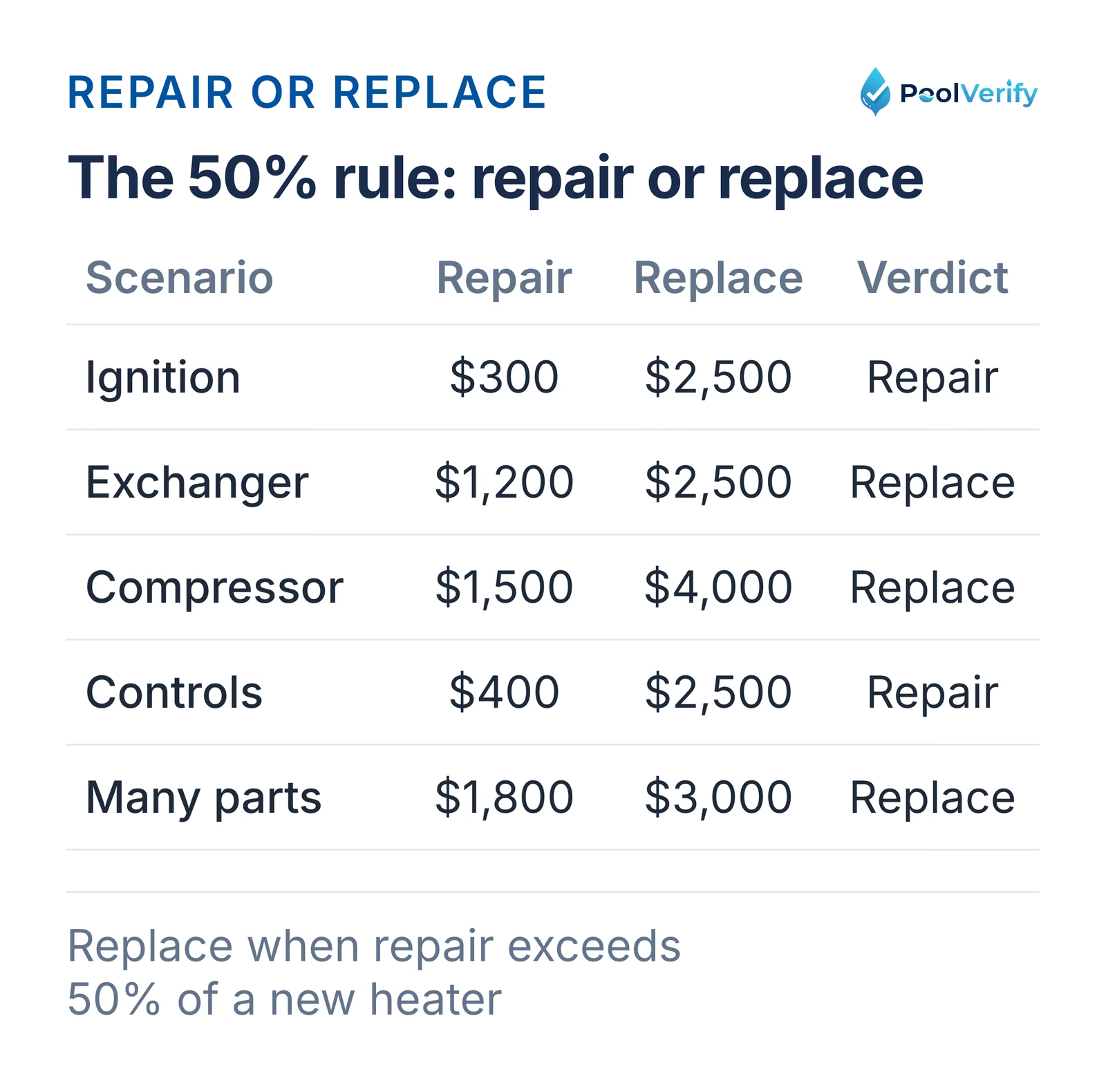
The 50% rule guides repair vs replacement decisions: if repair costs exceed 50% of replacement cost, replace rather than repair.
Repair costs (2026 averages):
Gas heater repairs: $150-$750
Heat pump repairs: $200-$1,200
Solar heater repairs: $50-$400
Professional labor: $80-$120 per hour
Replacement costs (2026 averages):
Gas heater: $1,500-$4,000 installed
Heat pump: $2,500-$6,000 installed
Solar heater: $3,000-$8,000 installed
When to Recommend Replacement
Age-based replacement: If the heater is over 10 years old, replacement is usually more economical than major repairs, regardless of repair cost.
Heat exchanger failure: Heat exchanger replacement costs 50-70% of new heater cost. Unless the unit is very new, replacement is more cost-effective.
Multiple component failures: If a heater needs multiple expensive repairs (gas valve, control board, heat exchanger), replacement is usually better.
Energy efficiency: Old heaters (particularly gas heaters) are less efficient than new models. Energy savings can offset replacement cost over 3-5 years.
Title 24 compliance opportunities: When replacing any heater, consider upgrading to Title 24-compliant systems (heat pumps or solar) to meet California's energy standards and qualify for potential rebates.
Cost Comparison: Repair vs Replace
Scenario
Heater Age
Repair Cost
Replace Cost
Recommendation
Minor ignition issue
5 years
$300
$2,500
Repair
Heat exchanger leak
8 years
$1,200
$2,500
Replace
Compressor failure
12 years
$1,500
$4,000
Replace
Control board failure
3 years
$400
$2,500
Repair
Multiple components
10 years
$1,800
$3,000
Replace
Five heater repair scenarios with repair and replacement costs and the verdict under the 50% rule.
Pool Heater Inspection Checklist
Use this comprehensive checklist to ensure thorough heater inspections.
Gas Pool Heater Checklist
Visual inspection:
Check for rust, corrosion, or physical damage to cabinet
Inspect venting system for proper pitch, clearances, and termination
Verify adequate clearances around unit for combustion air
Look for signs of water leaks around heat exchanger
Combustion system:
Inspect burners for rust, debris, or damage
Verify flames are blue and steady (not yellow or orange)
Check ignition system operation (pilot light or electronic ignition)
Test for carbon monoxide at exhaust
Clean burners if needed
Gas supply:
Perform soapy water leak test on all connections
Verify gas pressure with manometer
Check gas valve operation
Inspect gas line condition
Heat exchanger:
Visual inspection for leaks, corrosion, or scaling
Listen for banging/popping sounds indicating scale buildup
Check for water discharge from relief valve
Controls and safety devices:
Test pressure relief valve operation
Verify high-limit switch function
Check thermostat accuracy
Test pressure switch operation
Inspect control board for damage
Performance:
Record water temperature rise during operation
Measure BTU output if possible
Note any unusual noises or vibrations
Verify proper cycling (on/off operation)
Electric Heat Pump Checklist
Visual inspection:
Check cabinet for damage or corrosion
Verify minimum clearances around unit (24" all sides)
Inspect refrigerant lines for damage or oil stains
Look for water leaks or condensation problems
Evaporator coil:
Clean coil fins and remove debris
Inspect for bent fins or damage
Check for corrosion
Verify unrestricted airflow
Compressor:
Listen for unusual noises during operation
Check for smooth startup without short cycling
Verify proper electrical connections
Test operating amperage vs nameplate rating
Refrigerant system:
Look for signs of refrigerant leaks
Check refrigerant line insulation
Verify frost patterns are normal
Note any performance degradation
Electrical:
Verify proper voltage at unit
Check all electrical connections for tightness
Test GFCI if present
Inspect control board for damage
Controls and sensors:
Test temperature sensors accuracy
Verify defrost cycle operation
Check flow switch function
Test automatic controls
Performance:
Record ambient air temperature
Measure water temperature rise
Calculate approximate COP
Compare to manufacturer specifications
Solar Heater Checklist
Collector inspection:
Measure total collector area and verify Title 24 compliance
Clean collector surfaces
Check for cracks, holes, or UV damage
Inspect glazing if present
Verify secure mounting
Look for leaks at connections
Circulation system:
Test pump operation
Verify proper flow rate
Check automatic valve operation
Inspect piping for leaks or damage
Verify pipe insulation where required
Controls:
Test solar controller operation
Verify temperature sensor accuracy
Check freeze protection if applicable
Test automatic/manual modes
Performance:
Record collector temperature
Measure water temperature rise
Verify valve switching at correct differential
Check for air locks in system
Professional inspection software like PoolVerify provides pre-built checklists for all heater types, automatic photo documentation, and instant PDF report generation to streamline your inspection workflow.
Limitations
This guide is general information about pool safety law, not legal advice; the current text of HSC §115922 and BPC §7195 on leginfo.legislature.ca.gov controls, and local building departments add their own requirements. PoolVerify is inspection software for California residential pool safety inspections; it does not perform inspections, certify inspectors, or issue compliance certificates.
Frequently Asked Questions
How often should pool heaters be inspected?
Annual inspections are recommended for all pool heater types before each heating season begins. Gas heaters should be inspected annually for safety reasons, while heat pumps and solar heaters benefit from annual maintenance to maintain efficiency. Commercial pools with heavy use should inspect heaters every 6 months. Additionally, inspect heaters after major weather events or if performance changes noticeably.
What causes pool heater heat exchangers to fail?
Heat exchanger failure is most commonly caused by poor water chemistry. Low pH (acidic water) erodes copper and cupro-nickel tubes, while high pH and calcium hardness cause scaling that restricts water flow and causes overheating. Proper water chemistry (pH 7.4-7.6, alkalinity 80-120 ppm, calcium hardness 200-400 ppm) can extend heat exchanger life by 5-10 years. Other causes include age, manufacturing defects, and freeze damage.
Can I inspect my pool heater myself or should I hire a professional?
Homeowners can perform basic visual inspections, clean heat pump evaporator coils, and clean solar collectors. However, gas heater combustion system inspections, refrigerant system work on heat pumps, and comprehensive safety testing should be performed by licensed pool professionals or HVAC technicians. Gas heaters in particular require specialized training due to safety risks from gas leaks and carbon monoxide. Professional inspections cost $80-$150 but ensure safe operation.
What are the signs my pool heater needs replacement rather than repair?
Replace rather than repair if: the heater is over 10 years old and needs major repairs; heat exchanger has failed (replacement costs 50-70% of new heater); multiple expensive components need replacement; repair costs exceed 50% of replacement cost; or the heater no longer meets efficiency standards. Heat pumps with failed compressors over 10 years old should typically be replaced rather than repaired.
Do heat pumps work in cold weather?
Heat pump efficiency decreases as air temperature drops, but they continue operating in cooler weather. Most heat pumps function effectively down to 45-50°F air temperature. Below this, heating capacity and COP decline significantly. In cold climates, heat pumps are often paired with gas heaters for backup heating. California's moderate climate makes heat pumps an excellent choice for year-round pool heating, which is why Title 24 2026 regulations encourage their use as primary heating sources.
How much does professional pool heater inspection cost?
Professional pool heater inspections typically cost $100-$200 for a comprehensive safety and performance inspection. This includes visual inspection, combustion analysis (for gas heaters), safety testing, performance measurement, and written report with recommendations. Some pool service companies include heater inspection as part of annual maintenance packages. The investment in professional inspection often prevents expensive emergency repairs and ensures safe operation.
What's the difference between repair and maintenance for pool heaters?
Maintenance is preventive work performed on functioning equipment to keep it operating efficiently and prevent future problems. Examples include cleaning burners, descaling heat exchangers, cleaning evaporator coils, and replacing filters. Repair is fixing components that have already failed or are malfunctioning. Annual maintenance typically costs $150-$300 and extends heater life, while repairs can cost $200-$1,500+ depending on the problem.
Ready to Streamline Your Pool Equipment Inspections?
Professional pool heater inspections protect your clients' safety, reduce energy waste, and help equipment last longer. Whether you're inspecting gas heaters for combustion safety, heat pumps for Title 24 compliance, or solar systems for proper sizing, thorough documentation is essential.
PoolVerify provides California pool professionals with mobile-friendly inspection tools specifically designed for pool equipment assessments. Complete heater inspections on any device, capture detailed photos of heat exchangers and burner assemblies, and generate professional PDF reports instantly. Our platform helps you document heater conditions, track maintenance history, and ensure Title 24 compliance.
Start your free 14-day trial of PoolVerify today and see how digital inspection tools help you complete more thorough equipment inspections in less time.
PoolVerify puts the HSC §115922(a) safety features on an on-site checklist with a photo on each item, collects the signature on screen, and generates the branded PDF report before you leave. Start your 14-day free trial, no credit card to start, or see pricing.
Last updated: September 5, 2026
What the client receives
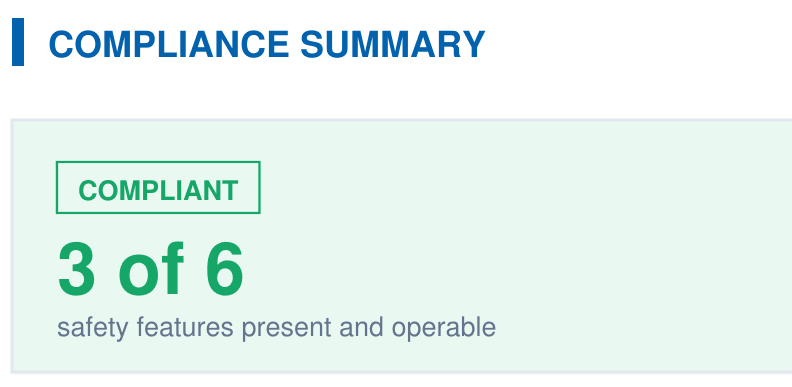
A branded PDF with the compliance summary, the feature table, each finding with its photos, and the signature, generated on‑site when the BPC §7195 and HSC §115922 checklist is complete.