Pool Fence Inspection: California Barrier Requirements
Complete guide to pool fence inspection in California. Learn the 60-inch height, 4-inch spacing, gate requirements, common violations, and inspection checklist for HSC 115922 compliance.
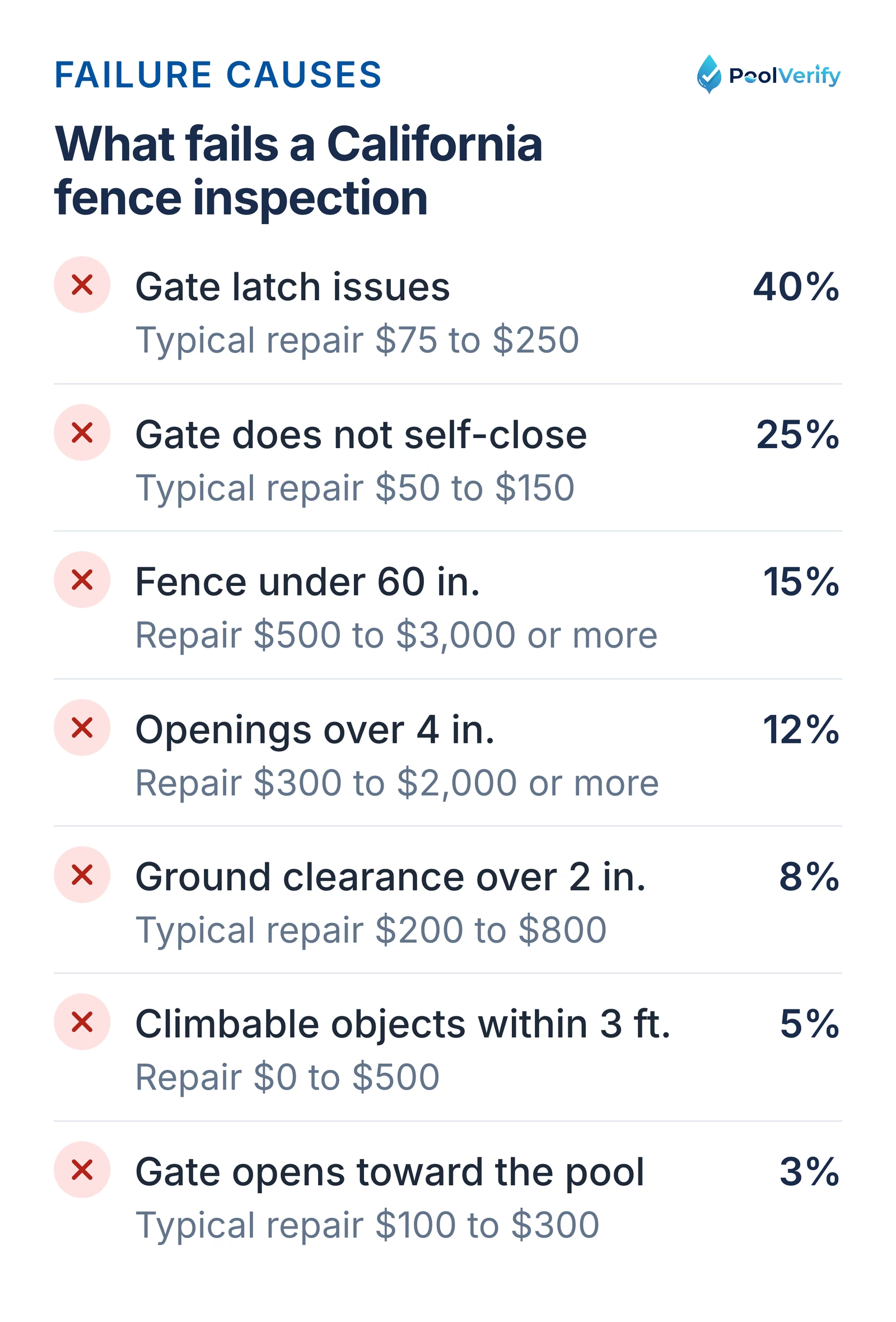
Pool fence violations are the leading cause of failed pool safety inspections in California, accounting for approximately 40% of all inspection failures. Whether you're a homeowner preparing for a property sale, a pool inspector conducting BPC §7195 compliance inspections, or a real estate agent navigating pool compliance requirements, understanding pool fence inspection standards is essential.
This comprehensive guide covers everything you need to know about pool fence inspections in California: the exact height and spacing requirements under HSC §115922, what inspectors look for, common violations that fail inspections, and a complete inspection checklist to ensure compliance.
Why pool fence inspections matter in California
California has some of the strictest pool safety laws in the nation, driven by tragic drowning statistics that make drowning the leading cause of accidental death for children ages 1-4 in the state. According to the California Swimming Pool Safety Act, proper pool barriers reduce childhood drowning risk by up to 80% when correctly installed and maintained.
Pool fence inspections serve three critical purposes:
1. Child safety protection: Properly inspected and maintained barriers prevent unsupervised access to pools by young children who are at highest risk for drowning accidents.
2. Legal compliance: California law requires pool safety inspections during property transfers, and non-compliant barriers can delay or derail real estate transactions.
3. Liability protection: Documented compliance through professional inspections protects property owners from liability in the event of a pool-related incident.
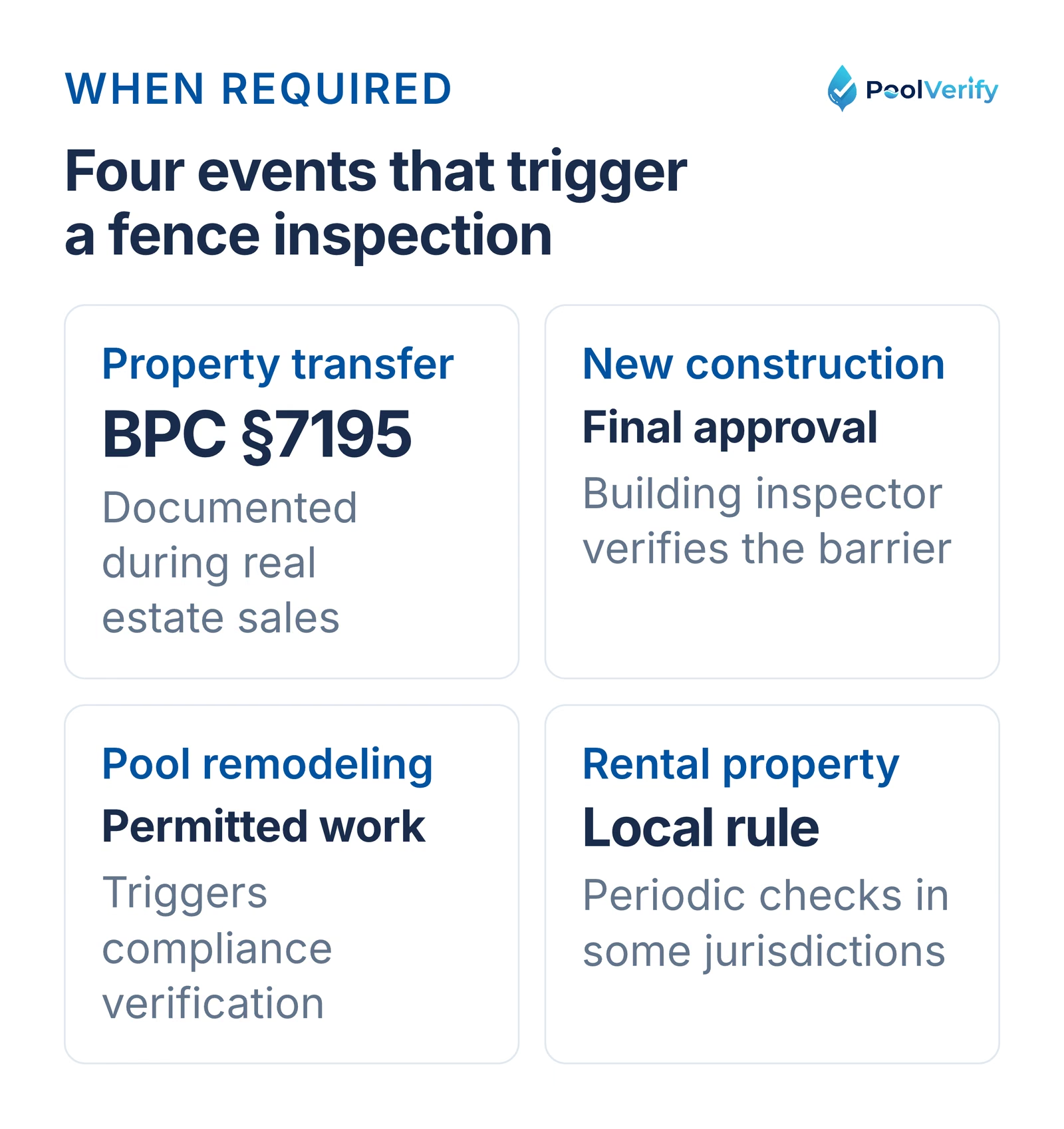
Four triggers for a California pool fence inspection: property transfer, new construction, remodeling, rental rules.
When pool fence inspections are required
California mandates pool fence inspections in several scenarios:
Property transfers: All pool safety features must be inspected and documented during real estate sales (BPC §7195)
New pool construction: Building inspectors verify barrier compliance before final approval
Pool remodeling: Permitted remodeling work triggers compliance verification
Rental properties: Some jurisdictions require periodic safety inspections for rental units with pools
Streamline your California pool fence inspections with digital tools.PoolVerify includes built-in HSC §115922 barrier checklists with photo documentation and instant PDF reports. Start Your Free Trial
Legal framework: HSC 115922 and BPC 7195
California's pool fence inspection requirements are codified in two primary statutes that work together to ensure pool safety.
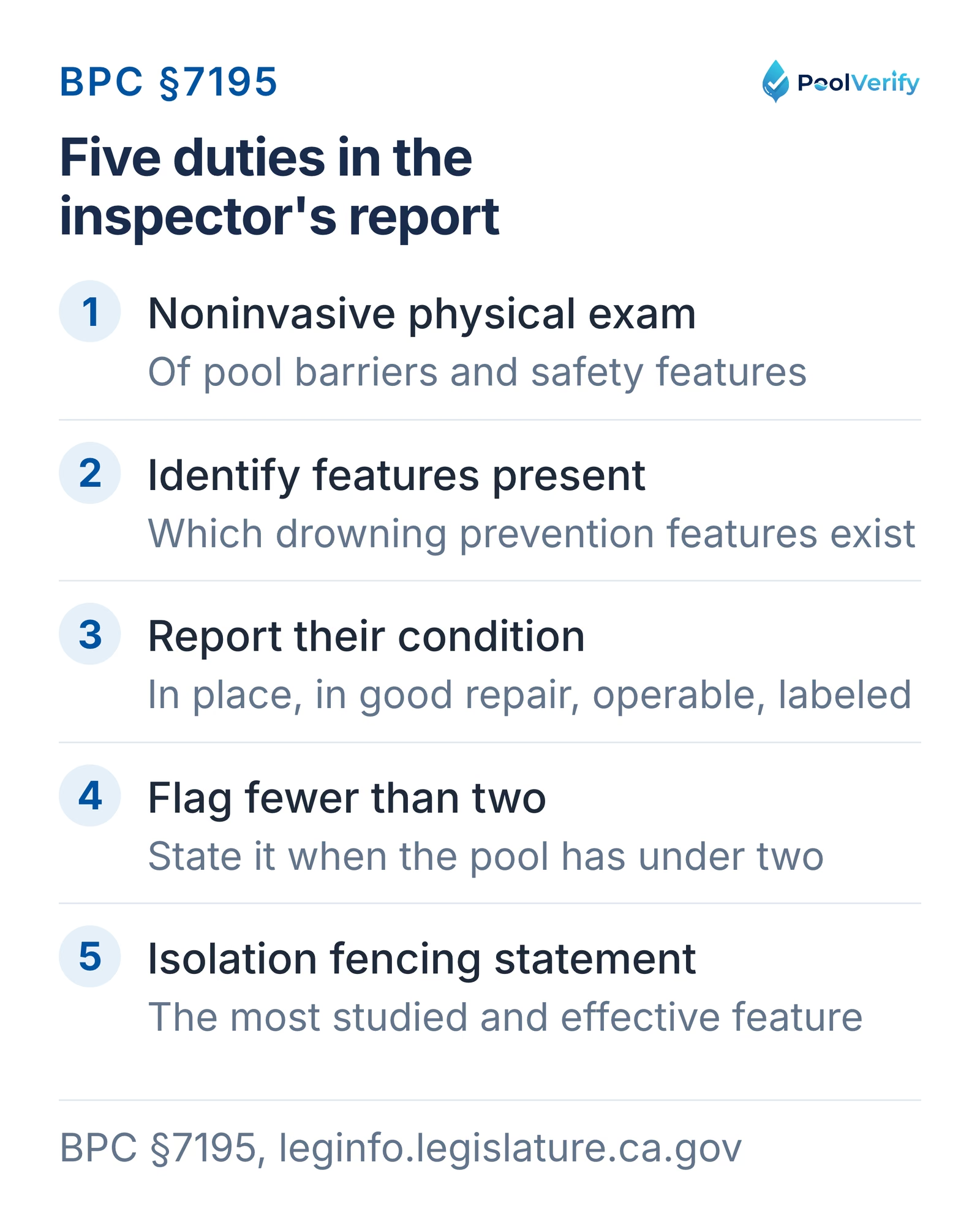
Conduct noninvasive physical examination of pool barriers and safety features
Identify which drowning prevention features are present
Report whether features are "in place, in good repair, operable as designed, and appropriately labeled"
Specifically state if pool has fewer than two required safety features
Include statement that pool isolation fencing is the most studied and effective drowning prevention feature
The five things a BPC §7195 home inspection report must cover for a pool barrier and its safety features.
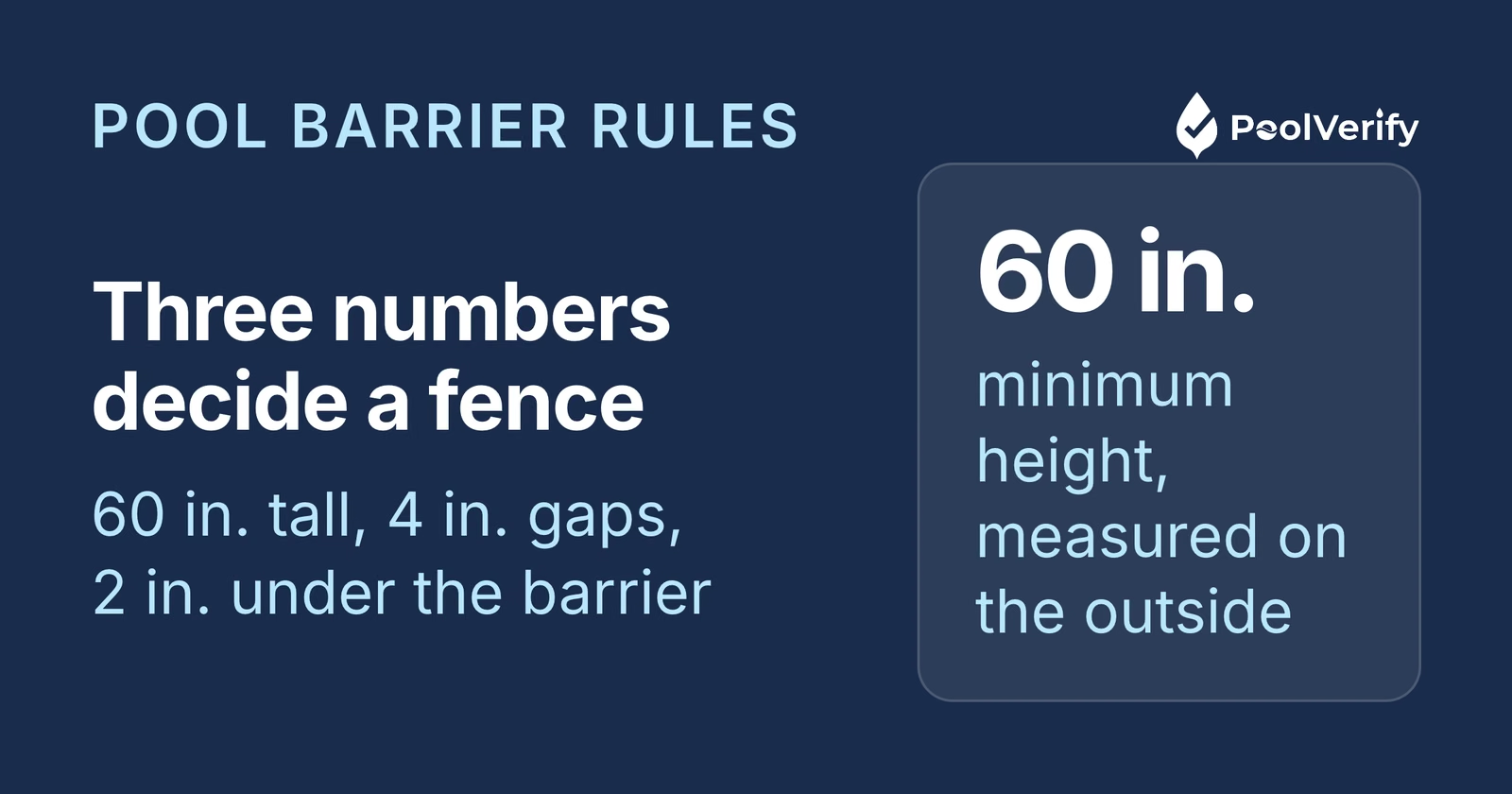
Pool fence height requirements: 60 inches minimum
California requires pool barriers to meet a specific minimum height measured from a defined reference point.
The 60-inch minimum standard
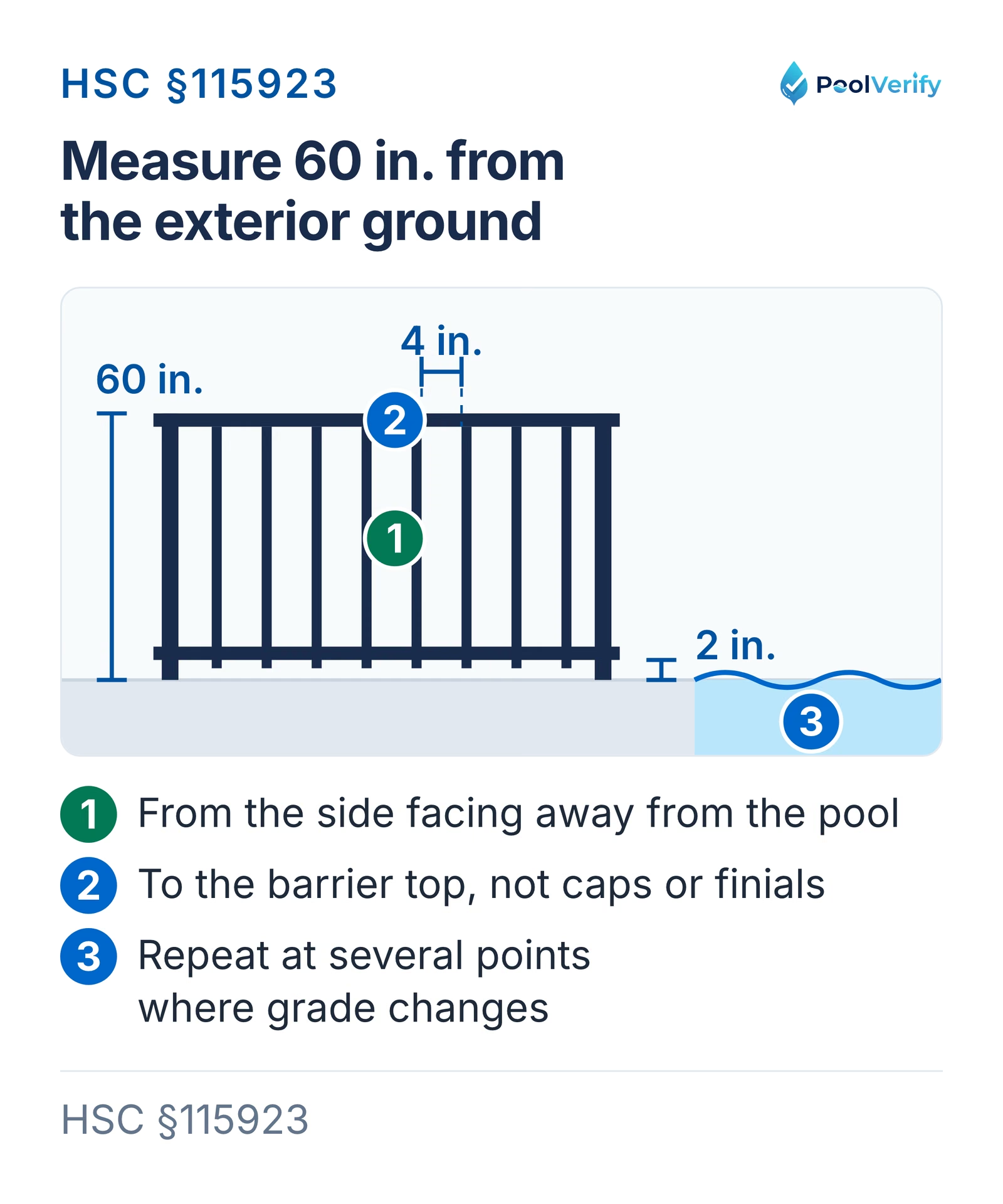
According to HSC §115923, pool barriers must be at least 60 inches (5 feet) in height.
Critical measurement method:
Measure from the ground level on the side facing away from the pool (exterior side)
The 60-inch minimum must be maintained along the entire barrier perimeter
Measurement is from ground to the top of the barrier structure, not decorative elements
Why 60 inches specifically?
The 60-inch height requirement is based on extensive research showing that barriers below 48 inches can be easily climbed by children under age 5, while 60-inch barriers present a significant obstacle. The height places the top of the barrier well beyond the reach of most young children, even when jumping.
Common measurement errors
Inspectors frequently identify these height measurement mistakes:
Error #1: Measuring from interior instead of exterior
Wrong: Measuring from pool-side ground (may be lower due to slope)
Correct: Measuring from exterior side facing away from pool
Error #2: Including decorative elements
Wrong: Measuring to decorative post caps or finials
Correct: Measuring to top of actual barrier structure
Error #3: Ignoring grade changes
Wrong: Single measurement at one location
Correct: Multiple measurements accounting for ground slope
Pool fence height is measured from the exterior ground to the top of the barrier, at several points along the perimeter.
Ground clearance: Maximum 2 inches
In addition to the 60-inch minimum height, California requires the bottom of barriers to maintain no more than 2 inches clearance from the ground surface.
Why this matters: Young children can attempt to crawl under barriers. The 2-inch maximum clearance prevents children from sliding underneath while allowing minor ground irregularities.
Inspection tip: Check ground clearance at multiple points along the fence line, especially at low spots where erosion or settling may have increased clearance beyond 2 inches.
Pool fence spacing requirements: 4-inch rule
Pool barrier spacing requirements prevent children from squeezing through openings or getting trapped between fence elements.
The 4-inch sphere test
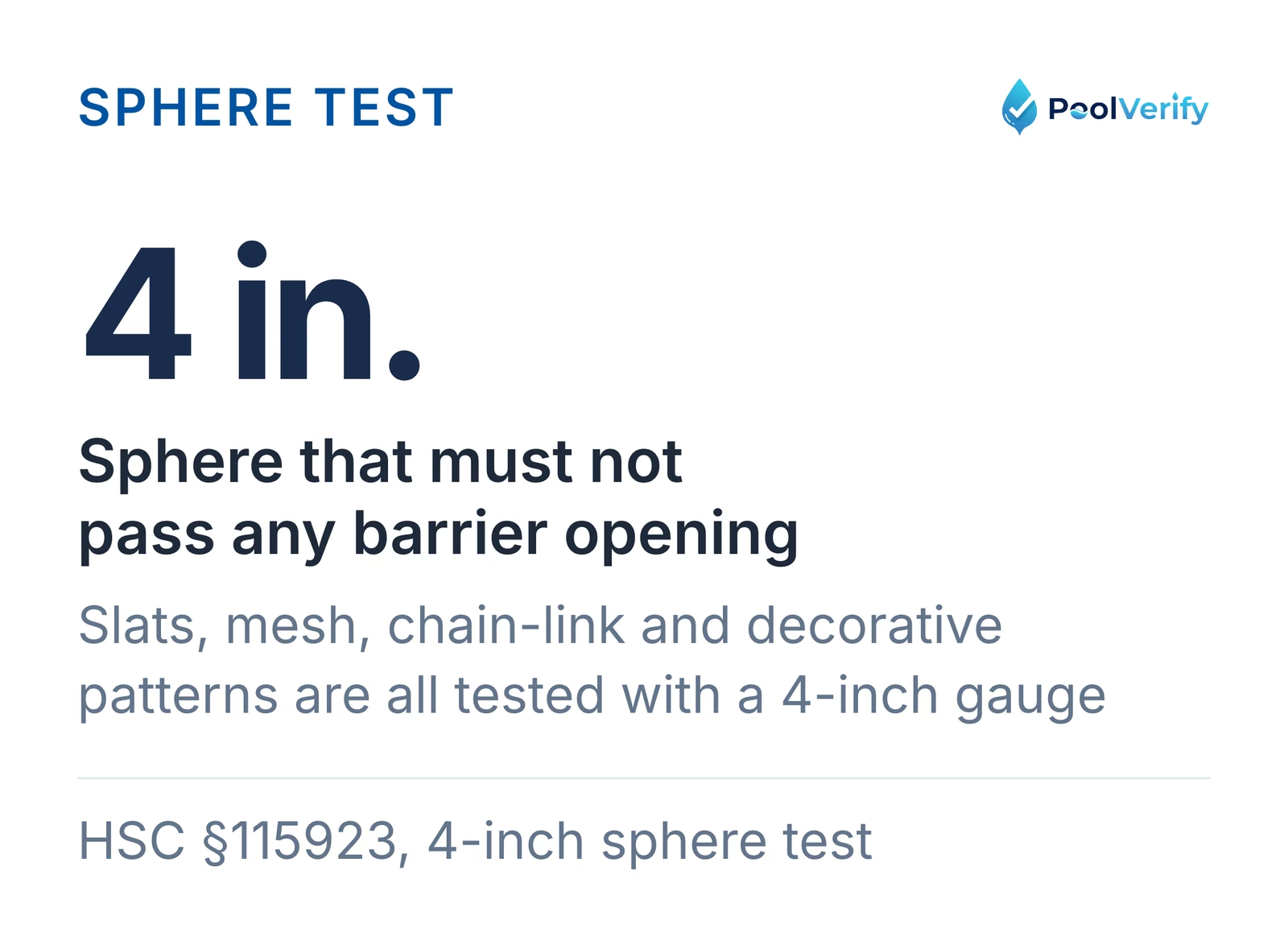
California pool barriers must not have openings that allow passage of a 4-inch diameter sphere. This is commonly called the "4-inch sphere test."
What this means in practice:
Vertical slats must be spaced no more than 4 inches apart (measured center-to-center or opening width)
Mesh fencing must have openings smaller than 4 inches in any dimension
Decorative patterns cannot create gaps larger than 4 inches
Chain-link mesh openings must comply with size limits
Testing method: Inspectors use a 4-inch diameter ball or sphere gauge. If the sphere can pass through any opening in the barrier, it fails California requirements.
A 4 inch diameter sphere must not pass through any opening in a California pool fence.
Horizontal rail spacing restrictions
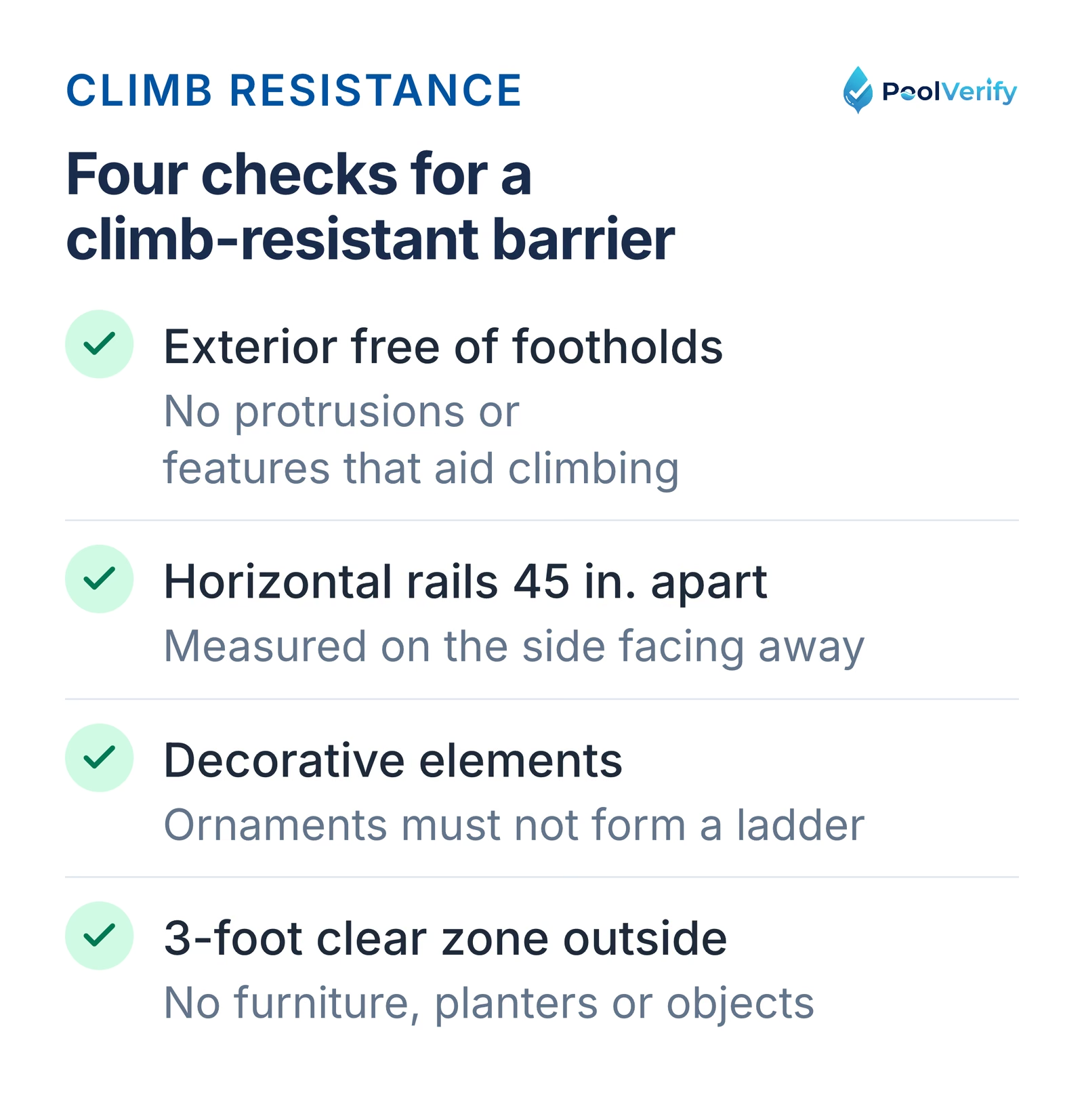
If your barrier includes horizontal rails or members (elements running parallel to the ground), additional spacing requirements apply to prevent children from using them as climbing footholds.
Horizontal member spacing on exterior side:
Must be spaced at least 45 inches apart on the side facing away from the pool
This prevents children from using horizontal elements as ladder rungs
Chain-link fencing typically meets this requirement with minimal horizontal elements
Exception: Barriers with vertical slats less than 1.75 inches apart are exempt from horizontal spacing requirements, as the narrow vertical spacing prevents climbing.
No climbable features
California pool fence laws require the exterior surface of barriers to be "free of protrusions, cavities, or other physical characteristics that would serve as handholds or footholds that could enable a child below the age of five years to climb over."
Examples of non-compliant features:
Decorative horizontal rails at 24-inch intervals
Lattice work with climbable cross-members
Textured surfaces with toe-holds
Fence brackets or hardware creating footholds
Gate requirements for pool fences
Pool fence gates are the most scrutinized element during California pool safety inspections and the leading cause of inspection failures.
Self-closing requirement
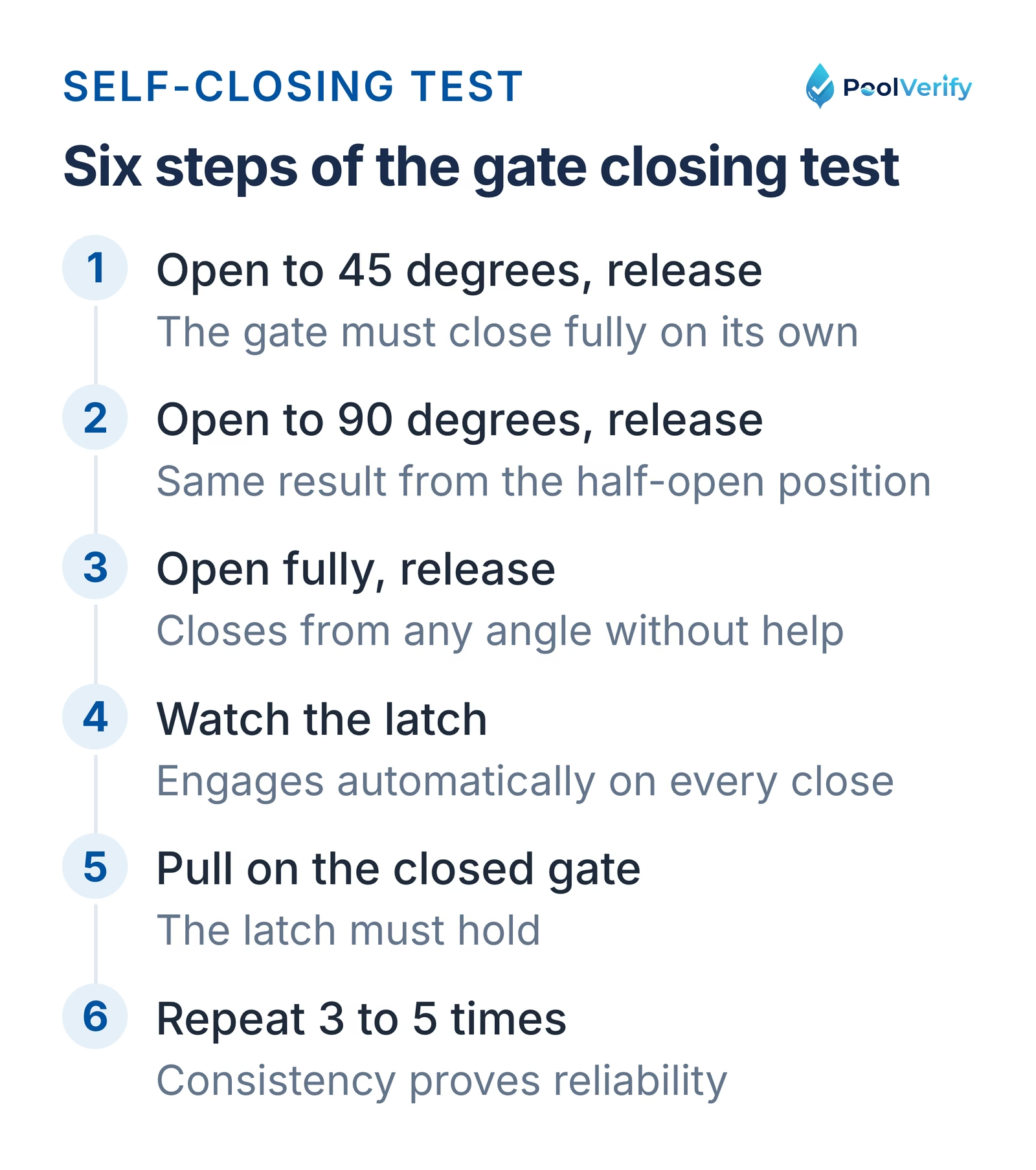
California requires pool gates to be self-closing, meaning they automatically return to the closed position from any open angle without manual assistance.
Specifications:
Gate must close completely from any position (45°, 90°, fully open)
Closing mechanism must function reliably through 50,000+ cycles
Spring hinges, hydraulic closers, or adjustable tension hinges are acceptable
Mechanism must work in all weather conditions
Inspection test: Inspectors open gates to various positions and verify they close completely each time without assistance.
A pool gate is released from 45 degrees, 90 degrees and fully open, then the latch is pulled, 3 to 5 times over.
Self-latching requirement
Gates must be self-latching, meaning the latch engages automatically when the gate closes without user action.
Specifications:
Latch must engage automatically when gate reaches closed position
Latch must be strong enough to resist casual opening by children
Magnetic latches, gravity latches, and spring-loaded latches are acceptable
Latch must remain engaged in windy conditions
Inspection test: Inspectors close the gate without touching the latch mechanism and verify it engages. They then pull on the gate to confirm it's secured.
Gate opening direction: Away from pool
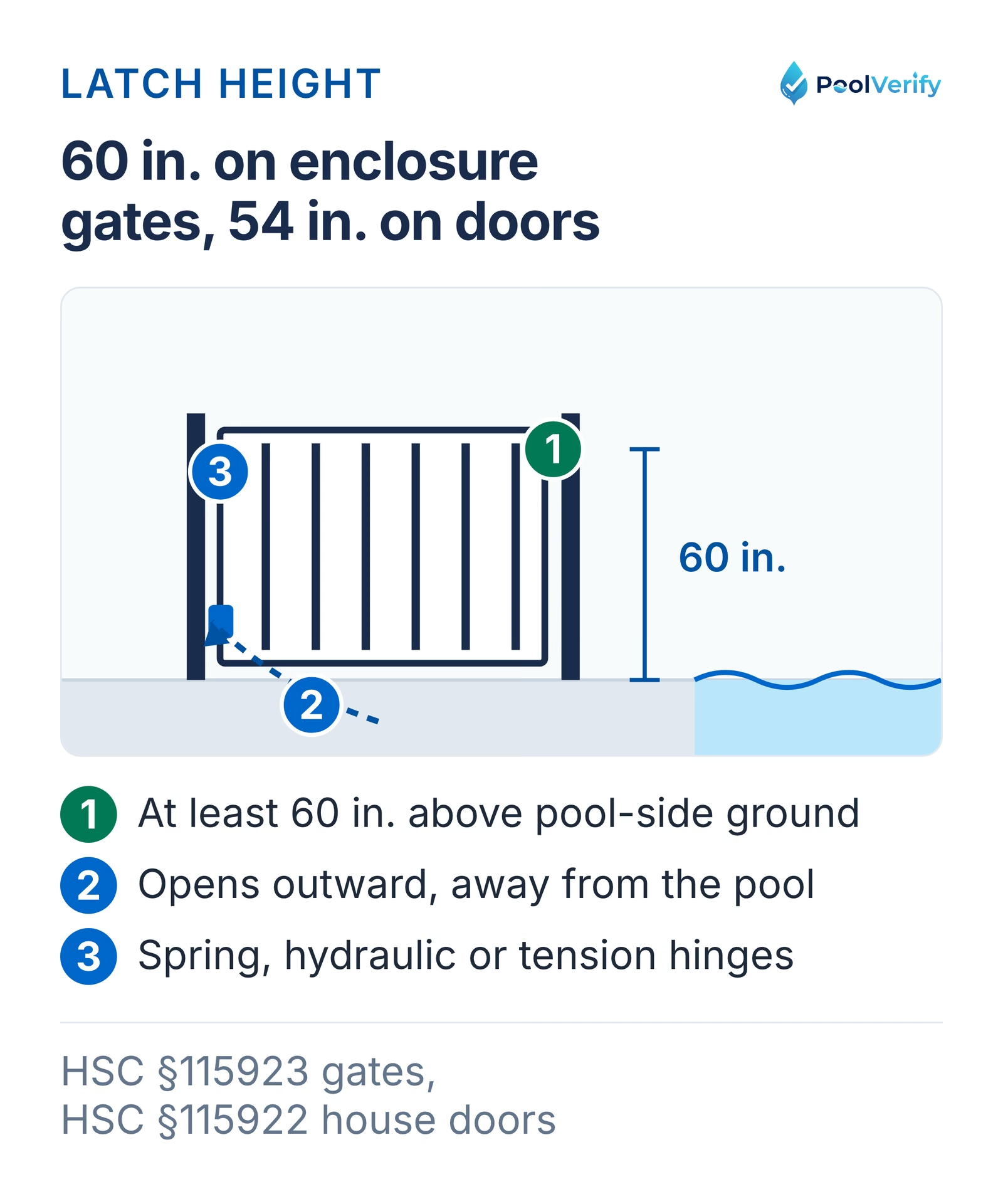
California requires pool gates to open outward, away from the pool area.
Why: Outward-opening gates prevent children from accidentally entering the pool area by pushing through partially latched gates. If a child leans on an inward-opening gate, the gate might swing open even with a latch engaged.
Exception: Gates serving as emergency exits may open inward if they meet alternative safety specifications approved by the building department.
Latch height requirements
Gate latch positioning is critical for preventing young children from reaching and operating the release mechanism.
Two different height standards apply:
Gate Type
Minimum Latch Height
Code Section
Pool enclosure gates (fence)
60 inches above the ground
HSC §115923(a)
House doors (direct pool access)
54 inches above the floor
HSC §115922(a)(5)
Measurement method: Measure from the ground on the outside of the gate to the lowest point of the latch release mechanism. HSC §115923(a) contains no lower-latch alternative; a latch below 60 inches is a finding until it is moved.
A pool gate latch release at least 60 inches above the pool-side ground, on a gate that opens away from the pool.
Complete pool fence inspection checklist
Use this comprehensive checklist when conducting pool fence inspections for California compliance. This checklist aligns with HSC §115922 and §115923 requirements.
Section 1: Overall barrier assessment
Barrier type identified: Perimeter fence / House as partial barrier / Removable mesh / Other
Barrier completely encloses pool: No gaps or unauthorized access points
Barrier isolates pool from dwelling: Pool area separated from house access (if perimeter fence)
Professional inspectors photograph all critical elements for report documentation.
Standard photos:
Overall barrier from multiple angles
Height measurement process
Gate latch mechanisms and height
Any violations or non-compliant features
4-inch spacing test demonstration
Ground clearance measurements
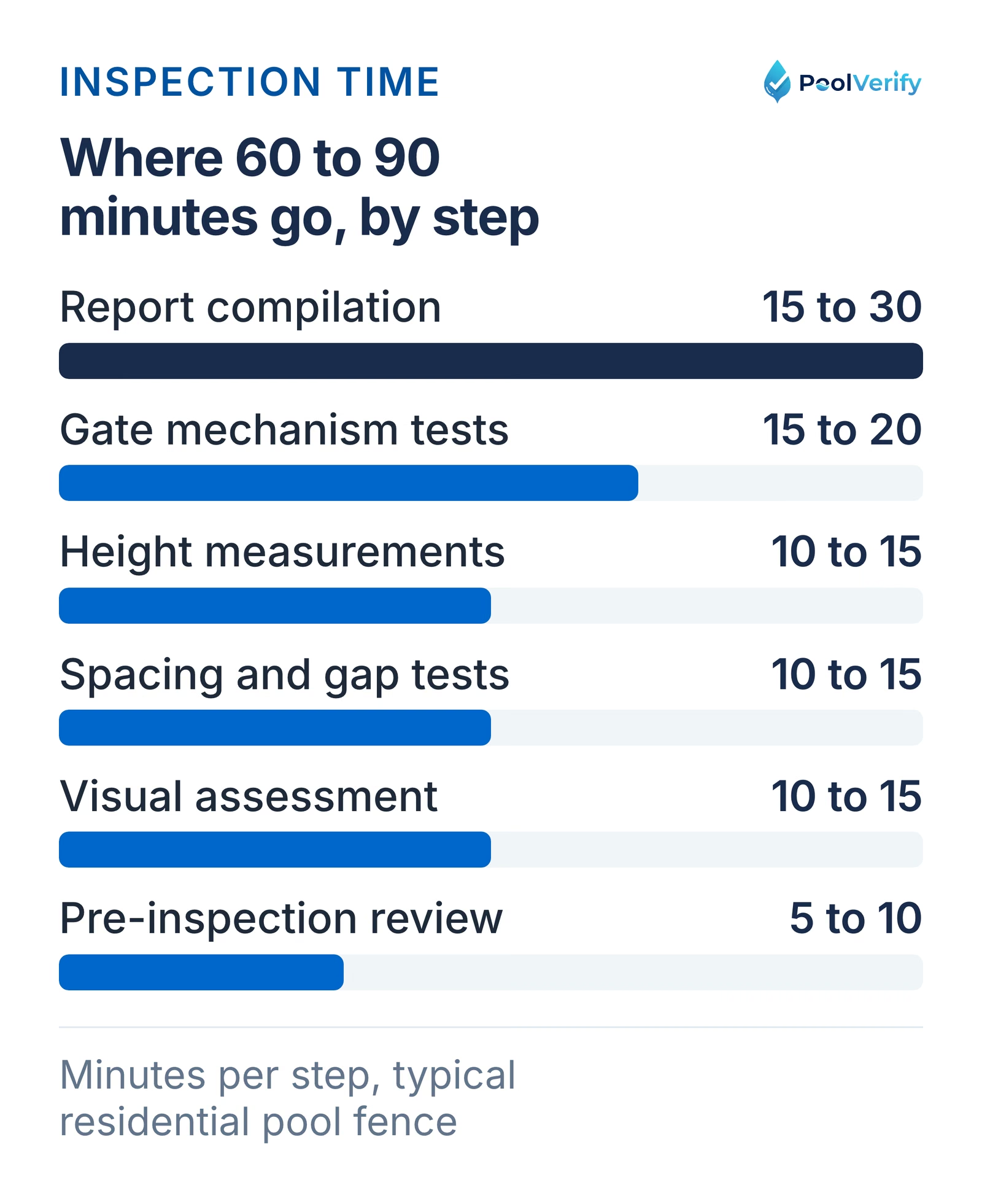
Step 9: Report compilation (15-30 minutes)
Inspector compiles findings into formal inspection report.
Report includes:
Barrier type and materials
Compliance status for each requirement
Specific measurements (height, spacing, latch height)
Identified violations with photos
Recommendations for remediation
Pass/fail determination
Inspector signature and date
Total inspection time: 60-90 minutes for typical residential pool fence
Generate professional pool fence inspection reports in minutes. PoolVerify streamlines the entire process with built-in HSC §115922 checklists, photo integration, and instant PDF report generation. Start Your Free Trial
How to prepare for a pool fence inspection
Proper preparation helps ensure your pool fence passes inspection on the first attempt, saving time and money.
30 days before inspection
Schedule and plan:
Book inspection appointment with a qualified inspector
Review this guide and identify potential issues
Budget for any anticipated repairs
Contact fence contractor if major work needed
Initial assessment:
Walk entire fence perimeter looking for obvious issues
Test each gate's self-closing and self-latching function
Note any damaged sections or worn hardware
Identify climbing hazards within 3 feet of fence
1-2 weeks before inspection
Make necessary repairs:
Replace or adjust non-functioning self-closing hinges
Repair or replace faulty latches
Fix broken slats or damaged fence sections
Rehang misaligned gates
Paint or treat rusty metal components
Address common issues:
Relocate furniture and objects away from fence exterior
Trim tree branches overhanging within 3 feet
Fill gaps where ground clearance exceeds 2 inches
Ensure all gates open away from pool
Verify the gate latch is at least 60 inches above the ground and any home door release at least 54 inches above the floor
1-3 days before inspection
Final preparation:
Test all gates from multiple angles
Clean gate mechanisms and latch components
Verify latches engage reliably every time
Check for any new damage or issues
Ensure clear access for inspector
Documentation ready:
Building permits for pool construction/remodeling
Previous inspection reports
Product specifications for gates and latches
Receipts for recent repairs or upgrades
Property survey showing pool location
Day of inspection
Final walkthrough:
Test all gates one more time
Remove any objects near fence that could be seen as climbing aids
Ensure gates aren't propped open
Clear pathway for inspector access
Have documentation ready to provide
During inspection:
Allow inspector to work without interference
Answer questions about pool history or modifications
Take notes on any issues identified
Ask for clarification on violation remediation
Request specific recommendations for fixes
What happens if your pool fence fails inspection
A failed pool fence inspection doesn't necessarily derail a property sale or create major problems, but it does require remediation.
Understanding failure notices
When a pool fence fails inspection, the inspector provides a detailed report identifying specific violations.
Failure report includes:
List of all non-compliant elements
Photos documenting each violation
Specific code sections violated
Recommended remediation steps
Timeline for correction (if applicable)
Re-inspection requirements
Remediation timelines
The urgency of fixes depends on the context of the inspection.
Property transfer context:
Buyers and sellers negotiate who pays for repairs
Typically must be corrected before close of escrow
May delay closing 1-2 weeks for major repairs
Re-inspection required before transaction completion
New construction/remodeling context:
Must be corrected before final building approval
Cannot use pool until compliance verified
Building department may impose fines for delays
Re-inspection scheduled after corrections made
Rental property context:
Correction timeline specified by local ordinance
Typically 30-90 days for remediation
May face fines for non-compliance
Follow-up inspection required
Common repair costs and timelines
Violation Type
Typical Cost
Repair Time
Difficulty
Latch adjustment/replacement
$75-$250
1-2 hours
Easy (DIY possible)
Self-closing hinge replacement
$100-$200
2-4 hours
Easy (DIY possible)
Gate rehang (direction change)
$150-$400
4-8 hours
Moderate
Add intermediate pickets
$300-$1,000
1 day
Moderate
Fence height extension
$500-$2,000
1-2 days
Moderate-Hard
Complete fence replacement
$2,000-$8,000+
3-5 days
Professional required
Re-inspection process
After corrections are made, a re-inspection verifies compliance.
Re-inspection requirements:
Schedule with same or different inspector
Focus on previously identified violations
May include full inspection or targeted review
Additional fee typically $75-$150
Pass/fail determination with updated report
Re-inspection timeline:
Can typically be scheduled within 3-7 days
Inspection takes 30-45 minutes (focused review)
Report provided same day or within 24 hours
Preventing future failures
After passing inspection, maintain compliance through regular checks:
Monthly: Test all gate mechanisms for proper function
Quarterly: Inspect for structural damage or deterioration
Annually: Comprehensive check of all barrier elements
After storms: Verify no damage from wind or weather
Before selling: Pre-listing inspection to identify issues early
This guide is general information about pool safety law, not legal advice; the current text of HSC §115922 and BPC §7195 on leginfo.legislature.ca.gov controls, and local building departments add their own requirements. PoolVerify is inspection software for California residential pool safety inspections; it does not perform inspections, certify inspectors, or issue compliance certificates.
Frequently asked questions
What is the minimum height for a pool fence in California?
California requires pool fences to be at least 60 inches (5 feet) in height, measured from the ground level on the exterior side facing away from the pool. This requirement applies to all barrier types including fences, walls, and enclosures that isolate the pool area. Local building codes may require taller barriers, so verify requirements with your city or county building department.
How far apart can pool fence slats be in California?
Pool fence slats in California can be no more than 4 inches apart. This spacing is tested using a "4-inch sphere test", if a 4-inch diameter ball can pass through any opening in the fence, it does not meet California requirements. This spacing prevents children from squeezing through or getting trapped between fence elements.
Do all pool gates need to be self-closing and self-latching?
Yes. California law requires all pool access gates to be both self-closing (automatically returns to closed position from any angle) and self-latching (latch engages automatically without manual action). Gates must also open outward, away from the pool, with latches positioned at least 60 inches above the ground for enclosure gates or 54 inches for house doors.
How much does a pool fence inspection cost in California?
California pool fence inspections typically cost $150-$300 as part of a comprehensive pool safety inspection required for property transfers. Stand-alone barrier inspections may cost $100-$200. Costs vary by property location, pool complexity, and inspector qualifications. Re-inspections after failed inspections typically cost $75-$150.
What happens if my pool fence fails inspection during a home sale?
If your pool fence fails inspection during a property sale, the inspector provides a detailed report identifying specific violations. Buyers and sellers then negotiate who pays for corrections. Repairs must typically be completed before close of escrow, potentially delaying closing 1-2 weeks for major repairs. A re-inspection is required after corrections are made to verify compliance.
Can I use my house wall as part of the pool barrier?
Yes, California allows the house wall to serve as part of the pool barrier perimeter. However, all doors from the house to the pool area must be equipped with either exit alarms or self-closing, self-latching devices with release mechanisms at least 54 inches above the floor. Windows must not provide pool access. The remaining perimeter requires compliant fencing with proper gates.
How often should pool fences be inspected?
California legally requires pool fence inspections during property transfers (BPC §7195) and after new construction or permitted remodeling. Beyond legal requirements, homeowners should conduct monthly self-inspections of gate function and annual comprehensive assessments of barrier condition. Professional inspections are recommended every 3-5 years or before selling a property to identify issues early.
What is the most common reason pool fences fail inspection?
Gate latch issues are the most common cause of pool fence inspection failures, accounting for approximately 40% of failures. Common problems include latches positioned too low (below 60 inches for enclosure gates), non-self-latching mechanisms requiring manual action, misaligned latches that don't engage consistently, and worn mechanisms that fail intermittently. Most latch issues can be fixed for $75-$250.
Ready to ensure pool fence compliance?
California pool fence inspections protect children while ensuring legal compliance for property transfers and new construction. Understanding the 60-inch height requirement, 4-inch spacing rule, self-closing and self-latching gate requirements, and common violations helps homeowners, inspectors, and real estate professionals navigate the inspection process successfully.
Key takeaways for pool fence inspections:
Minimum 60-inch height measured from exterior ground level
Maximum 4-inch openings throughout entire barrier
Self-closing and self-latching gates opening away from pool
Latch positioning 60+ inches (enclosure) or 54+ inches (doors)
Maximum 2-inch ground clearance
Gate latch issues cause 40% of inspection failures
Whether you're preparing for a property sale, conducting professional inspections, or ensuring your pool meets California safety standards, proper barrier assessment and documentation is essential.
Conduct efficient California pool fence inspections with built-in compliance tools. PoolVerify includes HSC §115922 barrier checklists, gate mechanism testing protocols, photo documentation, and instant PDF reports for BPC §7195 compliance. Start Your Free Trial
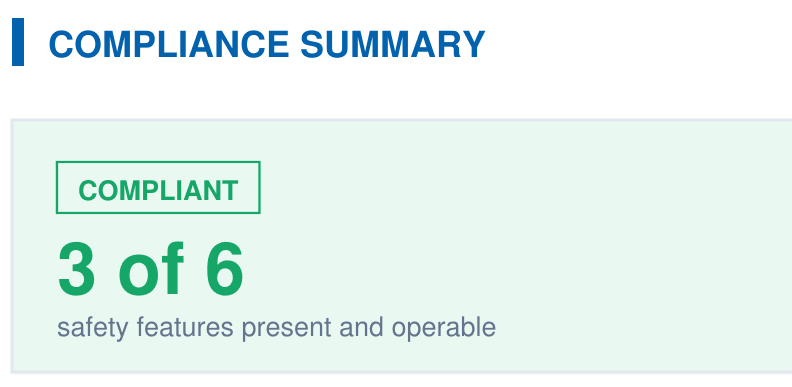
A branded PDF with the compliance summary, the feature table, each finding with its photos, and the signature, generated on‑site when the BPC §7195 and HSC §115922 checklist is complete.