Comprehensive directory of online communities, professional associations, certification bodies, forums, and educational resources for pool inspectors, service technicians, and pool industry professionals.
Pool professionals who actively participate in industry communities earn more, stay current on regulations, and build referral networks that drive business growth. Whether you're a pool inspector, service technician, or pool company owner, connecting with the right communities and resources accelerates your professional development and keeps you ahead of industry changes.
The pool industry has evolved from a fragmented collection of local operators into a connected professional community with national associations, active online forums, certification programs, and digital resources. Knowing where to find reliable information, peer support, and professional development opportunities gives you a significant competitive advantage.
This guide covers every major resource available to pool professionals in 2026, from industry associations and certification bodies to online forums, social media groups, publications, and educational platforms.
Professional associations
Professional associations provide the most structured path to industry knowledge, credentials, and networking. These organizations represent the pool industry at national and state levels.
Pool & Hot Tub Alliance (PHTA)
The largest pool industry association in the United States, formed from the merger of APSP (Association of Pool & Spa Professionals) and NSPF (National Swimming Pool Foundation).
Website: phta.org
What they offer: Industry standards development, certifications (CPO, CSP, CBP), government affairs, safety initiatives, continuing education
Membership cost: Varies by membership type ($250-$2,000+ annually)
Best for: All pool professionals, inspectors, service companies, contractors, retailers
Key benefit: PHTA develops the ANSI/APSP standards that underpin many state and local pool safety codes, including some referenced by California regulations
National Swimming Pool Foundation (NSPF)
Now part of PHTA, NSPF continues to operate educational programs and the CPO certification separately.
Website: nspf.org (now redirects to PHTA education)
What they offer: CPO certification, educational courses, aquatic health research, instructor training
Best for: Pool operators, maintenance professionals, and inspectors seeking CPO certification
Key benefit: CPO certification is recognized nationwide and often required for commercial pool operators
California Pool & Spa Association (CPSA)
The state-level association focused exclusively on California pool industry issues.
What they offer: California regulatory updates, state legislative advocacy, local networking events, California-specific business resources
Best for: Any pool professional working in California
Key benefit: Direct insight into California regulatory changes affecting BPC §7195, HSC §115922, and local county requirements
Independent Pool & Spa Service Association (IPSSA)
Focused specifically on pool service professionals, IPSSA is the largest service-only trade association in the industry.
Website: ipssa.com
What they offer: Business insurance programs, route insurance, local chapter meetings, educational seminars, mentorship
Best for: Independent pool service technicians and small pool service businesses
Key benefit: Route insurance, IPSSA members can insure individual pool routes, which is critical for solo operators
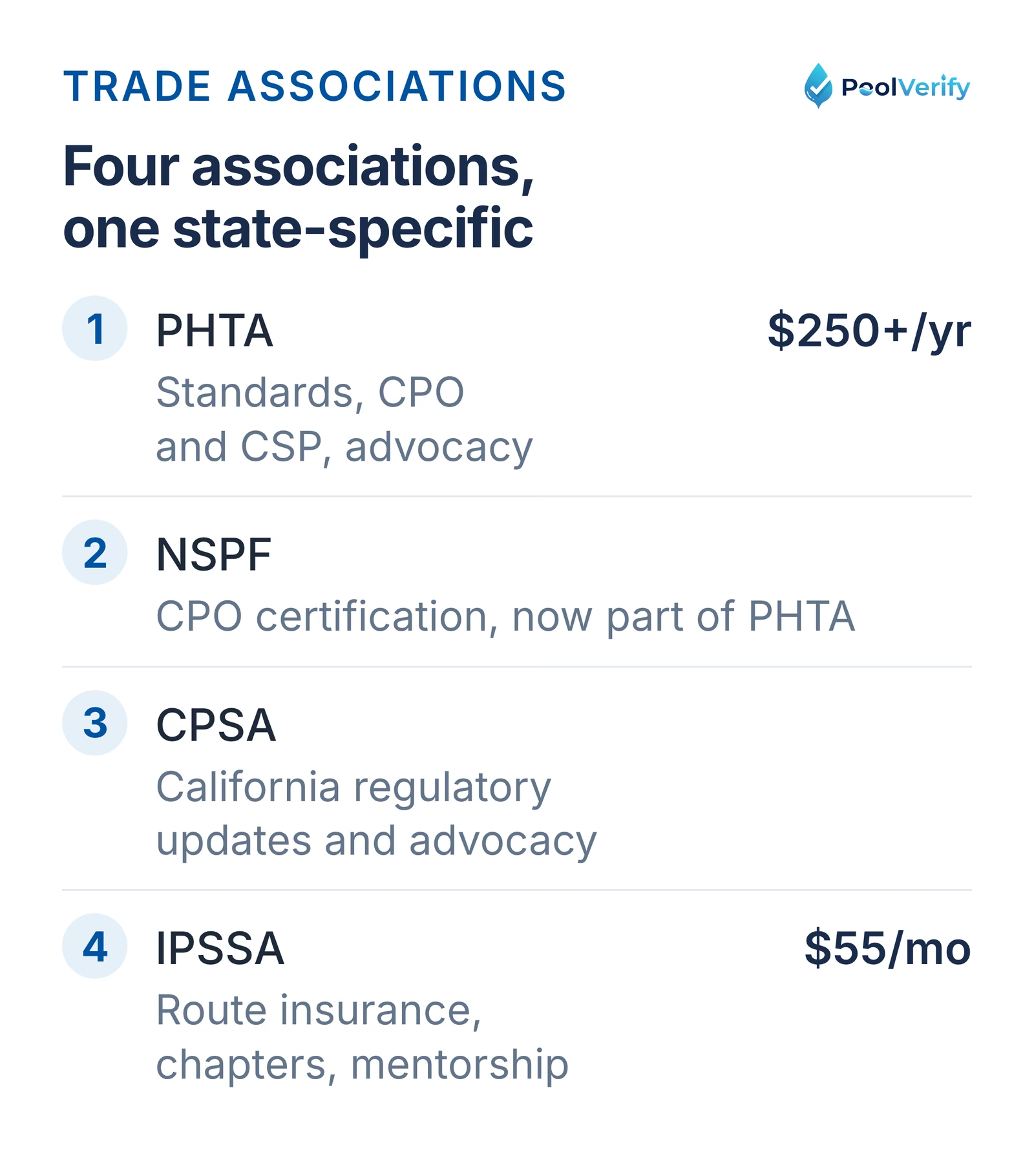
Four pool industry associations: PHTA from $250 a year, NSPF, the California-only CPSA, and IPSSA at about $55 a month.
Certification bodies and programs
Professional certifications demonstrate competency, satisfy regulatory requirements, and justify premium pricing.
Key certifications for pool professionals
Certification
Issued By
Focus
Duration
Cost
Renewal
CPO (Certified Pool Operator)
PHTA/NSPF
Pool operation, water chemistry, safety
2-day course + exam
$300-$500
Every 5 years
CSP (Certified Service Professional)
PHTA
Pool service and maintenance
Self-study + exam
$200-$400
Every 3 years
CBP (Certified Building Professional)
PHTA
Pool construction and design
Self-study + exam
$200-$400
Every 3 years
CMS (Certified Maintenance Specialist)
PHTA
Advanced maintenance techniques
Self-study + exam
$200-$400
Every 3 years
CSLB License
California State License Board
Licensed contractor (C-53, C-61/D-35, B)
Exam + experience
Varies
Every 4 years
Which certification should you get first?
For pool inspectors in California: Your CSLB license or home inspector registration is the legal requirement. Adding CPO certification strengthens your credibility and deepens your technical knowledge.
For pool service technicians: Start with CSP, then add CPO. Both directly apply to daily service work.
For pool contractors: CBP provides the most relevant industry-recognized credential alongside your CSLB license.
Online forums provide peer-to-peer advice, code interpretation discussions, troubleshooting help, and business strategy sharing from working professionals.
Trouble Free Pool (TFP)
Website: troublefreepool.com
Focus: Pool maintenance, water chemistry, equipment troubleshooting
Audience: Mix of homeowners and professionals
Activity level: Very active, thousands of posts monthly
Best for: Technical pool maintenance questions and water chemistry expertise
Note: Primarily consumer-focused but has valuable technical depth that professionals benefit from
Pool/Spa Forum (PoolForum.com)
Focus: Professional pool service discussions
Audience: Pool service technicians and small business owners
Activity level: Moderate, consistent professional discussion
Best for: Business questions, equipment recommendations, and service technique discussions
IPSSA Local Chapter Forums
Access: Through IPSSA membership
Focus: Regional business issues, local code questions, referral networking
Activity level: Varies by chapter
Best for: Building a local professional network and getting California-specific advice
Reddit communities
r/pools: General pool discussion (mix of homeowners and professionals)
r/swimmingpools: Similar to r/pools with slightly different community
Best for: Quick questions, industry news discussion, and staying connected to consumer perspectives
Note: These subreddits skew heavily toward homeowner questions, but professional insights are valued and upvoted
Social media groups
Facebook groups have become the most active real-time communities for pool professionals. LinkedIn provides more structured professional networking.
Facebook groups
Pool Service Professionals: One of the largest Facebook groups for pool service workers. Active daily discussions on equipment, chemicals, business operations, and industry news. Multiple moderators maintain professional standards.
Pool Inspection Professionals: Focused specifically on pool safety inspection topics. Smaller but more targeted community for inspectors discussing code interpretations, inspection techniques, and documentation practices.
Swimming Pool Start Up Group: For new pool service business owners. Covers route building, pricing, equipment purchases, and business fundamentals.
Pool & Spa Industry Group: Broad industry group covering manufacturing, retail, service, and construction segments.
LinkedIn
Pool & Hot Tub Professionals: Networking-focused group for industry connections
Follow PHTA, CPSA, and IPSSA company pages for official announcements and industry content
Best for: B2B networking, industry news, and professional positioning
YouTube channels
Several pool professionals maintain educational YouTube channels covering:
Equipment installation and repair tutorials
Water chemistry techniques
Business growth strategies
Inspection walkthroughs and code explanations
Product reviews and comparisons
YouTube is particularly valuable for visual learners who want to see techniques demonstrated rather than just described.
Industry publications and media
Stay informed through industry-specific publications that cover regulatory changes, technology updates, market trends, and business strategies.
Pool & Spa News
Website: poolspanews.com
Format: Digital and print magazine
Frequency: Monthly + daily online content
Coverage: Industry news, product reviews, business strategies, regulatory updates
Cost: Free (digital subscription)
Best for: Comprehensive industry news coverage
Aqua Magazine
Website: aquamagazine.com
Format: Digital and print
Coverage: Pool and spa design, construction, service, and business management
Best for: Pool contractors and builders; also valuable for service professionals
Pool Magazine
Website: poolmagazine.com
Format: Digital
Coverage: Consumer-facing pool content, but with professional insights
Best for: Understanding what pool owners are reading and expecting from professionals
Service Industry News
Website: serviceindustrynews.com
Coverage: Pool and spa service industry, including business management, equipment, and regulations
Best for: Pool service business owners and managers
Trade shows and conferences
In-person events provide unmatched networking opportunities, hands-on product demonstrations, and concentrated education.
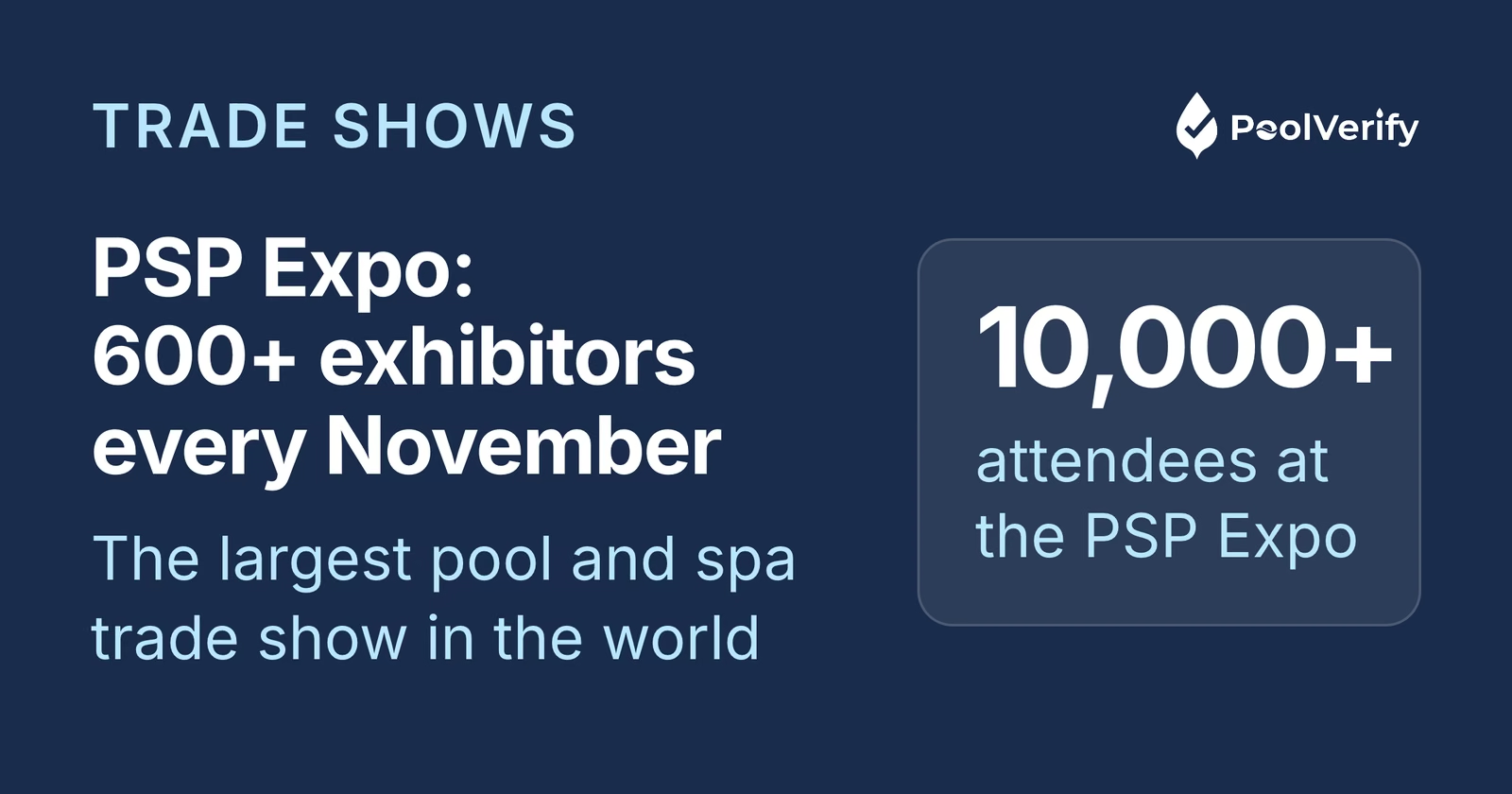
International Pool Spa Patio Expo (PSP Expo)
When: Annually in November
Where: Rotates between Las Vegas, Orlando, and other major venues
What: The largest pool and spa industry trade show in the world
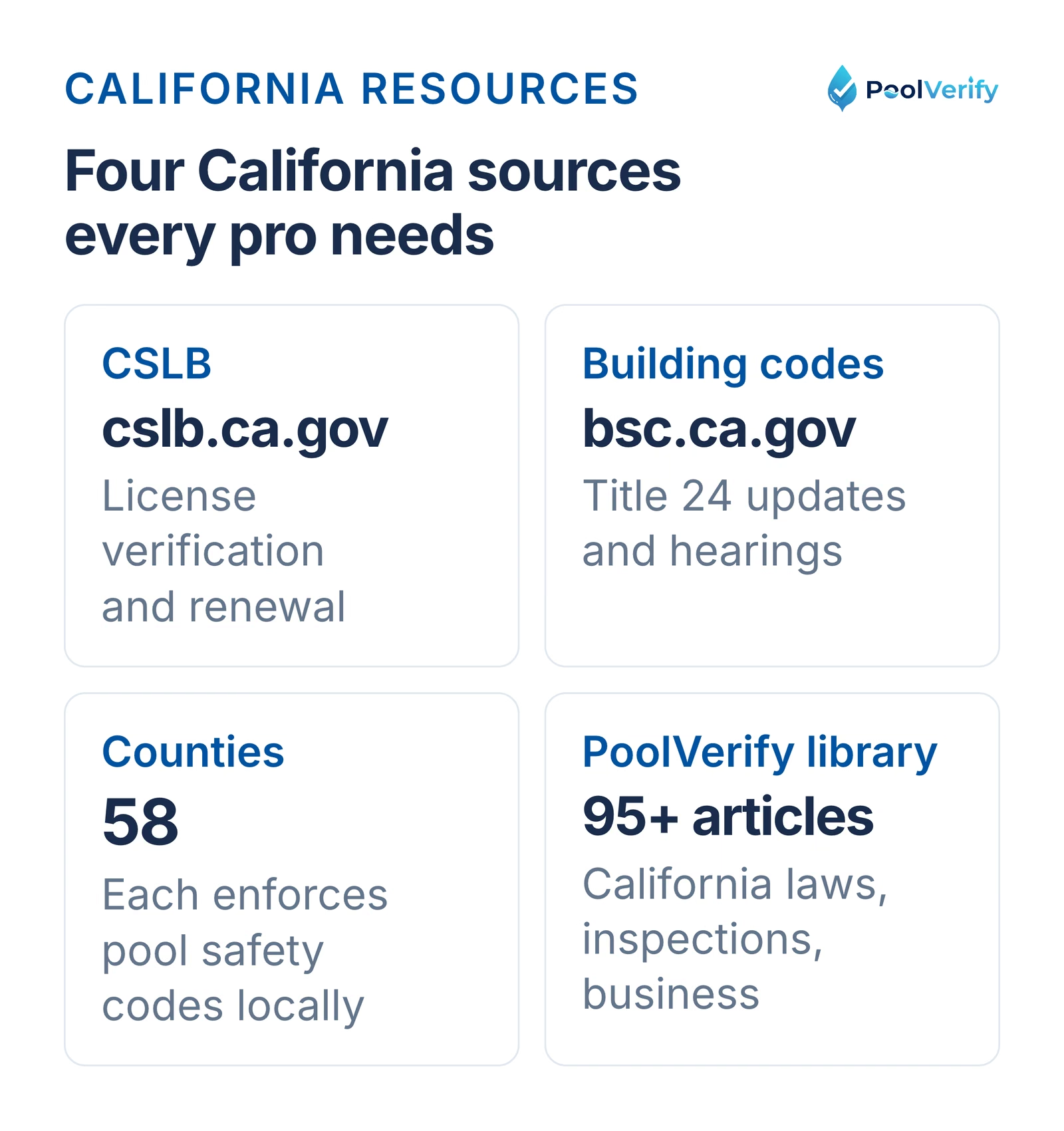
The PoolVerify resource library provides 95+ articles covering California pool safety laws, inspection best practices, certification guides, business strategies, and software tools, all specifically tailored to California pool professionals. Key resources include:
California resources for pool professionals: the CSLB, the Building Standards Commission, 58 counties, 95+ articles.
Educational platforms and training
Beyond certifications, ongoing education keeps your skills sharp and your services competitive.
PHTA Online Learning Center
What: On-demand courses covering pool operation, maintenance, safety, and business management
Format: Self-paced online courses
Cost: Varies by course; some included with membership
Best for: Flexible continuing education on your own schedule
Community college programs
Several California community colleges offer pool industry courses:
Pool maintenance and repair technology
Water chemistry and treatment
Business management for service trades
Safety and compliance training
These programs are affordable and often qualify for CSLB continuing education requirements.
Manufacturer training programs
Major pool equipment manufacturers (Pentair, Hayward, Zodiac/Fluidra) offer free or low-cost training on their specific products:
Equipment installation and configuration
Troubleshooting and diagnostics
New product introductions
Online and in-person options available
Industry webinars
PHTA, IPSSA, and equipment manufacturers regularly host free webinars on topics including:
Code updates and regulatory changes
New product technologies
Business management strategies
Safety best practices
Resource comparison by professional role
Different roles benefit from different resources. Here's a quick reference for where to focus your time:
Resource
Pool Inspectors
Service Technicians
Pool Contractors
Business Owners
PHTA membership
Recommended
Recommended
Essential
Essential
CPSA membership
Essential
Recommended
Recommended
Recommended
IPSSA membership
Optional
Essential
Optional
Recommended
CPO certification
Recommended
Essential
Recommended
Recommended
CSP certification
Optional
Essential
Optional
Optional
Facebook groups
Useful
Essential
Useful
Useful
TFP / Pool forums
Useful
Essential
Useful
Optional
PSP Expo
Recommended
Recommended
Essential
Essential
Pool & Spa News
Recommended
Recommended
Recommended
Essential
CSLB resources
Essential
Important
Essential
Essential
PoolVerify resources
Essential
Useful
Useful
Recommended
Limitations
This guide is general information about pool safety law, not legal advice; the current text of HSC §115922 and BPC §7195 on leginfo.legislature.ca.gov controls, and local building departments add their own requirements. PoolVerify is inspection software for California residential pool safety inspections; it does not perform inspections, certify inspectors, or issue compliance certificates.
Frequently asked questions
What is the best professional association for pool inspectors?
The Pool & Hot Tub Alliance (PHTA) is the most comprehensive professional association for pool industry professionals, offering certifications (CPO, CSP), continuing education, industry standards, and networking. For California-specific needs, the California Pool & Spa Association (CPSA) provides focused regulatory updates and state advocacy. Most serious pool professionals maintain memberships in both organizations for the broadest coverage.
Are there free online forums for pool professionals?
Yes, several active free communities exist for pool professionals. Trouble Free Pool (troublefreepool.com) is one of the most technically active forums. Facebook groups like "Pool Service Professionals" and "Pool Inspection Professionals" offer daily peer discussions. Reddit's r/pools community provides additional perspectives. IPSSA local chapter forums require membership but offer the most California-focused professional discussions.
What certifications should pool professionals pursue?
Start with the certification most relevant to your role. Pool inspectors in California need a CSLB license or home inspector registration as the legal baseline. Adding CPO (Certified Pool Operator) certification from PHTA strengthens credibility. Service technicians benefit most from CSP (Certified Service Professional) certification. Contractors should pursue CBP (Certified Building Professional). See our certification programs guide for detailed paths.
How can pool professionals stay updated on industry changes?
Combine multiple information sources for comprehensive coverage. Join professional associations (PHTA, CPSA) for regulatory alerts and standards updates. Subscribe to industry publications (Pool & Spa News, Aqua Magazine) for news. Participate in online forums and Facebook groups for peer insights. Attend at least one trade show annually for concentrated education and networking. Follow your state licensing board (CSLB for California) for code updates.
Where can pool inspectors find continuing education courses?
Multiple platforms offer continuing education for pool inspectors. PHTA's online learning center provides self-paced courses. The CPO certification program through PHTA/NSPF is the most recognized educational credential. California's CSLB lists approved continuing education providers for license renewal. Community colleges throughout California offer affordable pool industry courses. Equipment manufacturers provide free product-specific training. Many of these options can be completed online at your own pace.
Start building your professional network
The most successful pool professionals don't work in isolation, they participate in communities, pursue certifications, and stay connected to industry resources. The investment in professional development pays dividends through referrals, regulatory awareness, technical competence, and business growth.
For pool inspectors looking for a community of California pool safety professionals, the PoolVerify resource library provides 95+ articles on California compliance, inspection techniques, and business strategies. Start your 14-day free trial to access professional inspection tools used by California pool inspectors.
Last updated: September 5, 2026
What the client receives
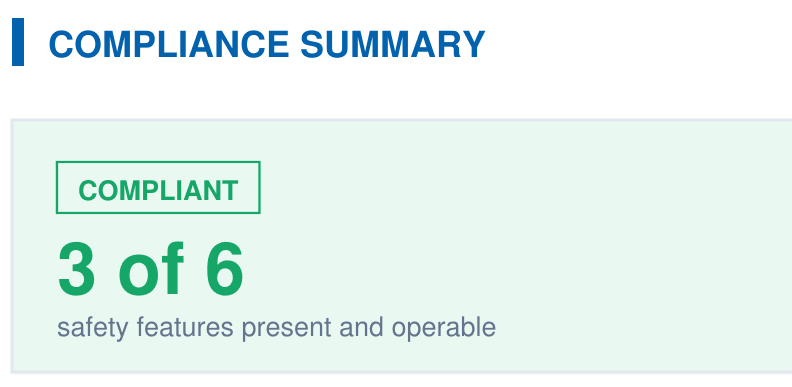
A branded PDF with the compliance summary, the feature table, each finding with its photos, and the signature, generated on‑site when the BPC §7195 and HSC §115922 checklist is complete.