Compare CPO, NSPF, PHTA, and InterNACHI pool inspector training programs. Costs, duration, online vs in-person options, and certification requirements.
Becoming a certified pool inspector requires specialized training in pool safety, equipment operation, and compliance regulations. Whether you're a home inspector expanding your services, a pool service professional seeking credentials, or starting a pool inspection business, the right certification program makes all the difference.
Pool inspector training programs vary significantly in cost, duration, format, and focus areas. Professional pool inspection software like PoolVerify can help certified inspectors complete BPC §7195 inspections efficiently, but first you need the right credentials and training foundation.
This comprehensive guide covers the major pool inspector training certifications for 2026, including CPO, CPI, CRPI, and InterNACHI programs, helping you choose the best certification path for your career goals and budget.
Quick Comparison: Pool Inspector Training Programs
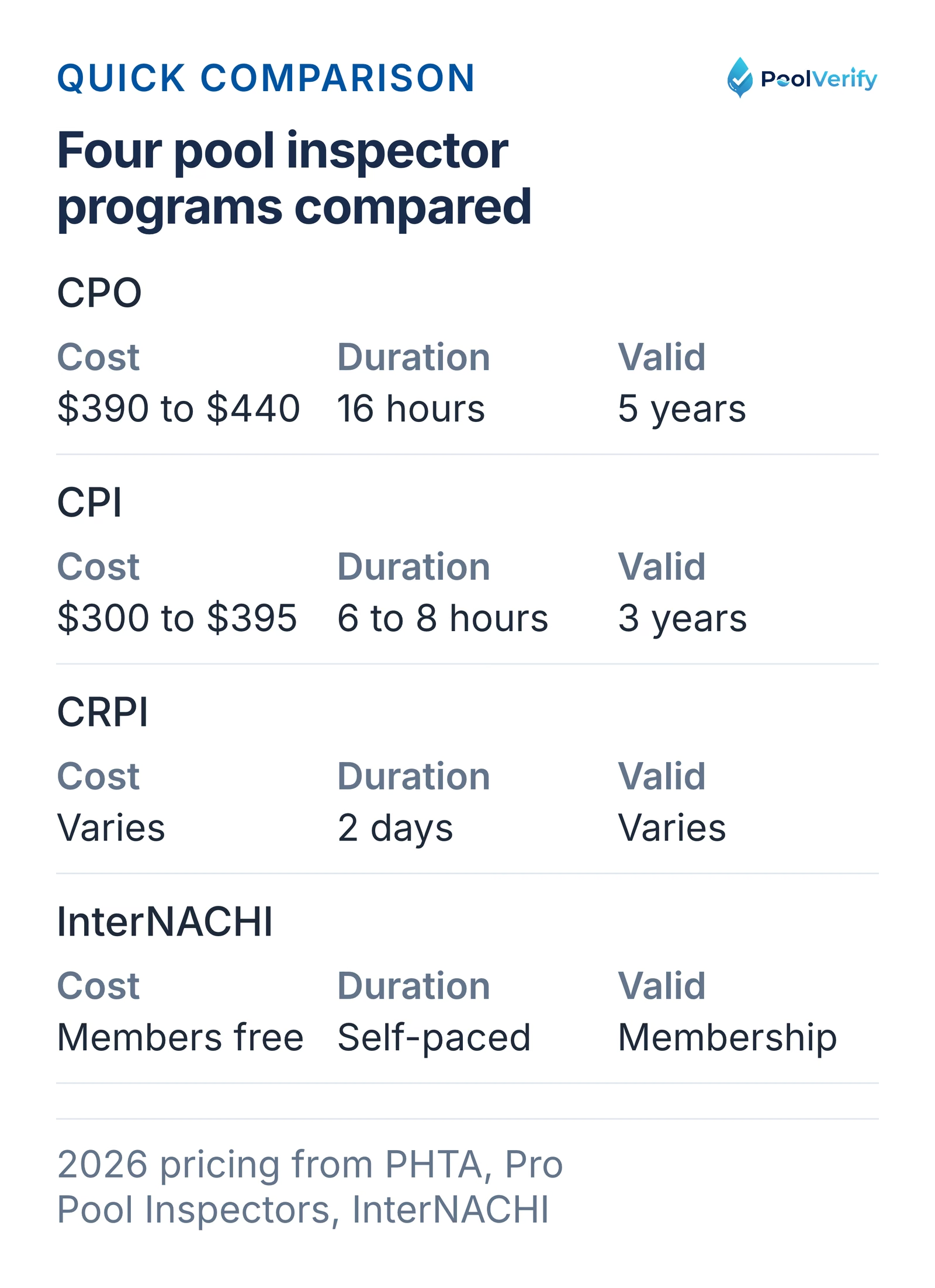
Here's a side-by-side comparison of the major pool inspector training programs available in 2026:
Program
Cost
Duration
Format
Validity
Best For
CPO
$390-$440
16 hours (2 days)
In-person, Online, Blended
5 years
Pool operators, service techs
CPI
$300-$395
6-8 hours
Online, Virtual
3 years
Pool inspectors, health officials
CRPI
Varies
2 days
In-person, Virtual
Varies
Residential pool inspectors
InterNACHI
Free (with membership)
Self-paced
Online
Ongoing with membership
Home inspectors expanding services
Cost, duration, and validity of the CPO, CPI, CRPI, and InterNACHI pool inspector certifications.
Why Pool Inspector Certification Matters
Pool inspector certification demonstrates your expertise in pool safety compliance, equipment operation, and regulatory requirements. In California specifically, while BPC §7195 doesn't mandate specific certifications, having recognized credentials significantly increases your credibility and marketability.
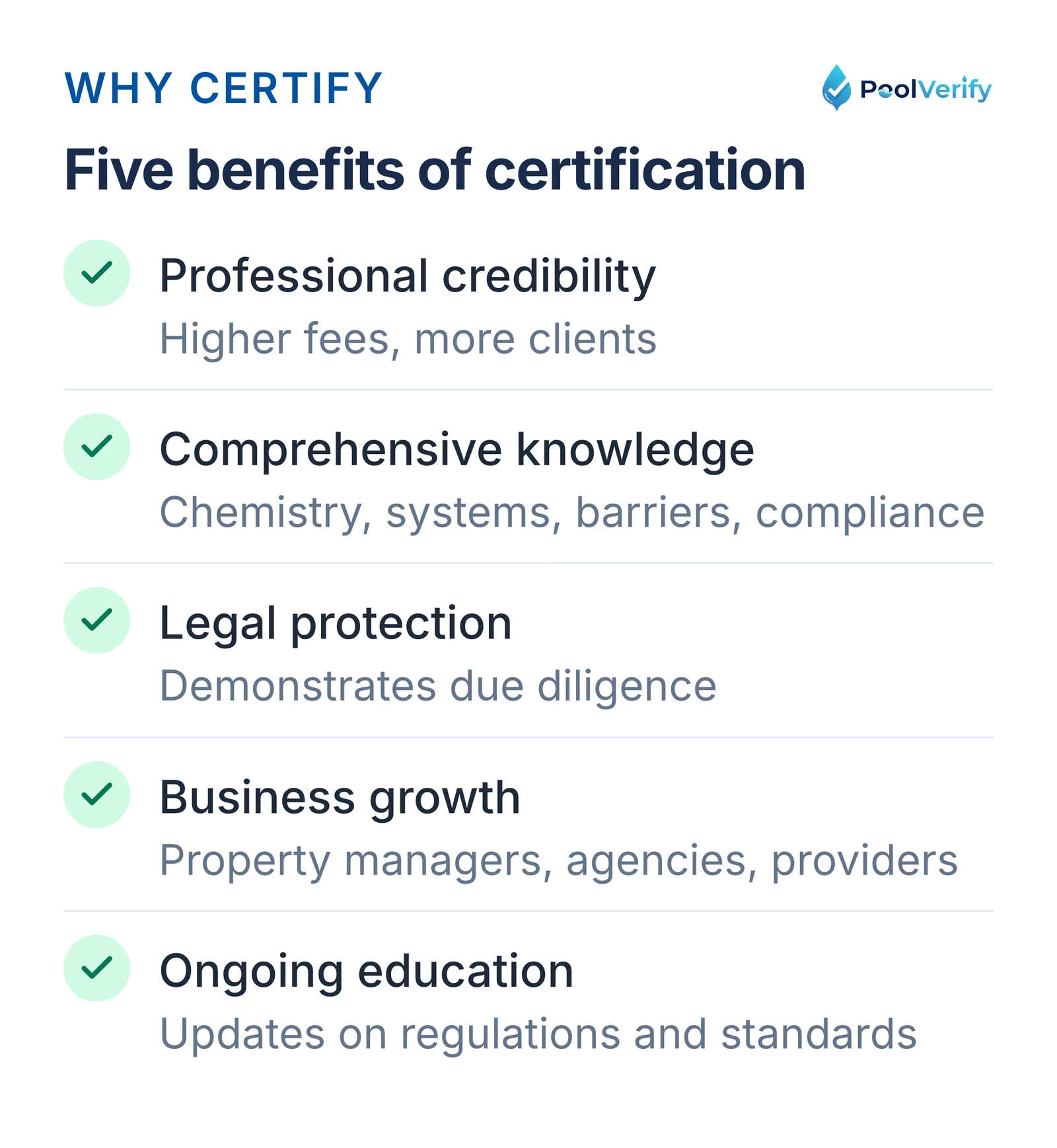
Key Benefits of Certification
Professional Credibility: Certified inspectors command higher fees and attract more clients. Real estate agents, property managers, and homeowners trust certified professionals to conduct thorough, compliant inspections.
Comprehensive Knowledge: Training programs cover essential topics including water chemistry, circulation systems, safety features, barrier requirements, and regulatory compliance. This knowledge base ensures you can identify all potential issues during inspections.
Legal Protection: Proper certification demonstrates due diligence and professional standards, providing important liability protection when conducting pool safety assessments.
Business Growth: Certifications open doors to new client relationships with property management companies, real estate agencies, and pool service providers who require verified credentials.
Ongoing Education: Most certification programs include updates on regulatory changes, new safety standards, and industry best practices, keeping your knowledge current.
Five benefits of pool inspector certification, from professional credibility to ongoing education.
CPO (Certified Pool/Spa Operator) Certification
The Certified Pool/Spa Operator (CPO) certification is the most recognized pool industry credential worldwide. Administered by the Pool & Hot Tub Alliance (PHTA), formerly NSPF, the CPO program focuses on pool operations, maintenance, and safety.
CPO Training Overview
The CPO certification program provides comprehensive training in pool and spa operations, covering water chemistry, circulation systems, filtration, disinfection, and safety protocols. While primarily designed for pool operators, many inspectors pursue CPO certification as foundational knowledge.
Course Duration: 16 hours total, typically delivered over two consecutive days
Format Options:
Traditional classroom instruction (2 full days)
Online self-paced modules plus virtual classroom
Blended format combining online learning with one-day in-person session
Course Content:
Water chemistry fundamentals and testing procedures
Pool circulation and filtration systems
Disinfection and sanitization methods
Safety equipment and procedures
Regulatory compliance requirements
Pool maintenance schedules and troubleshooting
CPO Certification Cost and Requirements
2026 Pricing: $390-$440 depending on provider and format. The PHTA increased base tuition to $390 for 2026, with some training centers charging additional fees for materials or facilities.
What's Included:
CPO Handbook (comprehensive textbook)
Pool Operator Primer modules
Practice exams
Three exam attempts per course purchase
5-year certification upon passing
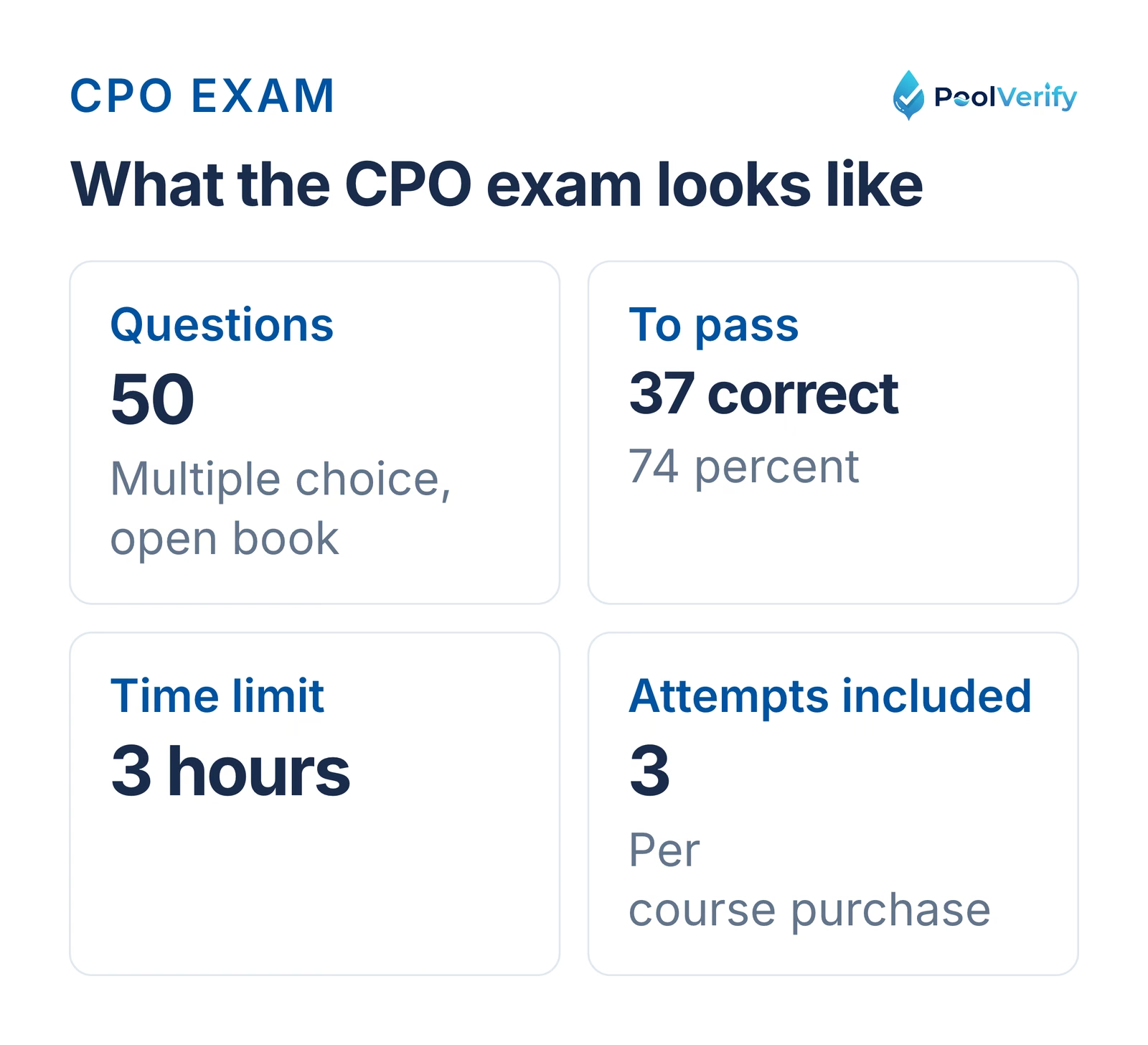
Exam Details:
50 multiple-choice questions
37 correct answers required to pass (74%)
3-hour time limit
Open book format in most programs
Certification Validity: Five years from course completion date. Recertification requires taking a renewal course before expiration.
Who Should Get CPO Certified?
CPO certification is ideal for pool service technicians, facility managers, and aquatic professionals who operate or maintain pools regularly. For pool inspectors, CPO provides excellent foundational knowledge about pool systems and operations, though it's not specifically focused on inspection procedures.
California pool inspectors often combine CPO certification with inspection-specific training to demonstrate comprehensive expertise in both pool operations and compliance assessment.
The CPO exam: 50 open-book questions, 37 correct to pass, a 3-hour limit, and three attempts per course.
CPI (Certified Pool/Spa Inspector) Certification
The Certified Pool/Spa Inspector (CPI) credential is specifically designed for professionals who conduct pool and spa inspections. Offered through the Pool & Hot Tub Alliance (PHTA) and various training providers, CPI programs focus on inspection techniques, safety compliance, and documentation.
CPI Training Program Details
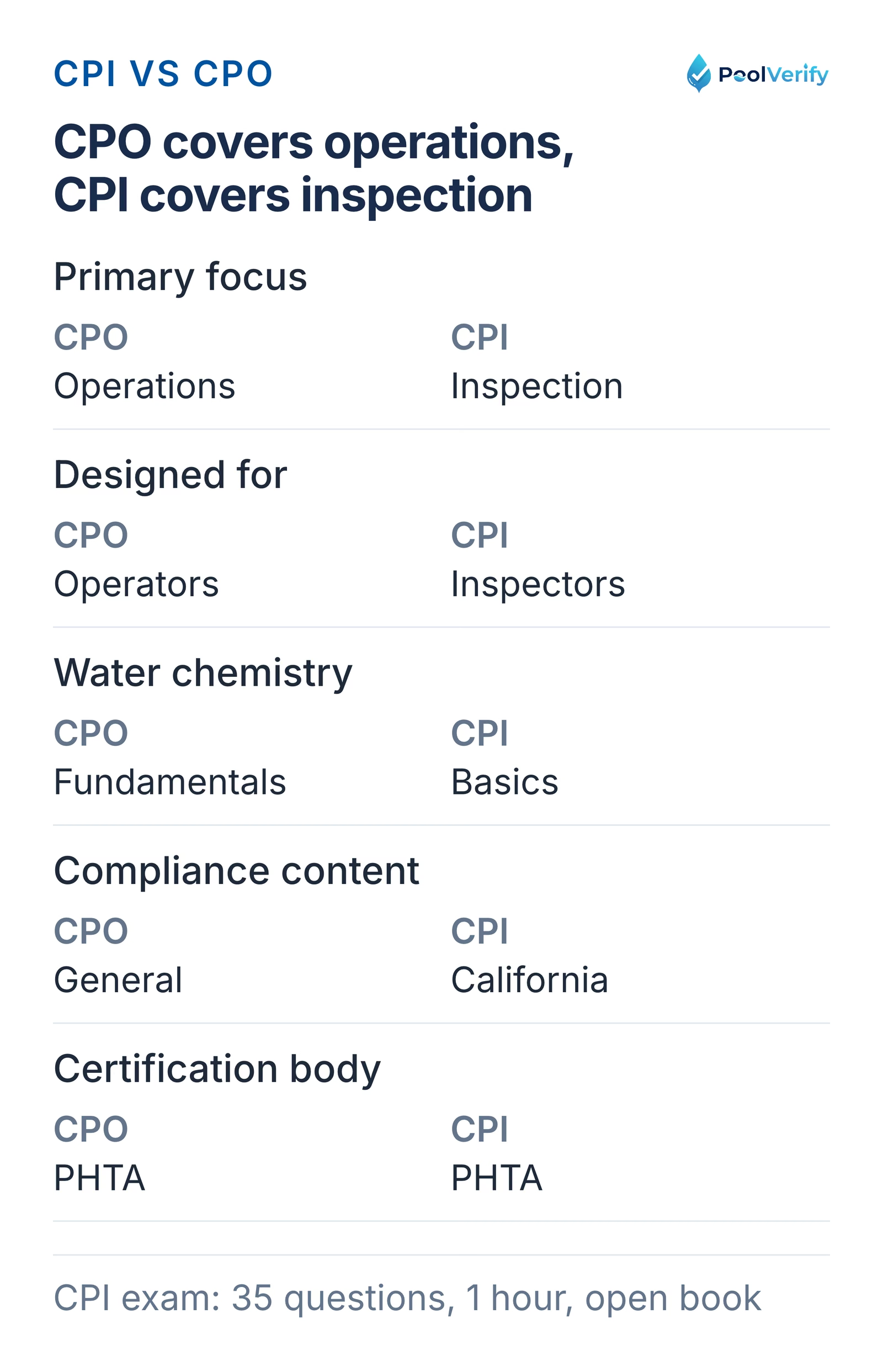
Unlike CPO which focuses on operations, CPI training is specifically designed for inspection professionals. The program covers inspection methodologies, safety feature assessment, regulatory compliance verification, and professional report writing.
Course Duration: 6-8 hours of instruction plus 1-2 hours for examination
Standard pricing: $395 (includes all materials and certification)
PHTA registration fee: Additional $115 in some cases
Prerequisites: No formal prerequisites required, though the CPI program builds on CPO fundamentals. Pool operation experience is recommended but not mandatory.
Exam Details:
35 multiple-choice questions
1-hour time limit
Open book format
Passing score typically 75% or higher
Certification Validity: Three years from completion date. Renewal requires taking an updated CPI course before expiration.
CPI vs CPO: Which Do You Need?
For dedicated pool inspectors, CPI certification is more directly relevant than CPO. However, many successful inspectors obtain both certifications to demonstrate comprehensive knowledge of pool systems and inspection procedures.
You're a health official or code enforcement professional
You want inspection-specific training and techniques
Choose CPO if:
You operate or maintain pools regularly
You need broader pool operations knowledge
Your business includes pool service and maintenance
You want the most recognized industry credential
Many California pool inspectors start with CPO for foundational knowledge, then add CPI certification for inspection-specific skills. Combined with digital inspection tools like PoolVerify, both certifications position you as a comprehensive pool safety professional.
CPO and CPI side by side: operations versus inspection focus, audience, chemistry depth, and compliance content.
CRPI (Certified Residential Pool Inspector) Training
The Certified Residential Pool Inspector (CRPI) program is offered by Pro Pool Inspectors and focuses specifically on residential pool inspection for home inspectors and dedicated pool inspection professionals. This program emphasizes practical, hands-on training for single-family residential pool assessments.
CRPI Training Program Structure
The CRPI program takes a comprehensive approach to residential pool inspection training, combining classroom instruction with field experience to provide practical inspection skills.
Course Duration: Two full days (approximately 16 hours total)
Format Options:
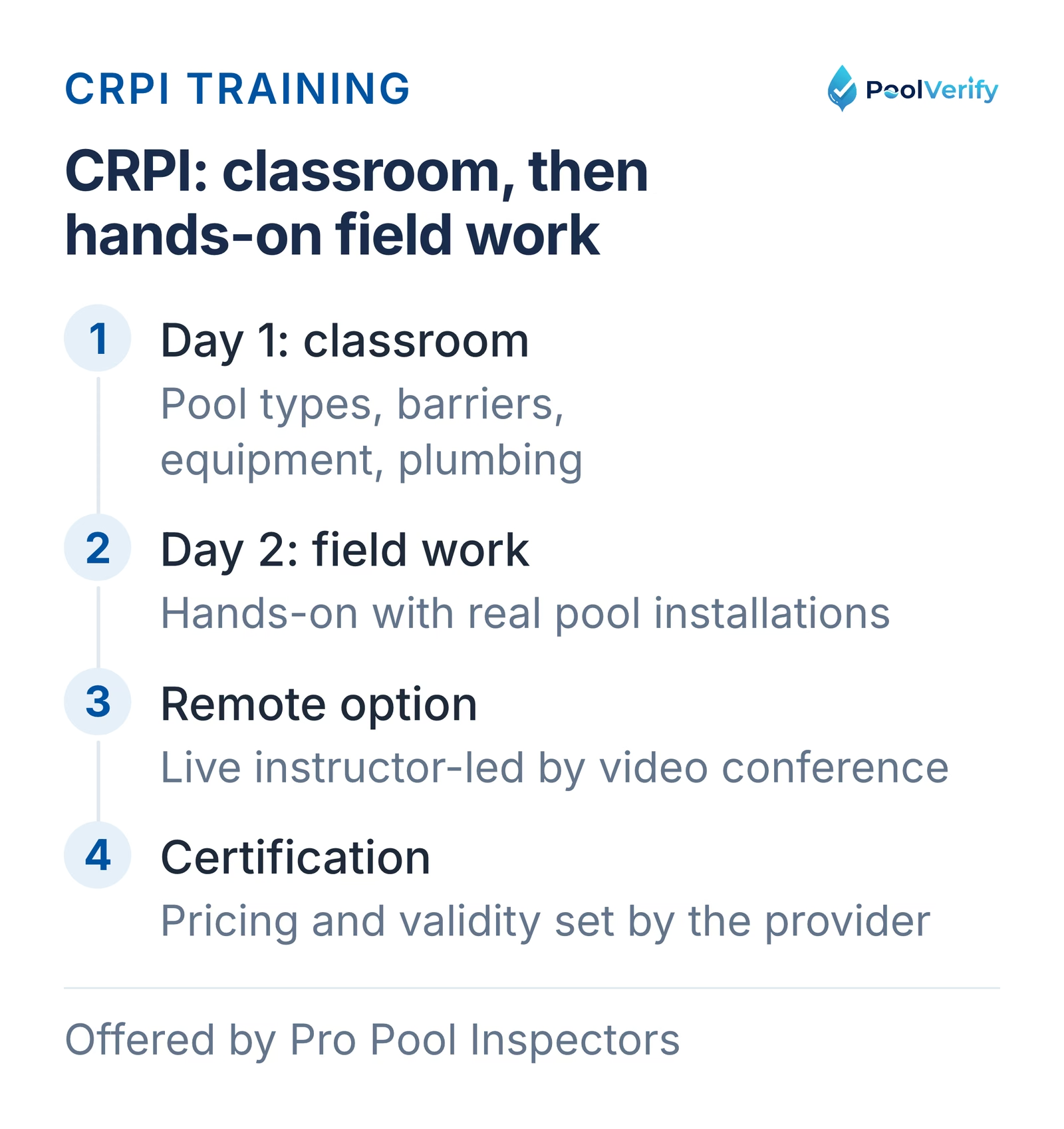
In-person training with Day 1 classroom and Day 2 field work
Remote live instructor-led training via video conference
Both formats include practical, hands-on learning experiences
Course Content:
Residential pool types and configurations
Safety barrier inspection techniques
Pool equipment assessment and identification
Structural integrity evaluation
Plumbing and circulation system inspection
Electrical safety assessment
Pool deck and surface evaluation
Documentation and report writing for residential inspections
Common defects and safety violations
California pool compliance requirements
CRPI Certification Details
Prerequisites: No specific prerequisites, though home inspection experience or pool industry background is beneficial
Certification Validity: Varies by provider. Contact Pro Pool Inspectors directly for current pricing, certification duration, and renewal requirements.
Practical Focus: CRPI training emphasizes hands-on inspection experience with actual pool equipment and installations, making it particularly valuable for inspectors who want practical field experience rather than primarily theoretical knowledge.
Who Should Pursue CRPI Certification?
CRPI certification is ideal for home inspectors expanding into pool inspections and dedicated residential pool inspection professionals. The hands-on field training component makes it especially valuable for inspectors who want practical experience before conducting their first paid inspections.
The CRPI course structure: a classroom day, a field day, a remote option, and provider-set certification terms.
InterNACHI Pool and Spa Inspector Certification
The International Association of Certified Home Inspectors (InterNACHI) offers a pool and spa inspector certification specifically designed for home inspectors who want to add pool inspection services to their offerings.
InterNACHI Training Program Overview
InterNACHI's approach differs significantly from other certification programs by offering free online training to members. This makes it an accessible entry point for home inspectors considering pool inspection services.
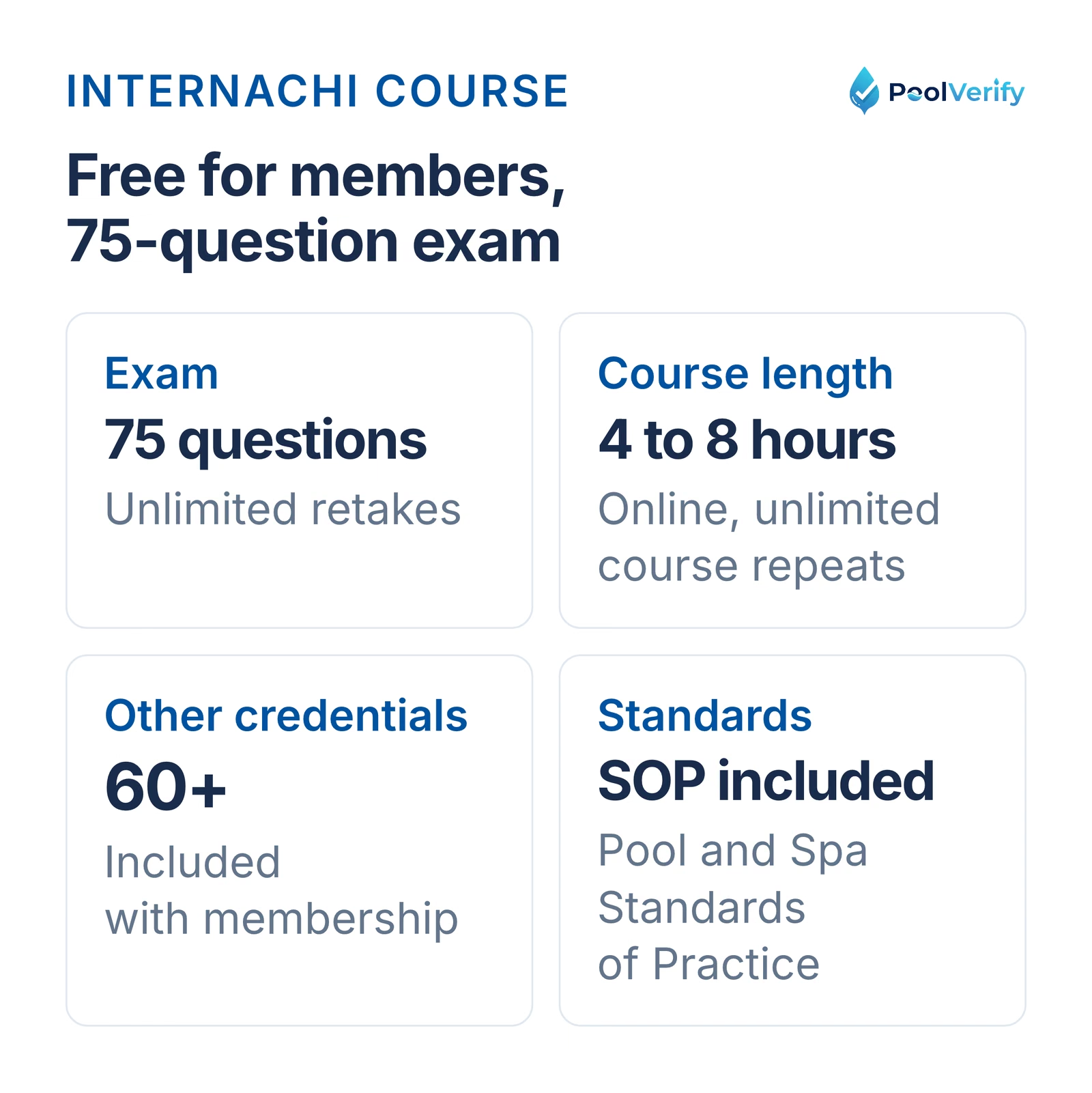
Course Duration: Self-paced online course, typically 4-8 hours to complete
Format: Completely online, self-paced learning through InterNACHI's online education platform
Course Content:
Pool and spa types and components
Safety feature requirements and assessment
Equipment inspection procedures
Water quality basics
Common defects and issues
Inspection methodology and reporting
InterNACHI Pool and Spa Inspection Standards of Practice
InterNACHI Certification Requirements and Cost
Cost: Free for InterNACHI members (membership required)
InterNACHI membership: Approximately $289-$489 annually depending on membership level
Course access: Unlimited repeats at no additional charge
Exam Details:
75-question multiple-choice exam
Questions drawn from larger question pool
Must pass exam to receive certification
Can retake exam unlimited times
Certification Requirements:
Active InterNACHI membership
Successful completion of "How to Inspect Pools and Spas" course
Passing score on final examination
Download and print Certificate of Completion
Certification Validity: Ongoing while maintaining active InterNACHI membership and continuing education requirements
InterNACHI Certification Benefits
Additional Certifications: InterNACHI membership provides access to over 60 additional inspection certifications at no extra cost, including specialized areas like electrical, plumbing, and HVAC inspection.
Standards of Practice: InterNACHI provides comprehensive Pool and Spa Inspection Standards of Practice, giving certified inspectors clear guidance on inspection scope and procedures.
Marketing Support: Members can display the InterNACHI Pool and Spa Inspector logo on marketing materials, websites, and business cards.
Ongoing Education: Unlimited access to course materials allows inspectors to refresh their knowledge anytime.
Is InterNACHI Certification Right for You?
InterNACHI certification is best suited for home inspectors who already conduct general home inspections and want to add pool inspection services. The free training makes it a low-risk way to explore pool inspection as an additional revenue stream.
Choose InterNACHI if:
You're already a home inspector or considering becoming one
You want the most affordable entry into pool inspection
You prefer self-paced online learning
You value access to multiple inspection certifications
You don't need specific California pool inspection training
Consider alternatives if:
You want to focus exclusively on pool inspection
You need California-specific BPC §7195 training
You prefer instructor-led or hands-on training
You're building a dedicated pool inspection business
California pool inspectors can combine InterNACHI certification with California-specific training resources and digital inspection tools designed for BPC §7195 compliance to provide comprehensive residential pool safety inspections.
InterNACHI's pool and spa course: a 75-question exam, 4 to 8 hours online, and 60 plus other credentials included.
PHTA Certification Programs Overview
The Pool & Hot Tub Alliance (PHTA), formerly the National Swimming Pool Foundation (NSPF), is the leading organization for pool industry education and certification. Understanding PHTA's role and certification pathways helps inspectors navigate training options.
PHTA History and Industry Leadership
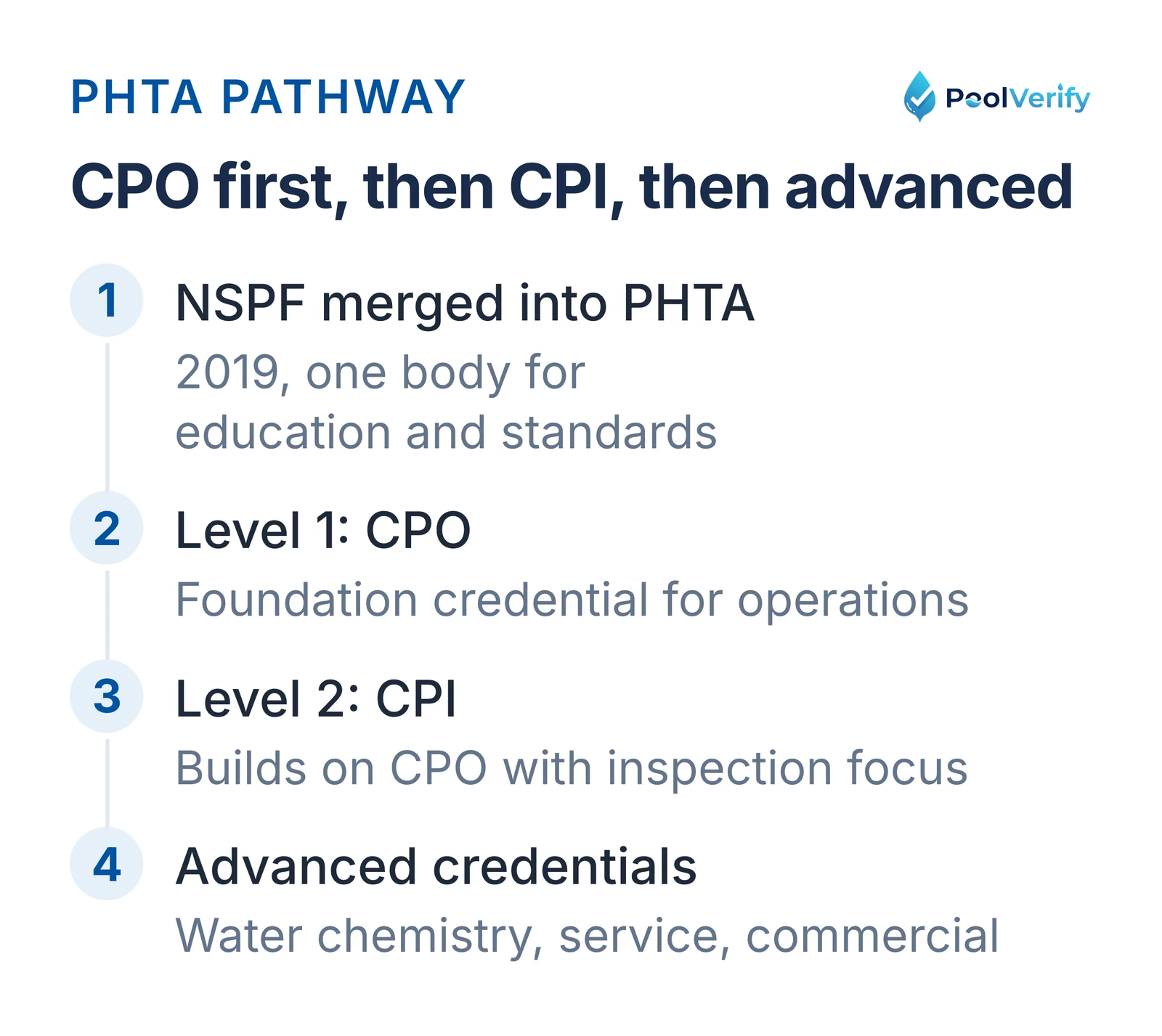
In 2019, the National Swimming Pool Foundation (NSPF) merged with the Pool & Hot Tub Alliance (PHTA) to create a unified organization for pool industry education, advocacy, and standards. This merger combined NSPF's education programs with PHTA's trade association activities.
What This Means for Certifications:
CPO certifications are now PHTA CPO certifications (not NSPF)
Both "NSPF CPO" and "PHTA CPO" refer to the same credential
Older NSPF certifications remain valid until their expiration date
All new certifications issued are PHTA-branded
PHTA Certification Pathway
PHTA offers a structured certification pathway for pool service professionals, with multiple levels building on each other:
Level 1: Certified Pool/Spa Operator (CPO)
Foundation credential for pool operations
16-hour course covering basics
5-year certification period
Level 2: Certified Pool/Spa Inspector (CPI)
Builds on CPO knowledge with inspection focus
6-8 hour course covering inspection procedures
3-year certification period
Recommended to have CPO or equivalent experience
Advanced Credentials: PHTA offers additional advanced certifications for specialized areas including water chemistry, service technician skills, and commercial pool operations.
PHTA Training Provider Network
PHTA works with authorized training centers and instructors nationwide to deliver certification courses. This network ensures consistent standards while providing local accessibility.
Finding PHTA Training:
Visit PHTA.org and use their course locator tool
Search by zip code for nearby in-person classes
Browse virtual and online course options
Verify instructor authorization before registering
2026 Price Increase: PHTA increased certification course fees in 2026, with CPO training now starting at $390 base tuition. Individual training centers may charge additional fees for facility use, materials, or scheduling.
PHTA Standards and Industry Recognition
PHTA certifications are recognized by health departments, property management companies, and pool industry professionals nationwide. Many jurisdictions reference PHTA standards in local pool codes and regulations.
For California pool inspectors, PHTA certifications provide nationally recognized credentials that complement state-specific requirements like BPC §7195 compliance knowledge.
The PHTA certification pathway since the 2019 NSPF merger: CPO, then CPI, then advanced credentials.
Online vs In-Person Training: Which is Better?
Pool inspector training format significantly impacts your learning experience, schedule flexibility, and costs. Understanding the advantages and limitations of each format helps you choose the best option for your situation.
Online Training Advantages
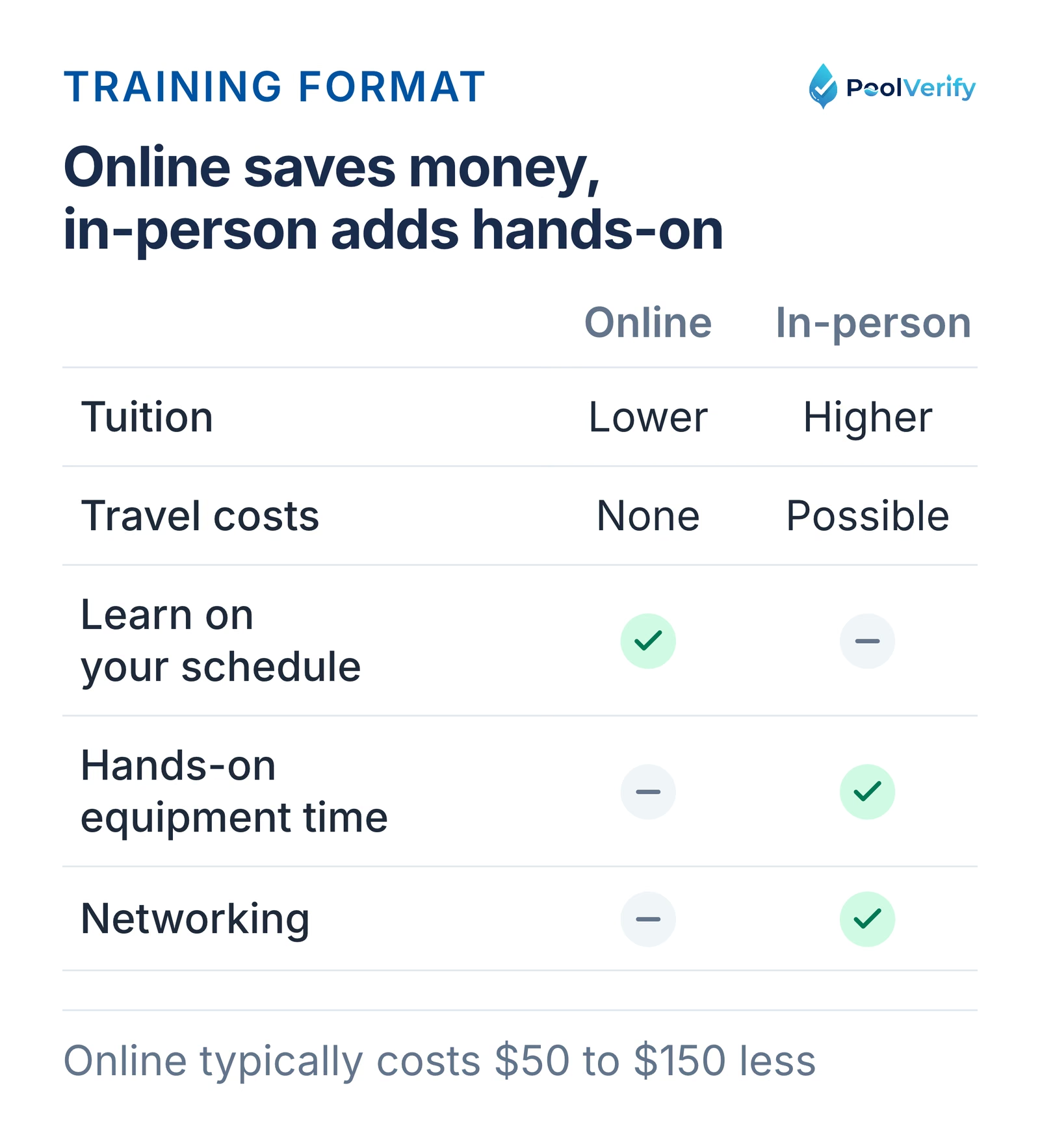
Flexibility: Complete coursework on your schedule without travel or time away from your business. Self-paced programs allow you to review challenging material multiple times.
Lower Cost: Online programs typically cost $50-$150 less than in-person training due to eliminated facility and instructor travel costs. No travel expenses for attendees.
Accessibility: Learn from anywhere with internet access. Particularly beneficial for rural inspectors or those without nearby training centers.
Review Capability: Most online platforms allow unlimited access to course materials, enabling you to reference training information after certification.
Technology Integration: Online courses often include interactive elements, videos, and digital resources that enhance learning.
In-Person Training Advantages
Hands-On Experience: Physical interaction with pool equipment, testing instruments, and safety features provides tactile learning that online courses can't replicate.
Instructor Interaction: Direct access to experienced instructors for questions, clarifications, and real-world insights. Immediate feedback on techniques and procedures.
Networking: Connect with other pool professionals, share experiences, and build industry relationships that can lead to referrals and collaboration.
Structured Schedule: Dedicated training time without home distractions ensures focus and completion. Some professionals learn better in structured classroom environments.
Field Training: Programs like CRPI include actual pool site visits where instructors demonstrate inspection techniques on real equipment and installations.
Blended Learning: Best of Both Worlds
Many 2026 training programs offer blended formats combining online coursework with shorter in-person or virtual sessions:
One-day virtual or in-person session for practical application (6-8 hours)
Supervised exam administration
Cost savings compared to full in-person training
Flexibility with hands-on components
CPO Blended Example: Complete self-paced online modules on water chemistry, circulation, and filtration, then attend one day of instructor-led practical training and examination.
CPI Virtual Example: Join scheduled virtual classroom via Zoom where instructor leads through inspection procedures, demonstrates equipment assessment remotely, and proctors exam, all in one day.
Online versus in-person pool inspector training compared on tuition, travel, flexibility, hands-on time, and networking.
Choosing the Right Format for You
Choose Online Training if:
You have pool industry experience and need formal credentials
Your schedule is unpredictable or doesn't allow multi-day commitments
You're a self-motivated learner comfortable with online education
Budget is a primary concern
You can supplement with field practice independently
Choose In-Person Training if:
You're new to pool inspection and need hands-on guidance
You learn best through demonstration and practice
You want to network with other pool professionals
You value immediate instructor feedback
You can allocate consecutive days for focused learning
Choose Blended Training if:
You want flexibility with some hands-on components
You can complete online work independently but want instructor interaction
You prefer structured deadlines with some schedule flexibility
You want cost savings without sacrificing all practical elements
Regardless of format, successful California pool inspectors combine certification training with practical experience and modern inspection tools to deliver thorough, efficient pool safety assessments that meet BPC §7195 requirements.
Training Program Costs Comparison
Understanding the total investment required for pool inspector certification helps you budget appropriately and choose the best program for your financial situation. Here's a comprehensive breakdown of 2026 certification costs.
Certification Program Pricing
CPO (Certified Pool/Spa Operator):
Course tuition: $390-$440
Materials included: Handbook, study guides, exam attempts
Renewal cost (after 5 years): $250-$300
Total 5-year cost: $390-$440 (includes certification validity period)
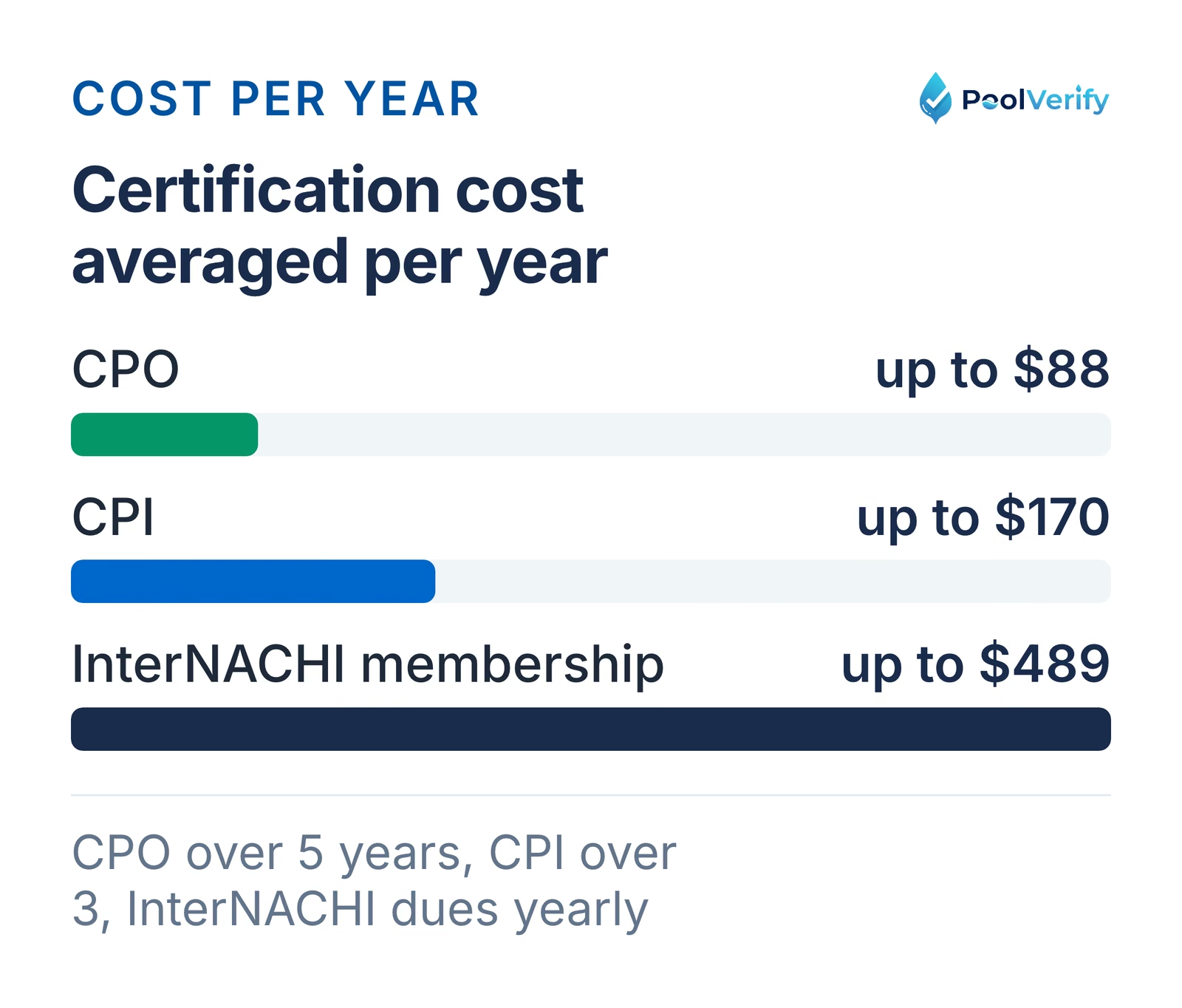
Annual cost average: $78-$88 per year
CPI (Certified Pool/Spa Inspector):
Course tuition: $300-$395
PHTA registration: $115 (varies by provider)
Total initial cost: $300-$510
Renewal cost (after 3 years): $300-$395
Annual cost average: $100-$170 per year
CRPI (Certified Residential Pool Inspector):
Course tuition: Varies by provider (typically $400-$600 estimated)
Materials included: Training materials, field experience
Renewal requirements: Contact provider for details
Check with Pro Pool Inspectors for current 2026 pricing
InterNACHI Pool and Spa Inspector:
Course cost: Free with membership
InterNACHI membership: $289-$489 annually
Additional certifications: 60+ included with membership
California pool inspectors typically charge $125-$350 per inspection depending on location and complexity. Here's how quickly certifications pay for themselves:
Scenario 3: Home Inspector Adding Pools (10 pool inspections/month):
Average additional fee for pool inspection: $150
Monthly pool revenue: $1,500
InterNACHI membership: $489
Break-even: 4 inspections (less than two weeks)
Cost-Saving Strategies
Bundle Training: Some providers offer discounts when registering multiple people from the same company or taking multiple certifications together.
Early Bird Pricing: Register several weeks in advance for potential early registration discounts.
Online Options: Choose online or virtual formats to eliminate travel costs and save $50-$150 on tuition.
Employer Reimbursement: If you work for a pool service company or property management firm, inquire about training reimbursement programs.
Tax Deductions: Certification costs, continuing education, and related expenses are typically tax-deductible business expenses for self-employed inspectors.
Long-Term Value: Consider certification validity periods. CPO's 5-year validity provides better long-term value than certifications requiring renewal every 1-2 years.
Ready to maximize your certification investment? PoolVerify helps inspectors complete more inspections per day with mobile-optimized checklists and instant PDF reports. See how inspectors save 30+ minutes per inspection
Certification cost averaged per year: up to $88 for CPO, $170 for CPI, and $489 for InterNACHI membership.
How to Choose the Right Certification
Selecting the best pool inspector certification depends on your background, career goals, target market, and budget. Use this decision framework to identify the optimal training program for your situation.
Assess Your Current Background
Home Inspectors: If you're an established home inspector adding pool services, InterNACHI certification provides the most cost-effective entry point. Consider adding CPI certification if you plan to focus significantly on pool inspections or need more comprehensive training.
Pool Service Professionals: Current pool maintenance technicians should prioritize CPO certification first for operations knowledge, then add CPI for inspection-specific skills. This combination demonstrates both operational expertise and inspection competency.
New to Pool Industry: If you're starting fresh with no pool or home inspection background, invest in comprehensive training. CRPI's hands-on approach or CPO + CPI combination provides the strongest foundation.
Code Enforcement/Health Officials: CPI certification aligns most directly with inspection duties. Many health departments recommend or require CPI for officials conducting pool compliance inspections.
Consider Your Target Market
Residential Real Estate Focus: For inspectors primarily serving residential property transactions, CRPI or InterNACHI certifications focus specifically on residential pool assessment. Combine with California BPC §7195 compliance knowledge.
Commercial Pool Inspections: CPO certification is essential for commercial pool assessment, as it covers operations, water chemistry, and maintenance requirements in detail. Add specialized commercial pool training if this is your primary market.
Property Management Clients: Property management companies often prefer or require CPO-certified professionals who understand ongoing pool operations, not just one-time inspections. CPO + CPI combination is ideal.
Multi-Family Housing: Both operational and inspection knowledge are valuable. CPO provides foundation for ongoing maintenance guidance, while CPI focuses on safety compliance assessment.
Evaluate Learning Style Preferences
Self-Directed Learners: Online programs like InterNACHI's self-paced course or virtual CPI training work well if you're comfortable learning independently from written materials and videos.
Hands-On Learners: In-person CRPI training with field experience or traditional CPO classroom courses provide tactile learning and equipment interaction that some professionals need.
Tight Schedule: Virtual one-day CPI programs or self-paced online options offer maximum flexibility. Blended CPO formats reduce time commitment compared to traditional 2-day classroom courses.
Network Builders: In-person training provides networking opportunities with other pool professionals, instructors, and potential referral partners. Choose traditional classroom formats if relationship-building is a priority.
Budget Considerations
Minimal Investment: InterNACHI membership ($289-$489 annually) provides pool inspector certification plus 60+ other credentials, making it the most economical option for multi-service inspectors.
Mid-Range Investment: Single CPI certification ($300-$510) provides dedicated inspection training at moderate cost. Good value for inspectors focusing primarily on pool safety assessments.
Comprehensive Investment: CPO + CPI combination ($700-$950) demonstrates both operational expertise and inspection specialization. Highest credibility but larger upfront investment.
Long-Term Value: Consider certification validity periods. CPO's 5-year certification provides better long-term value than credentials requiring more frequent renewal.
California-Specific Considerations
California doesn't mandate specific certifications for pool inspectors, but recognized credentials increase marketability and client confidence. For California pool safety inspections:
Recommended Combinations:
Minimum: CPI or InterNACHI + California pool code knowledge
California Compliance Focus: Supplement any certification with thorough understanding of:
BPC §7195 requirements for property transfer inspections
Federal VGB Act suction entrapment protection standards
California Building Code pool barrier requirements
Local jurisdiction amendments and variations
Career Timeline
Immediate Start (0-30 days): Choose InterNACHI for instant online access or find upcoming virtual CPI courses. Begin conducting inspections quickly with basic credentials.
Solid Foundation (1-3 months): Complete CPO certification for comprehensive operations knowledge, then add CPI within 1-2 months. Build inspection business while training.
Expert Positioning (3-6 months): Pursue multiple certifications sequentially (CPO to CPI to CRPI). Conduct inspections between certifications to apply learning and gain practical experience.
Ongoing Professional Development: Plan for continuing education, certification renewals, and advanced credentials as your business grows and regulations evolve.
Decision Matrix
Use this matrix to identify your optimal certification path:
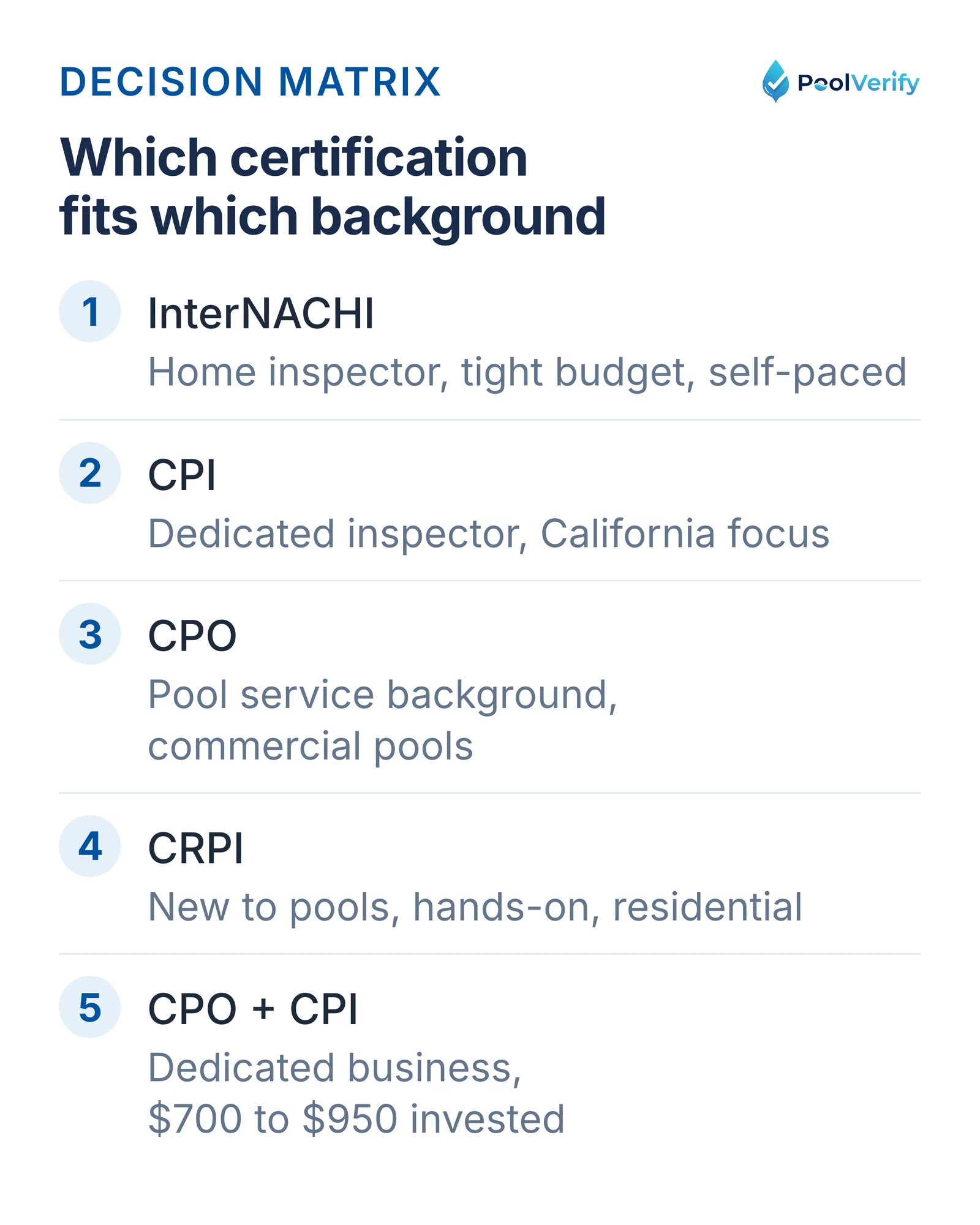
Choose CPI if: Dedicated inspector + moderate budget + need credentials quickly + California focus
Choose CPO if: Pool service background + want operations expertise + considering commercial pools + 5-year validity preference
Choose CRPI if: New to pools + hands-on learner + residential focus + want field training
Choose CPO + CPI if: Building dedicated inspection business + establishing maximum credibility + can invest $700-$950 + California market
Regardless of certification choice, successful California pool inspectors combine credentials with modern inspection technology to deliver efficient, thorough assessments that exceed client expectations and ensure compliance with state and local regulations.
Which certification fits which background: InterNACHI, CPI, CPO, CRPI, or the CPO and CPI combination.
California Pool Inspector Requirements
California doesn't require state licensing for pool inspectors, but understanding the regulatory environment and professional expectations helps you operate legally and effectively.
State Licensing Status
No State License Required: Unlike contractors, California doesn't have a specific state license for pool inspectors. Anyone can legally conduct pool safety inspections without state certification or licensing.
Business License Required: You must register your business with the city or county where you operate and obtain appropriate business licenses. Requirements vary by jurisdiction.
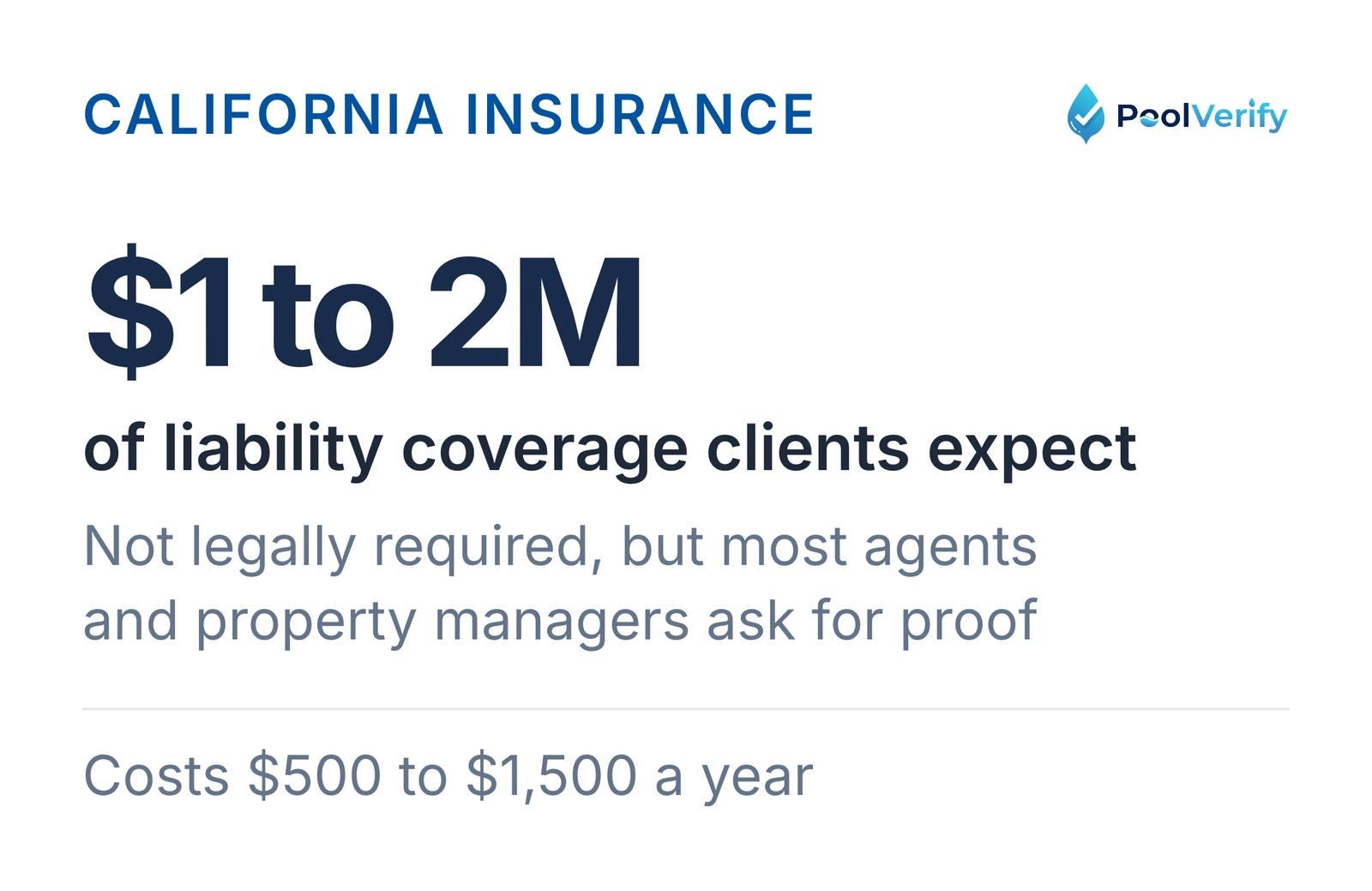
Professional Liability Insurance: While not legally required, carrying $1-2 million in professional liability insurance is essential. Most clients, particularly real estate agents and property managers, require proof of insurance.
BPC §7195 Compliance Knowledge
California BPC §7195 requires pool safety inspections during property transfers. While the law doesn't specify inspector qualifications, thorough knowledge of the seven required safety features is essential:
Inspection Documentation: BPC §7195 requires written inspection reports provided to buyers before close of escrow. Digital inspection tools help inspectors generate compliant reports efficiently.
Local Jurisdiction Variations
California delegates many pool regulations to local jurisdictions. Health departments and building departments may impose additional requirements:
County Variations: Some counties have stricter barrier height requirements, specific gate hardware standards, or additional safety feature requirements beyond state minimums.
City Ordinances: Municipal codes may add requirements for pool covers, depth markers, emergency equipment, or specific signage.
Permit Requirements: Local jurisdictions may require building permits for pool barrier modifications, safety equipment installation, or pool renovations.
Best Practice: Before inspecting pools in a new jurisdiction, review local amendments to California Building Code and local health department pool regulations. Contact the local building department for jurisdiction-specific requirements.
Professional Qualifications Clients Expect
While California doesn't mandate specific certifications, clients increasingly expect professional credentials. Here's what different client types typically require or prefer:
Real Estate Agents:
Professional liability insurance (typically $1M minimum)
Recognized certification (CPO, CPI, or equivalent)
Ability to generate professional inspection reports
Fast turnaround time (24-48 hours for reports)
Understanding of BPC §7195 requirements
Property Managers:
CPO certification highly preferred
Multi-year track record conducting inspections
Comprehensive operations knowledge for maintenance recommendations
Ability to inspect multiple properties efficiently
Home Buyers:
Professional credentials and certifications
Clear, detailed inspection reports
Documentation of compliance status
Recommendations for corrections if needed
Pool Service Companies:
CPO certification often required
Understanding of pool equipment and operations
Ability to assess equipment condition and lifespan
Integration with maintenance recommendations
Contractor Licensing Interaction
Inspection vs. Repair: Pool inspectors assess compliance but don't perform repairs. Making repair recommendations is acceptable, but actually performing work may require a contractor's license.
C-53 Swimming Pool Contractor License: If you plan to offer repair services in addition to inspections, California requires a C-53 contractor license for swimming pool construction, repair, or modification work.
Referral Relationships: Many inspectors partner with licensed C-53 contractors, providing inspection services while referring repair work to licensed professionals.
Recommended California Inspector Credentials
While not legally required, successful California pool inspectors typically maintain:
Minimum Credentials:
Business license in jurisdiction of operation
Professional liability insurance ($1-2M coverage)
One recognized pool certification (CPO, CPI, or InterNACHI)
Professional association memberships (PHTA, InterNACHI)
Business Structure:
LLC or corporation for liability protection
Commercial general liability insurance
Workers' compensation if employing others
Proper tax registrations and filing status
California pool inspectors typically carry $1 to 2 million in professional liability coverage, at $500 to $1,500 a year.
Continuing Education and Renewal Requirements
Pool inspector certifications require renewal and ongoing education to maintain current knowledge of regulations, safety standards, and industry best practices. Understanding renewal requirements helps you plan for long-term credential maintenance.
CPO Certification Renewal
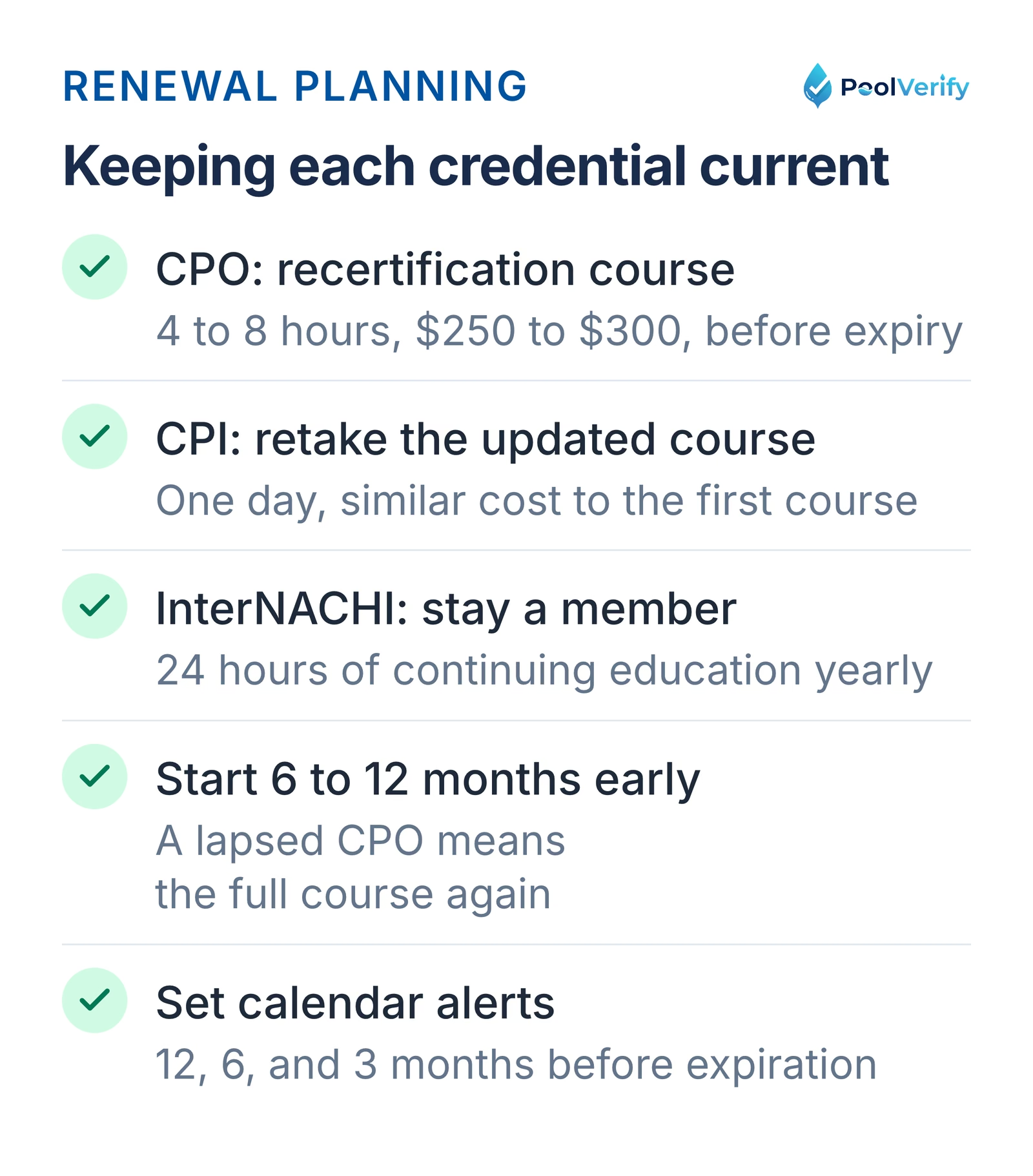
Renewal Period: CPO certifications expire five years from issue date. You must renew before expiration to avoid retaking the full course.
Renewal Process:
Complete CPO Recertification course (shorter than initial certification)
Typically 4-8 hours of instruction
Covers updates to pool codes, new technologies, and refresher content
Must pass renewal examination
Cost: $250-$300 for recertification course
Recertification Timeline: Begin renewal process 6-12 months before expiration. Most training centers offer recertification courses year-round, but scheduling may be limited during peak seasons.
Late Renewal: If your CPO certification lapses, you must retake the full 16-hour certification course at full price ($390-$440). The recertification option is only available while your certification remains current.
CPI Certification Renewal
Renewal Period: CPI certifications expire three years from issue date.
Renewal Process:
Complete updated CPI course covering new regulations and standards
One-day virtual or in-person course similar to initial certification
Pass certification examination
Cost: $300-$395 (similar to initial certification)
Renewal Considerations: Because CPI renewal essentially requires retaking the full course, staying current with pool safety regulations through other continuing education can reduce the recertification learning curve.
InterNACHI Certification Maintenance
Ongoing Validity: InterNACHI certifications remain valid as long as you maintain active membership and meet continuing education requirements.
Continuing Education Requirements:
24 hours of approved continuing education per year
InterNACHI offers hundreds of free online courses counting toward requirements
Pool-specific courses help maintain specialized knowledge
Other inspection-related courses (electrical, plumbing, etc.) also fulfill requirements
Membership Renewal: Annual membership dues ($289-$489) must be paid to maintain certifications and access to course materials.
Continuing Education Opportunities
Beyond mandatory renewal requirements, successful pool inspectors pursue ongoing education to stay current with industry developments:
PHTA Education Programs:
Advanced water chemistry courses
Commercial pool operations training
Specialized equipment certification programs
Annual conferences and workshops
Industry Conferences:
International Pool Spa Patio Expo (Nov 17-19, 2026 in New Orleans)
Regional pool and spa shows featuring education tracks
State and local pool association meetings and training events
Online Learning:
PHTA webinars on emerging topics and code changes
Manufacturer training on new equipment and technologies
YouTube channels and podcasts covering pool industry topics
State contractor board updates on pool-related code changes
California-Specific Updates:
Monitor California Building Standards Commission for code updates
Follow California Building Officials for interpretations and guidance
Track local health department regulation changes
Join California Pool & Spa Association for state-specific education
Tracking Certification Expiration Dates
Calendar Reminders: Set calendar alerts 12 months, 6 months, and 3 months before certification expiration dates. This provides adequate time for renewal scheduling and course completion.
Certification Management: Maintain organized records of all certifications including:
Certification number and issue date
Expiration date and renewal requirements
Training provider contact information
Digital copies of certificates
Continuing education hours completed
Professional Development Plan: Create an annual plan for continuing education including:
Budget for ongoing certification maintenance as part of your business operating expenses:
Annual Cost Estimates:
CPO renewal (averaged over 5 years): $50-$60 per year
CPI renewal (averaged over 3 years): $100-$130 per year
InterNACHI membership: $289-$489 per year
Additional continuing education: $200-$500 per year
Total annual investment: $450-$1,200 for credential maintenance
Tax Deductibility: All continuing education expenses, certification renewals, and professional development costs are typically tax-deductible business expenses for self-employed inspectors.
Maintaining current certifications demonstrates professional commitment and ensures your pool inspection knowledge reflects the latest safety standards and regulatory requirements. Combine ongoing education with modern inspection technology to provide the most comprehensive, efficient service to California pool owners.
How to keep CPO, CPI, and InterNACHI credentials current, including when to start the renewal process.
Building Your Pool Inspection Business After Certification
Earning pool inspector certifications is just the first step. Building a successful inspection business requires marketing, operational systems, and professional tools to deliver excellent service consistently.
Immediate Post-Certification Actions
Update Marketing Materials: Add certification logos and credentials to your website, business cards, email signatures, and marketing collateral. Display certificates prominently in any office space.
Announce New Credentials: Notify existing clients, real estate agent contacts, and professional network about your certifications through email announcements, social media posts, and direct outreach.
Set Up Inspection Systems: Implement efficient inspection workflows using digital inspection software like PoolVerify to complete BPC §7195 inspections quickly and generate professional reports.
Get Insurance: Secure professional liability insurance before conducting your first paid inspection. Most policies provide $1-2 million coverage for $500-$1,500 annually.
Register Business: Complete all required business registrations including city/county business licenses, fictitious business name filing, and appropriate tax registrations.
Building Your Client Base
Real Estate Agent Partnerships: Real estate agents are the primary referral source for residential pool inspections. Schedule coffee meetings with agents who represent buyers and sellers to introduce your services.
Property Management Outreach: Contact property management companies managing multi-family properties, HOAs, and rental properties with pools. Offer volume discounts for multiple properties.
Pool Service Company Relationships: Partner with pool service companies who can refer inspection work to you while you refer ongoing maintenance needs to them.
Home Inspector Network: Connect with home inspectors who need pool inspection partners. Offer to handle pool assessments when they encounter properties with pools.
Online Presence: Create a professional website optimized for "California pool inspection" and location-specific searches. List your business on Google Business Profile, Yelp, and industry directories.
Pricing Your Services
Market Research: Survey competitor pricing in your area. California pool inspection fees typically range:
Basic residential inspection: $125-$250
Comprehensive assessment: $200-$350
Commercial pool inspection: $300-$600
Rush service (24-hour turnaround): Add 25-50% premium
Value-Based Pricing: Price based on your unique value proposition (certifications, experience, technology, turnaround time) rather than just undercutting competitors.
Comprehensive inspection including equipment assessment
Pre-listing inspection with correction guidance
Post-repair verification inspection
Volume Discounts: Offer reduced per-inspection pricing for property managers and real estate offices that provide regular business.
Efficient Inspection Operations
Standardized Checklists: Use consistent, comprehensive checklists covering all California requirements. PoolVerify's California-specific checklists ensure you never miss required inspection items.
Photo Documentation: Take clear, well-organized photos of each safety feature and any deficiencies. Digital tools automatically organize photos by inspection section and include them in reports.
Report Templates: Develop professional report templates that clearly communicate findings, compliance status, and necessary corrections. Instant PDF generation saves hours of post-inspection report writing.
Time Management: Schedule inspections efficiently to maximize daily capacity. Digital mobile tools allow you to complete inspections faster, enabling 4-6 inspections per day instead of 2-3.
Follow-Up Systems: Implement systems for inspection scheduling, appointment reminders, report delivery, and client follow-up to ensure smooth operations and excellent customer experience.
Continuing Business Development
Client Testimonials: Request reviews from satisfied clients on Google, Yelp, and your website. Positive reviews are powerful marketing for inspection services.
Referral Program: Implement a formal referral program rewarding real estate agents, property managers, or past clients who send business your way.
Specialization: Consider specializing in specific niches like commercial pools, luxury residential properties, or multi-family housing to differentiate your services.
Geographic Expansion: As your business grows, expand service area to cover additional cities and counties within California.
Additional Services: Explore complementary services like pool equipment assessments, energy efficiency evaluations, or pool maintenance training for property managers.
Ready to streamline your California pool safety inspections? PoolVerify helps inspectors complete BPC §7195 inspections on any device and generate professional PDF reports instantly, no more paperwork or manual report writing. Start Your Free Trial
Building a successful pool inspection business takes time, but professional certifications combined with efficient systems and excellent service create sustainable growth and recurring referrals from satisfied clients.
Limitations
This guide is general information about pool safety law, not legal advice; the current text of HSC §115922 and BPC §7195 on leginfo.legislature.ca.gov controls, and local building departments add their own requirements. PoolVerify is inspection software for California residential pool safety inspections; it does not perform inspections, certify inspectors, or issue compliance certificates.
Frequently Asked Questions
What certification do I need to become a pool inspector in California?
California doesn't require specific state licensing for pool inspectors, but professional certifications significantly increase credibility and marketability. The most recognized certifications are CPO (Certified Pool/Spa Operator), CPI (Certified Pool/Spa Inspector), CRPI (Certified Residential Pool Inspector), and InterNACHI Pool and Spa Inspector certification. Many successful California inspectors hold CPO and CPI certifications together, demonstrating both operational expertise and inspection-specific knowledge. Professional liability insurance and thorough understanding of BPC §7195 requirements are essential regardless of certification choice.
How much does pool inspector training cost?
Pool inspector training costs range from free to approximately $600 depending on the certification program. CPO certification costs $390-$440 for the 16-hour course including materials and examination. CPI certification ranges from $300-$510 including PHTA registration fees. CRPI training varies by provider but typically costs $400-$600. InterNACHI pool inspector certification is free for members, with annual membership costing $289-$489. Factor in additional costs like travel, accommodation for in-person training, time away from work, and continuing education for renewal. Most certifications pay for themselves within 4-5 inspections at typical California pricing.
Is online pool inspector training as good as in-person training?
Online pool inspector training provides comparable knowledge to in-person programs, with some trade-offs. Online courses offer flexibility, lower costs, and unlimited review of materials, making them ideal for self-directed learners with scheduling constraints. In-person training provides hands-on equipment experience, direct instructor interaction, and networking opportunities that online programs can't fully replicate. Blended programs combining online coursework with virtual or short in-person sessions provide middle-ground benefits. Many successful inspectors complete online certifications and supplement with field experience conducting inspections under the guidance of experienced professionals. Choose format based on your learning style, schedule, budget, and experience level.
How long does it take to become a certified pool inspector?
The certification timeline varies by program and format. CPO certification requires 16 hours (typically 2 consecutive days) for traditional classroom training or 2-3 weeks for self-paced online formats. CPI certification takes 6-8 hours of instruction plus examination, typically completed in one day for virtual courses. CRPI training is 2 days combining classroom and field experience. InterNACHI's self-paced online course takes 4-8 hours depending on your learning speed. After completing coursework, most programs provide certification within 1-2 weeks. You can begin conducting pool inspections immediately upon receiving certification, though building practical experience takes 10-20 inspections before most inspectors feel fully proficient.
Do pool inspectors need to be licensed contractors in California?
Pool inspectors do not need contractor licenses to conduct inspections and make repair recommendations. However, performing actual repair work requires a California C-53 Swimming Pool Contractor license. Pool inspectors assess safety compliance, document conditions, and recommend corrections, activities that don't require contractor licensing. If you plan to offer both inspection and repair services, you must obtain the C-53 license for any construction, modification, or repair work. Many inspectors partner with licensed contractors, providing inspection services while referring repair work to licensed professionals. This approach allows inspectors to focus on assessments without navigating contractor licensing requirements.
What is the difference between CPO and CPI certification?
CPO (Certified Pool/Spa Operator) focuses on pool operations, maintenance, and equipment management. The 16-hour course covers water chemistry, circulation systems, filtration, disinfection, and operational procedures. CPO certification is ideal for pool service technicians, facility managers, and aquatics professionals who operate pools regularly. CPI (Certified Pool/Spa Inspector) specifically trains professionals to conduct pool and spa inspections. The 6-8 hour course covers inspection methodologies, safety feature assessment, compliance verification, and report documentation. CPI is designed for pool inspectors, health officials, and home inspectors. Many successful California pool inspectors hold both certifications, CPO provides operational knowledge while CPI delivers inspection-specific techniques.
How often do I need to renew my pool inspector certification?
Renewal requirements vary by certification. CPO certifications are valid for five years and require completing a 4-8 hour recertification course plus examination before expiration. Cost is typically $250-$300 for CPO renewal. CPI certifications expire after three years and require retaking the full updated course and examination at $300-$395. InterNACHI certifications remain valid with active membership and 24 hours of continuing education annually. Begin renewal processes 6-12 months before expiration to ensure adequate time for course scheduling and completion. Missing renewal deadlines typically requires retaking the full initial certification course at full price, so mark expiration dates on your calendar with advance reminders.
Can I start a pool inspection business with only online training?
Yes, you can start a pool inspection business with online training alone. Online certifications like CPI virtual courses or InterNACHI's self-paced program provide the knowledge needed to conduct professional pool inspections. The key is supplementing online training with practical field experience. Conduct your first 10-20 inspections carefully, referring to course materials and taking extra time to thoroughly assess each safety feature. Consider shadowing an experienced inspector for your first few jobs if possible. Combine online certification with digital inspection tools that guide you through California BPC §7195 requirements step-by-step. Many successful inspectors started with online training and built expertise through real-world experience conducting inspections.
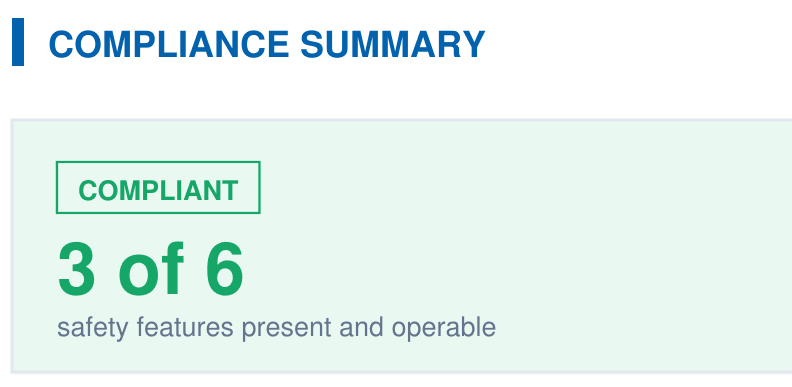
A branded PDF with the compliance summary, the feature table, each finding with its photos, and the signature, generated on‑site when the BPC §7195 and HSC §115922 checklist is complete.