Pool-safety
Pool Safety Checklist: Free Download [2026]
Download our free comprehensive pool safety checklist for California. Covers all BPC §7195 requirements, barriers, gates, alarms, covers, and seasonal safety tips.

8 min read
Every pool owner and inspector needs a comprehensive safety checklist to ensure pools meet California's strict drowning prevention requirements. Whether you're preparing for a California pool safety inspection or conducting routine safety checks, having a detailed checklist is essential for compliance and child safety.
This guide provides a complete, downloadable pool safety checklist covering all California requirements under BPC §7195 and HSC §115922, plus seasonal safety tips to keep your pool secure year-round. Pool safety inspectors using digital inspection tools like PoolVerify can streamline this process while ensuring nothing is missed.
Table of Contents
- Understanding California pool safety requirements
- Complete pool safety checklist overview
- Pool barrier safety checklist
- Gate and latch safety checklist
- Pool alarm and cover checklist
- Drain safety checklist
- Seasonal pool safety tips
- How to use this checklist
- Frequently asked questions
Understanding California pool safety requirements
California requires swimming pools and spas at private single-family homes to have at least two of seven approved drowning prevention safety features when installed or remodeled. These requirements, established under HSC §115922, are designed to prevent the approximately 350 annual child drowning deaths in the United States.
The seven drowning prevention safety features include enclosure barriers, removable mesh fencing, safety pool covers, exit alarms, self-closing doors with elevated latches, pool alarms, and compliant suction fittings. Understanding each component is critical for pool safety compliance.

California pool safety requirements diagram showing seven drowning prevention features
Ready to streamline your California pool safety inspections?
PoolVerify helps you complete BPC §7195 inspections on any device with comprehensive checklists and instant PDF reports.
Complete pool safety checklist overview
A comprehensive pool safety checklist should cover all required safety features, operational functionality, and compliance with California building codes. Professional inspectors use this checklist format to ensure consistent, thorough evaluations.
The complete checklist includes five major categories: barrier compliance, gate and latch functionality, alarm and cover systems, drain safety features, and general pool conditions. Each category contains specific inspection points that must be verified and documented.
Essential checklist components
Physical Barriers: Height, spacing, material condition, and isolation from dwelling
Gates and Latches: Self-closing mechanisms, latch height, opening direction, and functionality
Safety Devices: Pool alarms, exit alarms, safety covers, and removable mesh fencing
Suction Protection: VGBA-compliant drain covers, anti-entrapment systems, and proper labeling
Documentation: Photos, measurements, compliance status, and recommendations

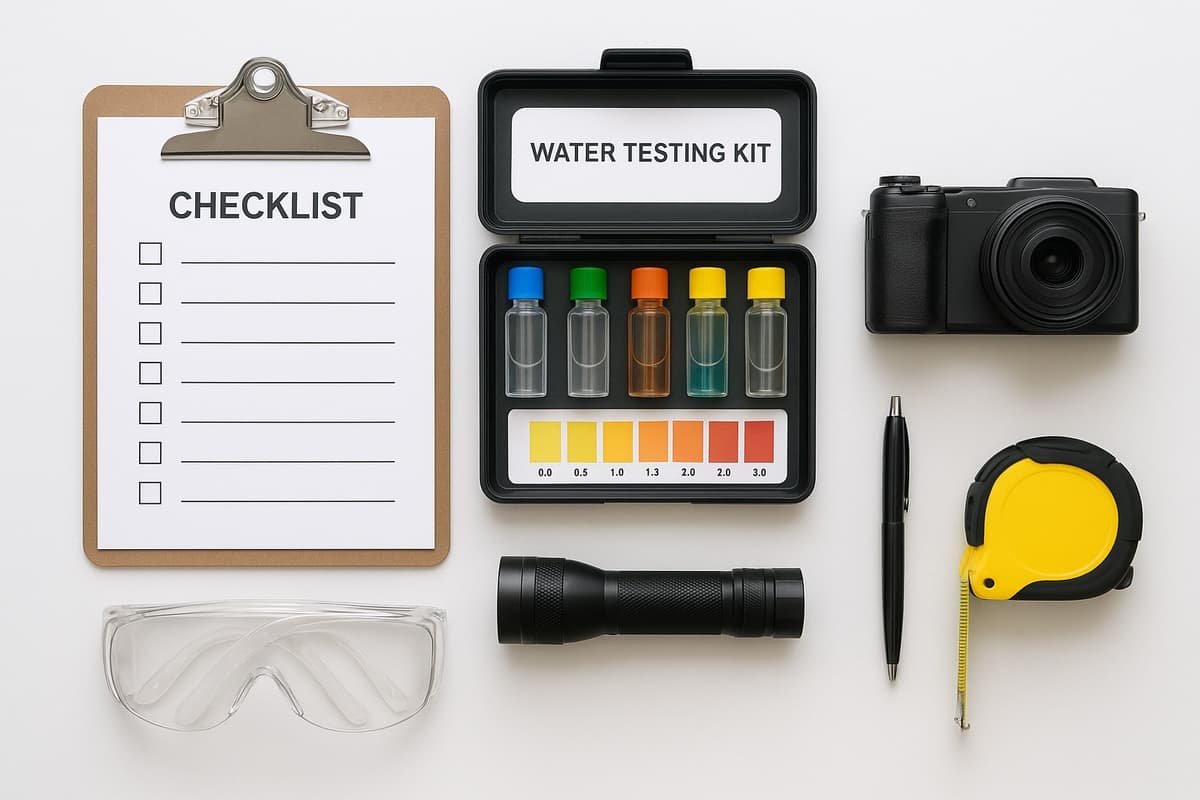
Pool safety inspection checklist form with all required categories
Professional pool inspectors using digital pool inspection software can access pre-built checklists that include all California-specific requirements, reducing inspection time while improving accuracy.
Pool barrier safety checklist
Pool barriers form the first line of defense against unsupervised pool access. California requires barriers to meet specific height, spacing, and construction standards outlined in the California Building Code.
Barrier height and construction
- [ ] Barrier minimum height: 60 inches measured from grade on the pool side
- [ ] Barrier extends completely around pool perimeter
- [ ] No gaps larger than 4 inches in any direction
- [ ] Maximum 2-inch clearance between ground and bottom of barrier
- [ ] Surface free of climbable handholds or footholds
- [ ] No horizontal rails on pool side (or spaced at least 45 inches apart)
- [ ] Vertical picket spacing maximum 1.75 inches if less than 45 inches apart
Barrier material and condition
- [ ] Fence posts securely anchored and stable
- [ ] No missing, broken, or loose pickets/boards
- [ ] Hardware intact and rust-free
- [ ] No holes, tears, or damage to barrier material
- [ ] Chain link fabric properly tensioned with no gaps
- [ ] Solid barriers (walls) structurally sound with no cracks

Pool barrier height measurement showing proper 60-inch minimum from grade
Detailed barrier requirements are covered in our California pool barrier requirements guide. Understanding proper measurement techniques ensures accurate compliance verification.
Gate and latch safety checklist
Self-closing and self-latching gates are critical components that must function properly every time. Pool gate requirements specify exact performance standards to prevent child access.
Self-closing mechanism
- [ ] Gate closes completely from any open position without manual assistance
- [ ] Closing speed appropriate (not too fast, not too slow)
- [ ] No obstruction prevents complete closure
- [ ] Hinges properly adjusted and lubricated
- [ ] Gate swings away from pool area
- [ ] No gap between gate and post when closed exceeds 0.5 inches
Self-latching mechanism
- [ ] Latch engages automatically when gate closes
- ] [Latch release located minimum 54 inches above grade (measured from pool side)
- [ ] Latch mechanism cannot be reached through or over gate
- [ ] No external protrusions allow latch manipulation from pool side
- [ ] Latch securely holds gate in closed position
- [ ] Key-lockable feature functional (if equipped)
- [ ] Button, thumbturn, or lever requires deliberate action to release

Self-closing pool gate mechanism showing proper latch height placement
Gates requiring repairs should be documented with photos. Professional pool inspection reports clearly identify non-compliant features and recommended corrections.
Complete pool inspections faster with PoolVerify
Our mobile-friendly platform includes photo documentation, gate testing checklists, and instant compliance reporting for California inspectors.
Pool alarm and cover checklist
Pool alarms and safety covers provide additional layers of drowning prevention. These devices must meet specific standards and remain operational to satisfy California safety requirements.
Pool surface alarms
- [ ] Alarm certified to ASTM F2208 standard
- [ ] Alarm sounds within 30 seconds of surface disturbance
- [ ] Audible alarm at least 85 decibels at 10 feet
- [ ] Battery or power source functional
- [ ] Alarm reset mechanism operational
- [ ] No objects interfering with alarm sensor
- ] [Pool alarm properly positioned per manufacturer specifications
Exit alarms
- [ ] Exit alarm installed on door(s) providing direct pool access
- [ ] Alarm sounds when door opened
- [ ] Alarm audible throughout dwelling
- [ ] Deactivation mechanism located 54+ inches above floor
- [ ] Alarm can only be deactivated from house side
- [ ] Battery backup functional
Safety pool covers
- [ ] Cover certified to ASTM F1346 standard for safety covers
- [ ] Cover completely spans pool when deployed
- [ ] No gaps or sagging areas when installed
- [ ] Anchors securely fastened
- [ ] Cover material intact without tears or excessive wear
- [ ] Removal/installation mechanism functional
- [ ] Labeling clearly visible indicating ASTM compliance

Pool safety cover properly installed with ASTM compliance label visible
Different drowning prevention features work together to create multiple barriers. Understanding which two safety features are present helps determine compliance status.
Drain safety checklist
Pool drain safety prevents suction entrapment, a serious hazard addressed by federal VGBA regulations and California HSC §115922. All pools must have compliant anti-entrapment systems.
VGBA compliance inspection
- [ ] All suction outlets covered with VGBA-compliant covers
- [ ] Drain covers manufactured after December 2008
- [ ] Covers match sump size and configuration
- [ ] Covers secured with all screws/fasteners intact
- [ ] No cracks, breaks, or missing pieces in covers
- [ ] ANSI/APSP-16 stamp visible on each cover
- [ ] Covers not faded, indicating recent replacement (within 5 years typical)
Anti-entrapment systems
- [ ] Multiple main drains separated by minimum 3 feet (or)
- [ ] Gravity drainage system present (or)
- [ ] Automatic pump shut-off system functional (or)
- [ ] Other engineered SVRS (Suction Vacuum Release System) installed
- [ ] System appropriate for pool size and pump flow rate
- [ ] Warning signs posted if required

VGBA compliant pool drain cover with ANSI APSP-16 certification stamp
Detailed drain safety information is available in our pool drain cover requirements guide. Drain safety violations are among the most serious compliance issues inspectors identify.
Document every safety feature with PoolVerify
Capture compliant and non-compliant features with photo evidence, automatically organized in your inspection report.
Seasonal pool safety tips
Pool safety requirements remain constant, but seasonal considerations affect safety feature performance and maintenance needs. Regular seasonal checks prevent compliance issues.
Spring pool opening checklist
- Test all self-closing gates after winter to ensure hinges haven't seized
- Verify pool alarms with fresh batteries after extended winter dormancy
- Inspect barrier for winter damage from weather, falling branches, or settling
- Check that removable mesh fencing wasn't damaged during storage
- Verify drain covers remain securely fastened after winter water chemistry changes
Summer maintenance reminders
- Weekly gate function testing during heavy pool use season
- Monthly alarm battery checks during peak swimming months
- Regular removal of toys and floatation devices that could interfere with alarms
- Verify fence gates aren't propped open or blocked during pool parties
- Check latch mechanisms aren't corroded from chlorine exposure
Fall and winter preparation
- Inspect gates and latches before reduced monitoring during off-season
- Ensure barriers remain intact even when pool not in active use
- Install and verify safety cover meets ASTM F1346 before winter
- Test exit alarms before holiday gatherings with visiting children
- Document pre-winter condition for spring comparison
Year-round safety practices
- Never prop gates open or disable latches, even temporarily
- Replace alarm batteries annually regardless of low-battery warning
- Schedule professional pool safety inspections every 2-3 years
- Keep barrier perimeter clear of climbable objects like furniture or planters
- Review safety features with all pool users and visitors

Seasonal pool safety maintenance calendar showing inspection schedule
Property managers overseeing multiple pools benefit from digital inspection platforms that schedule recurring inspections and send automatic safety check reminders.
How to use this checklist
This comprehensive pool safety checklist serves multiple purposes for different users. Understanding how to apply it maximizes safety outcomes and compliance verification.
For pool owners
Use this checklist monthly during swimming season and quarterly during off-season. Walk the pool perimeter testing gates, inspecting barriers, and verifying alarm functionality. Document issues immediately and schedule repairs before pool use.
Create a simple log noting inspection date and any items requiring attention. Pool service companies can incorporate these checks into regular maintenance visits for comprehensive safety oversight.
For pool inspectors
Professional inspectors should use this checklist as a foundation for comprehensive BPC §7195 inspections. Each item should be visually verified, tested where applicable, and documented with photos showing compliance or violations.
Digital inspection tools streamline this process significantly. PoolVerify's mobile inspection platform includes pre-built California checklists, integrated photo documentation, and instant PDF report generation, reducing inspection time from 45 minutes to 15 minutes.
For real estate transactions
Home sellers should complete this checklist 30-60 days before listing to identify and correct violations in advance. Buyers can use it to understand inspection findings and verify repairs were completed properly.
Real estate agents benefit from providing this checklist to clients during pre-listing consultations, setting proper expectations about pool safety requirements.
For property managers
Property management companies overseeing rental properties or HOA pools should schedule quarterly inspections using this checklist. Document all checks with dated photos to demonstrate due diligence and maintain compliance records.
Multi-property managers find cloud-based inspection software essential for tracking inspection history across multiple locations and ensuring no properties are overlooked.

Pool safety checklist being used during professional inspection with tablet
Frequently asked questions
How often should I complete a pool safety checklist?
Pool owners should perform basic safety checks monthly during swimming season (May-September) and quarterly during off-season. Professional inspections are required for property transfers in California and recommended every 2-3 years for homeowners. High-use commercial pools require more frequent professional inspections based on local health department regulations.
What happens if my pool fails the safety checklist?
If safety features don't meet California requirements, you must make necessary repairs before pool use. For real estate transactions, sellers typically have 30-45 days to correct violations identified during BPC §7195 inspections. Common pool safety violations include non-compliant drain covers, malfunctioning gate latches, and insufficient barrier height.
Can I perform my own pool safety inspection?
Yes, homeowners can and should regularly inspect their pools using this checklist for ongoing safety monitoring. However, California requires professional inspections during property transfers. Professional inspectors have training to identify subtle compliance issues and provide legally-compliant documentation required for real estate closings.
Are pool safety requirements the same throughout California?
California state law (BPC §7195 and HSC §115922) establishes minimum requirements statewide, but local jurisdictions can impose stricter standards. Cities like Los Angeles, San Diego, and San Francisco may have additional requirements. Always verify local ordinances with your city or county building department to ensure complete compliance.
What's the difference between pool safety checklist and inspection?
A pool safety checklist is a tool for systematic evaluation of safety features. A pool safety inspection is a formal examination conducted by qualified inspectors, usually required for property transfers or new construction. Professional inspections use comprehensive checklists but also include legal documentation, compliance certification, and detailed reporting required for real estate transactions.
Conclusion
A comprehensive pool safety checklist is essential for maintaining California compliance and protecting children from drowning hazards. Regular inspection of barriers, gates, latches, alarms, covers, and drains ensures all drowning prevention features function as designed.
Whether you're a pool owner conducting monthly safety checks, an inspector performing BPC §7195 evaluations, or a property manager overseeing multiple pools, systematic use of this checklist identifies issues before they become safety hazards or compliance violations.
Pool safety inspectors ready to streamline their inspection process can try PoolVerify's digital inspection platform free for 14 days. Complete California pool safety inspections in 15 minutes with mobile checklists, integrated photo documentation, and instant PDF reports that include all required compliance information.
Related posts
Frequently Asked Questions
How often should I complete a pool safety checklist?
Pool owners should perform basic safety checks monthly during swimming season from May through September and quarterly during the off-season. Professional inspections are required for property transfers in California and recommended every 2-3 years for homeowners. Commercial pools require more frequent checks per local health regulations.
What happens if my pool fails the safety checklist?
If safety features do not meet California requirements, you must make necessary repairs before pool use. For real estate transactions, sellers typically have 30-45 days to correct violations identified during BPC 7195 inspections. Common failures include non-compliant drain covers, malfunctioning gate latches, and insufficient barrier height.
Can I perform my own pool safety inspection?
Yes, homeowners can and should regularly inspect their pools using a safety checklist for ongoing monitoring. However, California requires professional inspections by licensed contractors or home inspectors during property transfers. Professional inspectors identify subtle compliance issues and provide legally required documentation for real estate closings.
Are pool safety requirements the same throughout California?
California state law under BPC 7195 and HSC 115922 establishes minimum requirements statewide, but local jurisdictions can impose stricter standards. Cities like Los Angeles, San Diego, and San Francisco may have additional requirements. Always verify local ordinances with your city or county building department.
What is the difference between a pool safety checklist and a pool inspection?
A pool safety checklist is a tool for systematic evaluation of safety features that anyone can use. A pool safety inspection is a formal examination conducted by qualified inspectors, usually required for property transfers or new construction, including legal documentation, compliance certification, and detailed reporting.
Related Articles
![Pool Safety Inspection: Complete Checklist & Requirements [2026]](/_next/image?url=%2Fresources%2Fpool-safety-inspection-checklist-hero.webp&w=3840&q=75)
Compliance-safety
Pool Safety Inspection: Complete Checklist & Requirements [2026]
Comprehensive pool safety inspection checklist: California HSC §115922 requirements, barrier verification, alarm testing, equipment checks, and compliance certification. Costs, process, and preparation guide.
Template
Pool Safety Checklist: The Complete Guide for 2026
Download our comprehensive 50-point pool safety checklist covering all California requirements. Perfect for inspectors, homeowners, and property managers.
Template
California Pool Inspection Checklist: Free Download [2026]
Free California pool inspection checklist with all 7 BPC §7195 safety features, fence specs, drain safety, and HSC §115922 items. PDF download included.