Pool Requirements for Family Child Care Homes in California
Since January 1, 2025, HSC §1596.814 (AB 2866) requires a licensed family daycare home at a single-family dwelling with an in-ground pool to have an enclosure meeting five specifications, plus a safety cover or an in-water alarm, a life ring, a rescue pole, and a daily inspection log. Title 22 (22 CCR §102417) still requires every pool and body of water to be made inaccessible. What each rule asks, the rules for child care centers, and the regulations due by January 1, 2027.
Since January 1, 2025, Health and Safety Code §1596.814 requires a licensed family daycare home at a private single-family dwelling with an in-ground pool to have an enclosure meeting five specifications, plus a safety cover or an in-water alarm, a life ring, a rescue pole, and a daily inspection log. Title 22 still separately requires every pool and body of water at a family child care home to be made inaccessible to children.
This guide covers the three sets of rules that apply, the enclosure, the second feature, the rescue equipment, the daily inspection and log, the Title 22 requirements, the rules for child care centers, and the regulations due by January 1, 2027. The section was added by AB 2866 (Stats. 2024, Ch. 745).
Three sets of rules for a pool at a family child care home
A family child care home with a pool can be subject to three rules at once, and each has its own trigger.
When a building permit is issued for a new or remodeled pool at a private single-family home
Two of seven drowning prevention safety features, inspected before final approval
The Department of Social Services licenses the home and enforces the first two. The local building official enforces the third, at a permit. At a sale of the house, BPC §7195 adds the pool section of the home inspection report, as for any home.
The enclosure: five specifications
HSC §1596.814(a)(1)(A) requires "an enclosure, including, but not limited to, a fence, wall, or other barrier that isolates the swimming pool from access to the family daycare home." Its specifications follow the enclosure rules for any California home pool in HSC §115923, with two differences worth noticing.
Specification
HSC §1596.814(a)(1)(A), family daycare
HSC §115923, any home pool
Gate
Opens away from the pool, self-closing, with a self-latching, key lockable device no lower than 60 inches above the ground
Opens away from the pool, self-closing, self-latching device no lower than 60 inches above the ground
Height
Minimum 60 inches
Minimum 60 inches
Clearance at the bottom
Maximum 2 inches from the ground
Maximum 2 inches from the ground
Gaps
No gap that passes a sphere 4 inches or more in diameter
No gap that passes a sphere 4 inches or more in diameter
Outside surface
No handholds or footholds that could enable a child to climb over
No handholds or footholds that could enable a child below the age of five years to climb over
Mesh fencing
Mesh fencing that does not meet the above needs documentation of compliance with ASTM F2286
Removable mesh fencing to ASTM F2286 is a separate feature under HSC §115922(a)(2)
The gate latch must be key lockable at a daycare, and the climbing rule speaks of "a child" rather than a child under five. Our enclosure guide shows how each number is measured, and the mesh fence guide covers ASTM F2286.
The second feature: a cover or an in-water alarm
The enclosure is not enough on its own. HSC §1596.814(a)(1)(B) requires, in addition, at least one of two features, each with documentation the licensee keeps.
Option
What the statute asks
Documentation
Safety pool cover
Manually or power operated, meeting the performance standards of ASTM F1346-23
Documentation that the cover complies with ASTM F1346-23, available to the department on request
In-water alarm
Sounds upon detecting an entrance into the water; turned on and in working condition during operating hours while the pool is not in use
Documentation that the alarm complies with ASTM F2208, available to the department on request
The alarm rule is about operating hours: an alarm that is switched off while children are in care and the pool is closed does not meet it. Our guides to safety covers and pool alarms explain what the ASTM labels say. Exit alarms and door devices on the house, two of the seven features under HSC §115922, are not among the options in this subdivision.
Rescue equipment
HSC §1596.814(a)(2) requires two items "visible from the swimming pool and readily available for immediate use":
A life ring with a minimum exterior diameter of 17 inches, labeled as approved by the United States Coast Guard.
A rescue pole with a body hook and a minimum fixed length of 12 feet.
The statute says "minimum fixed length," so ask the department before relying on a telescoping pole. Keep both where they can be seen from the pool, not in a shed.
The daily inspection and the log
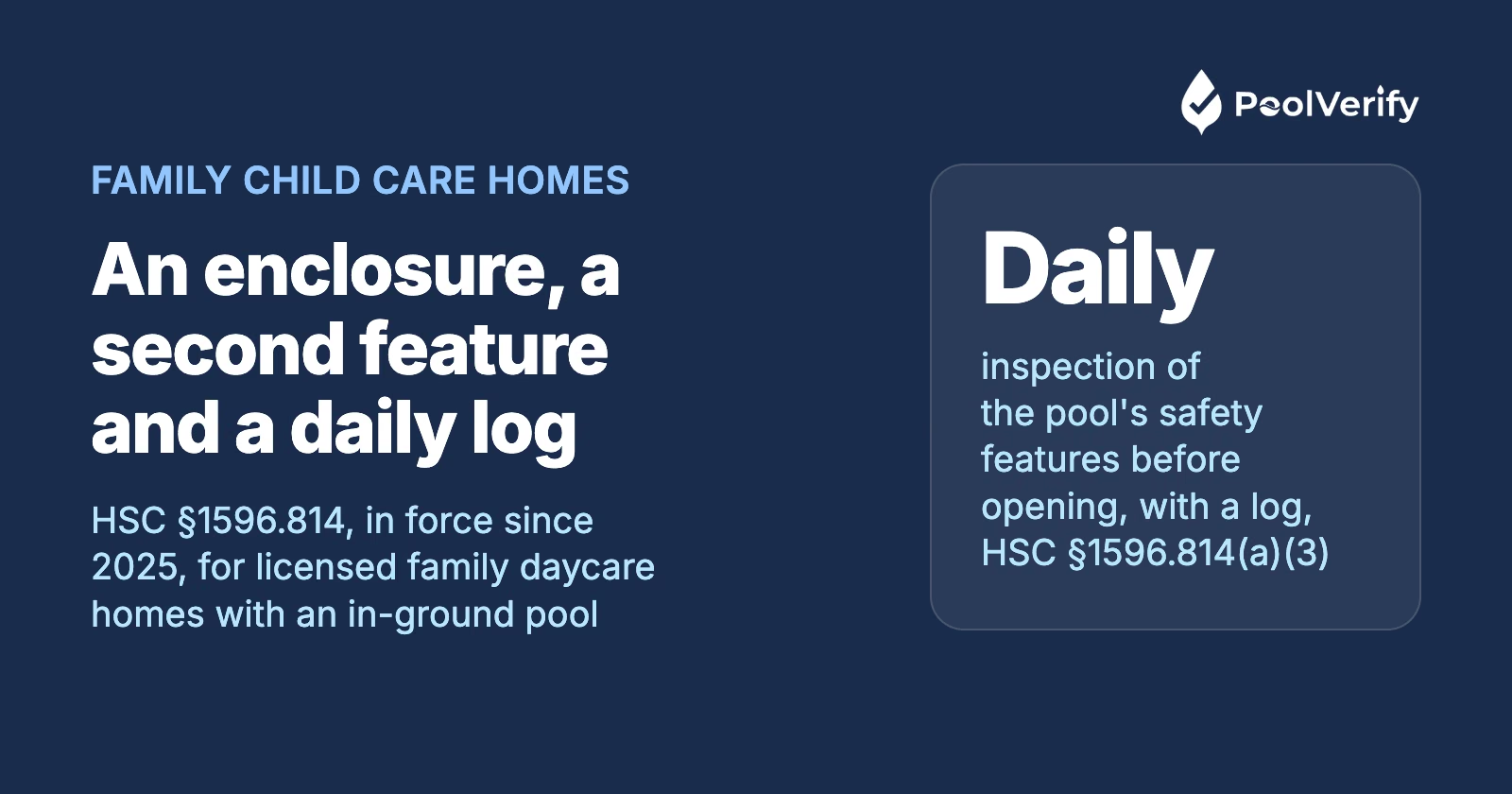
The statute turns the safety features into a daily routine. Under HSC §1596.814(a)(3), "a licensee shall perform a daily inspection of the drowning prevention safety features and safety equipment before opening the facility and maintain a log of the inspections to be provided to the department upon request." The statute does not prescribe a form. A log entry that answers the department's likely questions covers:
Check
What to record
Enclosure
Intact, no new gaps, nothing placed against it that a child could climb
Gate
Swings shut and latches on its own from several positions; key lock works
Second feature
Cover on and locked, or in-water alarm on and working
Life ring and rescue pole
In place, visible from the pool, undamaged
Problems and fixes
What was wrong, what was done, and whether children were kept from the pool area until it was fixed
Date, time and initials
Before opening, every day the home operates
A paper log works. So does a photo of each item with the date. Our photo documentation guide gives the shot list for an enclosure and a gate.
Title 22: inaccessibility for every pool and body of water
The licensing regulation for family child care homes predates the statute and still applies. 22 CCR §102417(g)(5) says "all licensees shall ensure the inaccessibility of pools (in-ground and above-ground), fixed-in-place wading pools, hot tubs, spas, fish ponds and similar bodies of water through a pool cover or by surrounding the pool with a fence." Its specifics:
Fences shall be at least five feet high and constructed so that the fence does not obscure the pool from view; the bottom and sides comply with Division 1, Appendix Chapter 4 of the 1994 Uniform Building Code.
Gates swing away from the pool, self-close, and have a self-latching device located no more than six inches from the top of the gate.
Pool covers are strong enough to completely support the weight of an adult and are placed on the pool and locked while the pool is not in use.
Above-ground pools: where the pool structure is the fence or the fence is mounted on it, the pool is made inaccessible when not in use by removing or making the ladder inaccessible, or by a barricade to the decking.
Two practical points follow. The Title 22 fence must leave the pool visible, which rules out a solid wall that a statute-compliant enclosure might otherwise be. And Title 22 reaches above-ground pools, spas, hot tubs and fish ponds that HSC §1596.814, written for in-ground pools, does not name. A home that meets both rules meets the stricter number in each row: a 60 inch fence that does not obscure the pool, a key lockable gate latch at least 60 inches above the ground and within six inches of the top of the gate, and a cover or alarm as the statute requires.
Child care centers
A licensed daycare center with an in-ground pool has its own subdivision. HSC §1596.814(b) requires at least one of two features, an enclosure as described for family daycare homes or, for an indoor pool, "a self-closing door that has either a self-latching device no lower than 60 inches above the ground, or requires a key card, code, or other means to restrict opening," plus "a second, redundant feature that prevents children in the daycare center from entering the pool area unattended." The same life ring, rescue pole, daily inspection and log apply. The center licensing regulation, 22 CCR §101238(e), carries the same five-foot fence, gate and cover rules as the family child care home regulation.
What comes next: regulations by January 1, 2027
The statute is not the last word. HSC §1596.814(c) requires the Department of Social Services to adopt regulations implementing the section, and drowning prevention standards for other bodies of water at the daycare facilities it regulates, by January 1, 2027. Until then, subdivision (d) lets the department implement the section through written directives with the same force as regulations. HSC §115926, rewritten by the same bill, gives the department the broader duty to "prescribe drowning prevention safety standards governing all swimming pools and other bodies of water located at facilities regulated by the department." Check the department's Community Care Licensing Division for any written directive in force, because a directive can add to what this guide describes.
A record of the pool, made once and kept. PoolVerify's California checklist records the enclosure, gate, cover and alarm with condition, notes and up to 10 photos on each, and generates a dated PDF on-site; on Professional, a custom checklist can add the HSC §1596.814 items such as the life ring and rescue pole. PoolVerify does not file anything with the department and is not a substitute for the daily log the licensee keeps. See the features.
Limitations
This guide is general information about California law, not legal or licensing advice. The current text of HSC §1596.814, HSC §115921 to §115929, and 22 CCR §102417 and §101238 controls, and the Department of Social Services' written directives and regulations may add requirements after the date of this guide. This guide does not cover foster family homes or resource families, which are governed by other rules, or supervision ratios and staff qualifications. PoolVerify is inspection software for California residential pool safety inspections; it does not perform inspections, certify facilities, or issue compliance certificates.
Frequently asked questions
Can a family daycare in California have a swimming pool?
Yes, with conditions. Under HSC §1596.814, a licensed family daycare home at a private single-family dwelling with an in-ground pool must have an enclosure meeting five specifications, plus a safety cover or an in-water alarm, a life ring, a rescue pole and a daily inspection log. Title 22 also requires every pool and body of water to be made inaccessible to children.
What does AB 2866 require for daycare pools?
AB 2866 (Stats. 2024, Ch. 745) added HSC §1596.814, effective January 1, 2025, with pool requirements for licensed family daycare homes and daycare centers with in-ground pools, and rewrote HSC §115926 so the Department of Social Services prescribes drowning prevention standards for pools at the facilities it regulates. The department must adopt regulations by January 1, 2027.
Does a family daycare pool need a fence and a cover?
Under HSC §1596.814(a)(1), an enclosure is required, and in addition at least one of two features: a safety cover meeting ASTM F1346-23, or an in-water alarm that is on during operating hours while the pool is not in use. The licensee keeps documentation of the cover's or the alarm's ASTM compliance for the department.
How often must a daycare pool be inspected?
Every day. HSC §1596.814(a)(3) requires the licensee to inspect the drowning prevention safety features and the safety equipment daily before opening the facility, and to keep a log of the inspections that is provided to the department on request. The statute does not prescribe a form for the log.
What pool safety equipment does a family daycare need?
Two items, visible from the pool and readily available for immediate use under HSC §1596.814(a)(2): a life ring with a minimum exterior diameter of 17 inches, labeled as approved by the United States Coast Guard, and a rescue pole with a body hook and a minimum fixed length of 12 feet.
Do the rules apply to above-ground pools and spas at a daycare?
HSC §1596.814 is written for in-ground pools. Title 22 is broader: 22 CCR §102417(g)(5) requires a family child care licensee to make in-ground and above-ground pools, fixed-in-place wading pools, hot tubs, spas, fish ponds and similar bodies of water inaccessible, through a pool cover or a fence, with an above-ground rule for ladders.
Conclusion
A licensed family child care home with an in-ground pool in California answers to HSC §1596.814 since 2025: an enclosure with a key lockable gate latch at least 60 inches up, a safety cover or an in-water alarm with ASTM documentation, a 17 inch life ring and a 12 foot rescue pole, and a daily inspection before opening with a log. Title 22 adds a five foot fence that keeps the pool visible, a lockable cover that holds an adult, and rules for every other body of water. Regulations follow by January 1, 2027. Inspectors who document these pools for providers can start a 14-day free trial of PoolVerify, no credit card to start.
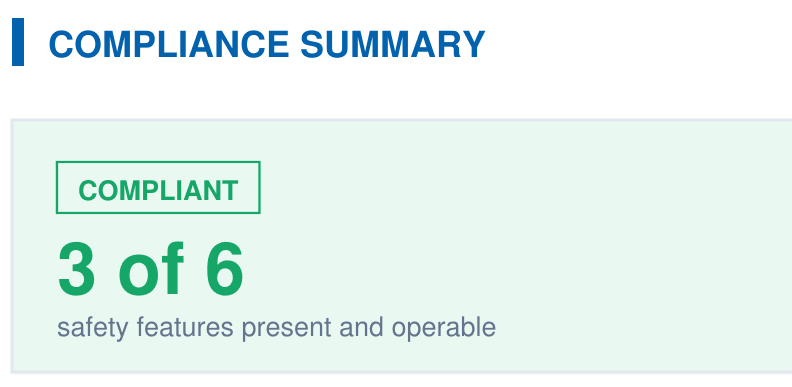
A branded PDF with the compliance summary, the feature table, each finding with its photos, and the signature, generated on‑site when the BPC §7195 and HSC §115922 checklist is complete.