Virginia Graeme Baker Act: Complete Compliance Guide
Complete guide to the Virginia Graeme Baker Pool and Spa Safety Act. Learn about federal drain safety requirements, suction entrapment prevention, and how it relates to California HSC §115922.
The Virginia Graeme Baker Pool and Spa Safety Act has saved countless lives since its implementation in 2008, virtually eliminating drain entrapment fatalities in properly compliant pools. If you're a pool inspector, pool service professional, or property owner in California, understanding VGB Act requirements is essential for compliance and safety.
This comprehensive guide covers everything you need to know about the Virginia Graeme Baker Act, including federal requirements, California's HSC §115922 implementation, inspection protocols, and how digital tools like PoolVerify can streamline VGB compliance documentation.
What is the Virginia Graeme Baker Act?
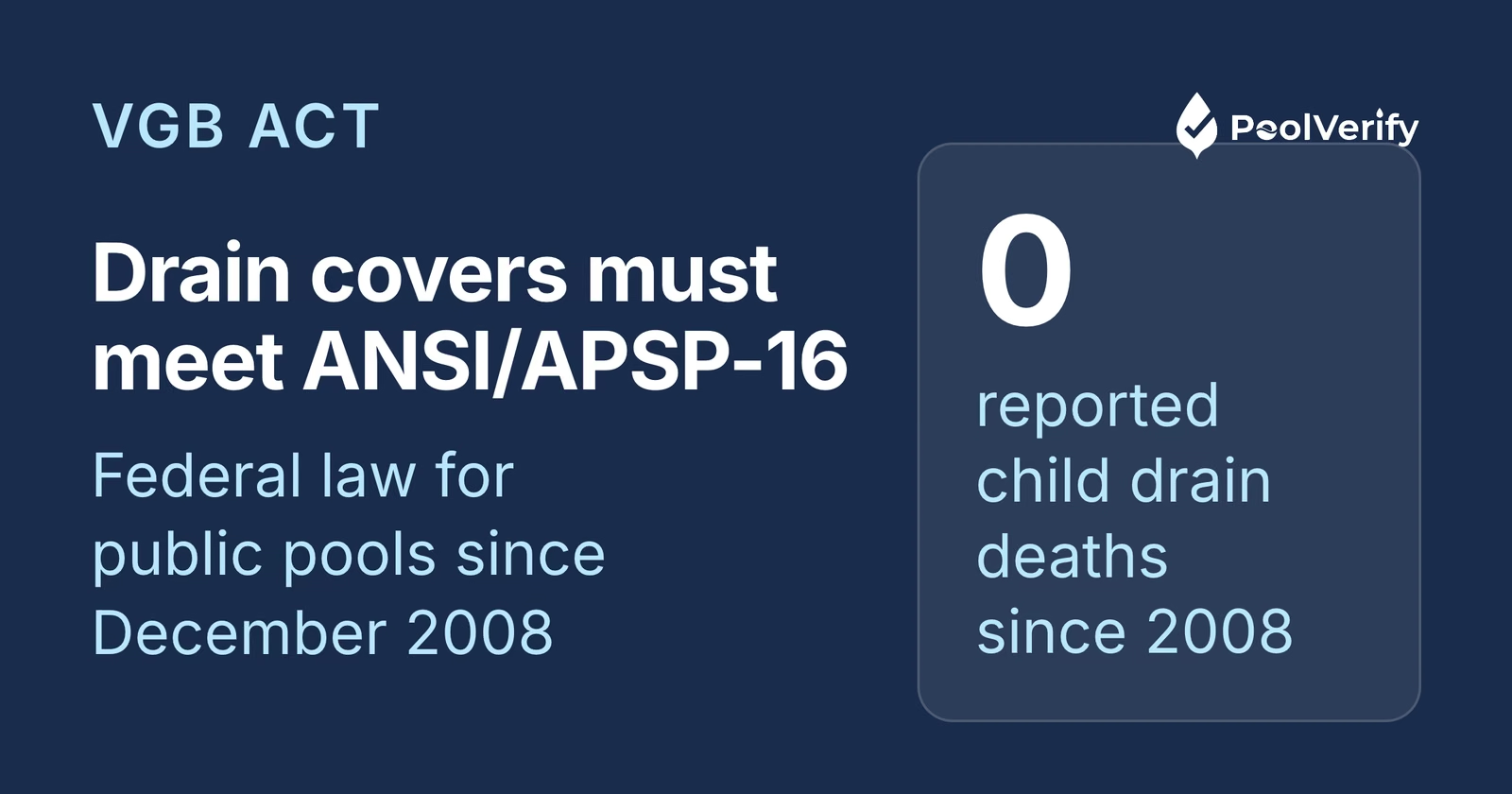
The Virginia Graeme Baker Pool and Spa Safety Act (VGB Act) is a federal law enacted on December 19, 2007, and became effective on December 19, 2008. The law establishes federal safety standards for public pools and spas to prevent suction entrapment incidents that can cause serious injury or death.
The VGB Act is codified in 15 U.S.C. Chapter 106 and requires that all public swimming pools and spas have drain covers that comply with the ANSI/APSP-16 performance standard. The law also mandates additional safety systems for pools with single main drains.
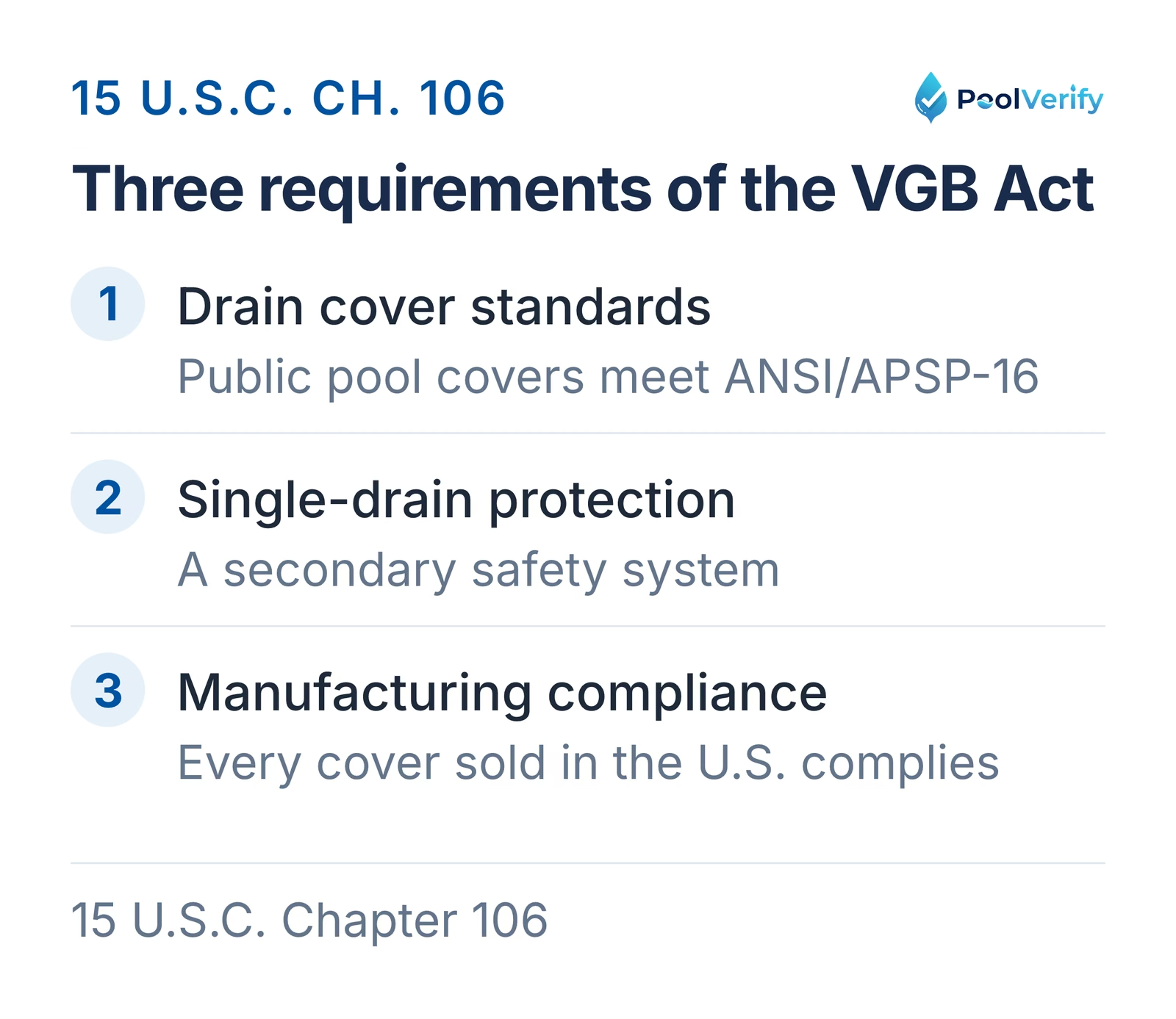
The three requirements of the Virginia Graeme Baker Act: cover standards, single-drain protection, manufacturing.
Key VGB Act provisions
The law established three critical requirements:
Drain cover standards: All public pool and spa drain covers must meet ANSI/APSP-16 standards
Single-drain protection: Pools with single main drains must have secondary safety systems
Manufacturing compliance: All drain covers manufactured or sold in the U.S. must meet entrapment protection standards
According to the Consumer Product Safety Commission, there have been no reported fatalities involving child entrapment on pool and spa drain covers since the VGB Act went into effect in 2008, demonstrating the law's effectiveness.
Ready to streamline your California pool safety inspections?PoolVerify helps you document VGB compliance alongside BPC §7195 requirements, with photo documentation and instant PDF reports. Start Your Free Trial
The tragic history behind the VGB Act
The Virginia Graeme Baker Pool and Spa Safety Act is named after Virginia Graeme Baker, the seven-year-old granddaughter of former Secretary of State James Baker III, who died in a tragic suction entrapment incident in June 2002.
Virginia became trapped underwater by the powerful suction of a hot tub drain, and despite immediate rescue efforts, the suction force was so strong that it took two adults to pull her free. She died from the injuries sustained during the incident.
The advocacy that changed pool safety
Following this tragedy, Virginia's mother, Nancy Baker, became a passionate advocate for pool drain safety legislation. Her tireless efforts, alongside pool safety organizations and the Consumer Product Safety Commission, led to the passage of the VGB Act in 2007.
The law represents one of the most significant advancements in pool safety regulation, establishing federal standards where previously only inconsistent state and local requirements existed.
Understanding suction entrapment dangers
Suction entrapment occurs when a person's body, limb, hair, or clothing becomes trapped by the powerful suction force of a pool or spa drain. The force created by pool circulation systems can be extraordinarily strong, powerful enough to trap even adults underwater.
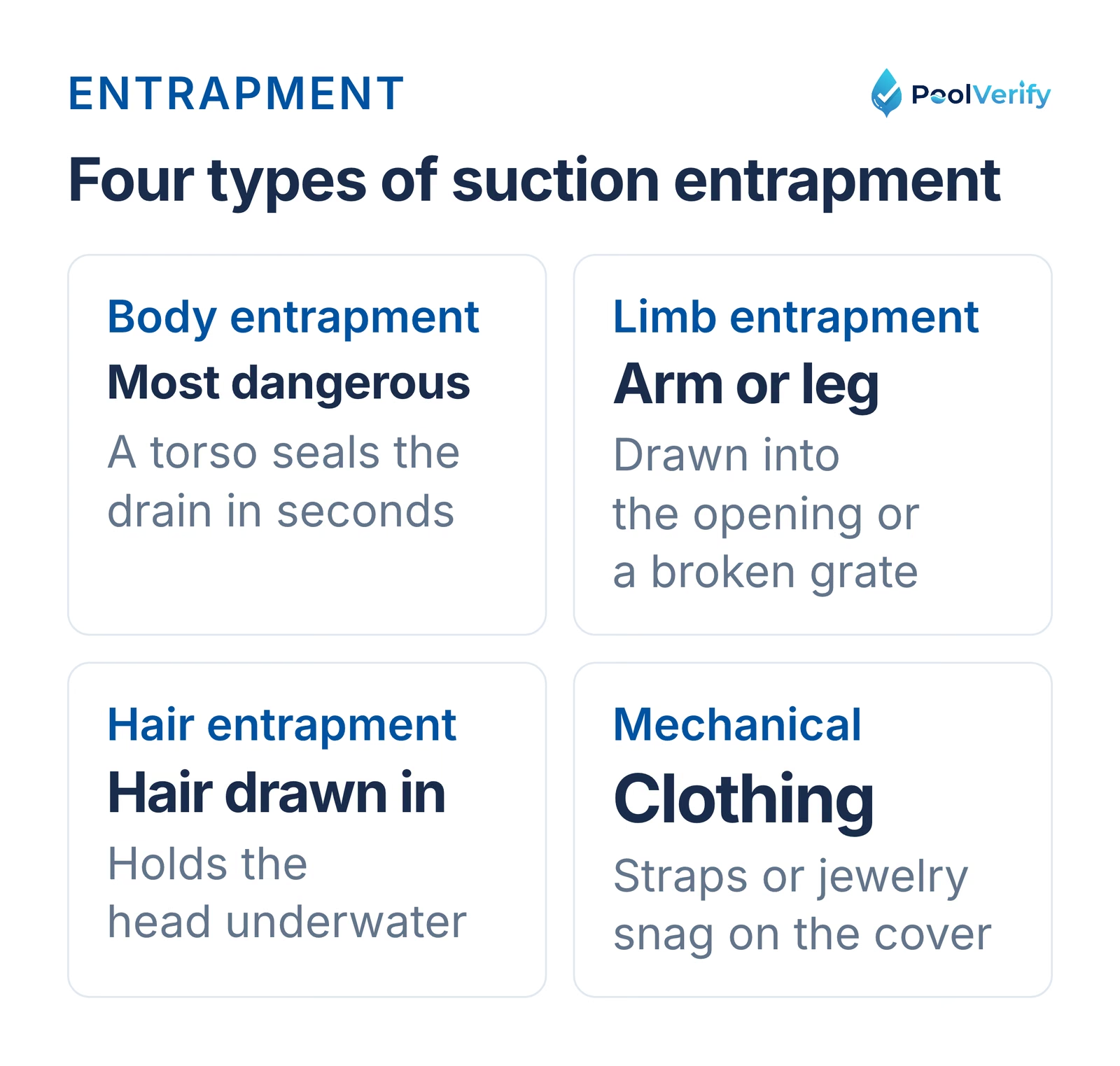
The four types of suction entrapment inspectors need to recognize: body, limb, hair, and mechanical.
Types of suction entrapment
Pool inspectors need to understand four distinct types of suction entrapment:
1. Body entrapment Occurs when a person's torso or limbs cover a drain opening, creating a seal that traps them against the drain. This is the most dangerous type of entrapment and can occur in seconds.
2. Limb entrapment Happens when an arm or leg is sucked into a drain opening or becomes caught in a broken drain cover. The suction force can cause severe injuries even if the person isn't fully trapped.
3. Hair entrapment Long hair can be pulled into a drain opening or become wrapped around drain covers, holding the person's head underwater. This type of entrapment has caused numerous drowning deaths.
4. Mechanical entrapment Clothing, jewelry, or bathing suit straps can become caught in drain covers, especially those with protruding screws or broken grates, trapping the person underwater.
Suction force statistics
The suction force in pools and spas can be deadly. According to the CPSC's 2014 to 2018 circulation entrapment report (May 2019), 11 victims were reported in those five years, all younger than 15; two died, both in spas, and 7 of the 11 incidents were in spas or hot tubs. The report also notes that since the VGB Act took effect in December 2008 there have been no reported fatalities involving a child entrapped on a suction outlet cover in a public pool or spa.
For California pool inspectors, understanding these entrapment mechanisms is essential for proper drain inspection and compliance verification. Our suction entrapment guide covers the five CPSC entrapment types, hot tub and spa risk, and emergency response in detail. Our suction entrapment guide covers the five CPSC entrapment types, hot tub and spa risk, and emergency response in detail.
VGB Act drain cover requirements
The Virginia Graeme Baker Act established specific technical requirements for pool and spa drain covers to prevent suction entrapment. All drain covers must meet the ANSI/APSP-16 performance standard, which has been updated several times since the law's passage.
ANSI/APSP-16 standard compliance
The current standard is ANSI/APSP-16 2017, which the CPSC recognized as the successor drain cover standard in a 2019 Federal Register notice.
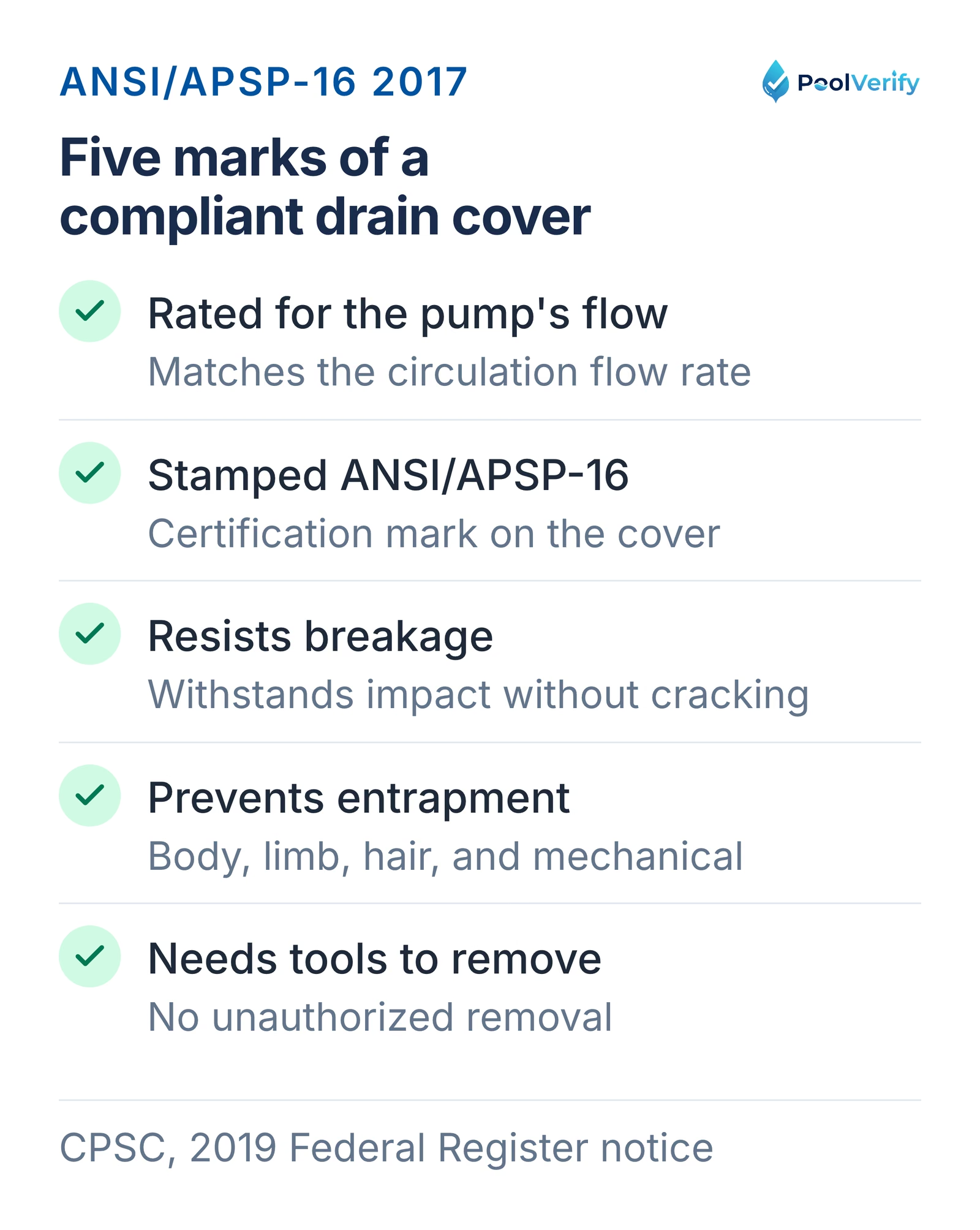
What an ANSI/APSP-16 2017 drain cover must do: flow rating, marking, breakage resistance, entrapment, tools.
Compliant drain covers must:
Meet flow-rated standards: Covers must be rated for the specific flow rate of the pool's circulation system
Have proper markings: All compliant covers are stamped with the ANSI/APSP-16 certification mark
Resist breakage: Covers must withstand impact and normal wear without cracking or breaking
Prevent entrapment: Design must prevent body, limb, hair, and mechanical entrapment
Require tools for removal: Covers cannot be removed without tools, preventing unauthorized removal
All drain covers display the ANSI/APSP-16 certification marking
Covers are intact with no cracks, breaks, or missing pieces
Covers are properly secured and cannot be removed by hand
All screws are flush with the cover surface (not protruding)
Covers are the correct size and type for the drain opening
Flow ratings match or exceed the pump's circulation capacity
There are no gaps between the cover and the drain sump
Digital inspection tools like PoolVerify help inspectors document each drain cover with photos and verify compliance against California's specific requirements under HSC §115922.
Anti-entrapment devices and systems
The VGB Act requires pools with single main drains to have additional anti-entrapment safety systems beyond compliant drain covers. These secondary protection systems provide backup safety if a drain cover fails or is removed.
Required systems for single-drain pools
Public pools and spas with a single main drain must have at least one of the following systems:
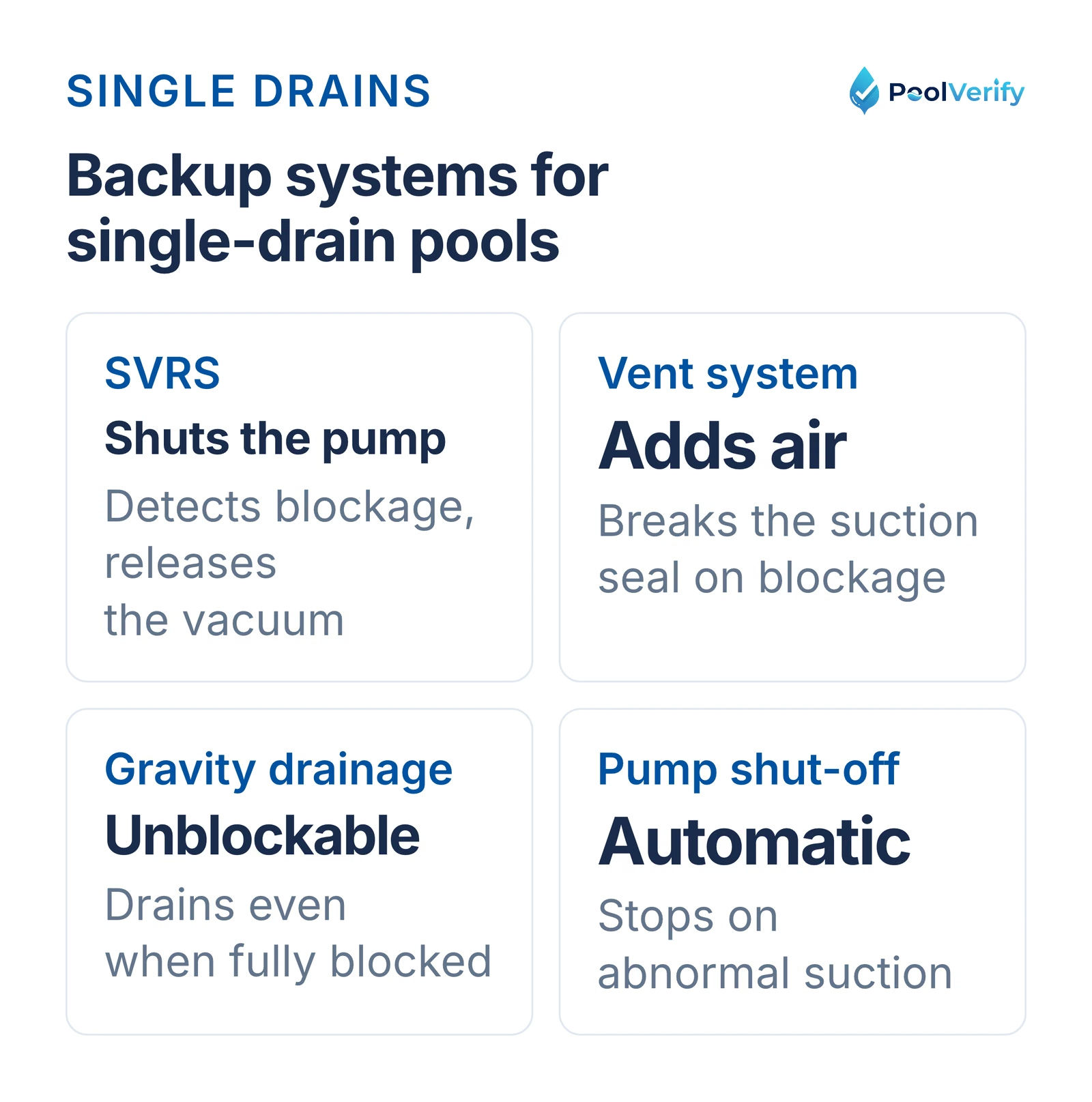
1. Safety Vacuum Release System (SVRS) An SVRS automatically detects blockage in the suction line and releases the vacuum, typically shutting down the pump within seconds. The system must conform to ASME standard A112.19.17 or ASTM standard F2387.
Four anti-entrapment systems for pools with a single main drain: SVRS, vent, gravity drainage, pump shut-off.
2. Suction-limiting vent system This system introduces air into the suction line when blockage is detected, breaking the suction seal and allowing a trapped person to escape.
3. Gravity drainage system Also called an unblockable drain, this system uses drain locations and piping designed so that gravity drainage continues even if the drain is completely blocked.
4. Automatic pump shut-off system This system automatically shuts down the pump when it detects abnormal suction conditions, though it's less commonly used than SVRS systems.
5. Drain disablement Permanently closing or disabling the main drain and relying entirely on skimmer suction for circulation.
Multiple drain configurations
The most common alternative to secondary safety systems is installing multiple main drains. The VGB Act allows pools to avoid secondary safety systems if they have:
At least two circulation suction outlets per pump
Drains that are hydraulically balanced
Drains separated by at least three feet in any dimension
Drains plumbed symmetrically through one or more "T" fittings
This configuration ensures that if one drain is blocked, the other drain(s) will break the suction seal, preventing entrapment.
For pool service companies managing multiple properties, PoolVerify's digital inspection platform allows you to track which pools have single versus multiple drain configurations and document the specific safety systems installed.
California HSC §115922 compliance
California implemented the Virginia Graeme Baker Act's requirements through Health and Safety Code Section 115922, which went into effect on January 1, 2019. California's law goes beyond the federal VGB Act by applying requirements to both new construction and certain remodeling projects.
HSC §115922 requirements
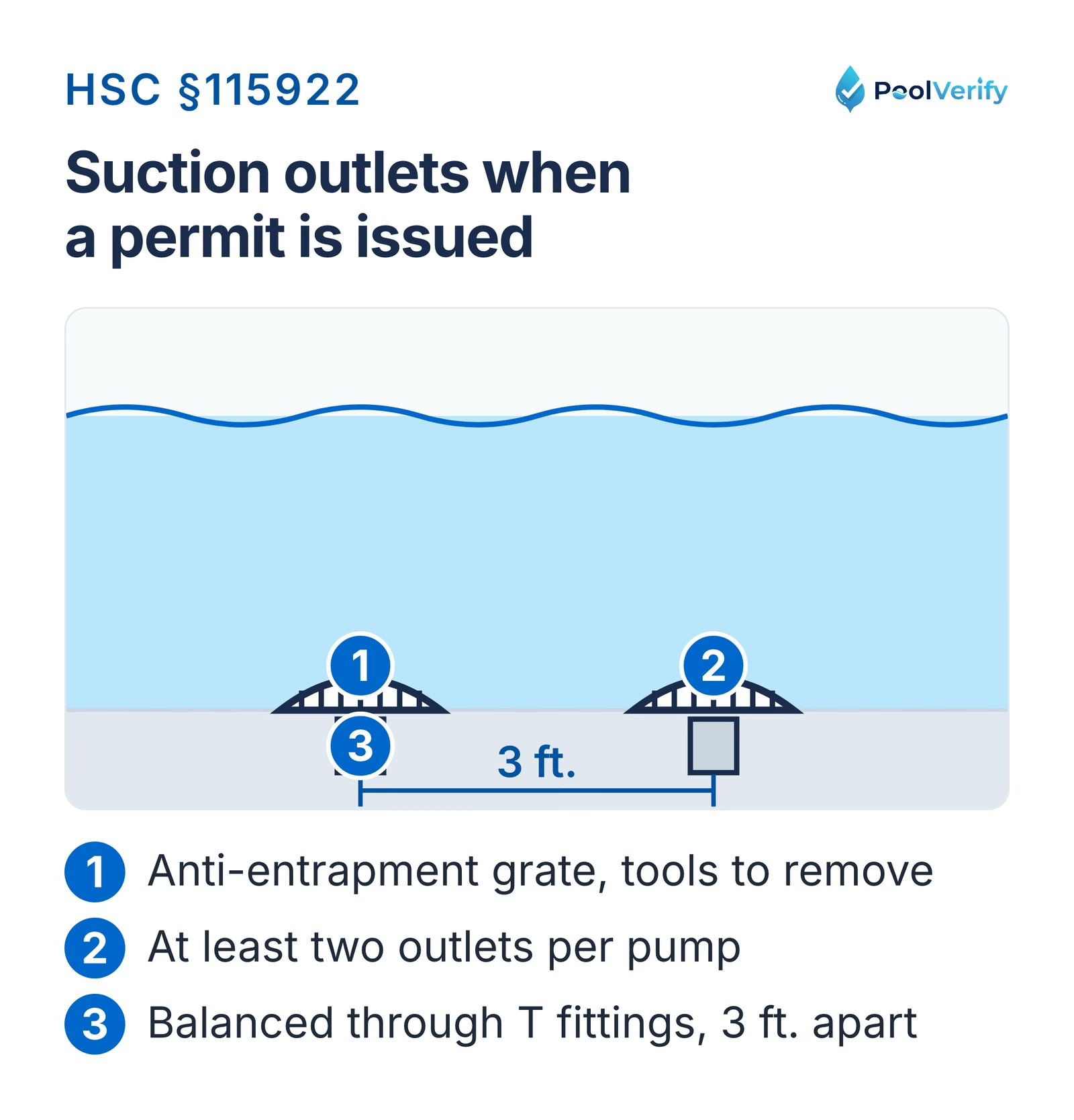
According to California HSC §115922, when a building permit is issued for construction of a new swimming pool or spa, the suction outlets must be equipped with either:
Option 1: Multiple drains
At least two circulation suction outlets per pump
Hydraulically balanced and symmetrically plumbed through one or more "T" fittings
Separated by at least three feet in any dimension
Option 2: Alternative systems
Skimmers or perimeter overflow systems that meet specific requirements
SVRS or other approved anti-entrapment systems
All suction outlets must be covered with anti-entrapment grates specified in the ANSI/APSP-16 performance standard (or successor standard designated by the CPSC) that cannot be removed except with the use of tools.
Suction outlet requirements under HSC §115922 for a newly permitted California pool or spa.
Integration with BPC §7195
California's BPC §7195 pool safety inspection requirements work alongside HSC §115922. When conducting pool safety inspections for real estate transactions, inspectors must verify:
All seven drowning prevention safety features required by BPC §7195
Drain cover compliance with HSC §115922 and VGB Act standards
Proper anti-entrapment systems for applicable pools
Simplify BPC §7195 and HSC §115922 compliance documentation Record California pool inspections on a checklist with photos with pre-built checklists, photo documentation, and instant PDF reports. Try PoolVerify Free
Who must comply with the VGB Act?
Understanding who must comply with VGB Act requirements is essential for pool inspectors, property managers, and pool service companies. The law applies differently to public versus residential pools.
Public pools and spas (mandatory compliance)
The VGB Act's drain cover and anti-entrapment requirements apply to all public pools and spas, which include:
Hotel and motel pools
Community pools (HOA, condo, apartment complexes)
Health club and gym pools
Water parks and amusement facilities
School and university pools
Municipal recreation center pools
YMCA and similar organization pools
Any pool open to members of the public for a fee
These facilities must have compliant drain covers and anti-entrapment systems installed and maintained. Commercial pool inspections must verify VGB compliance as part of health department requirements.
Residential pools (drain cover sales only)
Private residential pools were not required to replace existing drain covers when the VGB Act took effect in 2008. However, the law does impact residential pools in two ways:
New drain covers: Any drain cover purchased after December 2008 (whether for residential or commercial use) must be VGB-compliant
New construction: California's HSC §115922 requires VGB-compliant systems for all new residential pool construction permitted after January 1, 2019
This means that while existing residential pools may have older drain covers, any replacement covers must meet ANSI/APSP-16 standards, and all newly constructed residential pools in California must have compliant systems.
Special considerations for property transfers
During California real estate transactions requiring pool inspections, inspectors should note drain cover compliance as part of the overall safety assessment. While older residential drain covers may be grandfathered, inspectors should recommend upgrading to VGB-compliant covers as a best practice for safety.
VGB compliance inspection requirements
Pool inspectors play a critical role in verifying VGB Act compliance and identifying potential suction entrapment hazards. Proper drain inspection requires both visual assessment and functional testing.
Visual inspection procedures
Inspectors should conduct a thorough visual examination of all drain covers and suction outlets:
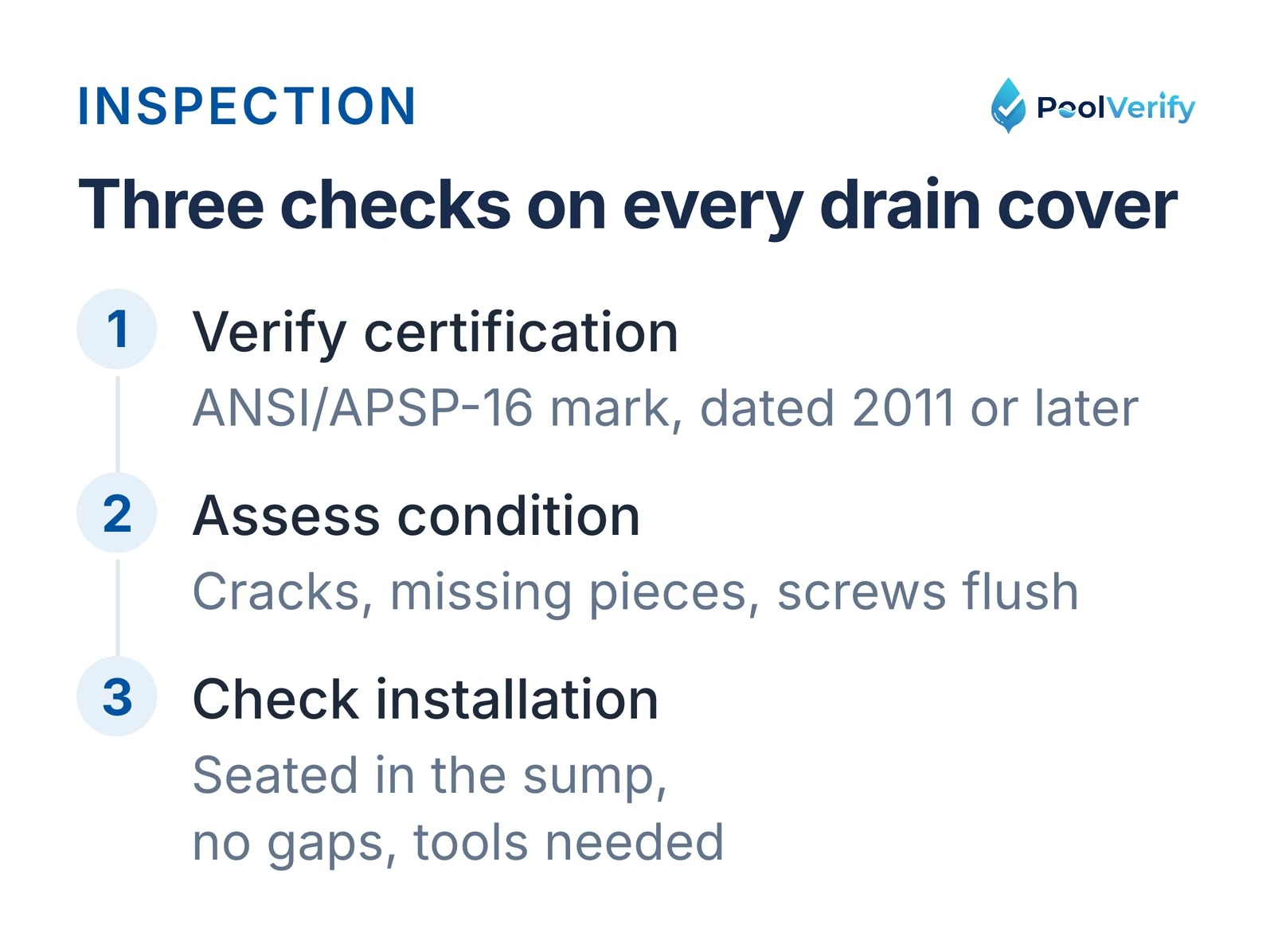
1. Certification verification
Locate the ANSI/APSP-16 marking on each drain cover
Verify the certification date (should be 2011 or later for current compliance)
Note the flow rating stamped on the cover
2. Physical condition assessment
Check for cracks, chips, or breaks in the cover
Ensure no pieces are missing from the grate pattern
Verify all screws are present and flush with the cover surface
Look for signs of UV damage, warping, or brittleness
3. Installation verification
Confirm covers are properly seated in the drain sump
Check for gaps between the cover and the pool surface
Verify covers cannot be removed without tools
Ensure correct cover size for the drain opening
The three visual checks on each drain cover: certification, physical condition, and installation.
Functional testing requirements
Beyond visual inspection, inspectors should verify proper system function:
For single-drain systems with SVRS:
Test the vacuum release function (if testable)
Verify the SVRS is properly connected and operational
Check that warning lights or indicators are functioning
Confirm the system meets ASME A112.19.17 or ASTM F2387 standards
For multiple-drain systems:
Verify minimum three-foot separation between drains
Confirm balanced hydraulic flow to all drains
Check symmetrical plumbing configuration
Test that blockage of one drain doesn't create dangerous suction at others
For all systems:
Measure and record flow rates if equipment is available
Despite the VGB Act being in effect since 2008, pool inspectors still encounter numerous compliance violations. Understanding common issues helps inspectors know what to look for during inspections.
Missing or incorrect certification markings
Issue: Drain covers without ANSI/APSP-16 certification stamps or with outdated certification.
This is one of the most common violations, especially in older pools that haven't updated their drain covers since before 2008. Some drain covers may appear similar to VGB-compliant covers but lack the required certification marking.
What inspectors find:
Drain covers with no visible certification marking
Covers with outdated standards (pre-ANSI/APSP-16)
Aftermarket covers purchased from non-certified suppliers
Covers with certification markings that have worn off over time
Damaged or deteriorated drain covers
Issue: Drain covers with cracks, breaks, or missing pieces that compromise safety.
UV exposure, chemical exposure, and physical impact can cause drain covers to deteriorate over time. Even VGB-compliant covers can become unsafe if damaged.
What inspectors find:
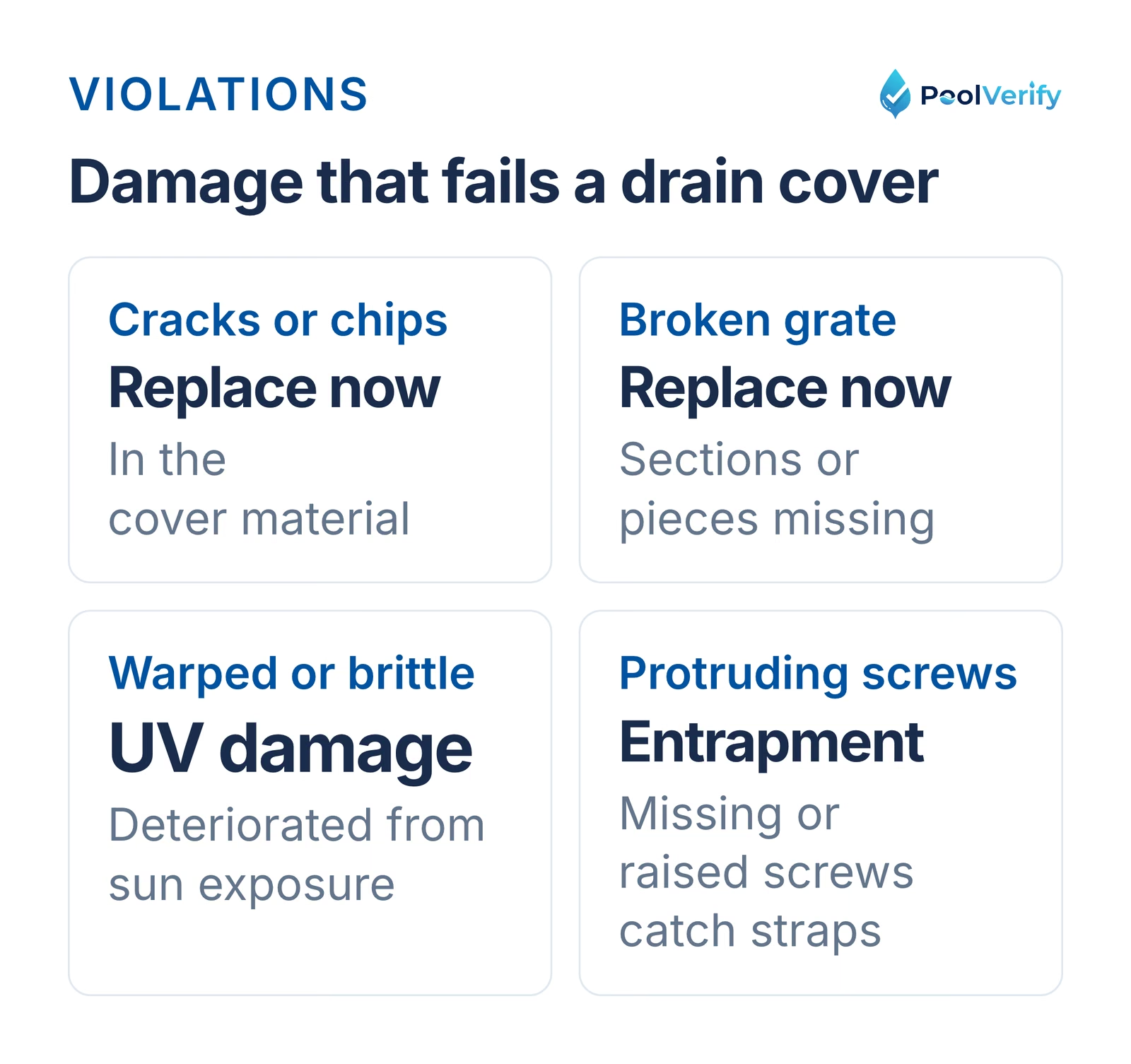
Cracks or chips in the cover material
Broken grate sections or missing pieces
Warped or brittle covers showing UV damage
Protruding or missing screws that create mechanical entrapment hazards
Drain cover damage that fails inspection: cracks, broken grate sections, UV warping, and bad screws.
Improper single-drain configuration
Issue: Pools with single main drains lacking required secondary safety systems.
The VGB Act specifically requires additional protection for single-drain systems, but many older pools haven't been retrofitted with SVRS or other approved systems.
What inspectors find:
Single main drains with no SVRS or alternative safety system
SVRS systems that aren't functioning or properly maintained
Disconnected or bypassed safety systems
Drain disablement that wasn't properly executed (drain still active)
Flow rate mismatches
Issue: Drain cover flow ratings that don't match the pump's circulation capacity.
Each VGB-compliant drain cover is rated for a maximum flow rate. If the pump circulates water faster than the drain cover's rating, it can create dangerous suction forces.
What inspectors find:
Undersized drain covers for the pump capacity
Multiple pumps sharing drain covers not rated for combined flow
Variable-speed pumps set to speeds exceeding drain cover ratings
Missing or illegible flow rate markings on covers
Recalled or non-compliant products
Issue: Drain covers that have been recalled or never met VGB standards.
The CPSC occasionally issues recalls for drain covers that don't meet safety standards. Recently, in 2026, TopHomer pool drain covers were recalled for violating VGB standards and creating entrapment hazards.
What inspectors find:
Counterfeit drain covers with fake certification markings
Products from manufacturers not certified by approved testing labs
Covers matching descriptions of recalled products
Low-quality imports that don't meet ANSI/APSP-16 standards
For pool service companies managing multiple properties, maintaining a database of drain cover compliance across all pools helps prevent violations and ensures timely replacement when issues are found.
Testing and verifying drain compliance
Proper drain compliance verification requires systematic testing and documentation. Professional pool inspectors follow established protocols to ensure thorough assessment of suction entrapment protection.
Step-by-step drain inspection process
Step 1: Pre-inspection preparation
Review property records for pool construction date and permit history
Determine if the pool is subject to VGB Act requirements (public vs. private)
Gather necessary equipment: camera, measuring tools, flashlight, inspection forms
Step 2: Initial visual assessment
Count all suction outlets (main drains, skimmers, vacuum ports)
Identify the drain configuration (single, multiple, or alternative system)
Note the general condition of all visible components
Step 3: Drain cover examination
Photograph each drain cover showing certification markings
Verify ANSI/APSP-16 marking and date on each cover
Per-item photo thumbnails with captions on the PoolVerify phone checklist.
Flow rate testing
For comprehensive compliance verification, some inspectors measure actual flow rates:
Equipment needed:
Flow meter or flow grid
Pump performance data
Manufacturer specifications for drain covers
Testing procedure:
Measure flow rate at each suction outlet
Compare measured flow to drain cover's rated capacity
Verify flow doesn't exceed 150% of any single drain's rating
Document flow measurements in inspection report
Using digital inspection tools
Modern pool inspectors use digital platforms like PoolVerify to streamline VGB compliance documentation:
Pre-built checklists: California-specific templates include HSC §115922 drain requirements
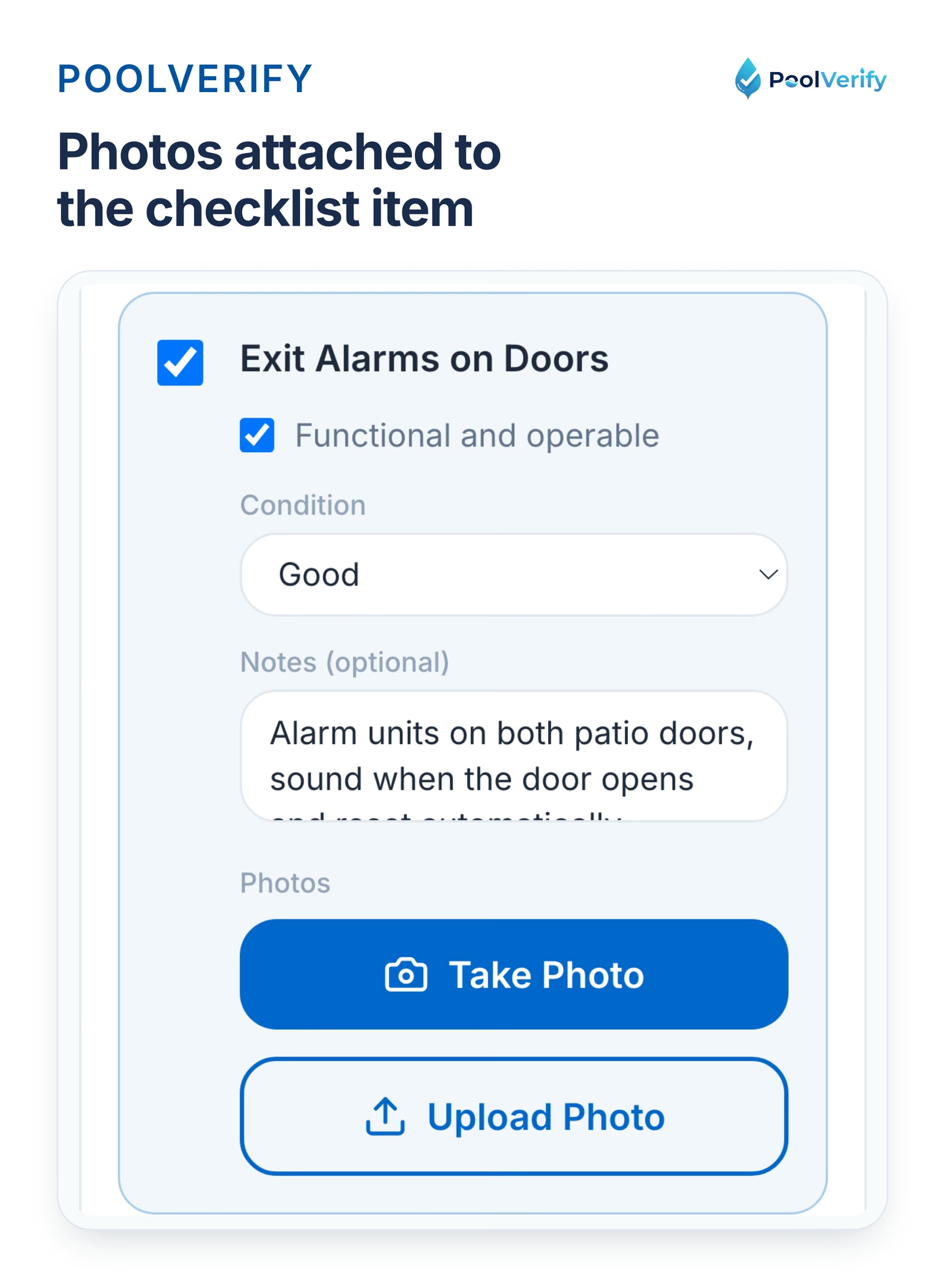
Photo documentation: Capture drain cover certification markings and condition
Instant reports: Generate professional PDF reports with all VGB compliance items
Compliance tracking: Monitor drain cover replacement schedules across multiple properties
Digital signatures: Obtain client sign-off on inspection results
This digital approach reduces pool inspection time from an evening of retyping to minutes on-site while ensuring nothing is missed.
Complete VGB and BPC §7195 inspections faster PoolVerify's pre-built templates include all California drain safety requirements. Start documenting compliance in minutes, not hours. Try Free for 14 Days
Limitations
This guide is general information about pool safety law, not legal advice; the current text of HSC §115922 and BPC §7195 on leginfo.legislature.ca.gov controls, and local building departments add their own requirements. PoolVerify is inspection software for California residential pool safety inspections; it does not perform inspections, certify inspectors, or issue compliance certificates.
Frequently asked questions
What is the Virginia Graeme Baker Act?
The Virginia Graeme Baker Pool and Spa Safety Act is a federal law enacted in 2007 that requires all public swimming pools and spas to have anti-entrapment drain covers meeting ANSI/APSP-16 standards. The law also requires additional safety systems for pools with single main drains to prevent suction entrapment incidents.
Do residential pools need VGB-compliant drain covers?
Existing residential pools were not required to replace drain covers when the VGB Act took effect, but any drain cover purchased after December 2008 must be VGB-compliant regardless of pool type. In California, all new residential pools constructed after January 1, 2019, must meet HSC §115922 requirements, which include VGB-compliant drain systems.
How often should VGB drain covers be replaced?
Drain covers should be inspected annually and replaced immediately if cracked, broken, or damaged. Even undamaged covers should typically be replaced every 5-7 years due to UV degradation and normal wear. Always replace drain covers with ANSI/APSP-16 certified products matching or exceeding the flow rating of the original covers.
What is an SVRS system?
A Safety Vacuum Release System (SVRS) is an anti-entrapment device that automatically detects blockage in a pool's suction line and releases the vacuum by shutting down the pump or introducing air into the system. SVRS systems are required on public pools with single main drains and must meet ASME A112.19.17 or ASTM F2387 standards.
Can I install VGB drain covers myself?
While homeowners can legally replace residential pool drain covers, it's strongly recommended to hire a professional pool service technician. Improper installation, incorrect cover selection, or flow rate mismatches can create serious safety hazards. Professional installation ensures correct cover sizing, proper flow ratings, and secure installation that meets all safety requirements.
Conclusion
The Virginia Graeme Baker Pool and Spa Safety Act represents one of the most successful pool safety regulations in history, eliminating drain entrapment fatalities when properly implemented. For California pool inspectors and property owners, understanding both the federal VGB Act and California's HSC §115922 implementation is essential for ensuring comprehensive pool safety compliance.
By conducting thorough drain inspections, verifying ANSI/APSP-16 certification, testing anti-entrapment systems, and documenting compliance alongside BPC §7195 drowning prevention features, pool professionals protect families and meet California's rigorous safety standards.
Ready to streamline your California pool safety inspections? PoolVerify provides California-specific inspection templates covering both BPC §7195 and HSC §115922 requirements, with photo documentation and instant PDF reports. Start your free 14-day trial today.
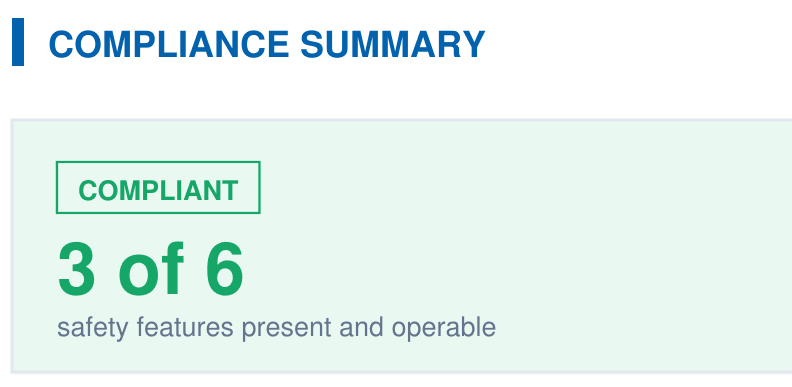
A branded PDF with the compliance summary, the feature table, each finding with its photos, and the signature, generated on‑site when the BPC §7195 and HSC §115922 checklist is complete.