Glass pool fence safety requirements under California HSC §115922 and building codes. Tempered glass specs, 60-inch height, gaps, gate rules. Start your free trial.
Glass pool fencing is legal in California when it meets HSC §115923 enclosure specifications: at least 60 inches tall, vertical gaps under 4 inches, and a self-closing, self-latching gate. The glass itself must be safety glazing (tempered or laminated) meeting CPSC 16 CFR 1201 Category II under the California Building Code. Compliance is verified at property transfer under BPC §7195.
Glass pool fencing has become one of the most popular barrier choices for California luxury and remodel projects, it preserves sightlines to the water without visually breaking up a backyard. But "looks premium" is not the code test. California pool inspectors assess glass fencing against the same enclosure rules as aluminum, wrought iron, or removable mesh barriers: the 60-inch height, the 4-inch gap maximum, the self-closing/self-latching gate, and, specific to glass, safety-glazing requirements under the California Building Code.
According to the Consumer Product Safety Commission, drowning is the leading cause of unintentional injury death for children ages 1 to 4 in the United States. A properly specified and installed glass enclosure is as protective as any other barrier, but a non-compliant one can fail BPC §7195 inspection and delay a California home sale. This guide walks through every requirement a glass pool fence must meet in California, how inspectors verify it, and the most common violations PoolVerify inspectors encounter in the field.
California code requirements for glass pool fencing
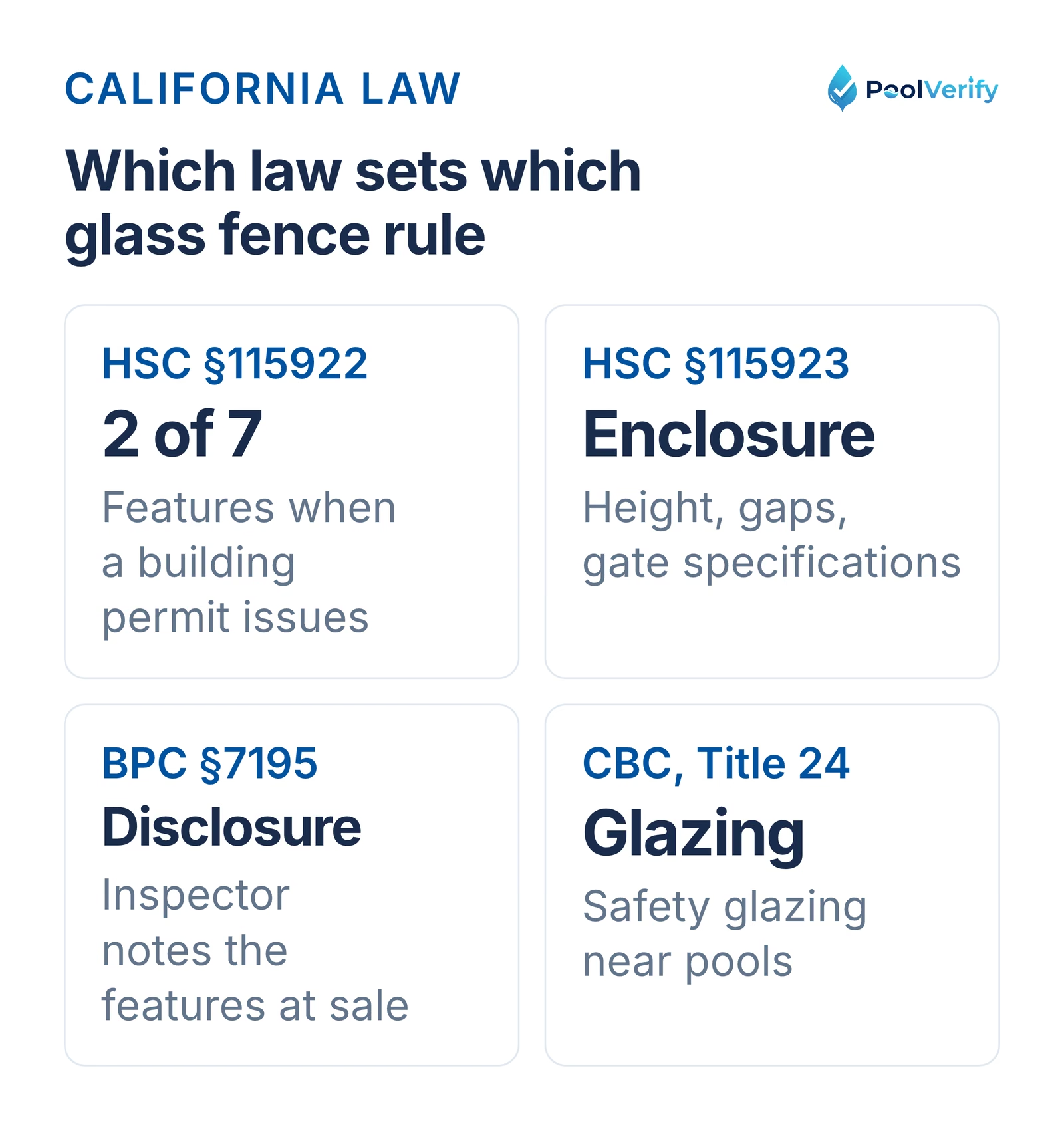
HSC §115922 sets the two-of-seven rule, HSC §115923 the enclosure specs, BPC §7195 the sale disclosure, CBC the glazing.
Glass pool fencing in California is governed by three overlapping bodies of law. Understanding which rule does what is essential, inspectors and contractors routinely mis-attribute requirements to the wrong statute.
HSC §115922: the Swimming Pool Safety Act, requires at least two of seven drowning-prevention safety features when a building permit is issued for new construction or remodeling of a pool or spa at a single-family residence. An isolating enclosure meeting HSC §115923 is feature #1 on that list, and a glass pool fence is one valid way to satisfy it. Current amendments: SB 552, effective January 1, 2025.
HSC §115923 sets the actual enclosure specifications: minimum 60-inch height, maximum 4-inch gaps between vertical members, maximum 4-inch gap below the fence, and a self-closing, self-latching gate. These apply regardless of fence material, glass systems must hit every one of these numbers.
BPC §7195: the Business and Professions Code, requires that at the transfer of a 1 to 4 unit residential property with a pool or spa, the home inspector's report notes whether the seven HSC §115922(a) features are present. This is a disclosure trigger at sale, not a construction requirement. PoolVerify's BPC §7195 template verifies all seven features, including glass-enclosure compliance, with photo documentation per item.
On top of state law, the California Building Code (CBC, Title 24) governs the glass itself, safety glazing requirements for hazardous locations near pools are enforced through local building departments. Glass fencing also commonly falls under local jurisdiction rules from cities such as Los Angeles, San Diego, San Francisco, and Sacramento, which can add permit, setback, or engineering-stamp requirements on top of the state minimums.
Glass specifications: tempered, laminated, and safety glazing
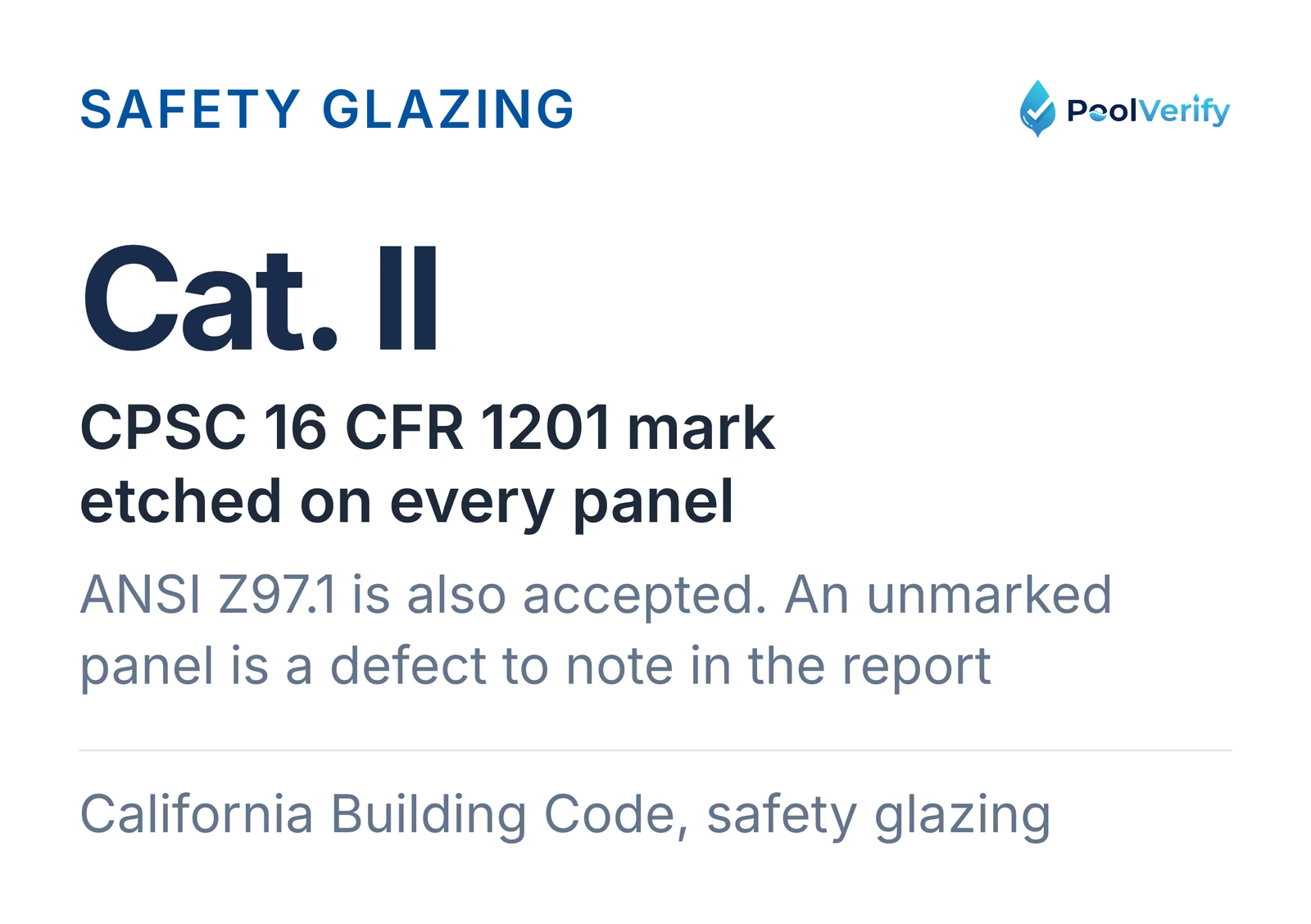
Every glass fence panel carries a permanent etched CPSC 16 CFR 1201 Category II or ANSI Z97.1 mark.
California does not specify a glass thickness in HSC §115923, but the California Building Code requires safety glazing in hazardous locations, and pool enclosures qualify. Safety glazing means the glass has been treated so it either resists impact or fails in a way that minimizes injury.
Two acceptable safety-glazing standards:
CPSC 16 CFR 1201, Category II: the federal safety standard for architectural glazing, enforced by the Consumer Product Safety Commission. Category II is the higher-impact rating and is what pool fence panels typically carry.
ANSI Z97.1: an industry standard frequently referenced alongside the CPSC standard. Many pool fence panels are dual-certified.
Every panel must carry a permanent etched mark (usually in a corner) showing the manufacturer, the standard met, and the glazing category. An unmarked panel is a red flag on a BPC §7195 inspection, without the mark, the inspector cannot verify compliance and should note the defect in the report.
Industry thickness practice (not California law, confirm with the manufacturer and local building official):
Glass System Type
Common Thickness
Typical Use
Frameless tempered
12 mm (½ inch)
Unsupported span between spigots or clamps
Semi-frameless tempered
10 mm (⅜ inch)
Top rail with bottom spigot mount
Framed tempered
8 to 10 mm (5/16, ⅜ inch)
Fully framed perimeter
Laminated (two-ply)
8.76 to 13.52 mm
High-traffic or specialty spans
Thickness is driven by engineered panel span, wind load, and local amendments, not by a single statutory number. A licensed glazing contractor should provide an engineered specification for the specific site, and the inspector should see that specification referenced on permit documents.
Streamline your California pool barrier inspections PoolVerify handles HSC §115922 and HSC §115923 compliance on any device and generates branded PDF reports in under 30 seconds. 14-day free trial, no credit card to start. Start Your Free Trial
Height, gap, and climbability rules applied to glass
Glass fencing is solid, unlike chain-link or pickets, there's no "space between members" within a single panel. But every gap number in HSC §115923 still matters, because glass systems have panel-to-panel gaps, panel-to-post gaps, and panel-to-ground gaps.
The inspection numbers:
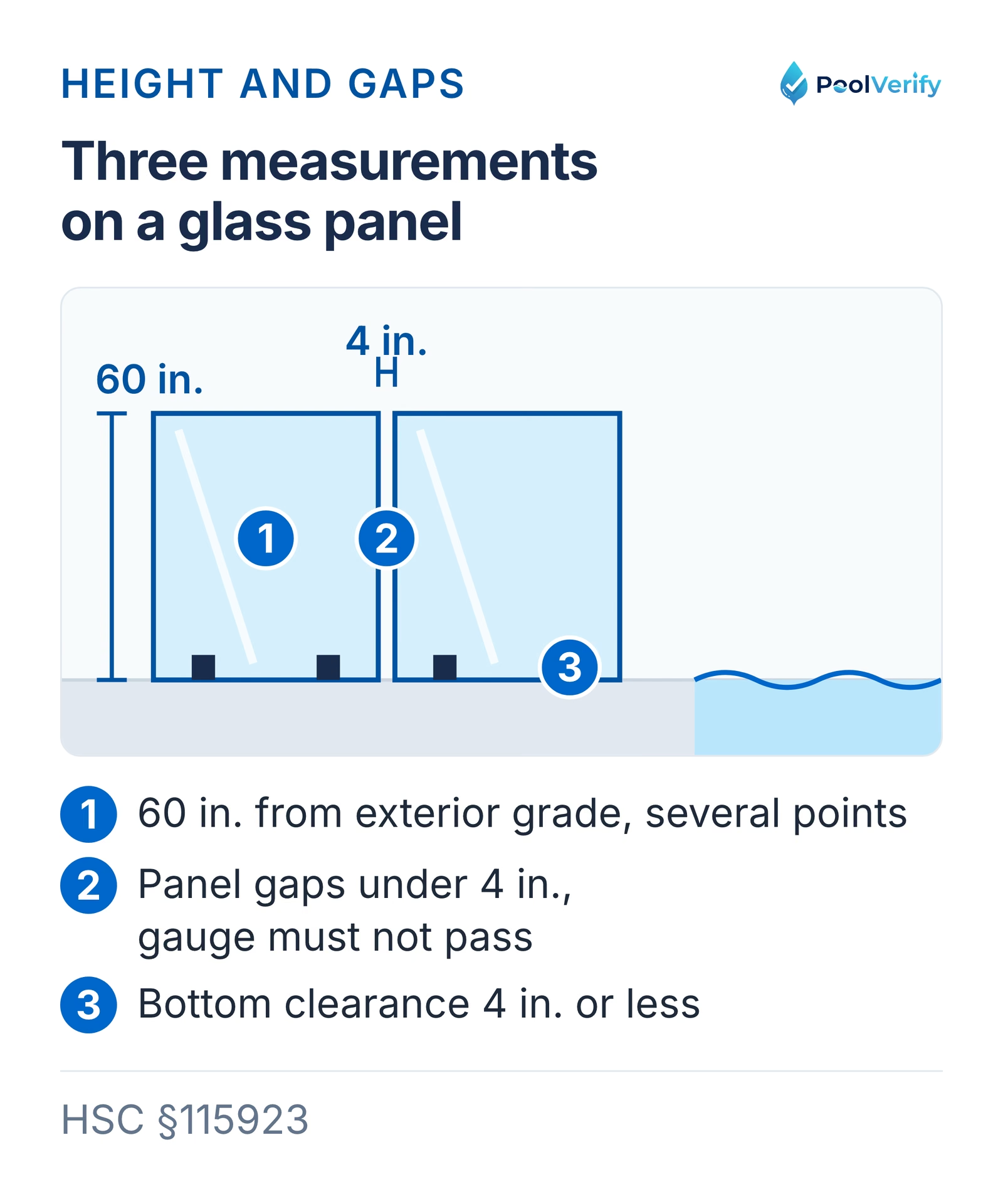
Height: ≥ 60 inches from the exterior finished grade to the top of the panel. Measure at multiple points, if the yard slopes, a panel that measures 62 inches at one end can measure 58 inches at the other.
Vertical gaps: < 4 inches between adjacent glass panels and between a panel and an adjoining post or spigot assembly. A 4-inch rigid gauge should not pass through.
Bottom clearance: ≤ 4 inches from finished surface to the bottom edge of the panel. This is the single most commonly violated measurement on frameless systems, where spigot height, pool deck slope, and settling combine to create oversized bottom gaps.
Climbability: the exterior face must not have horizontal components or decorative protrusions between 45 inches from the ground and the top of the panel. On glass systems, this is typically automatic, the face is flat, but clamps, rails, or hardware may create footholds that fail the climbability test.
Glass panel measurements under HSC §115923: 60 in. from exterior grade, gaps under 4 in., bottom clearance 4 in. or less.
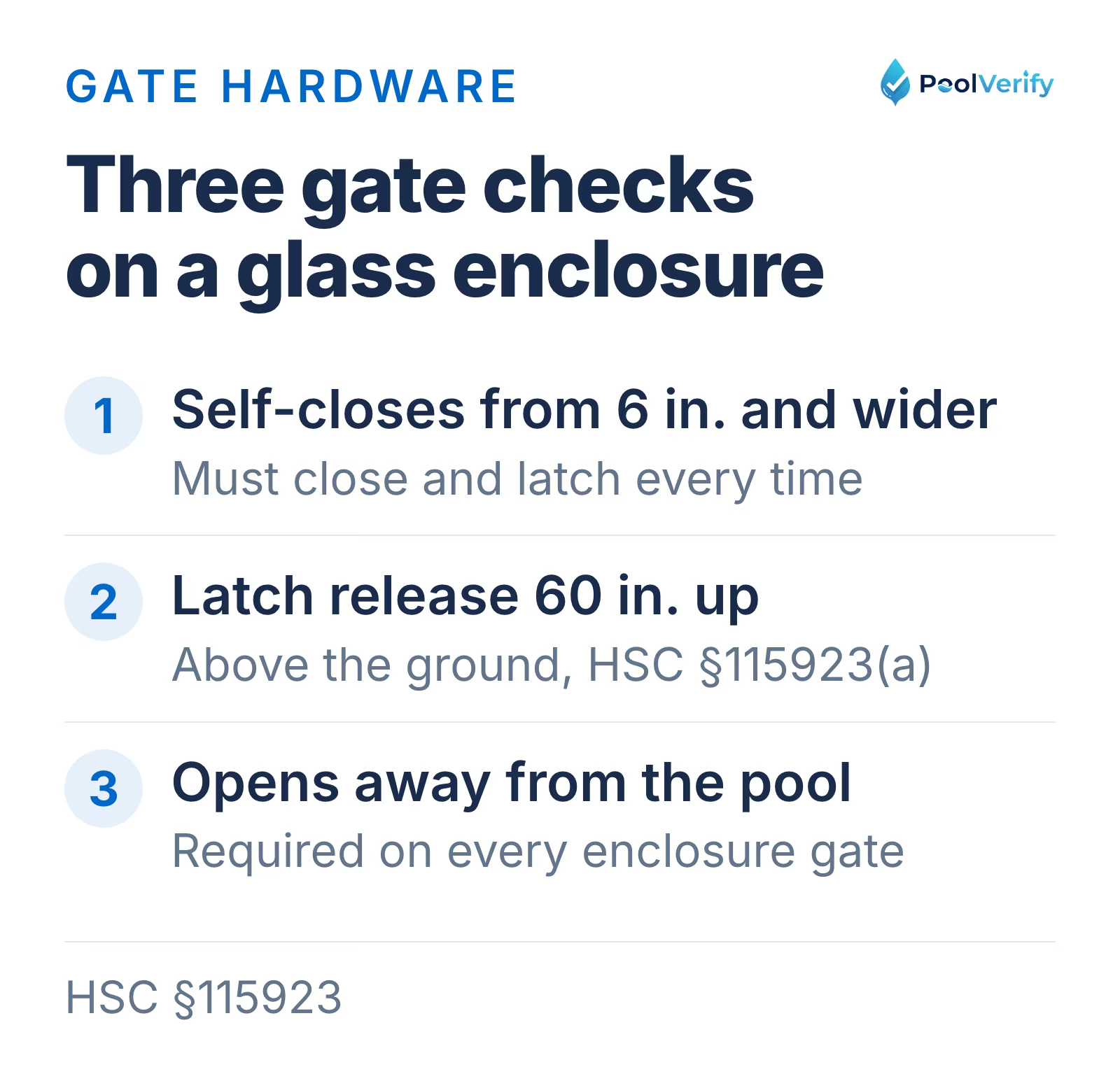
Three gate checks: self-closure from 6 in. and wider, a latch at least 60 in. above the ground, and an outward-opening gate.
Every gate in a pool enclosure, glass or otherwise, must be self-closing and self-latching under HSC §115923. Glass gates typically use hydraulic or spring-loaded hinges paired with magnetic latches. Three inspection points apply:
Self-closure from any position. Open the gate to 6 inches, release, and it must fully close and latch. Repeat at a wider opening. A gate that closes most of the way but fails to latch is non-compliant.
Latch height ≥ 60 inches above the ground. HSC §115923(a) places the self-latching device no lower than 60 inches; the release being out of a small child's reach is the whole point of the requirement.
Opens away from the pool. HSC §115923(a) also requires every enclosure gate to swing away from the water. There is no lower-latch alternative in the statute.
Magnetic latches from manufacturers like Magna-Latch are common on glass gates and, when installed at the correct height, meet both the self-latching and the 60-inch height conditions in one fitting. Spring-loaded hinges should be independently adjustable so the closing force can be tuned to the glass panel weight without slamming.
Frameless vs semi-frameless vs framed: a comparison
Glass pool fencing comes in three main configurations. Each meets California code when installed correctly, but they differ in cost, appearance, inspection focus, and failure modes.
Attribute
Frameless Glass
Semi-Frameless Glass
Framed Glass
Support method
Bottom spigots or core-drilled base clamps
Bottom spigots + top rail
Full perimeter aluminum frame per panel
Typical glass thickness
12 mm tempered
10 mm tempered
8 to 10 mm tempered
Height compliance (≥60 in)
Met by panel height alone
Met by panel + top rail
Met by framed panel
Gap compliance (<4 in)
Panel-to-panel and bottom clearance are the critical checks
Top rail reduces top-gap risk
Frame naturally limits gaps
Climbability risk
Lowest, flat face, no horizontal features
Top rail is a horizontal feature but usually at-height
Frame members can create footholds on exterior face
Glazing mark required
Yes, edge-etched on every panel
Yes, edge-etched on every panel
Yes, edge-etched on every panel
Typical cost range
Highest
Mid
Lowest
Common failure mode
Oversized bottom clearance from settling
Top-rail attachment working loose
Frame members acting as climbable footholds
Inspection time (with PoolVerify)
15 to 20 minutes
15 to 20 minutes
15 to 20 minutes
Frameless systems are the aesthetic favorite for luxury California remodels, the uninterrupted view of the pool is the selling point. They also typically have the lowest climbability risk because there are no horizontal features on the exterior face. The tradeoff is that bottom clearance and panel-to-panel gap measurements must be exact, and spigot installation quality drives long-term compliance.
Glass pool fence inspection checklist
A complete BPC §7195 inspection for a glass pool fence covers eight checks. Each one maps directly to a line item in PoolVerify's California BPC §7195 template with a photo attachment slot.
Panel height ≥ 60 inches at every measurement point along the barrier, from exterior finished grade to the top of the glass.
Panel-to-panel vertical gap < 4 inches at every junction, verified with a 4-inch rigid gauge.
Panel-to-post or panel-to-spigot gap < 4 inches where glass meets hardware.
Bottom clearance ≤ 4 inches between the finished surface and the bottom edge of each panel.
Safety-glazing mark visible on each panel, CPSC 16 CFR 1201 Category II or ANSI Z97.1.
Gate self-closes and self-latches from a 6-inch open position and from a wider open position.
Gate latch at ≥ 60 inches above the ground, and the gate opens outward away from the pool.
No climbable features on the exterior face between 45 inches and the top of the panel, clamps, rails, or hardware must not provide footholds.
In the field, inspectors see the same handful of issues on glass installations over and over. Most come from settling, contractor rework, or cheap hardware choices, not from bad-faith installation.
Oversized bottom clearance from deck settling or a newly resurfaced pool deck that was poured lower than the original grade. Common on frameless systems installed more than 5 years ago.
Missing or worn safety-glazing marks: etched marks on the corner of older panels can wear, and replacement panels sometimes arrive unmarked.
Gate closes but does not latch at wider open positions, a hinge-tension problem, not a latch problem, and it fails HSC §115923.
Magnetic latch mounted below 60 inches, a frequent contractor error when retrofitting hardware onto an older glass gate.
Panel-to-post gap > 4 inches where a run of panels meets a structural post or building wall. Usually resolved with an additional narrow panel or a filler strip.
Decorative glass cutouts or etchings that create finger/toe holds, rare but sometimes seen on custom art-glass installations.
How PoolVerify streamlines glass fence inspections
PoolVerify's California BPC §7195 template has a dedicated enclosure section that maps each HSC §115923 requirement to a pass/fail toggle with up to 5 attached photos and an inspector's note field. For glass fences specifically, the template prompts the inspector to photograph the edge-etched safety-glazing mark, the bottom-clearance measurement, the panel-to-panel gauge test, and the gate closure sequence, the four evidence points most likely to be questioned on an audit or litigation review.
Reports generate in under 30 seconds with embedded photos, ESIGN Act-compliant digital signatures, and a unique inspection ID for record retention. Pricing starts at $39/month on annual billing (Starter plan) with a 14-day free trial (no credit card to start). Pool service companies running multi-inspector teams typically land on the Business plan at $159/month annual for unlimited team members and role-based permissions.
This guide is general information about pool safety law, not legal advice; the current text of HSC §115922 and BPC §7195 on leginfo.legislature.ca.gov controls, and local building departments add their own requirements. PoolVerify is inspection software for California residential pool safety inspections; it does not perform inspections, certify inspectors, or issue compliance certificates.
Frequently Asked Questions
Is glass pool fencing legal in California?
Yes. Glass pool fencing is legal in California when it meets the enclosure specifications in HSC §115923, at least 60 inches tall, gaps between vertical members under 4 inches, and a self-closing, self-latching gate. The glass itself must be safety glazing (tempered or laminated) under California Building Code and CPSC 16 CFR 1201 Category II.
How tall must a glass pool fence be in California?
A glass pool fence in California must be at least 60 inches tall, measured from the exterior finished grade to the top of the panel, per HSC §115923. This applies to frameless, semi-frameless, and framed glass systems alike. Local jurisdictions may set stricter requirements, but 60 inches is the statewide minimum.
What thickness of tempered glass is required for pool fencing?
California law does not mandate a specific thickness, but the California Building Code requires safety glazing (tempered or laminated) meeting CPSC 16 CFR 1201 Category II near swimming pools. Industry practice for frameless pool panels is 12mm (½-inch) tempered glass; semi-frameless and framed systems commonly use 8 to 10mm. Always confirm with the manufacturer's engineering data and local building official.
Does a glass pool fence need a self-closing gate?
Yes. Any gate in a pool enclosure, glass or otherwise, must be self-closing and self-latching under HSC §115923. The gate must open away from the pool and its self-latching device must be at least 60 inches above the ground. Magnetic latches are common on glass gates and meet both conditions.
Can a home inspector verify glass pool fence compliance under BPC §7195?
Yes. BPC §7195 requires home inspectors to note in their report whether the seven HSC §115922(a) safety features are present at property transfer, including whether an enclosure (glass or other material) meets HSC §115923 specifications. Inspectors measure height, gap spacing, gate self-closure, and latch function. PoolVerify's BPC §7195 template includes per-item photo documentation for each barrier check.
Conclusion
Glass pool fencing is fully compliant with California law when it hits the same HSC §115923 numbers as any other barrier, 60 inches minimum height, gaps under 4 inches, self-closing/self-latching gate: and when the glass itself carries a permanent CPSC 16 CFR 1201 Category II or ANSI Z97.1 safety-glazing mark. The most common failures are mundane: a bottom clearance that grew past 4 inches as the deck settled, a latch mounted an inch too low, a panel missing its etched glazing mark. A disciplined BPC §7195 inspection catches every one of them before the report lands on a real estate agent's desk.
If you're a California pool inspector, pool service company, or real estate agent handling BPC §7195 disclosures, PoolVerify's BPC §7195 template verifies every glass-enclosure requirement with photo documentation and generates a branded PDF report in under 30 seconds. Start your 14-day free trial (no credit card to start) and run your first glass-fence inspection today.
Last updated: February 21, 2026
Last updated: September 9, 2026
What the client receives
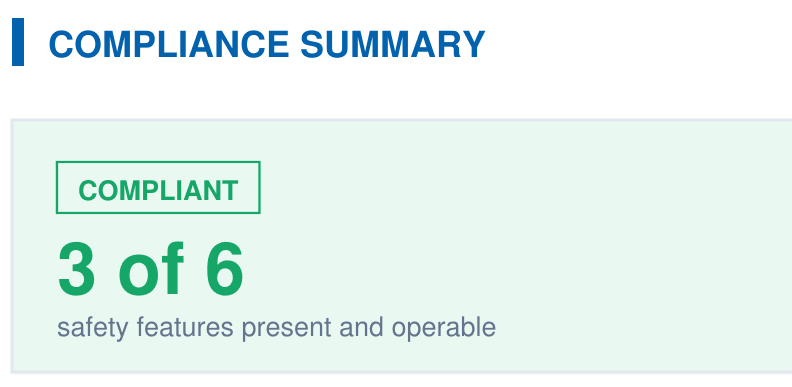
A branded PDF with the compliance summary, the feature table, each finding with its photos, and the signature, generated on‑site when the BPC §7195 and HSC §115922 checklist is complete.