Buying a House With a Pool in California: The Pool Inspection
When you buy a one to four unit home with a pool or spa in California, the paid home inspection includes the pool: BPC §7195(a)(2) requires a noninvasive examination to identify which of the seven HSC §115922(a) drowning prevention safety features it has, and the report must state if there are fewer than two. What the pool section tells a buyer, what it does not cover, why the seller does not have to add features, and how to choose the inspector.
When you buy a one to four unit home with a pool or spa in California, the home inspection you pay for includes the pool. Business and Professions Code §7195(a)(2) requires a noninvasive examination of the pool or spa and the dwelling to identify which of the seven drowning prevention safety features in HSC §115922(a) it has, and the report must state if it has fewer than two. No statute requires the seller to add a feature before you close.
This guide covers what the law makes part of your inspection, what the pool section tells you and what it does not, why the seller does not have to add features, when the two-feature rule does reach you, how to choose the inspector, and what your agent owes you. Our guide for sellers covers the same sale from the other side.
What California law makes part of your inspection
A home inspection in California is defined by BPC §7195(a)(1) as "a noninvasive, physical examination, performed for a fee in connection with a transfer of real property, of the mechanical, electrical, or plumbing systems or the structural and essential components of a residential dwelling of one to four units designed to identify material defects." When the property has a pool or spa, three more rules apply.
Rule
What it says
What it means for you
BPC §7195(a)(2)
An appropriate inspection includes a noninvasive physical examination of the pool or spa and dwelling to identify which of the seven HSC §115922(a) features it is equipped with
The pool is in your inspection, not an optional extra
BPC §7195(c)
The report identifies the features, says whether they are in place, in good repair, operable as designed and, if applicable, labeled, and states specifically if there are fewer than two
You get a named list and a plain statement, not a pass or fail
BPC §7195(c)
The report includes the statement that a pool isolation fence, as described in HSC §115923, is the most studied and effective drowning prevention safety feature, as the American Academy of Pediatrics has found
The same sentence appears in every California pool section
BPC §7195(e)
A transfer means a sale, exchange, installment land sales contract, lease with an option to purchase, any other option to purchase, or ground lease coupled with improvements, of property with one to four dwelling units
A lease with an option to buy is covered too
A "material defect" under BPC §7195(b) is a condition that significantly affects the value, desirability, habitability or safety of the dwelling; style and aesthetics are not defects. The seven features are set out one by one in our HSC §115922 guide.
What the pool section tells you
The pool section is a list, not a grade. It identifies which of the seven features the pool has and describes the condition of each one present; a well-written section lists all seven, so you see what is missing as well as what is there.
What the report shows
What it tells you
The seven HSC §115922(a) features, each marked present or not present
Which layers of protection the pool has today: an enclosure, removable mesh fencing, a safety cover, exit alarms, door devices, an in-water alarm, or an independently verified other means
For each feature present: in place, in good repair, operable as designed, labeled
Whether a feature that exists actually works: a gate that does not latch, or a cover with no label, is present but not operable or not labeled
The fewer-than-two statement, when it applies
That the pool would not meet the two-feature rule if a permit were issued for it today
Photos behind the findings
What the inspector saw, if the report includes them
Read the fewer-than-two statement together with HSC §115922(b), which since January 1, 2025 rejects three pairs: an exit alarm and a self-closing, self-latching device on the same door; an exit alarm and a door latch on separate doors; and a safety cover with an in-water alarm. A pool with alarms on the patio doors and self-closing hardware on those same doors has one feature for the statute's purposes. Our report example guide walks through a full pool section page by page.
What the pool section does not cover
The pool section answers one question: which safety features the pool has. Several things a buyer wants to know sit outside it.
No ASTM test.BPC §7195(c) says the section does not require a determination as to whether a feature meets the ASTM International and American Society of Mechanical Engineers specifications. The inspector reads labels; nobody load-tests the cover.
Noninvasive only. The inspector does not drain the pool, open the plumbing or dismantle equipment.
Equipment, leaks and surfaces are a scope question. The general definition covers the dwelling's mechanical, electrical and plumbing systems, but how far the inspector goes into the pump, filter, heater, lights, plaster and leaks is set by the written inspection agreement. Our guides to pool equipment, pool electrical and pool plumbing inspections cover what those checks involve.
Drain covers are not one of the seven. Suction outlet covers are governed by other sections and by federal law; our drain cover guide explains them.
Ask for the scope in writing before you book, and ask whether the inspector will refer you to a pool contractor for anything the inspection does not cover.
The seller does not have to add features
No California statute requires a seller to add drowning prevention features before a sale. HSC §115922(a) applies when a building permit is issued for the construction of a new pool or spa, or the remodel of an existing one, at a private single-family home; a sale is not a permit. The Act also sets no fine, misdemeanor or jail term, as our non-compliance guide explains.
That leaves the pool to the purchase contract. With a report in hand, a buyer can ask the seller to repair a feature that is present but not working, ask for a credit toward adding features, accept the pool as it is, or cancel within the contract's inspection terms. Which of those is available, and until when, is set by the contract, not by the pool statutes. A local ordinance can require a barrier on its own terms; our county requirements guide explains how local rules sit on top of the state statute.
When the two-feature rule does reach you
The rule reaches the pool the day someone pulls a permit for it. If you remodel the pool or spa after closing, the permit triggers HSC §115922(a): the pool must then have at least two of the seven features, and under §115922(c) the local building official inspects them before final approval. HSC §115924 also requires anyone contracting to build or remodel the pool under the permit to give you notice of the Act's requirements.
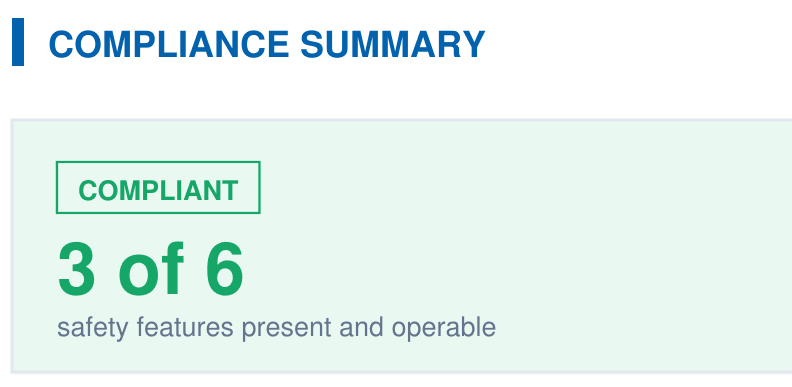
What a finished pool section looks like. PoolVerify's sample report shows the six physical HSC §115922(a) features on page 1 with the feature count, each feature's condition, notes and photos on the pages that follow, and the inspector's signed certification on the last page. Download the five-page sample report and compare it with the report your inspector delivers.
Choosing the inspector
California has no home inspector license. BPC §7195(d) defines a home inspector as any individual who performs a home inspection, so the statutes that protect you are about conduct, not credentials.
A home inspector who is not a licensed general contractor, structural pest control operator or architect, or a registered professional engineer, must use the degree of care a reasonably prudent home inspector would exercise
Ask how the inspector checks each of the seven features
What your agent owes you, and what you owe yourself
A listing broker, and a cooperating broker working with the listing broker to find a buyer, owes you a visual inspection under Civil Code §2079(a): a reasonably competent and diligent visual inspection of a one to four unit property offered for sale, and disclosure of all facts materially affecting its value or desirability that the investigation would reveal. Civil Code §2079.5 then adds that nothing in that article relieves a buyer of the duty to exercise reasonable care to protect himself or herself, including as to facts within the buyer's diligent attention and observation.
In practice that means the agent's walk-through is not the inspection. Walk the doors, gates and fence yourself, read the pool section line by line, and ask the inspector about anything you do not understand. Our guide for real estate agents covers the agent's side of the same sale.
How to handle the pool, step by step
Order the inspection with the pool in scope. Tell the inspector the property has a pool or spa and ask for the BPC §7195 pool section, plus whatever equipment and surface checks you want, in writing.
Attend the pool part if you can. Walk the doors, gates and fence with the inspector and ask which of the seven features each one is.
Read the pool section. Find the list of seven, the condition of each feature present, and whether the report states the pool has fewer than two.
Get specialist answers where the report stops. A pool contractor or pool service company can evaluate leaks, equipment and surfaces a noninvasive feature check does not cover.
Decide before the inspection period ends. Ask for repairs or a credit, accept the pool, or cancel within the contract's terms, and plan any features you want after closing. Our failed inspection guide covers the options after a fewer-than-two statement.
Limitations
This guide is general information about California law, not legal or real estate advice. The current text of BPC §7195 to §7199, HSC §115921 to §115929 and Civil Code §2079 on leginfo.legislature.ca.gov controls, and your purchase contract sets your inspection period and remedies; this guide does not describe any contract form. PoolVerify is inspection software for California residential pool safety inspections used by inspectors; it does not perform inspections, recommend inspectors, or issue compliance certificates.
Frequently asked questions
Should I get a pool inspection before buying a house with a pool?
In California you usually get one with the home inspection. BPC §7195(a)(2) says a paid home inspection at the transfer of a home with a pool or spa includes a noninvasive examination to identify which of the seven HSC §115922(a) safety features it has. Ask the inspector what else the pool part covers, such as equipment or leaks, before you sign the agreement.
Does a California home inspection include the pool?
Yes, for the safety features. BPC §7195(a)(2) makes a noninvasive examination of the pool or spa and the dwelling part of an appropriate home inspection at a transfer, and BPC §7195(c) requires the report to identify the features, their condition, and whether the pool has fewer than two. Equipment, plumbing and surfaces depend on the inspector's written scope.
Does the seller have to bring the pool up to code before closing?
No statute requires it. HSC §115922 requires two of seven safety features when a building permit is issued for a new or remodeled pool at a single-family home, not when a house is sold, and the Act sets no fine. Whether the seller repairs, credits or does nothing is a matter for the purchase contract and your negotiation.
What if the report says the pool has fewer than two safety features?
The statement is required by BPC §7195(c) whenever it is true, and it does not stop the sale. It tells you what you would add to reach two, which pairs HSC §115922(b) rejects, and what to price. Many buyers ask for a credit, or add an enclosure, a labeled safety cover or door devices after closing.
Is pool equipment checked in a home inspection?
Not by the pool section. BPC §7195(a)(2) asks only which safety features the pool has. The general definition in BPC §7195(a)(1) covers the dwelling's mechanical, electrical and plumbing systems to identify material defects, and how far an inspector goes into the pump, filter, heater, lights and leaks is set by the inspection agreement. Ask before you book.
Can I rely on the seller's pre-listing inspection report?
Read it, but the seller ordered it and set its scope. Ordering your own inspection gives you an inspector who works to your agreement, answers your questions and dates the report inside your contract period. Under BPC §7199 a claim against a home inspector must be brought within four years from the date of the inspection.
Conclusion
Buying a house with a pool in California comes with a pool section in the home inspection: which of the seven HSC §115922(a) features the pool has, the condition of each, and a plain statement when there are fewer than two. The seller does not have to add features, the two-feature rule reaches you when you pull a permit, and the inspector owes you a prudent inspector's care and four years to bring a claim. Read the section before your inspection period ends.
If you are the inspector writing that section, PoolVerify's California checklist lists the six physical features with photos on each and prints the count on page 1 of the PDF. Start your 14-day free trial, no credit card to start, or see the features.
A branded PDF with the compliance summary, the feature table, each finding with its photos, and the signature, generated on‑site when the BPC §7195 and HSC §115922 checklist is complete.